The Second Trial (Trial of the 17) (Leaving Cert History): Revision Notes
📚Revision Notes
The Second Trial (Trial of the 17)
The Trial of the Seventeen, also known as the Second Moscow Trial, took place in January 1937. It was part of the series of Moscow Show Trials during Stalin's Great Purge, aimed at consolidating his power by eliminating potential rivals and instilling fear throughout the Soviet Union. This trial followed the Trial of the Sixteen and continued the campaign against alleged conspirators within the Communist Party.
Key Figures
- Karl Radek: A prominent Bolshevik and journalist known for his role in the early Soviet government and as a close associate of Lenin.
- Grigory Sokolnikov: A former Commissar of Finance and a notable figure in the Communist Party.
- Yuri Pyatakov: A high-ranking Soviet official and deputy commissar for heavy industry.
Charges
The seventeen defendants were accused of:
- Treason
- Espionage
- Sabotage
- Plotting with Leon Trotsky to overthrow the Soviet government and restore capitalism.
Nature of the Trial
- Like the Trial of the Sixteen, this was a highly publicised event, with confessions extracted under torture and extreme pressure.
- The defendants were forced to confess to crimes they likely did not commit. These confessions were used to validate Stalin's claims of widespread conspiracy against the state.
- Thirteen of the seventeen defendants were sentenced to death and executed shortly after the trial.
- The remaining four received long prison sentences, further demonstrating Stalin's ruthless approach to eliminating perceived threats.
Impact and Significance
- The Trial of the Seventeen further consolidated Stalin's control over the Communist Party by removing high-ranking officials who could challenge his authority.
- It reinforced the climate of fear and suspicion within Soviet society, making it clear that dissent would not be tolerated.
- The trial served as propaganda to portray Stalin as the defender of the Soviet Union against internal and external enemies.
- It paved the way for further purges, including the Trial of the Twenty-One in 1938, deepening the atmosphere of terror and repression in the Soviet Union.
Key Quotes
- "The enemies of the people must be exterminated mercilessly." - Stalin's propaganda message.
- "I am guilty of all charges." - Karl Radek's forced confession.
- "The trial of the Trotskyite-Zinovievite Terrorist Centre has revealed the depths of the conspiracy against the Soviet state." - Soviet government statement.
Building on the Success of the First Show Trial
- The Trial of the Seventeen built on the success of the first show trial by continuing to eliminate Stalin's potential rivals and solidifying his control.
- The first trial had already instilled fear and demonstrated the consequences of dissent, setting a precedent for subsequent purges.
- The second trial reinforced this climate of terror by targeting another group of prominent Bolsheviks and extracting forced confessions. It also validated Stalin's narrative of widespread conspiracies against the Soviet state, further justifying his harsh measures and consolidating his authoritarian regime through increased paranoia and repression.
- Added Context - The Secret Purge of the Red Army - Learning about the secret purge of the Red Army is crucial as it highlights Stalin's paranoia and ruthless consolidation of power, directly tying into the broader context of the show trials.
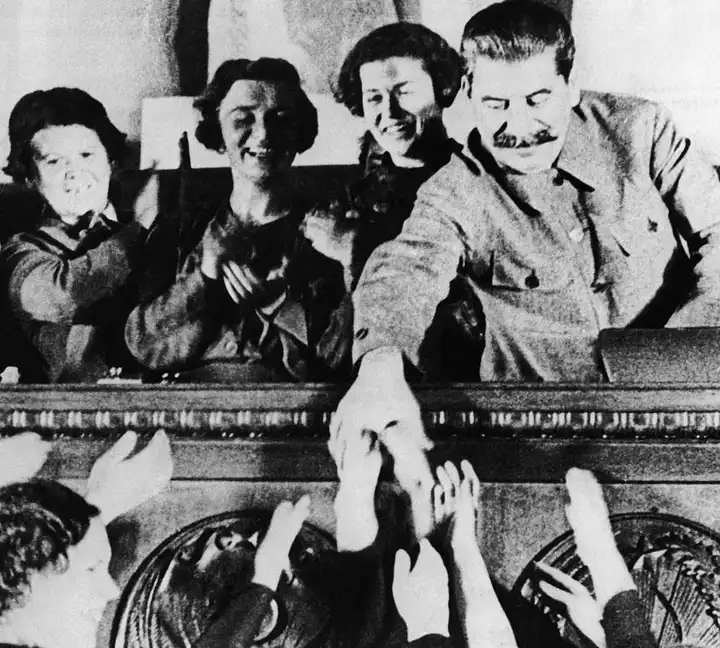
The Secret Purge of the Red Army in 1937
-
In 1937, Stalin initiated a secret purge of the Red Army, fearing that its leaders might pose a threat to his absolute control. This purge was driven by Stalin's growing paranoia and his desire to eliminate any potential rivals within the military.
- The purge began with the arrest and execution of Marshal Mikhail Tukhachevsky, a highly respected and prominent military leader, along with several other high-ranking officers. They were accused of espionage, treason, and plotting with Nazi Germany to overthrow the Soviet government.
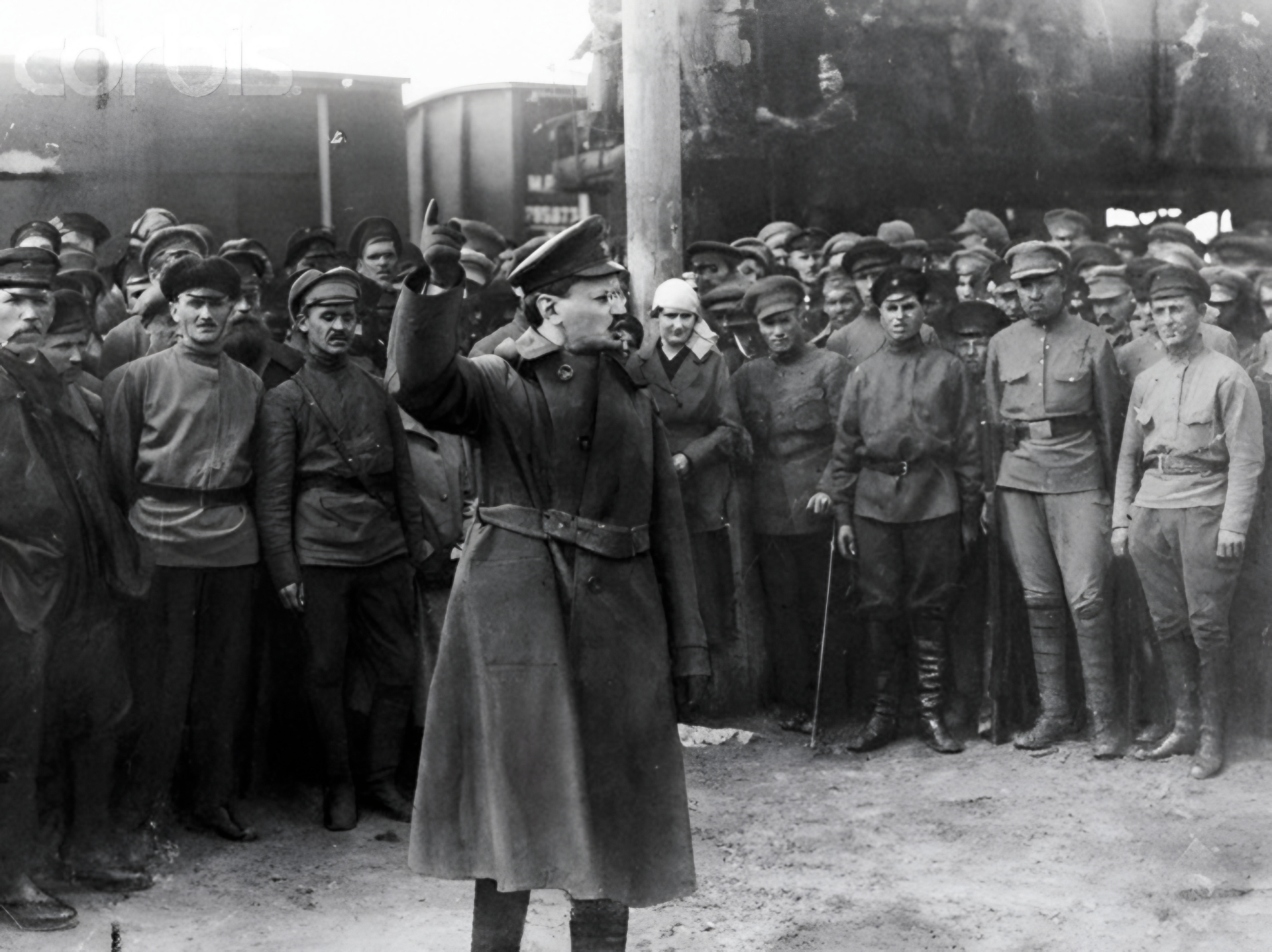
- The purge began with the arrest and execution of Marshal Mikhail Tukhachevsky, a highly respected and prominent military leader, along with several other high-ranking officers. They were accused of espionage, treason, and plotting with Nazi Germany to overthrow the Soviet government.
-
The purge decimated the Red Army's leadership, with estimates suggesting that around 35,000 officers were arrested, executed, or imprisoned. This included a significant portion of the army's top commanders, which severely weakened the military's effectiveness.
-
The elimination of experienced and skilled officers left the Red Army vulnerable, contributing to its poor performance in the early stages of World War II.
-
The secret purge of the Red Army exemplified Stalin's ruthless approach to consolidating power, as he prioritised eliminating perceived threats over maintaining a strong and capable military.
-
This action underscored the extent of Stalin's paranoia and the devastating impact of his purges on Soviet institutions.