Introduction and general information on the march (Leaving Cert History): Revision Notes
📚Revision Notes
Introduction and General Information on the March
- An introduction to the Jarrow March (Underlying factors)
- The Importance of Palmers Shipyard to Jarrow
- How the Crusade came to be Organised
Introduction
- The Jarrow March, also known as the Jarrow Crusade, was a significant protest that took place in 1936.
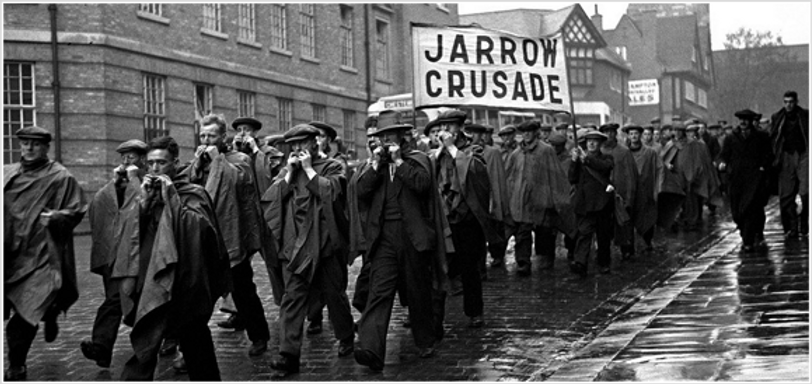
- It involved 200 unemployed men from the town of Jarrow, located in the North East of England, marching nearly 300 miles to London.
- Their goal was to raise awareness of the severe economic hardships and unemployment facing their community and petition the government for assistance.
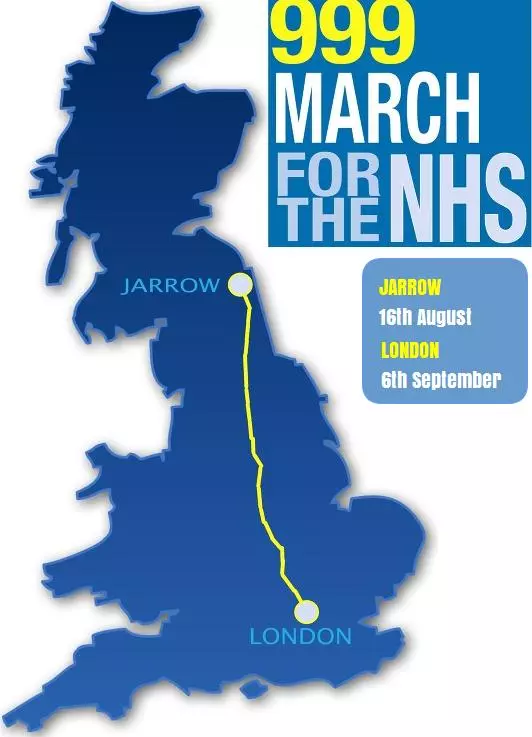
Where Jarrow Was
- Jarrow is a town in Tyne and Wear, in the Northeast of England. Historically, it was an important centre for shipbuilding, a key industry that employed the local population.
- The town's shipyard, Palmer's Shipbuilding and Iron Company, founded in 1852, was one of the most significant employers and contributed greatly to the local economy.
- Jarrow's prosperity was closely tied to the fortunes of the shipbuilding industry, making it highly vulnerable to economic fluctuations and industrial decline.
Why There Was a Decline in Jarrow
- Jarrow's decline was largely due to the collapse of its shipbuilding industry. After World War I, global demand for ships decreased significantly, reducing orders and financial difficulties for shipyards.
- Palmer's Shipbuilding and Iron Company struggled to stay afloat and was eventually forced to close in 1933. The closure devastated Jarrow's economy, leading to mass unemployment and poverty.
- The town's dependency on a single industry meant that the loss of the shipyard left many residents without work, plunging the community into economic despair.
- The Great Depression of the 1930s further exacerbated the situation, as economic conditions worsened and the government's austerity measures failed to provide adequate relief for struggling towns like Jarrow.
How a Crusade Came to Be Organised
- The idea for the Jarrow March originated from the desperation and determination of the unemployed workers and local leaders who sought to bring national attention to their plight. The local Member of Parliament, Ellen Wilkinson, played a pivotal role in organising the march.
- Wilkinson, a Labour MP known for her advocacy for workers' rights, helped rally support and coordinate the march's logistics.
- The marchers were carefully selected to represent the community, with only the fittest and most determined men chosen to make the arduous journey to London.
Who Was Ellen Wilkinson? Why did She Matter?
- Ellen Wilkinson was a pivotal figure in Jarrow's history. She was known for her dedicated efforts to address the town's severe economic struggles during the 1930s. Her passionate advocacy and leadership significantly impacted the community, particularly during the infamous Jarrow March.
Political Representation and Advocacy
- Elected in 1935, Wilkinson became the voice of Jarrow in the British Parliament. She was deeply committed to addressing the town's issues, particularly unemployment and poverty resulting from the collapse of the shipbuilding industry.
- In Parliament, she tirelessly advocated for government intervention to provide relief and support for Jarrow's struggling population. Her speeches and debates highlighted the dire conditions faced by the residents.

The Jarrow March
- Wilkinson played a crucial role in organising the Jarrow March in 1936. She helped plan the logistics, rally support, and coordinate with various organisations to ensure the march's success.
- Through her efforts, Wilkinson brought national attention to Jarrow's plight. The marchers, 200 unemployed men, walked nearly 300 miles to London, carrying a petition to present to Parliament. Wilkinson's involvement ensured widespread media coverage, generating public sympathy and political pressure.
- Accompanying the marchers to London, Wilkinson presented their petition, demanding government action to address the economic devastation in Jarrow. Her eloquence and persistence in Parliament amplified the marchers' message, forcing the government to confront the issue.
Immediate and Long-term Impact
- Although the march's immediate outcomes were limited, Wilkinson's efforts did bring some short-term relief. The publicity and political pressure led to temporary government measures to alleviate unemployment and economic hardship in Jarrow.
- Wilkinson's work laid the groundwork for future social and economic reforms.
- Her advocacy contributed to the broader labour movement and highlighted the need for comprehensive social welfare policies.
Continued Support for Jarrow
- Beyond the march, Wilkinson remained deeply involved with the Jarrow community. She continued to support local initiatives and worked tirelessly to improve living conditions and economic opportunities for the residents.
- Wilkinson's dedication to Jarrow left a lasting legacy, inspiring future generations of politicians and activists to continue the fight for social justice and economic equality.