A Brief Look at Vichy France (Leaving Cert History): Revision Notes
📚Revision Notes
A Brief Look at Vichy France
- The armistice signed between France and Germany in June 1940 allowed Germany to occupy more than half of France, including the Atlantic and English Channel coasts. A collaborationist government controlled the rest of the country under Marshal Philippe Pétain, the hero of Verdun in WWI.
- The collaborationist government was based in the spa town of Vichy. The 84-year-old Pétain set himself up as dictator, the 'chief of state', and hoped to preserve as much independence as possible for what remained of France.
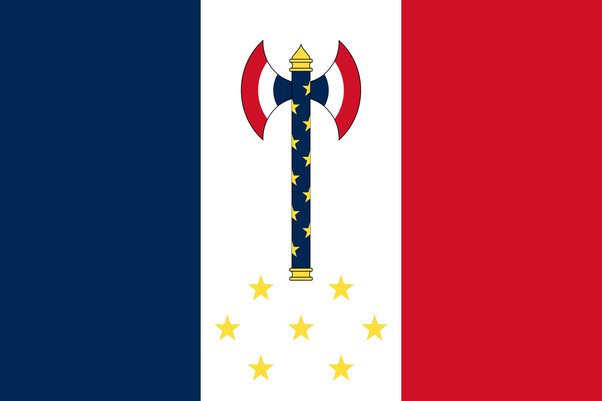
- Vichy France was a deeply conservative, right-wing state. Many conservatives and extreme right-wing Frenchmen saw the Vichy government as a way to reshape France's character, which had been 'destroyed' by the weakness and liberalism of the interwar years.
- The traditional republican motto of Liberté, Égalité, Fraternité was replaced with Travail, Famille, Patrie (work, family, fatherland).
- The Catholic Church supported the Vichy government and assumed a prominent role in the new state. It assisted the German forces in arresting resistance members and those considered a threat to the regime.
- Jews were removed from jobs in the civil service, schools, and the media. In the spring of 1942, the Vichy government began to transport French Jews to extermination camps in Eastern Europe.
- In November 1942, the German Army occupied Vichy France in response to the Allied invasion of North Africa, ending Pétain's regime. At this point, the Milice française began to assist the German occupying forces throughout France.
- Throughout the war, resistance movements in France remained highly active. These resistance fighters comprised various groups who opposed both the Vichy government and the German occupying forces. The French Resistance (La Résistance) received supplies and orders from the Special Operations Executive (SOE) based in England. Allied spies were also parachuted into France to help coordinate resistance activities.
- The Resistance assisted Allied pilots and soldiers in evading capture and carried out attacks and sabotage. Those Resistance members who were captured were tortured and executed.
- In the lead-up to D-Day, 6 June 1944, the French Resistance helped to hinder the German defences by cutting communication lines. The last German forces in Paris surrendered on 25 August 1944, bringing an end to the occupation.

For OL Students - A Short Paragraph on the Vichy State in France
- In 1940, after France was defeated by Germany in World War II, the country was divided into two parts. The northern part, including Paris, was occupied by German forces, while the southern part was governed by a new regime known as Vichy France, led by Marshal Philippe Pétain. Pétain, a hero from World War I, hoped to preserve some independence for France by cooperating with the Nazis. However, this collaborationist government adopted many repressive policies, aligning itself with the Nazis' oppressive and discriminatory measures.
- Vichy France became a conservative, authoritarian state. It replaced the ideals of liberty, equality, and fraternity with a new motto: "Work, Family, Fatherland." Many people in Vichy France, especially conservatives and right-wing supporters, saw this as a chance to reshape France, blaming the previous government for being too weak and liberal. The regime worked closely with the Catholic Church and helped the Nazis by arresting and deporting Jews and resistance fighters to concentration camps.
- Despite the oppressive Vichy regime, many brave French people resisted. The French Resistance, known as "La Résistance," consisted of groups who opposed both the Vichy government and the German occupiers. They carried out acts of sabotage, assisted Allied soldiers, and disrupted German communication lines. Their efforts played a crucial role in the lead-up to D-Day in June 1944, which marked the beginning of the end of Nazi occupation in France.
- By 1944, the tide of war had turned. The Allies invaded France, and the German forces began to retreat. The French Resistance intensified their efforts, and on 25 August 1944, Paris was finally liberated from German control. This marked the end of the Vichy regime and the beginning of France's recovery from the war.