Technology of Warfare (Leaving Cert History): Revision Notes
📚Revision Notes
Technology of Warfare
Whilst key figures and battles make up the majority of crucial content knowledge on World War 2 in the Dictatorship and Democracy unit, it is also important to be able to write on the technology of warfare because, after all, the technology is what made warfare even more dangerous than it had already been, so, in essence, it is a key factor in making war even more dangerous than it already had been. As well as this, advances in technology made countries feel even more secure in their power, so arguably led to even more conflict than ever before. Below are key notes on some of the most significant advances.
Wartime Technology
World War II saw significant advancements in warfare technology, transforming the nature of combat. Innovations in tanks, nuclear weapons, planes, and sonar/radar technology played pivotal roles in the outcomes of battles and the overall war effort.
Tanks
- Early Developments: At the start of the war, tanks were relatively primitive compared to later models. They were crucial for blitzkrieg tactics, particularly for the German Wehrmacht.
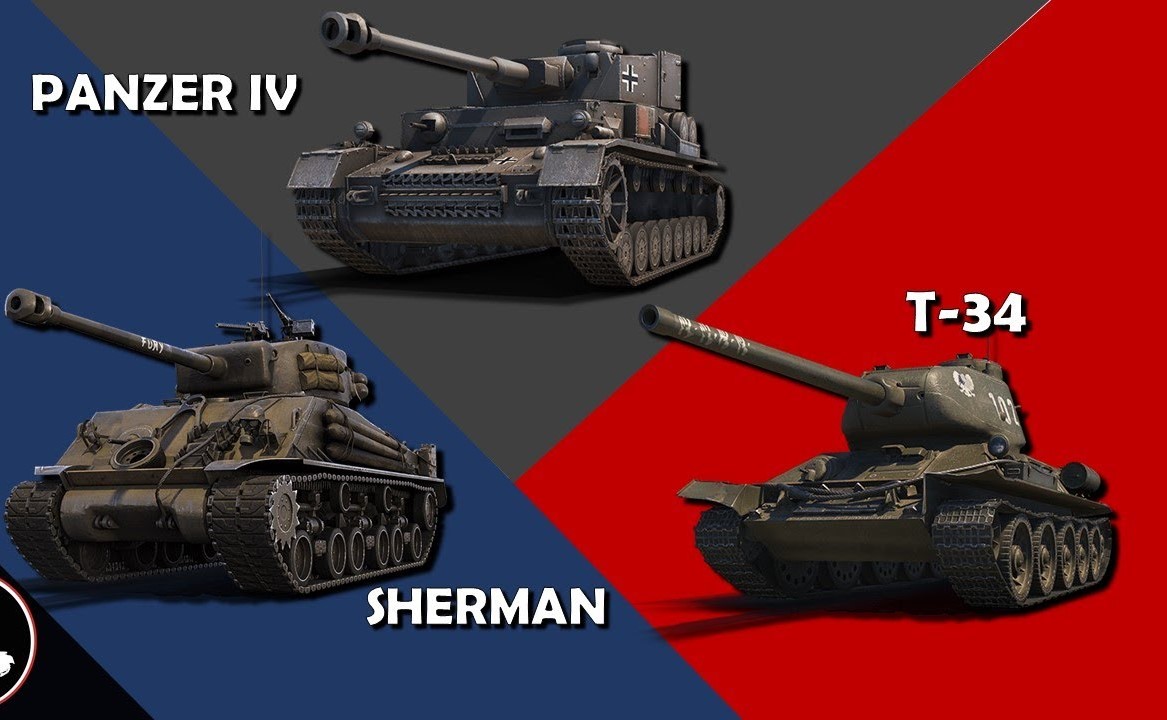
- Panzer IV: One of the most versatile German tanks, the Panzer IV evolved throughout the war with improved armour and firepower. It was a mainstay of the German armoured divisions.
- T-34: The Soviet T-34 tank was revolutionary due to its powerful gun and its sloped armour, which provided better protection. Its mobility and ease of production made it a formidable opponent on the Eastern Front.
- Sherman: The American M4 Sherman was the Allies' workhorse tank. It was reliable, easy to produce, and adaptable to various battlefield roles. While not as powerful as some German tanks, its sheer numbers and mechanical reliability were key to Allied success.
- Tiger and Panther Tanks: Germany developed heavy tanks like the Tiger and Panther, which were superior in firepower and armour. However, their complexity and high production costs limited their numbers.
- Tiger and Panther Tanks: Germany developed heavy tanks like the Tiger and Panther, which were superior in firepower and armour. However, their complexity and high production costs limited their numbers.
The Nuclear Bomb
- The development of the nuclear bomb was one of the most significant technological advancements of the war. The Manhattan Project, a secret Allied endeavour, brought together top scientists to develop the first atomic weapons.
- The culmination of this project was the dropping of two atomic bombs on the Japanese cities of Hiroshima and Nagasaki in August 1945. These bombings led to Japan's surrender and the end of World War II.
- The nuclear bomb introduced a new era of warfare, where the potential for mass destruction altered global military strategies and geopolitical dynamics. It underscored the devastating power of nuclear technology and set the stage for the Cold War.
Planes
-
At the outset, biplanes and early monoplane fighters were common. The Battle of Britain highlighted the importance of air superiority, with aircraft like the British Spitfire and Hurricane proving crucial.
-
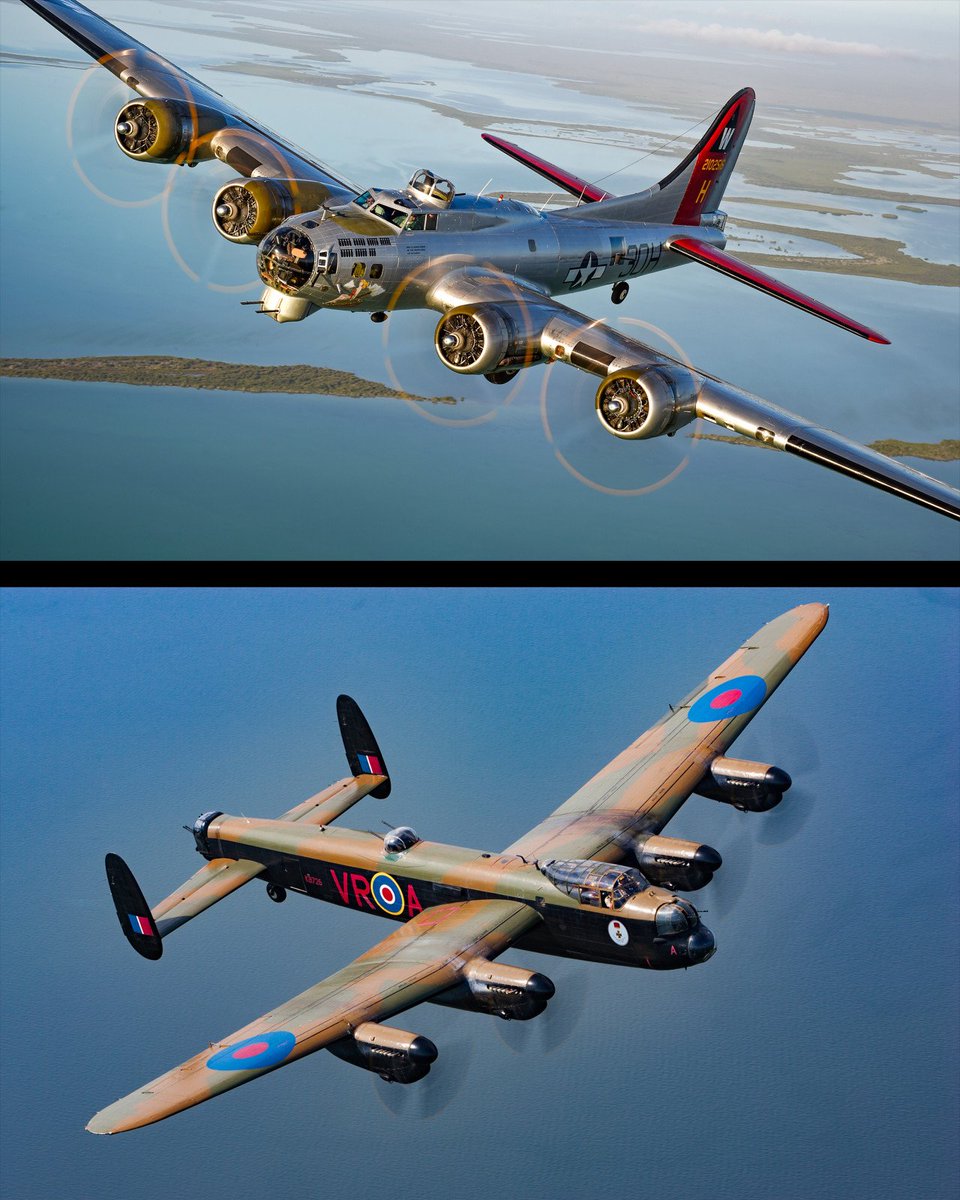
Long-range bombers, such as the American B-17 Flying Fortress and the British Avro Lancaster, were developed to carry out strategic bombing campaigns against enemy industrial and civilian targets.
-
By the war's end, jet-powered aircraft like the German Messerschmitt Me 262 had been developed. These planes were much faster and more advanced than propeller-driven aircraft, but they came too late to significantly alter the war's outcome.
-
The war in the Pacific emphasised the importance of aircraft carriers and their planes, such as the American F6F Hellcat and TBF Avenger, which played crucial roles in battles like Midway.
Sonar and Radar
- The development and use of radar technology were critical for detecting enemy aircraft and ships. The British Chain Home radar system was instrumental in the Battle of Britain, allowing the RAF to effectively intercept incoming Luftwaffe raids.
- Sonar technology, used primarily in naval warfare, helps detect submarines. The development of ASDIC (Allied Submarine Detection Investigation Committee) sonar improved the Allies' ability to locate and destroy German U-boats, crucial in the Battle of the Atlantic.
- Both radar and sonar technologies became more sophisticated throughout the war, with better range, accuracy, and reliability. These advancements provided significant strategic advantages in both the European and Pacific theatres.
A Deeper Dive: How Wartime Technology Improvements Contributed to Greater Violence
- Advances in wartime technology during World War II fundamentally transformed the nature of warfare, contributing significantly to the strategies, tactics, and outcomes of battles. The development of tanks like the Soviet T-34 and German Panzer IV revolutionised ground combat with improved mobility, firepower, and armour. These tanks enabled rapid, decisive movements and blitzkrieg tactics, altering the pace and style of land battles.
- The introduction of the nuclear bomb through the Manhattan Project marked a profound shift in warfare, bringing about an unprecedented level of destruction. The bombings of Hiroshima and Nagasaki led to Japan's surrender, showcasing the bomb's capability to end conflicts swiftly but with immense human cost. This development also initiated a new era of nuclear deterrence and arms races during the Cold War.
- Aircraft advancements played a crucial role, with fighters like the British Spitfire securing air superiority, while long-range bombers such as the B-17 conducted strategic bombing campaigns that targeted enemy infrastructure and morale. The evolution of jet fighters by war's end hinted at the future of aerial combat.
- Radar and sonar technologies were vital in detecting and intercepting enemy forces, significantly impacting naval and aerial engagements. Radar allowed for early warning and effective coordination during the Battle of Britain, while sonar improved anti-submarine warfare, crucial in the Battle of the Atlantic.
- These technological advancements not only determined the outcomes of key battles but also reshaped military strategy, leading to more sophisticated and integrated approaches to warfare.