Focus on: Gerry Adams (Leaving Cert History): Revision Notes
📚Revision Notes
Focus on: Gerry Adams
- Gerry Adams was born in 1948 in Belfast, Northern Ireland, into a strongly republican family with deep connections to the Irish independence movement.
- He became involved in republican politics as a young man, joining Sinn Féin and the Irish Republican Army (IRA) during the early years of the Troubles.
- Adams was one of the most prominent leaders of Sinn Féin, the political wing of the IRA, and played a crucial role in shifting the party from militant republicanism towards a more political approach.
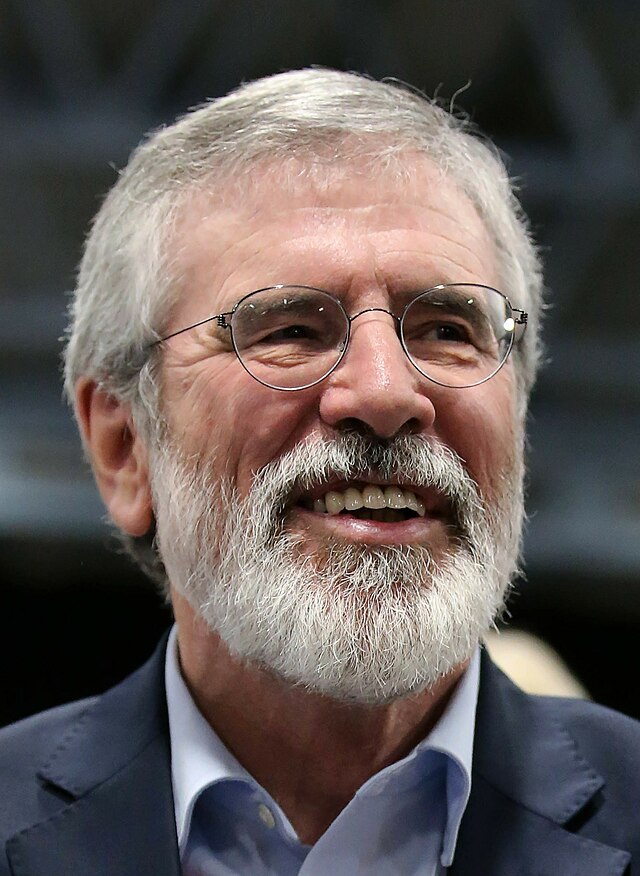
- Despite allegations of involvement with the IRA, which Adams has always denied, he was instrumental in negotiating ceasefires with the British government during the 1990s.
- Adams was a key architect of the Good Friday Agreement in 1998, which helped end the Troubles by establishing a power-sharing government in Northern Ireland.
- His "Armalite and ballot box" strategy, combined armed struggle with political engagement, was controversial but ultimately led to Sinn Féin's rise as a significant political force.
- Under Adams' leadership, Sinn Féin grew in political influence, becoming one of the largest nationalist parties in Northern Ireland and participating in the Northern Ireland Assembly.
-
Adams worked closely with figures like John Hume of the SDLP and British Prime Minister Tony Blair to negotiate peace, showing a willingness to compromise that was crucial to the peace process's success.
-
He served as President of Sinn Féin from 1983 to 2018, leading the party through some of its most significant transformations and helping to steer it away from violence.
-
Adams played a major role in promoting Sinn Féin's participation in electoral politics in both Northern Ireland and the Republic of Ireland, making the party a cross-border political force.
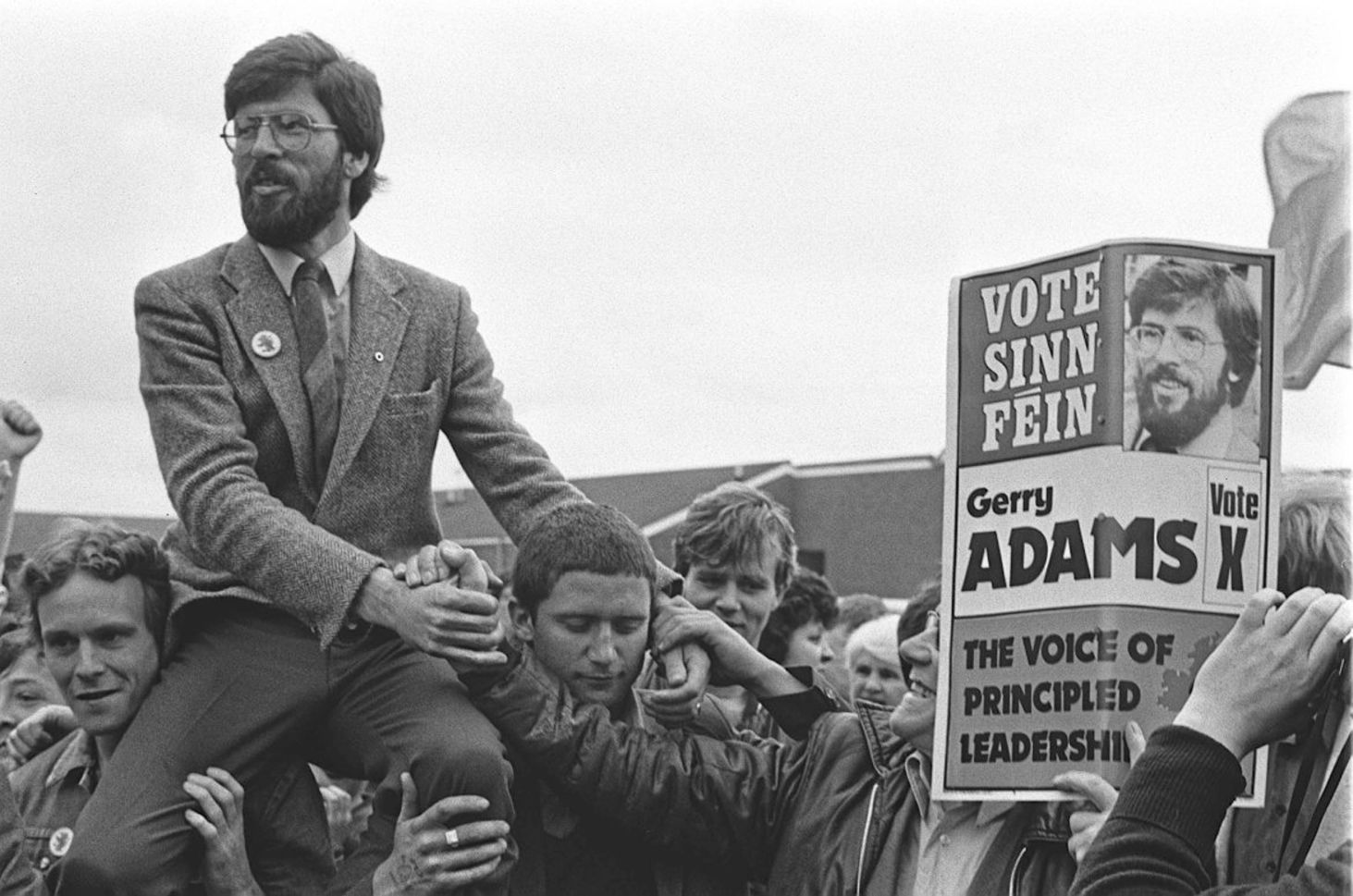
- His leadership was critical during the peace process, as he helped to persuade the IRA to decommission its weapons and end its armed campaign.
- Adams' involvement in the peace process earned him both praise and criticism. Many saw him as a peacemaker, but due to his past associations, he remained a deeply polarising figure.
-
After stepping down as Sinn Féin leader in 2018, Adams left a significant legacy as one of the key figures who transformed Northern Irish politics and played a vital role in the transition from conflict to peace.
-
Adams' efforts to bridge the divide between unionists and nationalists and to promote Irish unity through peaceful means continue to influence Sinn Féin's policies and the broader political landscape in Northern Ireland.