Focus on: James Molyneaux (Leaving Cert History): Revision Notes
📚Revision Notes
Focus on: James Molyneaux
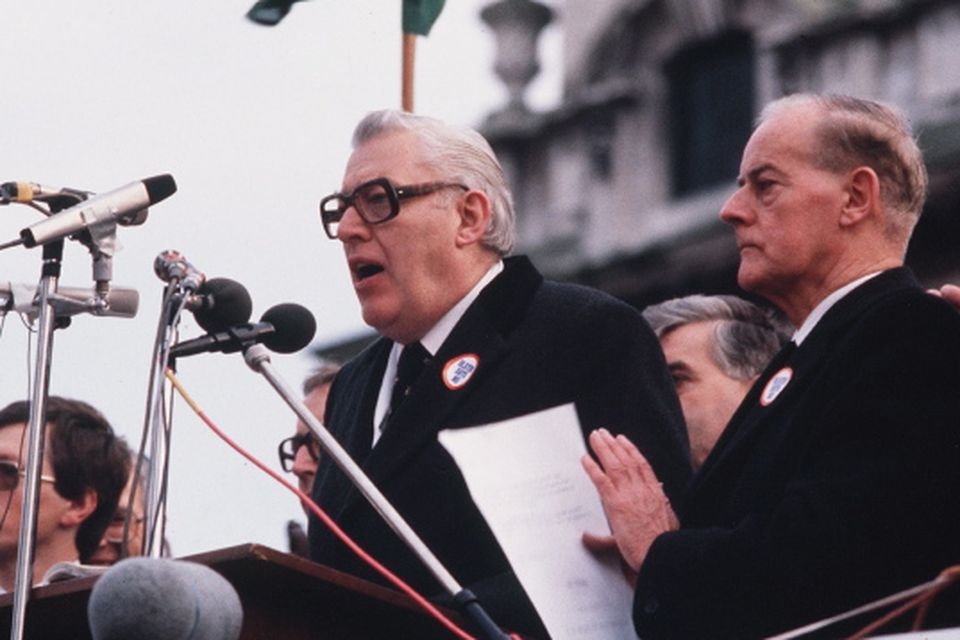
- James Molyneaux was a prominent Unionist politician and leader of the Ulster Unionist Party (UUP) from 1979 to 1995, making him one of the party's longest-serving leaders.
- Molyneaux was known for his moderate and cautious approach to unionism. He often prioritised stability and maintaining the union between Northern Ireland and Great Britain over more radical measures.
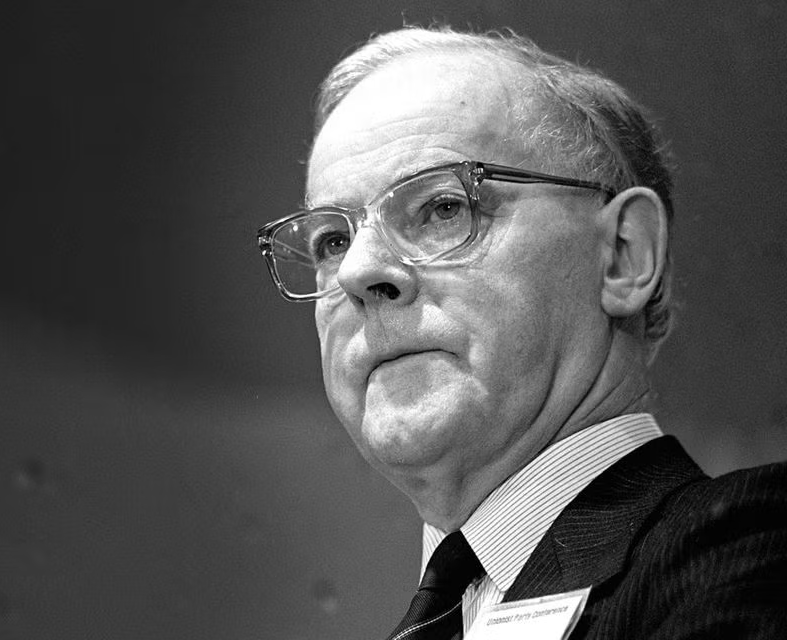
- During his leadership, Molyneaux strongly opposed the Anglo-Irish Agreement of 1985, which allowed the Irish government an advisory role in Northern Ireland's governance. He believed the agreement undermined Northern Ireland's position within the United Kingdom.
- Molyneaux played a key role in uniting unionist opposition to the Anglo-Irish Agreement, leading mass protests and coordinating with other unionist parties. However, his opposition did not succeed in overturning the agreement.
- He was a staunch supporter of direct rule from Westminster, believing that Northern Ireland's best interests were served by being governed directly by the British government rather than through local power-sharing arrangements.
- Molyneaux was critical of power-sharing proposals involving nationalist participation, viewing them as threats to Northern Ireland's union with Britain and concessions to republicanism.
- His leadership style was often described as low-key and pragmatic. He focused on maintaining unity within the UUP and among the broader unionist community.
- Under Molyneaux's leadership, the UUP maintained its position as the largest unionist party in Northern Ireland. However, it faced growing competition from the more hardline Democratic Unionist Party (DUP) led by Ian Paisley.
- Molyneaux's tenure saw the UUP struggle to adapt to the changing political landscape, particularly as the peace process began to gain momentum in the 1990s, which some criticised as lacking in dynamic leadership.
- Despite his opposition to the Anglo-Irish Agreement, Molyneaux eventually supported dialogue with the British government, though he remained wary of the Irish government's involvement in Northern Ireland's affairs.
- He was a strong advocate for unionist unity and often sought to minimise divisions within the unionist camp, seeing these as detrimental to the broader unionist cause.
- Molyneaux retired as UUP leader in 1995, shortly before the start of the formal peace talks that would lead to the Good Friday Agreement. His departure marked the end of an era of more traditional unionist leadership.
- His leadership is often viewed as a period of consolidation for unionism, but it also left the UUP somewhat unprepared for the dramatic changes that were to come in the late 1990s.
- After stepping down, Molyneaux remained a respected elder statesman within unionism, although his legacy was somewhat overshadowed by the rapid political changes that followed his retirement.