Focus on: John Hume (Leaving Cert History): Revision Notes
📚Revision Notes
Focus on: John Hume
- John Hume was born in Derry/Londonderry in 1937 and became one of the most significant figures in Northern Ireland's political history, especially during the Troubles.
- He initially trained to become a priest but later decided to pursue a career in teaching. He also became involved in the credit union movement, helping to set up the first credit union in Derry.
- Hume was a founding member of the Civil Rights Movement in Northern Ireland during the 1960s, which sought to address the discrimination faced by Catholics in areas like housing, employment, and voting rights.
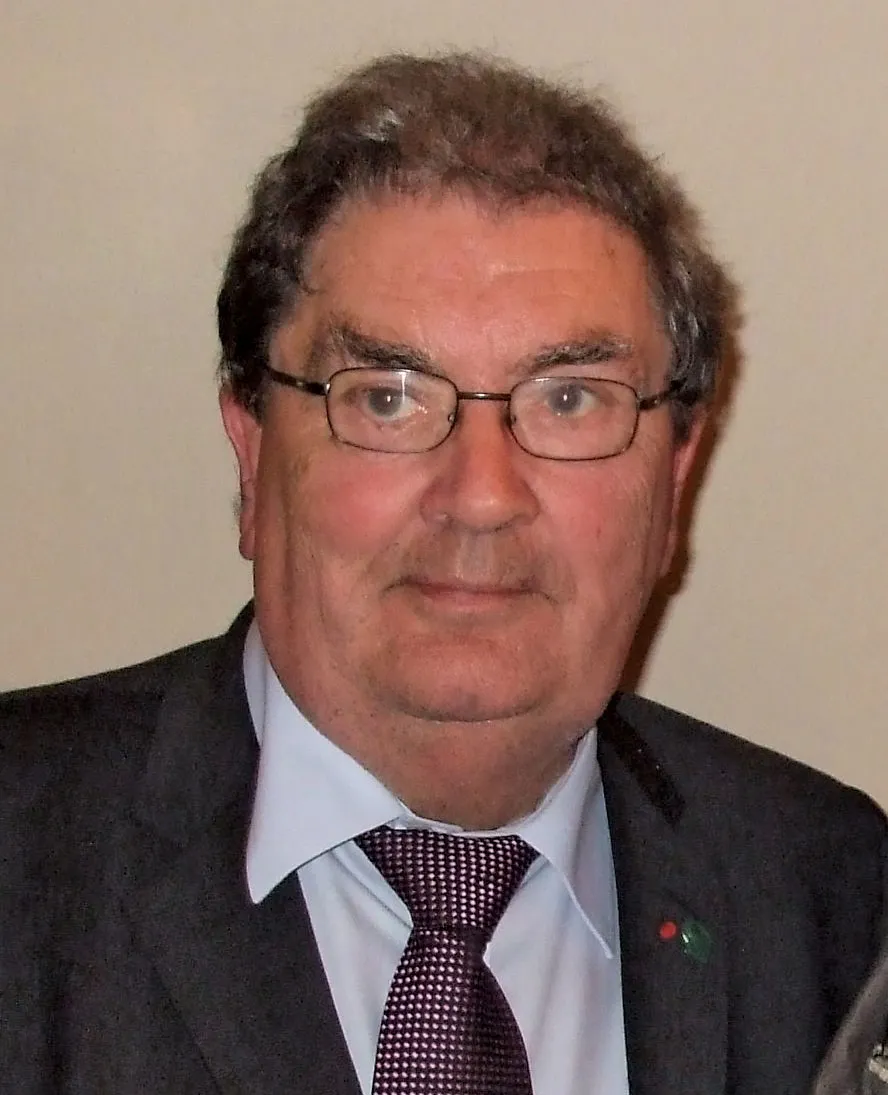
- In 1970, Hume co-founded the Social Democratic and Labour Party (SDLP), which aimed to represent the nationalist community through peaceful and democratic means, opposing the violence of the IRA.
- As leader of the SDLP from 1979 to 2001, Hume consistently advocated for non-violence and dialogue as the only way to achieve political progress in Northern Ireland.
- Hume was instrumental in the development of the Sunningdale Agreement in 1973, which introduced the concept of power-sharing and cross-border cooperation, even though the agreement eventually collapsed.
- During the 1980s and 1990s, Hume played a crucial role in fostering dialogue between nationalist and unionist leaders, as well as between the British and Irish governments, laying the groundwork for future peace agreements.
- Hume's efforts to engage with Sinn Féin, the political wing of the IRA, were controversial but crucial in bringing about the Good Friday Agreement in 1998, which ended most of the violence of the Troubles.
- He strongly believed in the principle of self-determination and argued that the people of Northern Ireland should have the right to decide their own future through peaceful means.
- Hume's emphasis on the importance of the European Union and international support helped to bring broader attention to the Northern Ireland conflict and its resolution.
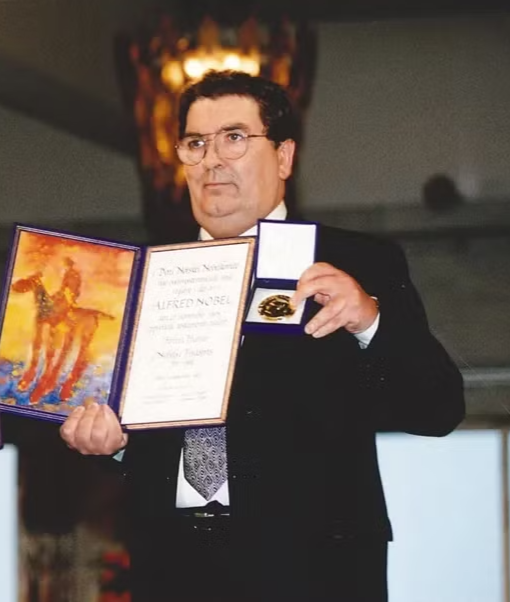
- He was awarded the Nobel Peace Prize in 1998, along with David Trimble, for their efforts to achieve a peaceful resolution to the conflict in Northern Ireland through the Good Friday Agreement.
- Hume's legacy is that of a peacemaker who tirelessly pursued dialogue, compromise, and respect for all communities in Northern Ireland, believing that lasting peace could only be achieved through cooperation and understanding.
- Even after his retirement from politics, Hume remained an influential figure and is widely regarded as one of the key architects of the peace process in Northern Ireland.
- Hume passed away in 2020, but his vision of peace, equality, and justice continues to inspire people in Northern Ireland and around the world.