Focus on: Margaret Thatcher (Leaving Cert History): Revision Notes
📚Revision Notes
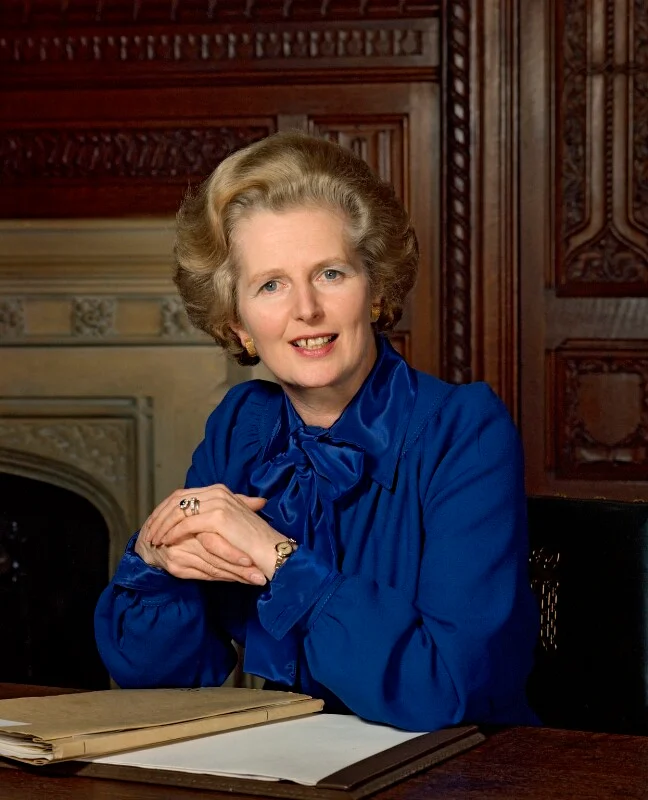
Focus on: Margaret Thatcher
- Margaret Thatcher was born in 1925 in Grantham, England, and became the first female Prime Minister of the United Kingdom, serving from 1979 to 1990.
- Known as the "Iron Lady" for her strong-willed and uncompromising leadership style, Thatcher was a dominant figure in British politics during the 1980s.
- She was a leader of the Conservative Party. She implemented economic policies known as Thatcherism, which focused on reducing the power of trade unions, privatising state-owned industries, and promoting free-market capitalism.
- Thatcher's government faced significant opposition from trade unions, particularly during the Miners' Strike of 1984-85, which was a major and contentious event in British history.
- In Northern Ireland, Thatcher is remembered for her hardline stance against the IRA and other paramilitary groups, particularly during the Hunger Strikes of 1981, where ten republican prisoners died, including Bobby Sands.
- Thatcher refused to grant the hunger strikers' demands for political status, arguing that they were criminals, not political prisoners. This stance made her a deeply divisive figure in Northern Ireland.
- She survived an assassination attempt by the IRA in 1984 when they bombed the Grand Hotel in Brighton during the Conservative Party Conference, killing five people and injuring many others.
- Thatcher was a key figure in the signing of the Anglo-Irish Agreement in 1985, which gave the Republic of Ireland a consultative role in Northern Ireland's governance for the first time, angering many unionists.
- The Anglo-Irish Agreement marked a significant step towards peace in Northern Ireland, but it also led to widespread protests among unionists who felt betrayed by the British government.
- Domestically, Thatcher is credited with transforming the British economy, but her policies also led to increased unemployment and social unrest in many parts of the UK, particularly in industrial regions.
- Her decision to go to war with Argentina over the Falkland Islands in 1982 was a defining moment of her premiership, leading to a decisive British victory that bolstered her popularity.
- Thatcher was a staunch opponent of the European Community's increasing influence over British affairs, leading to tensions within her party and her eventual downfall in 1990 after losing the support of key Conservative Party members.
- She remains a highly controversial figure in British and Irish history, revered by some for her leadership and economic reforms but criticised by others for the social divisions and unrest her policies exacerbated.
- Thatcher's legacy continues to influence British politics, and she is often cited as one of the most significant and polarising figures in 20th-century British history.