Haughey Meets Thatcher (Leaving Cert History): Revision Notes
📚Revision Notes
Haughey Meets Thatcher
-
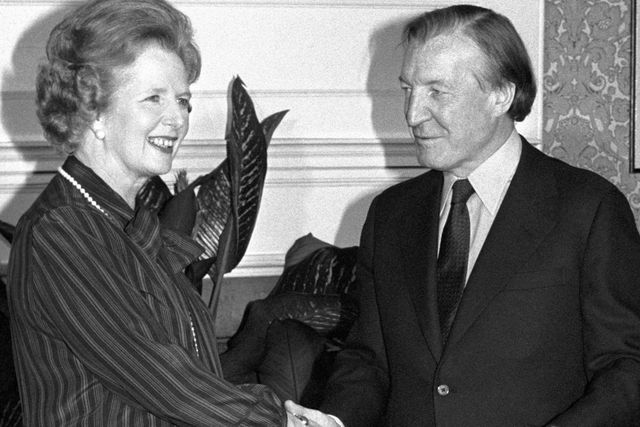
In May 1980, the Irish Taoiseach, Charles J. Haughey, met with British Prime Minister Margaret Thatcher in London to discuss the ongoing political situation in Northern Ireland.
-
Haughey, who had previously been linked to the Arms Crisis in 1970, was known for his strong opposition to partition.
-
He believed that any resolution to the conflict in Northern Ireland would require close cooperation between the British and Irish governments.
-
This initial meeting with Thatcher was relatively productive, and Haughey managed to convince her that the future of Northern Ireland could not be settled without Irish input.
-
The two leaders met again in December 1980 in Dublin to continue their discussions. However, after this second round of talks, Haughey claimed that Thatcher had agreed to consider ending partition, a claim that she quickly denied.
-
Thatcher's dismissal of Haughey's comments strained Anglo-Irish relations, especially as tensions were already rising due to the beginning of the H-Block hunger strikes by IRA prisoners in the Maze Prison.
-
These strikes were a response to the British government's refusal to grant the prisoners Special Category Status, which had been a significant issue in the lead-up to the meetings between Haughey and Thatcher.
The Phasing Out of Special Category Status and the Lead-Up to Hunger Strikes
-
In 1976, British Secretary of State for Northern Ireland Merlyn Rees announced the phasing out of Special Category Status (SCS) for paramilitary prisoners.
-
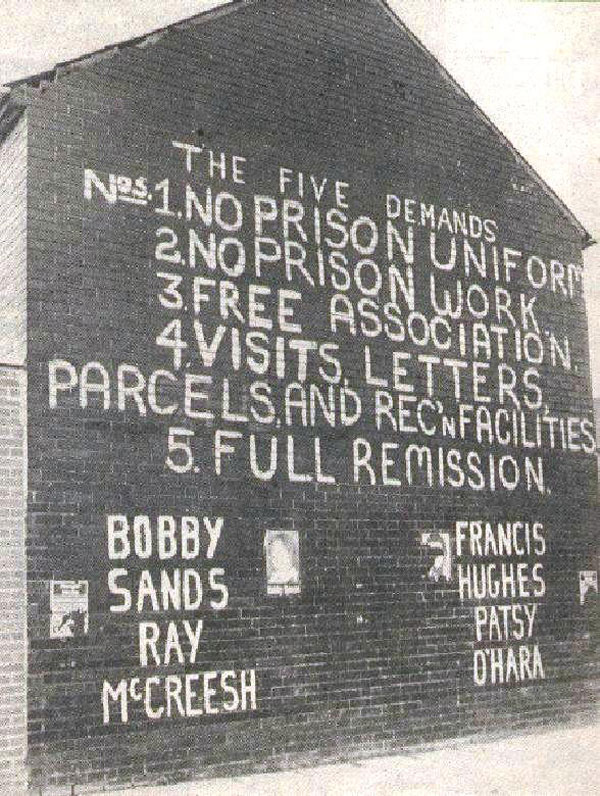
This status had allowed IRA prisoners to be treated similarly to prisoners of war, meaning they did not have to wear prison uniforms, do prison work, or follow the same rules as ordinary criminals.
-
The decision to end SCS was part of the British government's effort to treat all prisoners the same, thereby undermining the IRA's claims that its members were political prisoners fighting a legitimate war.
-
The phasing out of SCS led to a series of protests by IRA prisoners, who felt they were being unjustly treated as common criminals.
-
The prisoners demanded the right to wear their own clothes, avoid prison work, and be exempt from degrading tasks like emptying their own toilets. In response to the removal of SCS, IRA prisoners initiated several protests:
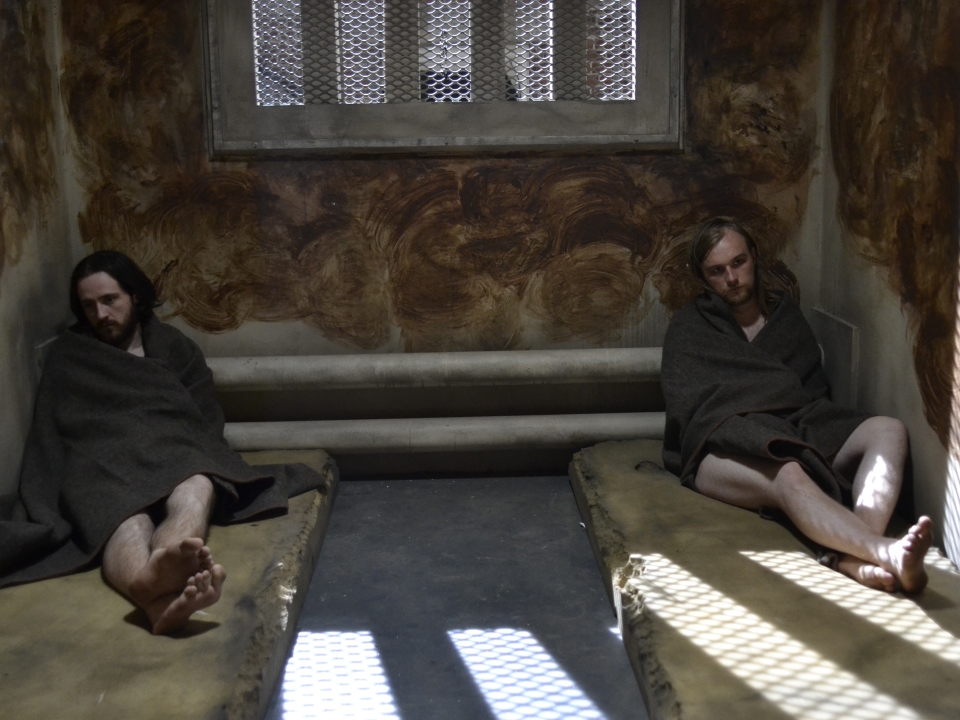
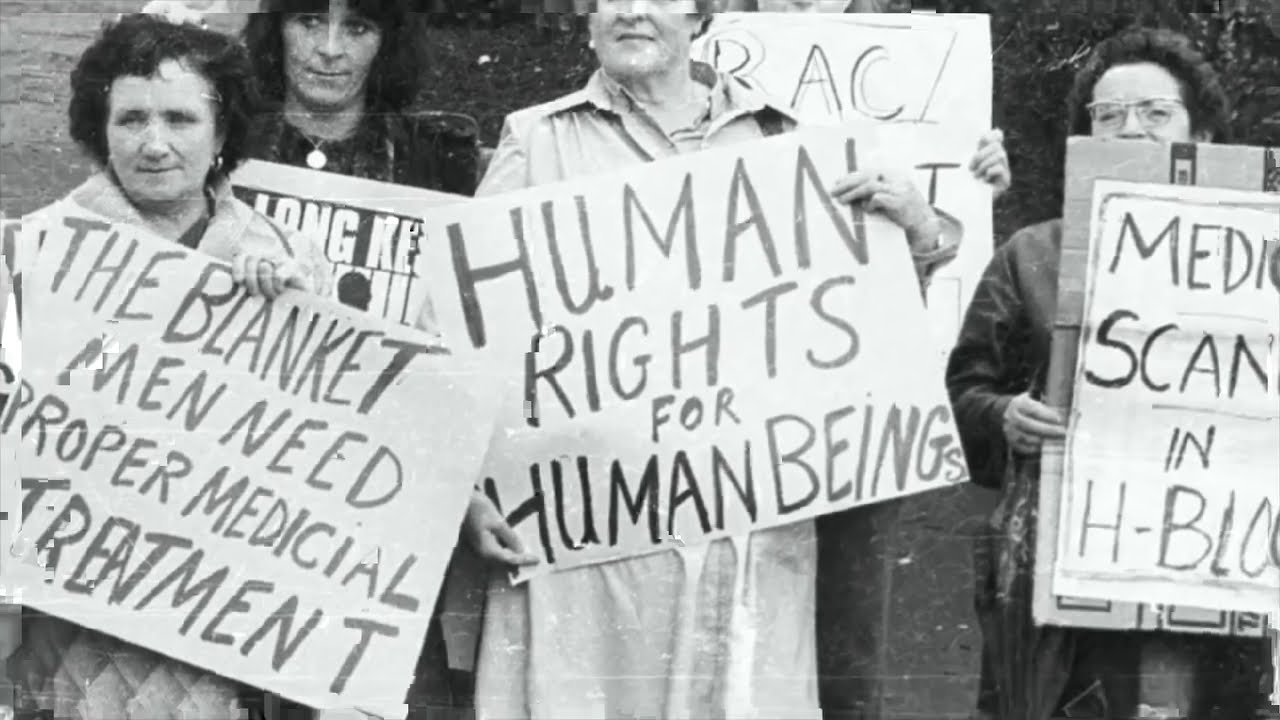
- Blanket protest: Prisoners refused to wear prison uniforms and instead covered themselves with blankets, leading to the confiscation of their personal items.
- Dirty protest: Refusing to clean themselves or their cells, prisoners smeared their excrement on the walls of their cells as a form of protest.
- Hunger strike: Beginning in October 1980, a group of prisoners went on hunger strike, demanding the restoration of SCS measures, particularly the right to wear their own clothes. This strike ended after 53 days without success, as the prisoners believed their demands would be met but were ultimately not.
How Thatcher's Actions Angered the Hunger Strikers
- Margaret Thatcher's firm stance against the IRA's demands for political status greatly angered the hunger strikers and their supporters.
- Thatcher was determined to treat the prisoners as ordinary criminals rather than political prisoners, refusing to grant them any special privileges.
- This approach was part of her broader strategy to delegitimise the IRA's campaign by denying that its members were engaged in a legitimate political struggle.
- Thatcher's refusal to concede to the prisoners' demands during the H-Block hunger strikes of 1980 and 1981 was seen by many in the nationalist community as a symbol of British intransigence and cruelty.
- As the hunger strikes continued and the health of the prisoners deteriorated, Thatcher's uncompromising stance only served to galvanise support for the IRA within the nationalist community, both in Northern Ireland and internationally.
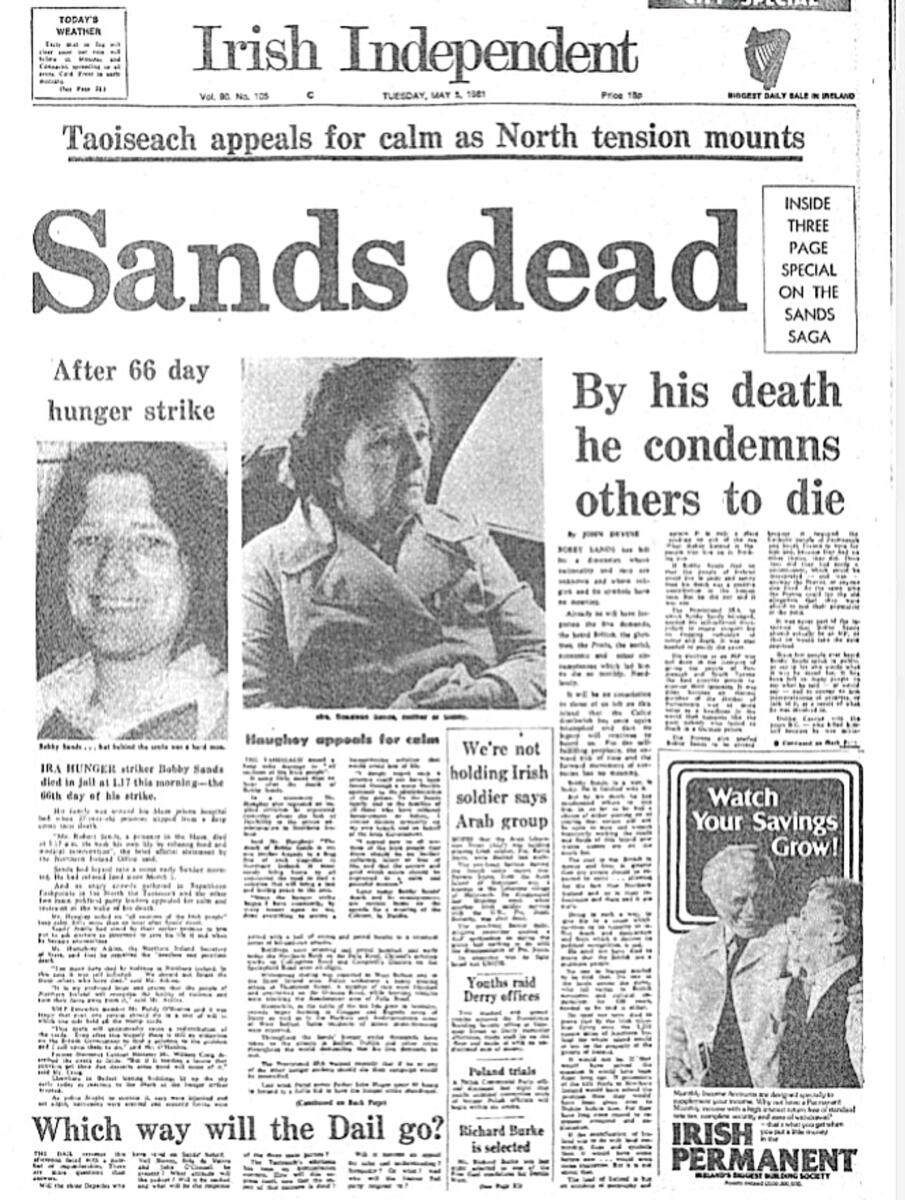
- The death of Bobby Sands, the first hunger striker to die, further inflamed tensions, leading to widespread protests and increased violence.
- Thatcher's actions, while intended to demonstrate the British government's resolve, instead intensified the conflict, turning the hunger strikers into martyrs and strengthening the IRA's cause.
- Her approach ultimately led to a hardening of attitudes on both sides, making any form of compromise more difficult to achieve.