The Significance of the Congress (Leaving Cert History): Revision Notes
📚Revision Notes
The Significance of the Congress
When answering about the Congress, it is important to be able to discuss its significance and aftermath. Below is a series of brief bullet notes that will help make studying the consequences of the Congress simple.
-
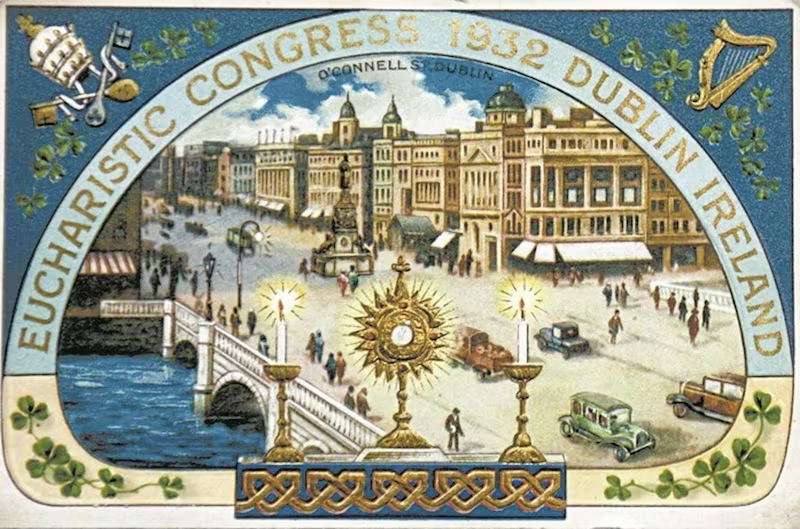
The Eucharistic Congress passed without any issues, with even the weather cooperating—blue skies and sunshine showcased Ireland at its best.
-
Everyone agreed that the event was a great success, and most Irish people were immensely proud that the country had hosted such a large international event.
-
The Congress generated a level of enthusiasm among the Irish people that was unparalleled in twentieth-century Ireland.
- The Eucharistic Congress holds historical significance for several reasons:
- It placed the new Irish Free State on the world stage. The Congress demonstrated to the world that the Irish Free State could organise a large international event efficiently. It highlighted the new state's success and helped consolidate Irish sovereignty.
- The significance of the Irish diaspora was highlighted, with many prominent pilgrims arriving from the USA, particularly those who were Irish-born or of immediate Irish descent. This was their first trip to their ancestral homeland since independence for many Irish Americans.
- The Congress helped to heal the wounds from the Civil War. The Garda Síochána and the army carried out their duties, taking orders from ministers who had taken up arms against them just ten years before. Politically, the event was quite remarkable regarding the harmonious relations between all sections of the Irish political establishment and the Catholic Church.
-
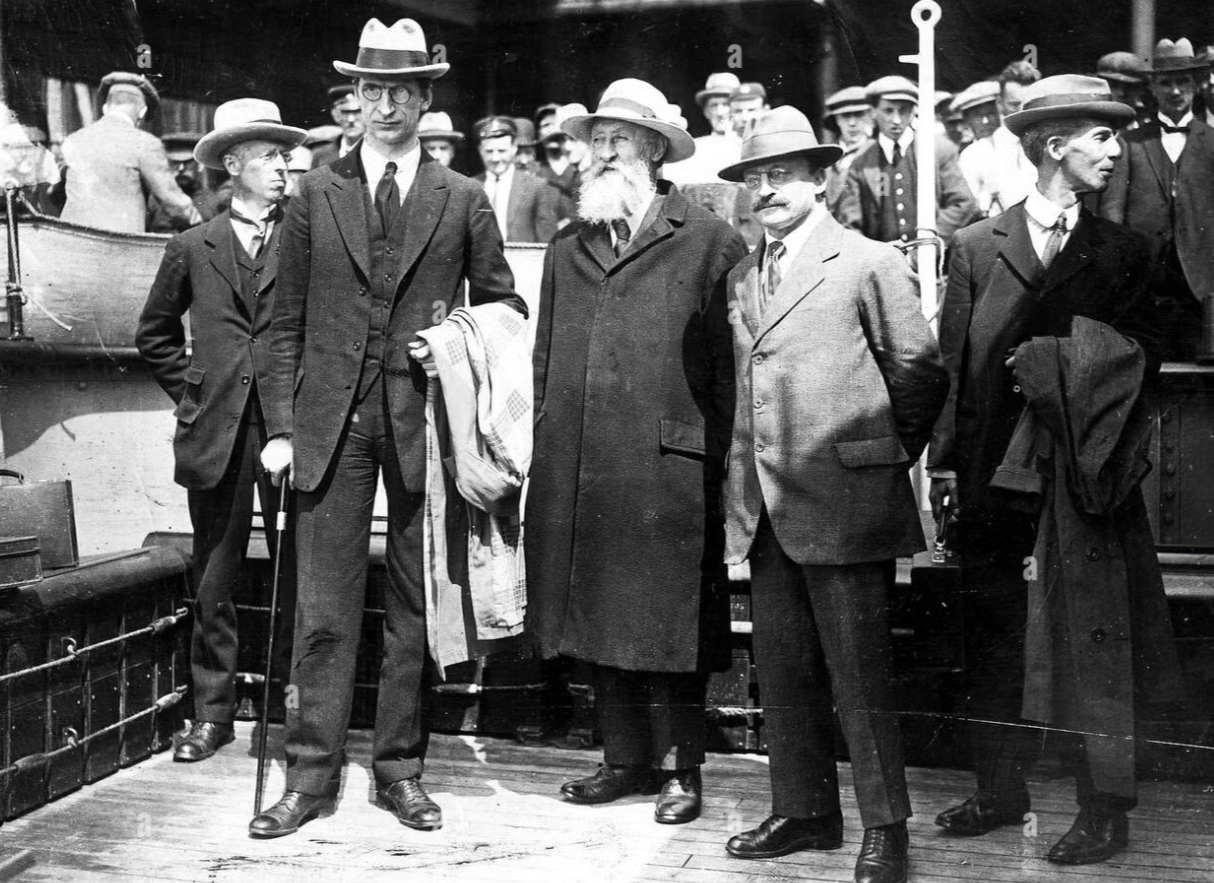
The Congress was particularly significant for Éamon de Valera and Fianna Fáil. It helped them to bury any memory of their excommunication from the Catholic Church and the accusations of communism made during the elections.
- De Valera maintained a high profile throughout the Congress, greeting the Papal Legate, speaking at formal events, and attending most proceedings. By doing so, he demonstrated his loyalty to the Catholic Church, strengthening his political appeal in Catholic Ireland.
- Indeed, six months after the Congress, de Valera called a snap election, the results of which allowed him and Fianna Fáil to lead a majority government. Fianna Fáil remained in office until 1948.
-
The Congress also led to closer relations between the state and the Church. After the Congress, the government seemed more willing to enforce the Catholic moral code than Cumann na nGaedheal had been, outlawing contraceptives and enshrining the ban on divorce in the constitution.