Cumann Na nGaedheal and Irish Society (Leaving Cert History): Revision Notes
📚Revision Notes
Cumann Na nGaedheal and Irish Society
Questions on Cumann Na nGaedheal will not only centre around their economic policies. Knowing about the various social changes that Ireland underwent during their tenure in power will help strengthen your answers and add much more context to your writing. This will be sure to impress your examiner!
Cumann na nGaedheal's Approach to Education and the Irish Language
When Cumann na nGaedheal came to power in the Irish Free State (1922-1932), one of their main goals was to create an education system that reflected the new nation's identity. They believed that education was key to building a strong, independent Ireland. A big part of this was promoting the Irish language, which they saw as a central part of Ireland's culture and history.
Education Policy
- The government wanted to move away from the British education system that had been in place before independence.
- Richard Mulcahy, the Minister for Education from 1927 to 1932, focused on expanding schools and improving literacy, especially in rural areas.
- The idea was to create a system that would teach students about Irish culture and history, helping them feel proud of their country.
- However, there were challenges. The government didn't have a lot of money to spend on education, so improving schools and training teachers was difficult.
- Also, most schools were run by the Catholic Church, which meant that the government didn't have full control over what was taught. The Church had a strong influence, particularly when it came to teaching religion and morals.
Promoting the Irish Language
- The government made the Irish language a compulsory subject in schools. They wanted students to learn Irish so that it would become widely spoken again.
- However, not all teachers were fluent in Irish, and there weren't enough resources like books and teaching materials in Irish.
- In areas where people mainly spoke English, there was some resistance to learning Irish because people didn't see it as very useful for getting jobs or in everyday life.
- While the government made efforts to promote Irish, the results were mixed. In some areas, the Irish gained popularity, but in others, English remained dominant.
- Still, the focus on Irish language and culture in schools was an important step in trying to revive Ireland's Gaelic heritage.
Cumann na nGaedheal's Approach to Irish Culture and Society
Besides focusing on education, Cumann na nGaedheal also wanted to shape Irish culture and society in a way that would strengthen the new nation's identity. They believed that promoting a distinctively Irish culture was crucial for building a strong, independent state.
Irish Language and Culture
-
The government worked hard to promote the Irish language not just in schools but in all aspects of public life.
- They supported organisations like the Gaelic League, which was dedicated to reviving Irish
- They also ensured that public signs, official documents, and place names were in Irish. Civil servants (people working in government) were encouraged to learn and use Irish.
-
However, it wasn't easy to make Irish the main language. Most people still spoke English, especially in cities, and many didn't see the need to switch to Irish.
-
Despite these challenges, Cumann na nGaedheal's efforts laid the foundation for future governments to continue promoting Irish culture and language.
Preserving National Heritage
- The government also wanted to protect and celebrate Ireland's history and traditions.
- They set up the National Monuments Advisory Council to look after historical sites and monuments.
- They also supported Irish music, dance, and literature, encouraging people to take pride in their cultural heritage. This was part of a broader effort to make Ireland's identity strong and unique.
Societal Changes and Challenges
- Cumann na nGaedheal's social policies were heavily influenced by the Catholic Church, which played a big role in Irish society at the time.
- The government worked closely with the Church on issues like health, welfare, and family life, reflecting the Church's conservative views on morality and social order.
- Because of this close relationship, the government often didn't address social problems that didn't align with the Church's teachings.
- For example, issues like poverty, housing shortages, and the treatment of women were often seen through a moral or religious lens rather than with more modern social policies.
- This meant that certain aspects of Irish society, such as attitudes towards women's roles and family life, remained very traditional and slow to change.
Censorship and Media Control
-
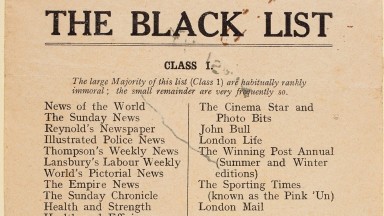
The government introduced the Censorship of Publications Act 1929 to maintain what they saw as public morality.
-
This allowed them to ban books, newspapers, and other publications they considered immoral or dangerous.
-
This act reflected the government's conservative values and greatly impacted what could be published and read in Ireland.
-
Cumann na nGaedheal's efforts to create a unified Irish culture were clear, but their policies were often held back by the conservative values of the time and the strong influence of the Catholic Church.
-
While they contributed important to promoting Irish culture and language, their approach was sometimes limited by their focus on maintaining traditional social values.