Sir Basil Brooke and the Strategic Importance of Northern Ireland (Leaving Cert History): Revision Notes
📚Revision Notes
Sir Basil Brooke and the Strategic Importance of Northern Ireland
The Strategic Importance of Northern Ireland
- Northern Ireland was strategically important to the United Kingdom during World War II.
- Due to the Irish Free State's neutrality, the British could not use Southern ports, making Northern Ireland crucial for Atlantic convoys and the defence of Allied shipping routes.
- German planes and submarines were a constant threat in the Atlantic, and Northern Ireland provided essential bases for the Royal Navy and Royal Air Force (RAF).
- The RAF established an airfield in Derry, and the airfield at Aldergrove was expanded to accommodate anti-submarine and long-range fighter squadrons. These operations were conducted from bases in Belfast, Derry, and Larne.
- British Prime Minister Winston Churchill acknowledged Northern Ireland's critical role, noting that the nation faced the full force of the German attack and the blockade that cut off supplies to British ports.
- However, Northern Ireland's loyalty ensured that the British could maintain access to essential shipping routes, which was vital for bringing in food and weapons. This strategic position was one of the few channels left open to Britain during the war.
American Troops in Northern Ireland
-
Even before the United States officially entered the war in December 1941, American troops began arriving in Northern Ireland.
-
They were initially involved in setting up crucial infrastructure, such as building a naval base in Derry.
-
Magee College in Derry was also a communications headquarters for the entire European theatre.
-
By 1942, around 300,000 American troops had passed through Northern Ireland, preparing for campaigns in Europe and Africa.
-
The presence of American soldiers had a significant cultural impact on Northern Ireland. The Americans introduced new products like chewing gum, nylon stockings, and sports like American football and baseball.
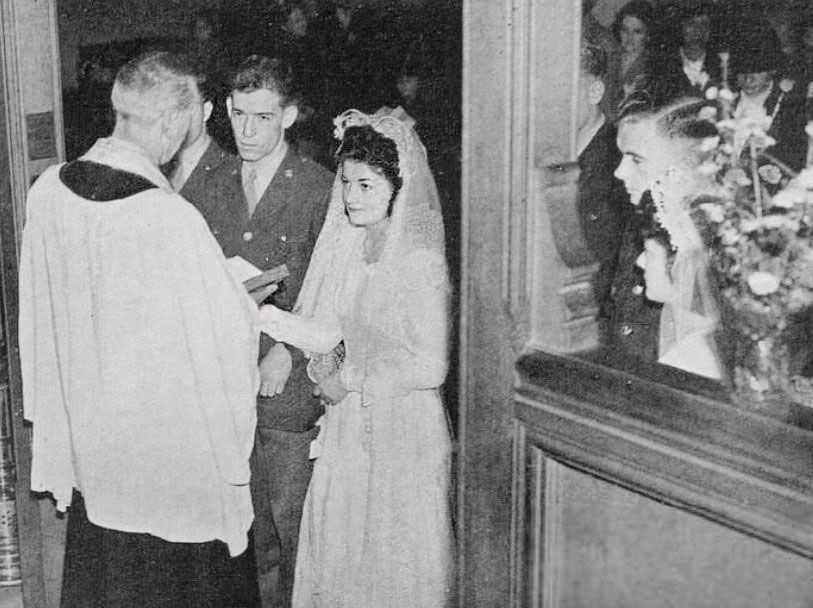
- Social events, including fundraising games held in Belfast, helped raise money for local hospitals and orphans. Additionally, around 2,000 women from Northern Ireland, often referred to as "GI Brides," married American soldiers and emigrated to the United States at the end of the war.
- The arrival of African American soldiers in Northern Ireland sparked curiosity among locals, many of whom had never encountered Black people before.
-
One memorable incident involved an African American soldier in a shop in Co. Armagh, who was surprised when a young lady addressed him as "Sir"—a term of respect he was not accustomed to in the racially segregated United States.
-
This anecdote illustrates the social and cultural exchanges that occurred between the American troops and the people of Northern Ireland.
A New Prime Minister: Sir Basil Brooke, 1943
-
The Belfast bombing raids and growing criticism of the Northern Ireland government led to significant political changes. In December 1941, Ulster Unionists lost a by-election in Belfast to Harry Midgley of the Northern Ireland Labour Party (NILP), a sign of declining support.
-
In the spring of 1942, the situation worsened as IRA activity increased, including an ambush in Kashmir Street. Additionally, many industries' poor morale and working conditions led to widespread strikes, including a significant one in September 1942, where 10,000 workers in aircraft factories refused to work Sunday shifts.
-
By February 1943, another by-election in Belfast West saw the Unionists lose again, this time to Jack Beattie of the NILP. The Unionist Party, led by J.M. Andrews, appeared unable to handle the growing unrest.
-
In April 1943, Unionist Party MPs at Stormont held a meeting where several ministers, led by Sir Basil Brooke, threatened to resign unless Andrews made significant changes to the Cabinet. Faced with no other options, Andrews stepped down.
-
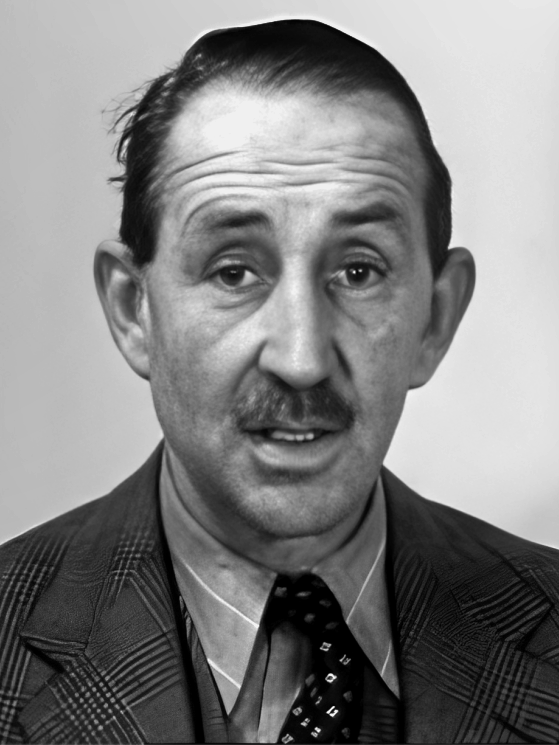
On May 1, 1943, Sir Basil Brooke was appointed the third Prime Minister of Northern Ireland. His appointment brought new energy to the Unionist government, and Brooke replaced many of the older ministers with younger, more dynamic individuals.
-
To emphasise the need for unity during the war, Brooke invited Labour MP Harry Midgley to become the Minister for Public Security. However, Brooke made no similar gestures towards the nationalist community, reflecting ongoing sectarian divides.
-
He justified this by arguing that nationalists were not cooperative enough to be included in the government, especially during the war. This decision further widened the gap between Unionists and Nationalists in Northern Ireland.