Northern Ireland and Cultural Identity - Religion and Education (Leaving Cert History): Revision Notes
📚Revision Notes
Northern Ireland and Cultural Identity - Religion and Education
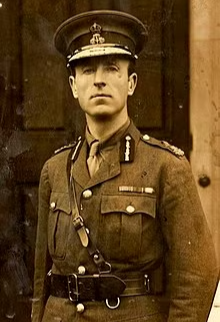
Lord Londonderry and Non-Denominational Education
- Lord Londonderry's Vision
- Advocated for non-denominational education in Northern Ireland.
- Proposed schools free from direct religious control.
- Aimed to reduce sectarianism by promoting a unified educational system.
- Opposition
- Faced resistance from both Protestant and Catholic churches.
- Churches feared losing influence over moral and religious instruction.
- Compromise
- Londonderry's efforts resulted in limited success.
- Religious groups maintained significant control over education.
- The idea of non-denominational schools did not gain widespread acceptance.
- Legacy
- His efforts highlighted the deep-rooted religious divisions in Northern Ireland.
- The failure to establish non-denominational education reinforced sectarian lines in the education system.
The 1923 Education Act and the Changes It Brought
- The 1923 Education Act was a significant piece of legislation in Northern Ireland's history that aimed to reform the education system.
- The act introduced compulsory education for children aged 5 to 14, ensuring broader access to schooling.
- It aimed to improve educational standards across Northern Ireland, addressing issues such as teacher training and school facilities.
- Despite the intent to create a more unified system, the act allowed schools to retain their religious character, maintaining denominational control.
- Funding was provided to both Protestant and Catholic schools, but Protestant schools received a greater share, reflecting the political power dynamics of the time.
- The act formalised the division between Protestant and Catholic schools, entrenching sectarianism in education.
- The Catholic Church retained significant control over its schools, including curriculum and teacher appointments.
- Protestant schools were largely controlled by the state but remained closely linked to the Church of Ireland and other Protestant denominations.
- The act laid the foundation for a segregated education system, which has persisted in Northern Ireland to the present day.
- The educational reforms under the act did not achieve the intended unity but rather deepened the divide between communities.
The Churches' Control of Education
- Control and Influence
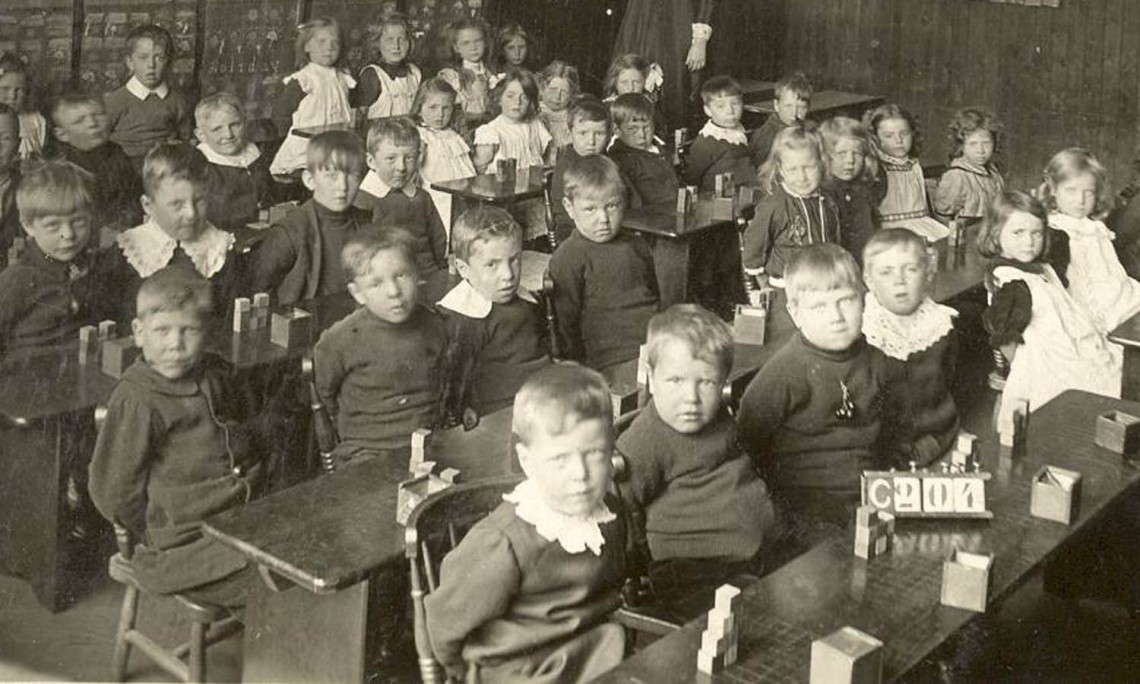
- Both Protestant and Catholic churches maintained significant influence over schools in Northern Ireland.
- Curriculum Design
- Religious instruction was a core component of the curriculum in both Protestant and Catholic schools.
- Teacher Appointments
- Churches had a say in selecting and appointing teachers, ensuring that religious values were upheld in schools.
- School Funding
- Protestant schools received more state funding, reflecting the Protestant majority in government.
- Sectarian Division
- The control of education by churches reinforced the sectarian divide, as children were educated separately based on religion.
- Impact on Society
- The educational system contributed to the segregation of communities, perpetuating tensions and conflicts in Northern Ireland.
- Long-Term Consequences
- The churches' dominance in education has had lasting effects on Northern Ireland's social fabric, contributing to the continuation of religious and cultural divisions.
Orange Order Marches and the Links to Religion
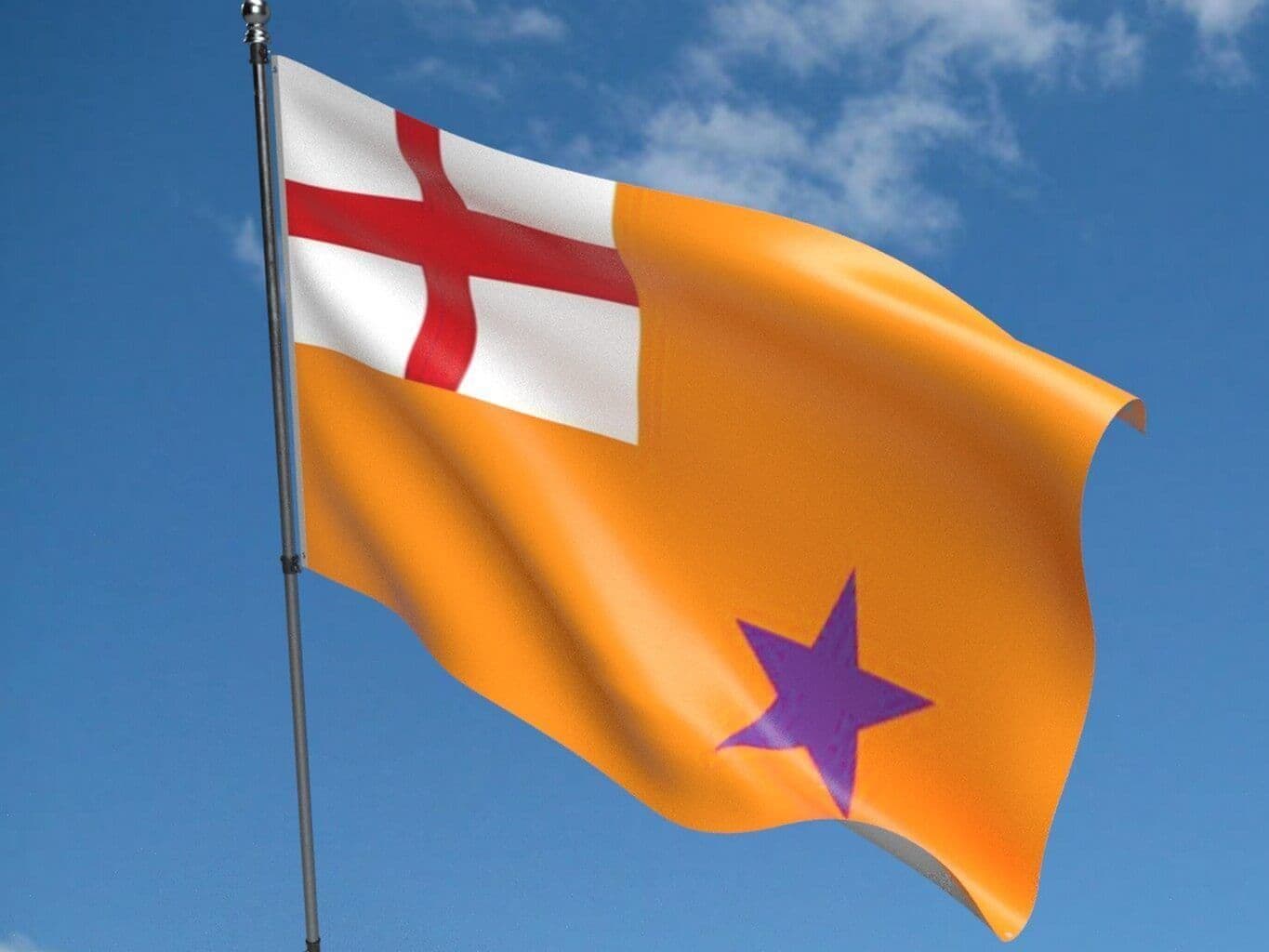
- Who were the Orange Order
- Protestant fraternal organisation with deep ties to religious identity.
- Founded in 1795 to defend Protestant interests in Ireland.
- Marches
- Annual parades, particularly on 12th July, commemorating the Battle of the Boyne.
- Symbolise Protestant heritage and dominance in Northern Ireland.
- Religious Significance
- Marches often feature religious symbols and are linked to Protestant worship.
- Parades typically begin or end at Protestant churches.
- Sectarian Tensions
- Seen as provocative by the Catholic community, exacerbating religious and cultural divisions.
- Marches through Catholic neighbourhoods have historically led to tensions and violence.
- Cultural Identity
- The marches reinforce Protestant cultural identity and the notion of Protestant supremacy.
- Serve as a public assertion of the Protestant community's place in Northern Ireland.
- Political Implications
- The Orange Order and its marches have significant political implications, often influencing the broader socio-political landscape.
The Catholic Church in Northern Ireland and How They Were Treated
Topic - The Catholic Church in Northern Ireland
Main Idea
-
The Catholic Church faced significant challenges and discrimination in Northern Ireland, where Protestants held political and social power. Notes
-
The Catholic community was a minority in Northern Ireland, with limited political influence.
-
The Catholic Church played a central role in preserving the religious and cultural identity of the Catholic minority.
-
Catholics faced systemic discrimination in employment, housing, and education, contributing to widespread poverty and social exclusion.
-
The Catholic Church responded by establishing a network of schools and social services, which became crucial for the community's survival.
-
Catholic schools received less state funding than Protestant schools, leading to resource disparities.
-
The Church advocated for the rights of Catholics but often faced hostility from the Protestant-dominated government.
-
The Catholic Church was a significant force in the civil rights movement of the 1960s, pushing for equal rights and an end to discrimination. Summary
-
The Catholic Church in Northern Ireland was a pillar of support for the Catholic community, but it faced systemic discrimination in a predominantly Protestant state.
-
The Church's role extended beyond religion, encompassing education, social services, and political advocacy, as it sought to protect and advance the rights of Catholics in a divided society.