Household Technology (Leaving Cert Home Economics): Revision Notes
📚Revision Notes
A Microwave Oven
Introduction
The microwave oven has transformed modern cooking by providing a fast and efficient method to heat food using microwave radiation. This essential kitchen appliance offers convenience and flexibility, making it a valuable tool for food preparation in homes worldwide.
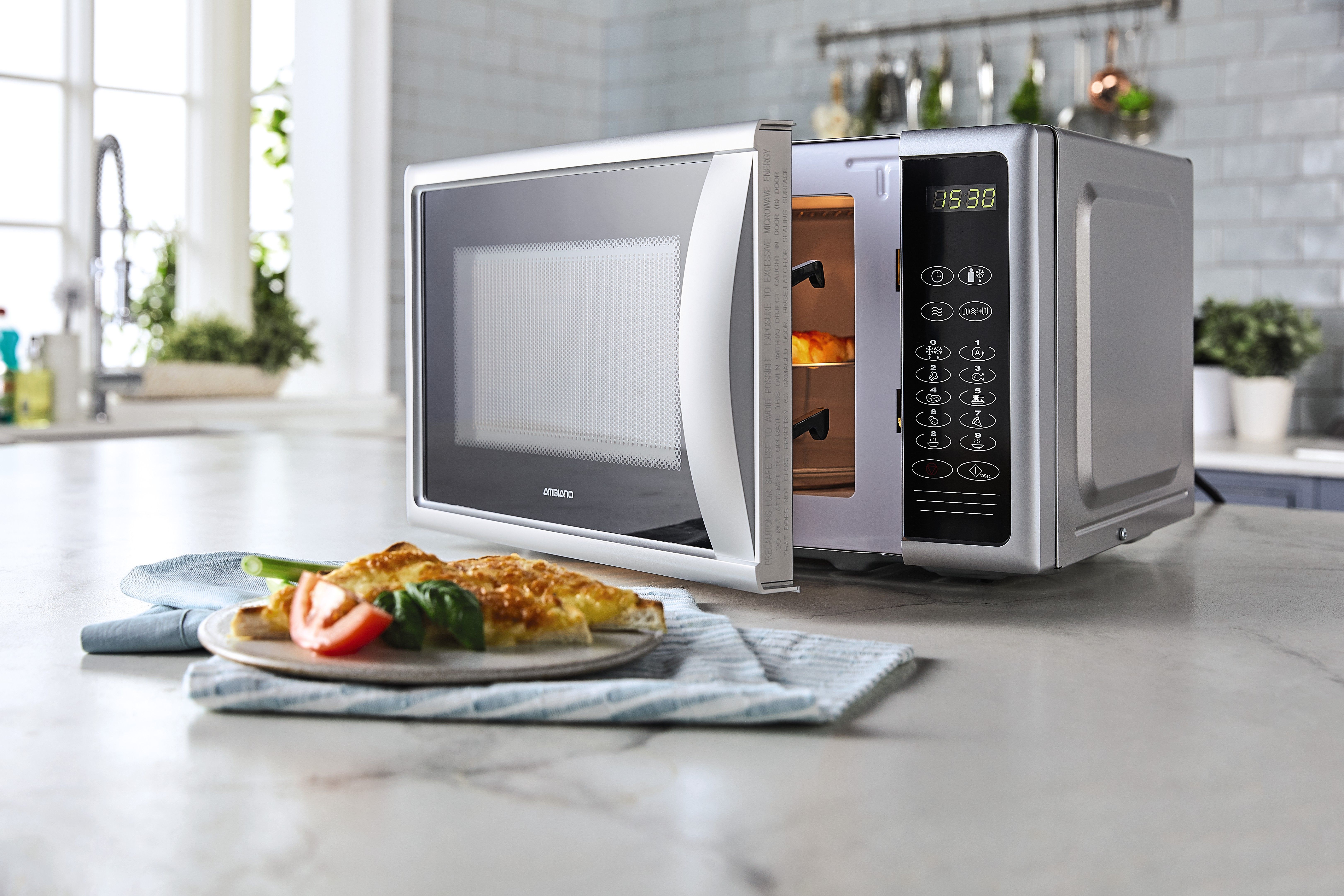
How a microwave oven works
Understanding how microwaves heat food helps explain why certain guidelines must be followed for safe and effective use.
The heating process follows these key steps:
- Electrical power conversion: The transformer increases the standard household voltage to the higher level required by the magnetron
- Microwave generation: The magnetron converts this electrical energy into electromagnetic energy, creating microwaves
- Wave distribution: The wave guide channels these microwaves from the magnetron into the cooking chamber, whilst the wave stirrer ensures they spread evenly throughout the oven space
- Food interaction: When microwaves reach food, they cause water molecules within the food to vibrate rapidly, creating friction that generates heat
- Heat distribution: A standing time after cooking allows the heat to spread evenly throughout the food
Note
Magnetron: The component that generates microwaves by converting electrical energy into electromagnetic energy - this is the heart of the microwave oven's heating system.
Key components and design
Modern microwave ovens contain several essential components that work together to provide safe and effective cooking.
Essential components
- Door with safety mechanisms: Contains microwaves within the oven and automatically stops operation when opened
- Oven cabinet: The outer structure housing all internal components
- Interior light: Allows users to monitor food during cooking
- Turntable: Rotates food to ensure uniform exposure to microwaves
- Timer and power controls: Enable precise cooking time and intensity adjustments
Note
The safety mechanisms in the door are crucial components that prevent microwave exposure when the door is open, making the appliance safe for household use.
Advanced features
Many modern microwaves include sophisticated features that enhance convenience:
- Sensor cooking: Popcorn sensors automatically adjust cooking times based on moisture detection
- Auto-defrost functions: Calculate defrosting time based on food weight
- Combination cooking: Some models integrate microwave heating with convection or grilling capabilities for versatile cooking options
Suitable foods and containers
Foods that work well in microwaves
Microwaves excel at certain cooking tasks:
- Reheating leftover meals quickly and efficiently
- Cooking vegetables whilst preserving nutrients
- Melting ingredients like chocolate or butter
- Defrosting frozen meat safely
Foods to avoid
Some foods are unsuitable for microwave cooking:
- Items requiring crispy textures (bread, pastries)
- Large cuts of meat that need even even cooking throughout
- Foods that may explode due to pressure build-up (whole eggs, sealed containers)
Container safety
Important
Microwave-safe materials: Glass, ceramic, and specially marked plastic containers that allow microwaves to pass through safely whilst containing the food.
Safe containers include:
- Glass dishes and bowls
- Ceramic plates and containers
- Plastic containers specifically labelled as microwave-safe
Avoid these materials:
- Metal containers or utensils (reflect microwaves and can cause sparking)
- Non-microwave-safe plastics (may melt or release harmful chemicals)
- Some polystyrene containers
Safe usage guidelines
Important
Following proper guidelines ensures efficient cooking and prevents accidents:
-
Prevent overheating: Be especially careful with liquids, which can superheat and cause sudden boiling
-
Use appropriate containers: Always verify containers are microwave-safe before use
-
Cover food properly: Covering prevents splattering and promotes even heating
-
Stir periodically: This helps distribute heat evenly throughout the food
-
Allow standing time: Let food rest after cooking to complete the heating process
Care and maintenance
Regular maintenance keeps your microwave functioning effectively.
Note
Essential Maintenance Tips:
-
Clean interior regularly: Wipe down with a damp cloth to remove food splatters and spills
-
Maintain the turntable: Remove and wash the glass plate frequently
-
Keep door seals clean: Clean seals ensure proper microwave containment and energy efficiency
Advantages and disadvantages
Benefits of microwave cooking
- Speed: Significantly faster cooking and reheating compared to conventional methods
- Energy efficiency: Uses less electricity than traditional ovens
- Cool cooking: Minimal heat generation keeps kitchens comfortable
Limitations to consider
- Uneven heating: Hot spots may develop if food isn't stirred or rotated properly
- Limited browning: Cannot achieve crispy or browned surfaces like conventional cooking
- Nutrient concerns: Some foods may lose certain nutrients during microwave cooking
Summary
Key Points to Remember:
- The magnetron is the key component that creates microwaves by converting electrical energy into electromagnetic energy
- Only use glass, ceramic, or microwave-safe plastic containers - never metal
- Standing time after cooking allows heat to distribute evenly throughout food
- Microwaves work best for reheating, defrosting, and cooking foods with high water content
- Regular cleaning and proper maintenance ensure safe and efficient operation