Budgeting (Leaving Cert Home Economics): Revision Notes
📚Revision Notes
Budgeting
What is budgeting?
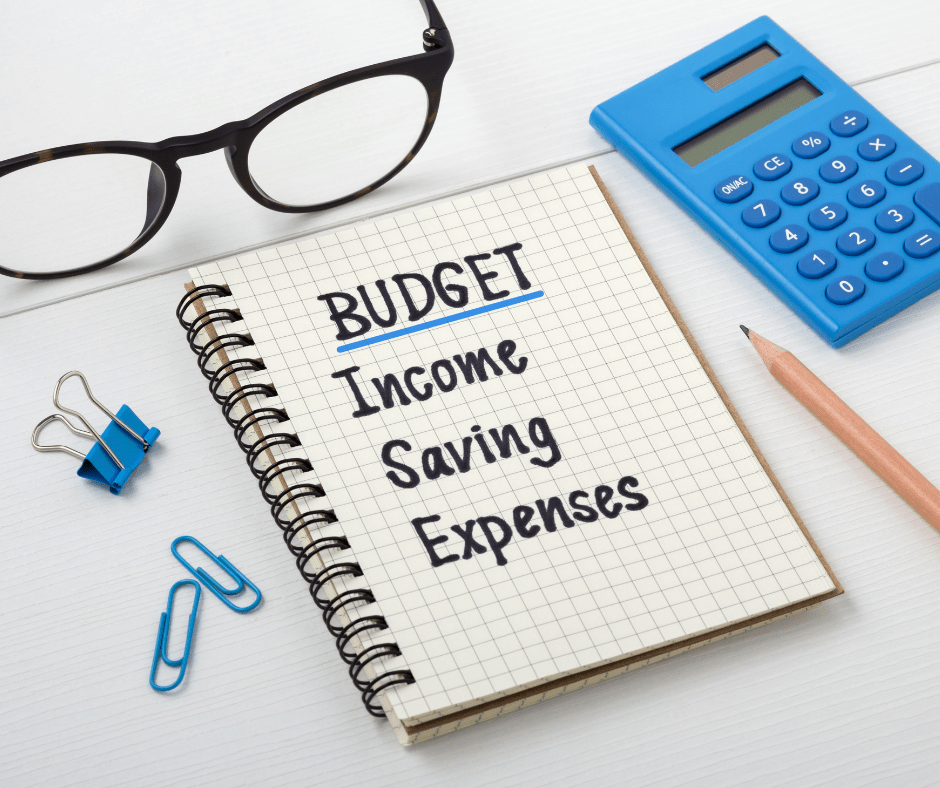
Creating a financial plan is one of the most important skills you can develop. Budgeting means making a structured plan that tracks your income and outgoings, helping you make smarter choices about your money. This process gives individuals and families the tools they need to take charge of their finances and work towards their goals.
Note
A budget is essentially a roadmap for your money - it shows you where your income comes from and helps you decide where it should go to achieve your financial objectives.
Why budgeting matters - key advantages
Financial control
When you create a budget, you gain a clear picture of exactly where your money comes from and where it goes. This means you can monitor both your earnings and your spending patterns effectively.
Example
Real-Life Example: Tracking Hidden Expenses
By tracking your expenses, you might discover that you're spending £200 monthly on takeaways without realising it. This awareness allows you to make informed decisions about whether this spending aligns with your priorities.
Prioritising expenditure
Prioritising expenditure means organising your spending so that essential costs are covered before optional purchases. A well-planned budget helps you distinguish between needs and wants. Essential expenses like rent, mortgage payments, and utility bills should always be covered first, before money is allocated to entertainment or luxury items.
Example
Student Budget Prioritisation
Consider a student who earns £800 monthly from part-time work. They would prioritise their accommodation costs (£400) and food budget (£150) before allocating money for social activities (£100).
Savings and investments
Budgeting creates opportunities to set money aside for future needs, unexpected situations, or investment opportunities. When you plan your finances properly, you can allocate a regular amount towards building your financial security.
Note
This might involve putting £50 monthly into a savings account for emergencies, or contributing to a pension scheme for retirement planning. Without a budget, these important financial goals often get overlooked.
Avoiding debt
Debt avoidance means preventing unnecessary borrowing by living within your financial means. By sticking to a budget, you can avoid the temptation to overspend and rely on credit cards or loans for non-essential purchases. This approach helps maintain better financial health and reduces interest payments.
Important
Instead of putting a holiday on a credit card, a budget allows you to save gradually for the trip, avoiding costly interest charges that could add hundreds of pounds to the total cost.
Financial goals
Budgeting provides a framework for achieving both short-term and long-term financial objectives. Whether you're saving for a holiday next summer or planning to buy a house in five years, a budget helps you work systematically towards these targets.
Examples include saving for a new car, building an education fund for children, or creating an emergency fund that covers six months of living expenses.
How to create your budget - step by step guide
Step 1: Calculate your total income
Start by adding up all money coming in each month. This includes wages from employment, benefits, student grants, and any other regular income sources. Make sure you calculate your actual take-home amount after tax and other deductions.
Note
If you have irregular income, use an average based on several months of records to get a realistic figure.
Step 2: List all your expenses
Document every expense, both regular and occasional. These fall into two categories:
- Fixed expenses: Regular amounts that stay the same each month, such as rent, loan repayments, insurance premiums, and mobile phone contracts
- Variable expenses: Amounts that change monthly, including groceries, fuel, entertainment, and clothing purchases
Important
Keep receipts and check bank statements to ensure accuracy in your calculations. Many people underestimate their actual spending without proper tracking.
Step 3: Apply the percentage allocation method
The 50/30/20 rule suggests allocating 50% of income to needs, 30% to wants, and 20% to savings. This popular budgeting method helps create balance in your financial planning:
Example
50/30/20 Rule Breakdown
- 50% covers essential needs (rent, utilities, food, transport)
- 30% allows for lifestyle choices (dining out, hobbies, entertainment)
- 20% builds your financial future (savings, debt repayment, investments)
For someone earning £2,000 monthly:
- Needs: £1,000
- Wants: £600
- Savings: £400
Step 4: Plan your savings strategy
Make saving a priority rather than an afterthought. Aim to save at least 10-15% of your income regularly. Set up automatic transfers to a separate savings account to make this process easier and more consistent.
Note
Consider having different savings goals - perhaps an emergency fund, holiday fund, and long-term investment pot. This approach helps you stay motivated and organised.
Step 5: Review and adjust regularly
Your budget should be a living document that adapts to changes in your circumstances. Review it monthly to see how well you're sticking to your plan, and make adjustments when your income or expenses change.
Important
If you consistently overspend in one area, either increase that budget category or find ways to reduce those costs. Regular evaluation helps keep your budget realistic and achievable.
Getting support with budgeting
Money Advice and Budgeting Service (MABS) Ireland
MABS provides free, confidential, and independent financial guidance across Ireland. This national service specialises in helping people who are struggling with money management or debt problems.
Services available
The organisation offers several types of support:
- Personal budgeting advice and practical help with managing household finances
- Negotiation with creditors when people cannot meet their repayment obligations
- Information about social welfare entitlements and various financial products available
Why MABS matters
This service plays a vital role in financial education and debt prevention. By providing expert guidance, MABS helps individuals develop better money management skills and avoid serious financial difficulties.
Note
Many people find professional advice invaluable when creating their first budget or when dealing with changing financial circumstances such as job loss or family changes.
Remember!
Summary
Key Points to Remember:
- Budgeting gives you control over your finances by tracking income and expenses systematically
- Use the 50/30/20 rule as a starting point: 50% needs, 30% wants, 20% savings
- Prioritise essential expenses first, then allocate money for discretionary spending
- Aim to save at least 10-15% of your income regularly for financial security
- Review and adjust your budget monthly to keep it realistic and effective