Moist-Cooking Methods (Leaving Cert Home Economics): Revision Notes
📚Revision Notes
Moist-Cooking Methods
Moist-cooking methods use water, steam or other liquids to cook food. These techniques are particularly effective for preserving nutrients and creating tender textures. Understanding these methods will help you choose the right approach for different ingredients and achieve better cooking results.
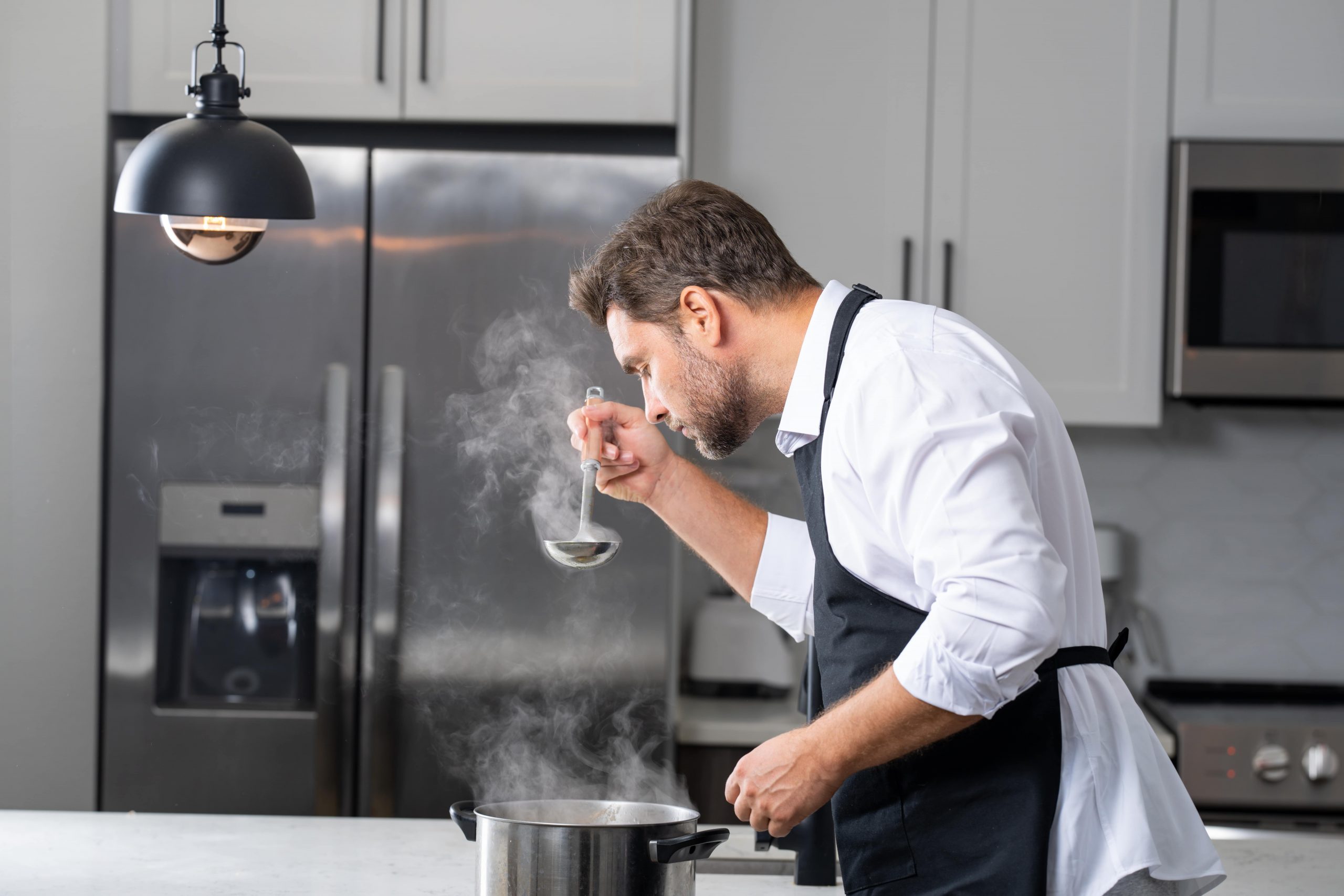
Boiling
Underlying principles: This technique cooks food by submerging it in liquid heated to 100°C. Heat transfers to the food through convection, where hot liquid circulates around the ingredients.
Note
Boiling involves cooking food in liquid at 100°C, with heat transferred through convection as the hot liquid circulates around the food.
Advantages:
- Straightforward and reliable cooking method
- Works well with many different food types
- Requires minimal skill to master
Guidelines:
- Use enough water to cover ingredients completely
- Prevent overcookingby monitoring timing carefully
- Keep pot covered to minimise water evaporation
Suitable foods: Vegetables, pasta, eggs, and various meats respond well to this method.
Poaching
Underlying principles: This gentler approach cooks food in liquid maintained at 70-85°C, just below boiling point. The lower temperature provides more delicate treatment than boiling.
Advantages:
- Maintains food structure and delicate texture
- Perfect for fragile ingredients that might break apart with vigorous boiling
Guidelines:
- Keep temperature steady throughout cooking
- Avoid stirring too vigorously to prevent damage
Suitable foods: Eggs, fish, poultry, and fruit benefit from this careful treatment.
Note
The key difference between poaching and boiling is temperature - poaching uses 70-85°C compared to boiling's 100°C, making it ideal for delicate foods that need gentle treatment.
Steaming
Underlying principles: Food cooks using steam vapour from boiling water beneath, without touching the liquid directly.
Advantages:
- Maintains nutritional content effectively
- Preserves natural colours and flavours
- No additional fats needed
Guidelines:
- Avoid overcrowding the steamer basket
- Maintain steady steam production throughout cooking
Suitable foods: Vegetables, fish, dumplings, and rice work particularly well with steaming.
Important
Steaming is one of the most nutrient-preserving cooking methods because food never comes into direct contact with water, preventing nutrients from leaching out.
Stewing
Underlying principles: Small pieces of food cook slowly in a covered pot with minimal liquid over gentle heat.
Advantages:
- Softens tough meat cuts effectively
- Allows flavours to blend and develop richness
Guidelines:
- Use gentle, consistent heat
- Avoid rapid boilingwhich can toughen proteins
- Stir occasionally to prevent sticking
Suitable foods: Tougher meat cuts, root vegetables, and fruit are ideal for stewing.
Braising
Underlying principles: This two-stage method begins with high-temperature searing or frying, followed by slow cooking in a covered pot with small amounts of liquid.
Advantages:
- Creates complex, layered flavours
- Transforms tough cuts into tender results
Guidelines:
- Sear food first to develop colour and flavour
- Add liquid and reduce to gentle heat for slow cooking phase
Suitable foods: Meat cuts, poultry, and root vegetables respond excellently to braising.
Note
Braising combines the best of both worlds: high-heat searing for flavour development followed by gentle moist cooking for tenderness.
Pressure cooking
Underlying principles: High pressure environment raises water's boiling point, significantly reducing cooking times while maintaining effectiveness.
Advantages:
- Rapid and energy-saving approach
- Preserves nutrients and flavours better than many other methods
Guidelines:
- Never fill cooker beyond recommended capacity
- Adjust cooking times when cooking at different altitudes
Suitable foods: Legumes, stews, soups, and tough meat cuts are perfect for pressure cooking.
Important
Under pressure, water boils at temperatures higher than 100°C, which is why pressure cooking dramatically reduces cooking times while maintaining food quality.
Effects of moist cooking methods on food
Nutritional value
Nutrient retention: Techniques like steaming and poaching excel at preserving water-soluble vitamins and minerals compared to dry heat methods. The gentle treatment helps maintain these delicate compounds.
Nutrient loss: Some methods, particularly boiling, can cause nutrients to dissolve into cooking water. This is especially true for water-soluble vitamins, though the cooking liquid can often be used in sauces or soups to recover these nutrients.
Note
To minimise nutrient loss when boiling, consider using the cooking liquid in sauces, soups, or gravies to retain the dissolved vitamins and minerals.
Palatability factors
Texture changes: Moist heat methods typically produce softer, more tender results. The presence of moisture helps break down tough fibres, making food easier to chew and digest.
Flavour development: These methods can enhance natural tastes, though overcooking may lead to diluted flavours. The key is finding the right balance between thorough cooking and flavour preservation.
Colour preservation: Moist cooking generally maintains food's natural colours well, with steaming being particularly effective for keeping vegetables vibrant.
Summary
Key Points to Remember:
- Boiling uses 100°C liquid with convection heat transfer, while poaching uses gentler 70-85°C temperatures
- Steaming cooks without direct water contact, preserving maximum nutrients and colours
- Stewing and braising both use slow, gentle cooking but braising starts with high-heat searing
- Pressure cooking speeds up cooking by raising water's boiling point under pressure
- Moist methods generally preserve nutrients better than dry methods, though some loss can occur with boiling