Mass Participation in Sport (Leaving Cert Physical Education): Revision Notes
📚Revision Notes
Mass Participation in Sport
Mass-participation events and sponsorship
Note
Learning Focus:
- Growth of mass-participation sporting events and the opportunities for business and enterprise.
Key Definitions:
- Mass-participation events are large-scale sporting activities involving thousands of participants at a time.
- Enterprise refers to the creative and innovative actions needed to start or enhance something, such as organising mass-participation events.
The growth of mass participation events
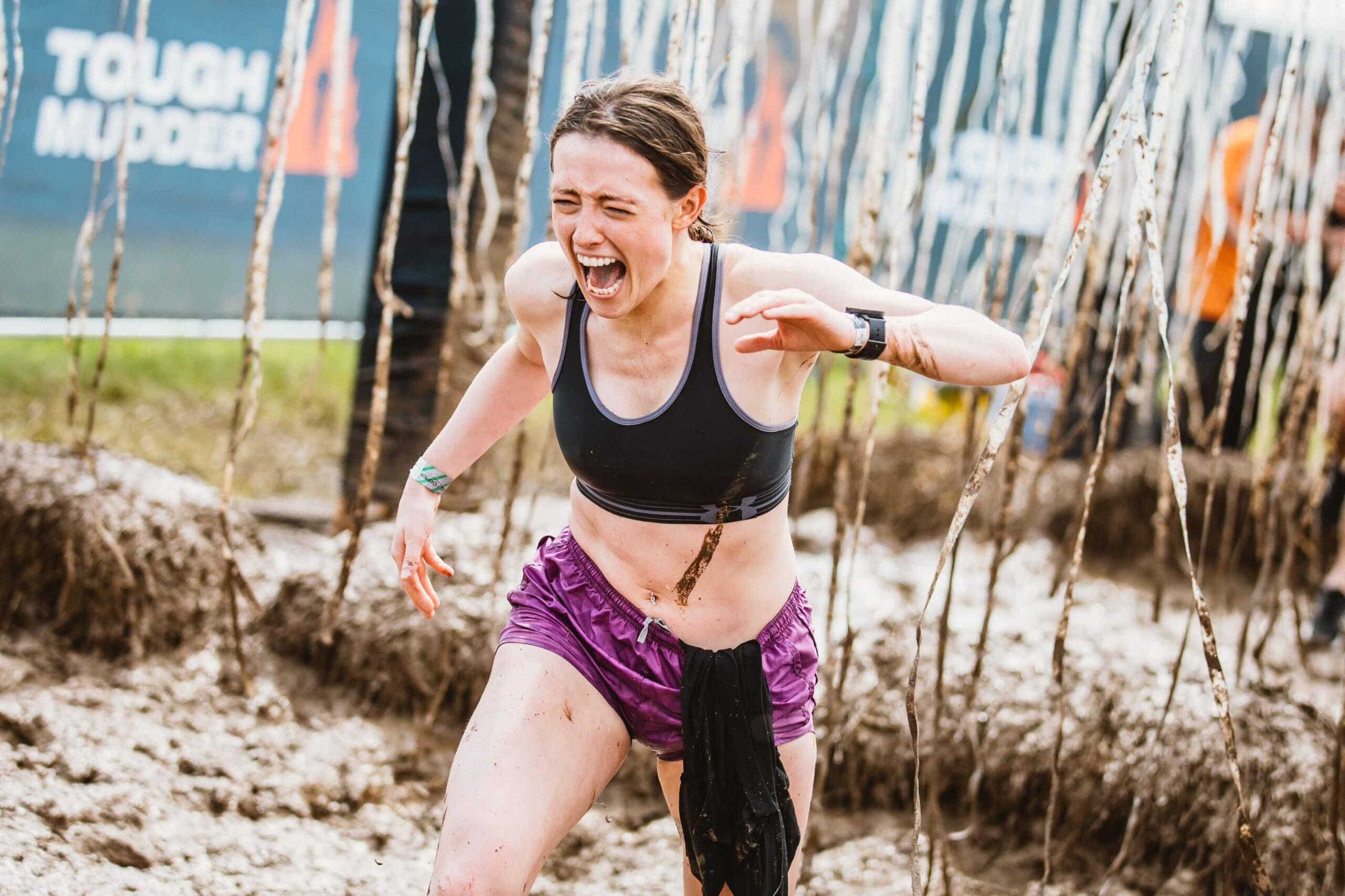
Over the past 30 years, mass participation events have grown significantly in Ireland, allowing the general public to engage more actively in sports. These include marathons, adventure races, cycling, Tough Mudder, Colour Runs, and Parkrun. These events serve as motivation for many people to engage in healthier lifestyles. They are often more accessible because participants can train individually and join the event at their convenience. This flexibility makes mass-participation events popular among everyday performers.
Note
A 2019 study in Ireland found that mass participation events positively impact physical activity levels, promoting a sense of well-being. Sponsors and media coverage further boost the event's appeal by promoting a healthy lifestyle and associating brands with active living. These events benefit sponsors by reaching large target audiences who are likely to engage in an active lifestyle.
Innovative Approaches:
- Many events have adapted to become more inclusive and appealing to a broader age range. For example, Colour Runs and Tough Mudder target younger participants, while others like Pieta House's Darkness into Light cater to all ages. These events often blend competition with charity, which has made them highly popular.
Impact of Covid-19:
- During the COVID-19 pandemic, organisers of mass-participation events had to adapt by moving events online or creating virtual participation opportunities to maintain engagement.
Note
Knowledge Check:
- What is a mass participation event?
- How have mass-participation events evolved, and how can they benefit businesses?
- Why do mass-participation events need to innovate?
- Analyse how mass-participation sporting events impact health and well-being.
Note
Mass participation in sport involves large-scale sporting events where many individuals participate simultaneously. These events promote physical activity, and community engagement, and often support charitable causes, contributing significantly to local economies and social cohesion.
Example:
- Dublin and Cork Marathons: The Dublin Marathon attracts over 22,500 participants, while the Cork Marathon sees around 8,000 runners. These events bring together people from various backgrounds to engage in physical activity, fostering a sense of community and promoting health and fitness on a large scale.
Factors Impacting Growth
- Age
- Technology
- Fun and Fundraising
- Economic Opportunities
1. Age
The growth in mass participation events is notably influenced by the participants' age groups. Older individuals, especially those in the middle-age bracket, are more likely to participate due to their relatively higher disposable income and awareness of health benefits.
Example:
- Women's Mini Marathon: Started in 1983 with 9,000 participants and has grown to over 40,000 entries in recent years, highlighting the increasing involvement of older, middle-aged women.
2. Technology
Technology plays a crucial role in increasing engagement in mass participation events. Social media and digital platforms allow for the easy sharing of event information, encouraging more people to participate.
Example:
- Social Media Engagement: Events like the Tough Mudder and Ironman triathlons see increased participation due to widespread promotion and motivational sharing on platforms like Facebook and Instagram.
3. Fun and Fundraising
Mass participation events often serve dual purposes: providing a fun and engaging activity for participants and raising funds for charitable causes.
Example:
- Women's Mini Marathon: Over its 37-year history, it has raised over €127 million for various charities, making it a key event for both fitness enthusiasts and fundraisers.
4. Economic Opportunities
The economic impact of mass participation events is substantial. These events draw large crowds, boosting local economies through hospitality services such as hotels, restaurants, and shops.
Example:
- Dublin Marathon: Generates over €10 million for the local economy, demonstrating the significant financial benefits these events can bring to a community.