Ethics and Fair Play (Leaving Cert Physical Education): Revision Notes
📚Revision Notes
Best Practice for the Use of Supplements
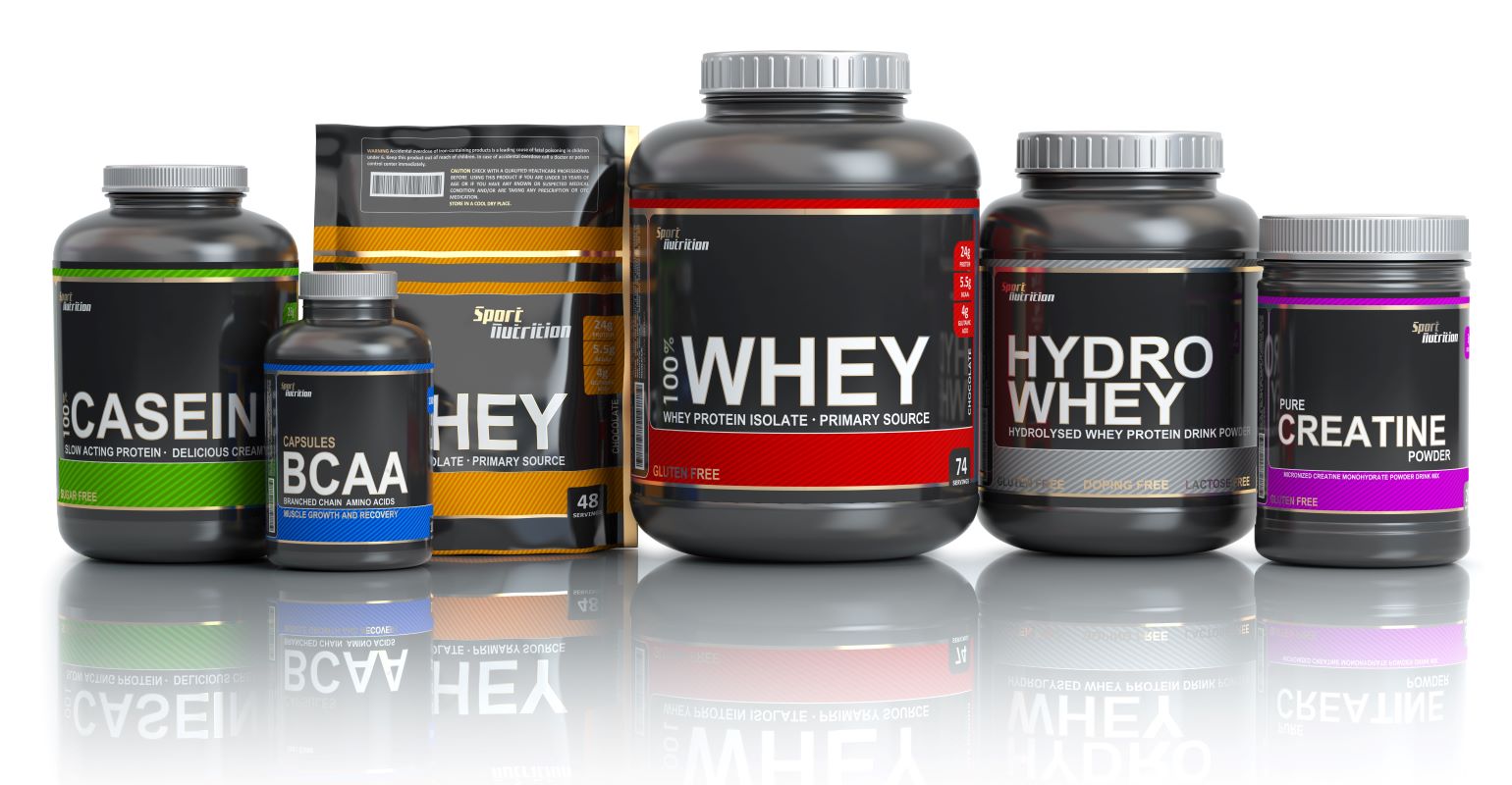
Dietary Supplements
A dietary supplement is a product added to the diet to make up for a deficiency. These supplements are often used by athletes to optimise performance, but they must be approached with care to avoid unintentional doping violations.
Ergogenic acid: An ergogenic aid is any substance or method that enhances physical performance, either mentally or physically.
Note
Athletes must carefully consider the use of supplements to avoid contamination or inadvertent breaches of doping regulations.
Guidelines for Safe Supplement Use:
- Supplements should be batch-tested (e.g., by Informed Sport) to ensure they are free of banned substances.
- Use supplements only when proven necessary for specific performance or health needs.
- Follow a "food-first" philosophy, where whole foods are prioritised over supplements.
- Ensure supplements come from reliable sources and meet manufacturing standards such as ISO9001. Athletes in Ireland are advised by Sport Ireland to take personal responsibility for anything they consume, following the principle of strict liability. This means that if an athlete tests positive for a banned substance, they are held responsible, regardless of intent.
Note
Practical Task:
Research and review what supplements are recommended for a specific sport you are involved in. Ensure these supplements align with ethical sports practices.
Supplement Use
Supplement Use Guidelines: Athletes must take great care when using supplements to avoid contamination and ensure they are safe and beneficial for performance. Contaminated products may contain prohibited substances, and athletes are responsible for everything they ingest, according to the principle of strict liability under the World Anti-Doping Code. The following guidelines are crucial for athletes:
- Focus on Performance/Health: Supplements should be taken to address specific health or performance needs, not based on marketing claims.
- Food First Philosophy: Athletes should prioritise their diet before considering supplements, using them only when there is a deficiency.
- Consult Qualified Practitioners: Athletes must seek advice from certified health professionals before taking any supplement.
- Use Batch-Tested Products: Products should be verified by programmes like Informed Sport to ensure they are free from contamination.
- Check for Prohibited Substances: Athletes must always verify that supplements do not contain any banned substances.
- Source Quality Ingredients: Supplements must come from reliable suppliers that follow high manufacturing standards (ISO9001).
Guidance for Supplement Use
The Sport Ireland helps athletes determine whether a supplement is safe to use:
- Is it proven to improve performance?
- Is there a dietary deficiency?
- Have the ingredients been checked for banned substances?
- Is the product batch-tested? If the answer to any of these questions is "No," athletes should not use the supplement.
Note
Knowledge Check:
- What is a dietary supplement?
- Define the term "ergogenic aid."
- Explain what a high-risk supplement is.
- What three things does Sport Ireland recommend athletes assess before taking supplements?
Importance of Dietary Supplements
Dietary supplements are frequently used to ensure athletes meet their nutritional needs, particularly when whole foods are insufficient. These supplements help athletes maintain peak performance by addressing potential nutritional deficiencies that can impact their training and recovery.
Example:
- Nutritional Support: An athlete with a busy schedule might use protein supplements to ensure they get enough protein for muscle recovery and growth when they can't consume enough through regular meals.
Regulation of Dietary Supplements
The regulation of dietary supplements can be complex. Supplements often contain prohibited substances that are not disclosed on the label. Mislabelled or contaminated supplements have led to positive drug tests. Athletes need to be cautious and well-informed about the products they consume to avoid inadvertent doping violations.
Example:
- Prohibited Substances: Some athletes have tested positive for banned stimulants like methylhexaneamine (MHA) due to contaminated supplements, which were not properly labelled.
Common Dietary Supplements
Note
Common supplements include vitamins, minerals, protein, and creatine. While these can offer performance-enhancing benefits, it is crucial for athletes to understand the evidence supporting their effectiveness and safety.
- Antioxidants
- Arginine
- Beetroot or Beet Juice
- Beta-Alanine
- Beta-Hydroxy-Beta-Methylbutyrate (HMB)
- Betaine
- Branched-Chain Amino Acids (BCAAs)
- Caffeine
- Creatine
- Glutamine
- Iron
- Protein
- Ribose
- Sodium Bicarbonate
Antioxidants
Antioxidants minimise free-radical damage, and reduce muscle fatigue, inflammation, and soreness. They have a limited impact on performance but are generally safe at recommended doses. High doses may cause gastrointestinal issues.
Example:
- Athletes taking vitamin C and E supplements to reduce muscle soreness post-exercise, aiding in quicker recovery.
Arginine
Arginine increases blood flow and delivery of oxygen and nutrients to muscles. While there are no significant performance benefits, it is safe for short-term use. High doses may cause gastrointestinal discomfort.
Example:
- Weightlifters using arginine supplements to enhance muscle pumps during training, potentially improving workout intensity.
Beetroot or Beet Juice
Beetroot or beet juice dilates blood vessels, reduces oxygen use, and improves energy production. It has potential benefits in endurance sports and is generally safe with recommended intake.
Example:
- Endurance runners consuming beet juice to improve stamina and reduce fatigue during long-distance events.
Beta-Alanine
Beta-alanine increases muscle carnosine levels, buffers pH, and reduces muscle fatigue. It shows some benefits in high-intensity sports and is generally safe, though high doses may cause tingling sensations (paraesthesia).
- Timing: 3-6g daily for 4 weeks before high-intensity exercises.
- Benefit: Enhances endurance by buffering muscle acidity. Example:
- Sprinters using beta-alanine to delay fatigue during races, enhancing their sprint performance.
Beta-Hydroxy-Beta-Methylbutyrate (HMB)
HMB helps stressed and damaged muscle cells restore their structure and function. It has potential benefits in muscle recovery, with no known safety concerns at recommended doses.
Example:
- Bodybuilders taking HMB to enhance muscle recovery post-training, promoting muscle repair and growth.
Betaine
Betaine might increase creatine production and boost nitric oxide levels. It shows potential benefits for bodybuilders and cyclists and is safe for short-term use.
Example:
- Powerlifters using betaine to increase strength and power output, improving their performance in lifting events.
Branched-Chain Amino Acids (BCAAs)
BCAAs provide energy during exercise and help build muscle. There is limited evidence of benefits for endurance sports, but they are generally safe for short-term use.
Example:
- Marathon runners taking BCAAs to reduce muscle fatigue during long-distance runs, aiding in sustained performance.
Caffeine
Caffeine enhances alertness and reduces perceived pain. It shows consistent benefits across various sports and is safe at moderate doses. However, high doses may cause insomnia and gastrointestinal issues.
- Timing: 2-3 mg/kg 30-60 minutes before exercise.
- Benefit: Boosts focus and energy while reducing fatigue. Example:
- Football players using caffeine to stay alert and improve focus during matches, enhancing their overall performance.

Creatine
Creatine increases strength, power, and muscle mass. It has proven benefits for high-intensity sports and is generally safe at recommended doses, though it may cause water retention and weight gain.
Example:
- Usage in Sports: Weightlifters taking creatine to boost performance and muscle growth, allowing for more effective training sessions.
Glutamine
Glutamine helps supply muscles with energy and supports recovery. There is limited evidence of performance benefits, but it is generally safe at recommended doses.
Example:
- CrossFit athletes using glutamine to aid in recovery post-workout, reducing muscle soreness and improving training consistency.
Iron
Iron increases oxygen uptake and reduces heart rate during exercise. It has potential benefits for those with iron deficiency and is safe at recommended doses.
Example:
- Female endurance athletes taking iron supplements to combat anaemia and enhance performance, improving their stamina and energy levels.
Protein
Protein builds, maintains, and repairs muscle. It has proven benefits for muscle training and recovery and is safe at recommended doses.
- Timing: Taken 30 minutes after training.
- Benefit: Increases muscle protein synthesis, aiding in recovery. Example:
- Athletes using protein shakes to support muscle repair and growth after intense training sessions, aiding in quicker recovery.

Ribose
Ribose is involved in ATP production. There is limited evidence of performance benefits, but it is generally safe.
Example:
- Sprinters using ribose to boost energy and performance, helping to sustain high-intensity efforts.
Sodium Bicarbonate
Sodium bicarbonate enhances the removal of hydrogen ions, reducing muscle acidity. It shows potential benefits for high-intensity sports and is safe for short-term use, though high doses may cause gastrointestinal issues.
Example:
- Swimmers taking sodium bicarbonate to delay fatigue and improve sprint times, enhancing their performance in competitions.