Codes of Ethics (Leaving Cert Physical Education): Revision Notes
📚Revision Notes
Codes of Ethics
Note
Code of Ethics in Sport
Codes of ethics are crucial in ensuring that the principles of integrity, fairness, respect, and equity are maintained in sport. They outline the expectations for behaviour and standards for everyone involved, including participants, coaches, spectators, and officials. Each National Governing Body (NGB) in Ireland is responsible for ensuring their sport has a code of ethics, and these codes must include child protection policies in line with legislation.
Key Elements of a Code of Ethics:
- Setting expectations for good practice in sport.
- Promoting appropriate behaviour in interactions between players, coaches, and spectators.
- Ensuring fair play is respected to maintain the integrity of sports.
Sample Code of Ethics: The Olympic Oath
The Olympic Oath is one of the earliest examples of a code of ethics in sport, first introduced at the 1920 Olympics in Antwerp, Belgium. The oath is a solemn promise that each athlete swears to uphold, committing to fair play, sportsmanship, and competing without the use of doping or drugs.
Modern Olympic Oath: "In the name of all competitors, I promise that we shall take part in these Olympic Games, respecting and abiding by the rules which govern them, committing ourselves to a sport without doping and without drugs, in the true spirit of sportsmanship, for the glory of sport and the honour of our teams."
Sportsmanship and Gamesmanship
Note
While sportsmanship emphasises fair play and respect, gamesmanship involves bending the rules to gain an advantage, and deviance represents outright unethical behaviour.
- Sportsmanship
- Gamesmanship
- Deviance
Sportsmanship
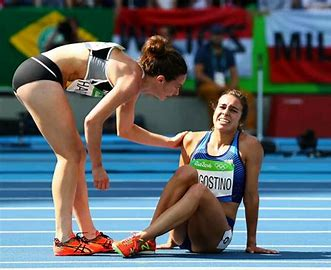
Sportsmanship involves treating your opponents fairly and with respect, regardless of winning or losing. It emphasises fair play, honesty, and integrity in competition. Sportsmanship is valued across all sports and is about doing the right thing, regardless of the outcome.
Involves adhering to the rules and spirit of the game, demonstrating respect for opponents, officials, and the game itself. It emphasises fair play, graciousness in victory, and dignity in defeat.
Example:
- Helping Opponents: A football player helping an injured opponent off the field, demonstrating respect and care.
Gamesmanship
Gamesmanship refers to bending or manipulating the rules to gain an advantage, even if the behaviour is not outright cheating. This could include time-wasting tactics, distracting opponents, or pushing the limits of the rules.
This often includes exploiting loopholes or engaging in psychological tactics to distract or unsettle opponents.
Example:
- Time-Wasting: A basketball player deliberately delaying play to maintain a lead, exploiting the rules without outright breaking them.
Deviance
Deviance in Sport involves actions that go against the established rules or ethical standards, such as cheating, using performance-enhancing drugs, or engaging in corrupt activities like match-fixing.
Example:
- Cheating and Rule Violations: Acts such as using performance-enhancing drugs (PEDs), bribing officials, or match-fixing.
| Sportsmanship | Gamesmanship |
|---|---|
| Polite and fair behaviour, including respect for officials and opponents. | Using questionable tactics to gain an advantage, like faking injury or wasting time. |
| Example: In the 2004 Athens Olympics, swimmer Michael Phelps gave up his spot in an event to allow a teammate to win a medal. | Example: In the 2012 Olympics, badminton teams deliberately lost to secure easier opponents in later rounds. |
Deviance in Sport
Deviance in sports refers to behaviour that goes against the established rules and ethics of the game. It includes actions like cheating, violence, match-fixing, doping, and racism. Deviant behaviour can lead to severe consequences such as bans, fines, red cards, or even legal action in extreme cases.
Examples of Deviance:
- Lance Armstrong, who won seven consecutive Tour de France titles, was later stripped of his titles after it was revealed that he had used performance-enhancing drugs.
- Match-fixing in soccer, such as players or referees manipulating games for financial gain.
Note
Case Study: Brian Cody and Kilkenny Pushing the Rules
Brian Cody, manager of the Kilkenny hurling team, has been accused of encouraging gamesmanship by pushing the boundaries of what is considered fair play. His players are known for playing aggressively, and opponents have accused them of bending the rules to gain an advantage. Cody has defended his approach by saying, "Every great team in every sport will indeed push the rules to the limit, which makes them great."
Note
Knowledge Check:
- What is a code of ethics, and what role does it play in sports?
- How do sportsmanship and gamesmanship differ? Provide examples of each.
- Define deviance. What are the consequences of deviance in sports?
Examining Ethics Codes from Various Perspectives
Note
Athletes, parents, spectators, and officials contribute to maintaining fairness, respect, and integrity. Each group has distinct roles and responsibilities that ensure a positive and equitable sporting environment.
- Participants
- Parents
- Spectators
- Coaches and Club Officials
Participants
Note
Participants play a crucial role in upholding the ethical standards of sports by adhering to guidelines that promote fairness, respect, and integrity.
Ethical Guidelines
Participants should play fairly, always striving to do their best while having fun. They must respect their opponents, viewing them as partners in the sporting event rather than adversaries. Shaking hands before and after the match is a key gesture of respect and sportsmanship. Additionally, participants should be willing to give and accept apologies gracefully and respect their team members, offering support both on and off the field.
Example:
- Respect in Football: Players showing respect to the referee's decisions and shaking hands with opponents after a match.
Parents
Note
Parents play a supportive role in their children's sports by modelling positive behaviour and encouraging ethical participation.
Ethical Guidelines
Parents should be role models for their children, displaying behaviours they want to see reflected in their children's actions. They should encourage their children to participate by the rules of the sport, showing appreciation for the efforts of volunteers, coaches, and officials. Respecting the rights and dignity of every young person involved in the sport is also crucial.
Example:
- Supportive Parenting: Parents cheering for all participants, not just their own child, during a gymnastics competition.
Spectators
Note
Spectators contribute to the sporting environment by promoting positive behaviour and respecting all participants.
Ethical Guidelines
Spectators should always be on their best behaviour and lead by example. They must avoid using abusive language or actions, support the team positively, and contribute to a positive atmosphere by enjoying the event and applauding good plays from both teams.
Example:
- Positive Spectating: Fans applauding good plays from both teams and avoiding negative chants or comments.
Coaches and Club Officials
Note
Coaches and club officials are responsible for fostering an inclusive and respectful sporting environment through their leadership and conduct.
Ethical Guidelines
Coaches and club officials should treat all participants equally and with respect. They are responsible for providing positive coaching, ensuring opportunities for everyone to participate, and promoting development and improvement over winning at all costs.
Example:
- Inclusive Coaching: Coaches give all team members equal playing time regardless of skill level.