Principles of Ethical Practice (Leaving Cert Physical Education): Revision Notes
📚Revision Notes
Principles of Ethical Practice
Ethical Practice in Sport
Ethical practice in sports encompasses a system of values, principles, and standards that guide behaviour in physical activities. These principles help ensure fairness, integrity, and respect in sporting contexts. Both participants and spectators are expected to adhere to ethical standards, which include not only the written rules of the sport but also unwritten rules known as etiquette.
Ethical Practice
Ethics in sports refers to how individuals conduct themselves according to the rules, values, and principles that govern sportsmanship and fair play. Ethical practice extends beyond merely following the rules and includes respect for others, integrity in competition, and the responsibility of maintaining fairness.
Etiquette: Etiquette in sports refers to the unwritten rules that govern participants' and spectators' behaviour. For example, showing respect to opponents, such as applauding the winning side, as demonstrated in the image of rugby players shaking hands.

Four Key Principles of Ethical Practice:
Integrity
Note
Integrity: The positive conduct by athletes, officials, supporters, and other stakeholders, enhancing the reputation and standing of the sporting field. It is rooted in:
- Honesty
- Trust
- Values
- Ethics
- Morals
- Fairness
Integrity in Practice
Adhering to a code of practice based on these principles ensures that actions are consistent with ethical standards. Practising integrity promotes fair play, reduces cheating, and builds trust among participants.
- Integrity involves honesty, fairness, and sticking to the rules, and it encompasses respecting both the written and unwritten codes of conduct. For example, refusing to engage in match-fixing or cheating. Example:
- A rugby player immediately admitting to the referee that they knocked the ball forwards, even if the referee did not see it, demonstrates honesty and maintains the game's integrity.
Respect
Note
Respect: A core element of many sporting bodies' codes of ethics. It involves acknowledging the value and dignity of all participants in sport. Respect influences moral character and ethical behaviour, and it is essential for positive interactions and maintaining a healthy sporting environment.
- Respect in sports is about showing consideration for others, including opponents, teammates, officials, and spectators.
- Respect also applies to showing empathy and understanding in both victory and defeat. The GAA campaign "Give Respect – Get Respect" is an example of promoting this ethical principle.
Athletes
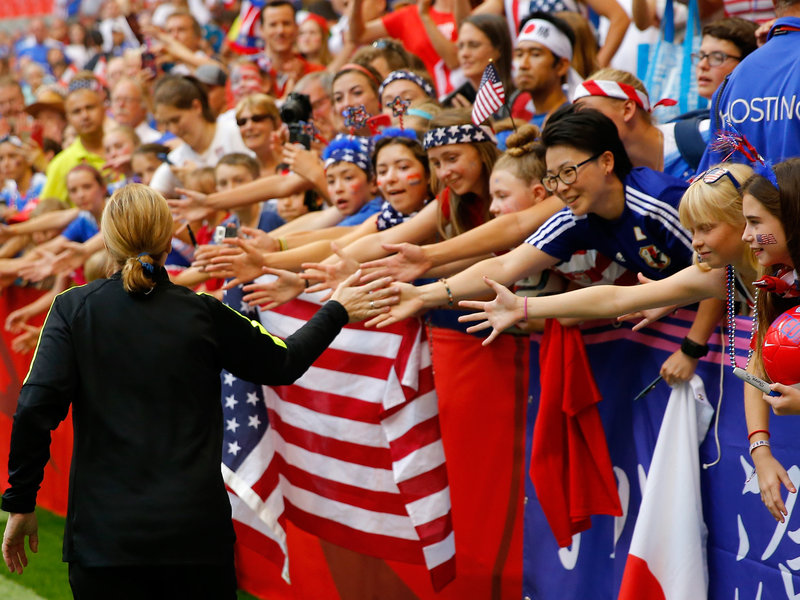
Athletes should respect teammates, opponents, coaches, and officials. This includes showing good sportsmanship, such as shaking hands after a match.
Example:
- A tennis player apologising to their opponent and the umpire for a contested point, even if it means conceding the point, demonstrates respect.
Coaches
Coaches should respect players, opponents, and officials, providing constructive feedback and encouragement rather than criticism.
Example:
- A basketball coach praising the opposing team's strategy and effort during a post-game interview, showing respect for their opponents.
Fans
Fans should respect other fans, athletes, and officials, refraining from abusive language and behaviour.
Example:
- A football fan cheering respectfully and refraining from using offensive language towards players and referees, even if their team is losing.
Fairness
Note
Fairness: An essential part of providing a fun, enjoyable, and meaningful experience to all participants in sports. It involves ensuring equal opportunities and adherence to rules. This refers to treating everyone equally and impartially, both on and off the field. Fairness involves:
- Fair Play
- Equal Treatment
- Non-Discrimination
Fair Play
Ensuring all participants adhere to the rules and guidelines of the sport, ensuring no one gains an unfair advantage.
Example:
- In athletics, all competitors start from the same line and are timed using the same equipment, ensuring no one has an unfair advantage.
Equal Treatment
Treating all participants equally, regardless of their background or abilities, to promote a fair and inclusive sporting environment.
Example:
- A sports league implementing policies to ensure equal playing time for all players, regardless of their skill level, to promote fairness and development.
Non-Discrimination
Preventing discrimination based on race, gender, or social orientation, ensuring all participants are treated with respect and fairness.
Example:
- A sports club adopting a zero-tolerance policy towards any form of discrimination, ensuring a welcoming and inclusive environment for all members
Equity
Note
Equity: Focuses on removing inequalities and taking steps to address them. It involves changing the culture and structure of sports to ensure accessibility for all members of society. Equity promotes equal opportunities regardless of age, ability, gender, ethnicity, or social background, ensuring everyone has the chance to participate and excel in sports. The three core components of equity include:
- Access to Resources
- Encouraging Participation
- Removing Barriers
Note
Unlike equality, which gives everyone the same resources, equity involves making sure that everyone has what they need to succeed, which could mean providing extra support for those who require it.
Access to Resources
Providing equal access to facilities, equipment, and coaching to all participants, regardless of their socioeconomic status.
Example:
- A community sports programme offering free equipment and coaching sessions to children from low-income families, ensuring they have the same opportunities as others.
Encouraging Participation
Implementing programmes to encourage underrepresented groups to participate in sports, ensuring diversity and inclusion.
Example:
- Programmes encouraging girls' participation in sports traditionally dominated by boys, such as football or rugby, to ensure equal access and opportunities.
Removing Barriers
Identifying and removing barriers that prevent individuals from participating in sports, ensuring everyone has the chance to engage and succeed.
Example:
- A sports club providing accessible facilities and adaptive equipment for athletes with disabilities, ensuring they can participate fully and safely.
Examples of Fairness, Integrity, and Respect:
- In rugby, players often show respect for the opposition by shaking hands at the end of the game.
- In soccer, players are expected to show fairness by not engaging in simulation (diving) to deceive the referee.
- In rugby, respect and integrity are demonstrated when the losing team applauds the winners after a match.
Ethical Practice: Fairness, Equity, and Integrity
Fairness is a cornerstone of ethical behaviour in sports. It involves treating all participants equally, following the rules, and ensuring that there is no favouritism or bias. For example, a referee applying the rules equally to both teams shows fairness.
Equity vs. Equality:
Equity and equality are often confused, but they are distinct concepts in ethical practice:
- Equality gives everyone the same resources or opportunities, regardless of their individual circumstances.
- Equity adjusts support based on individual needs, ensuring that everyone has what they need to succeed.
Note
Be sure to understand the difference between equity and equality in the context of ethical practice. Equity in sport requires more than just treating everyone the same—it means adjusting resources and support to meet individual needs.
Note
Knowledge Check 13A:
- What is ethics/ethical practice in sport?
- Explain the four principles of ethical practice.
- How does equity differ from equality?
- Identify two principles of ethical practice and how they can be demonstrated or not in a named physical activity.