Gender, Media and Body Image (Leaving Cert Physical Education): Revision Notes
📚Revision Notes
Gender, Media, and Body Image
Note
Learning Focus:
- Examines how body image and participation differ between males and females in sports and physical activities.
- Highlights the impact of media on males' and females' participation.
- Explores how societal and media standards influence gender socialisation and body regulation in sport.
Gender:
Gender is defined as a social construct that identifies individuals as male, female, or other. It is often influenced by the societal expectations and roles attached to each gender, especially in sports and physical activity. Gender roles have a profound impact on participation and perceptions of ability in physical activities, often shaping what is considered 'appropriate' for different genders.
The Role of Media:
The media plays a central role in shaping societal norms and expectations regarding body image. Both men and women are bombarded with idealised images of what a 'fit' or 'healthy' body should look like. For men, it typically involves the development of muscular bodies, while women are often encouraged to maintain a lean, toned figure. Media portrayals frequently reinforce the idea that achieving these body ideals leads to success and happiness, but this can also contribute to body dissatisfaction, low self-esteem, and mental health issues.
Body Image:
Body image encompasses how individuals perceive and feel about their bodies, including their appearance, strength, and health. Positive body image occurs when individuals feel confident and content with their bodies, regardless of societal standards. However, negative body image, often influenced by media representations, leads to feelings of inadequacy, dissatisfaction, and a desire to change one's body, often through unhealthy means.
Key Points:
- Positive body image: A realistic perception of the body, appreciation for its functions, and maintaining a healthy relationship with food and exercise.
- Negative body image: Focusing on perceived flaws, dissatisfaction, and engaging in unhealthy habits, such as extreme dieting or excessive exercise.
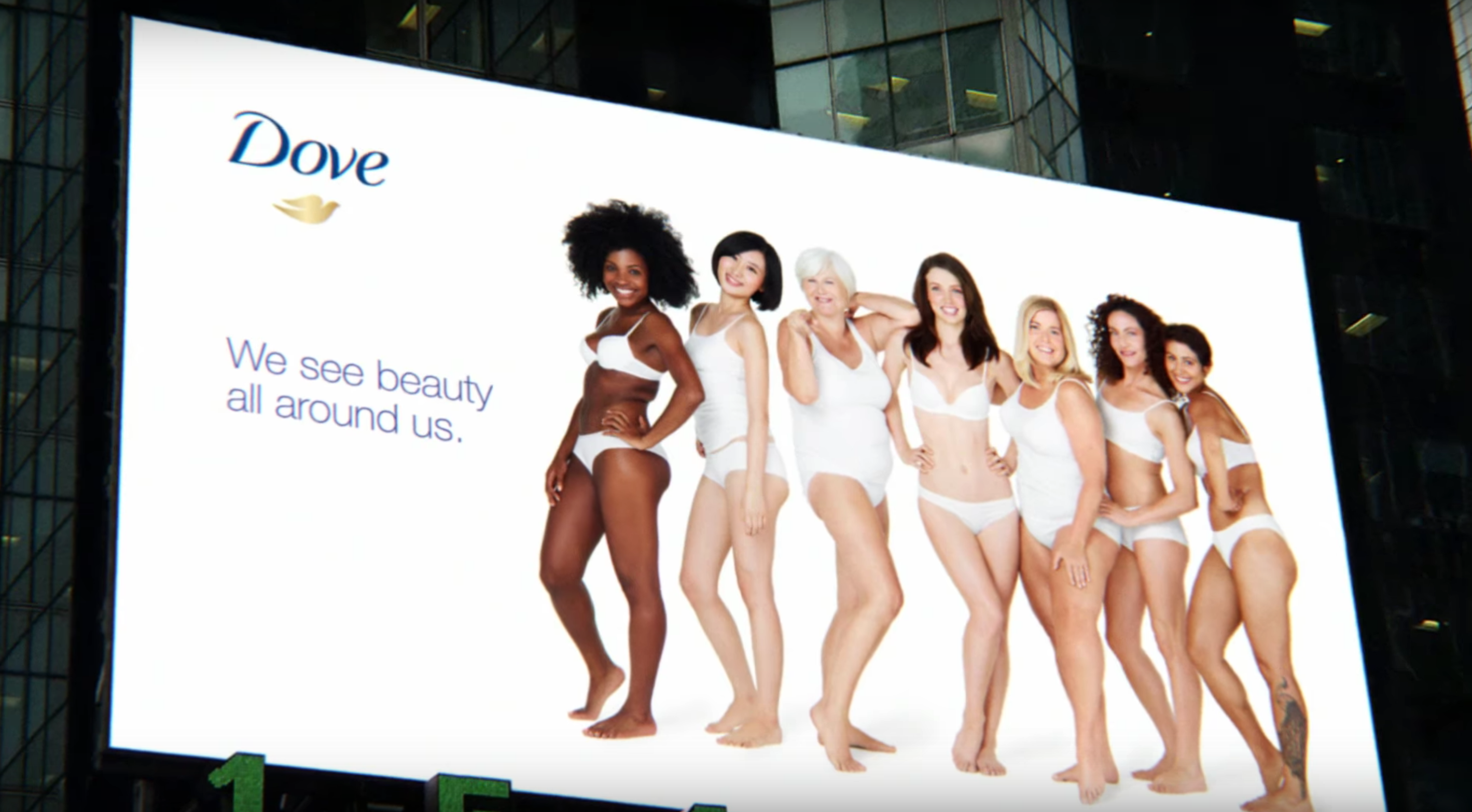
Example: Dove Real Beauty Campaign
The Dove Real Beauty campaign aims to counteract harmful media portrayals by promoting body positivity. It celebrates diverse body shapes and encourages self-acceptance, particularly among women and young girls.
Problems Associated with Body Image
Body Dysmorphia:
This is a psychological condition where individuals obsess over perceived flaws in their physical appearance that are either minor or nonexistent. In sports, this often manifests as athletes feeling they do not meet the 'ideal' body type for their sport, leading to low self-esteem and distorted perceptions of their performance and abilities.
- This can lead to anxiety, depression, and even disordered eating habits.
- Eating disorders such as anorexia or bulimia often stem from societal pressure to maintain an ideal body shape.
- Body dysmorphia is considered part of a continuum that also includes eating disorders on one end and high self-esteem and self-efficacy on the other.
Eating Disorders:
Negative body image can lead to unhealthy eating habits, such as anorexia, bulimia, or binge-eating disorder, as athletes may feel pressured to meet weight or body size expectations. This can seriously impact their physical health, performance, and mental well-being.
Self-Efficacy and High Self-Esteem:
On the opposite end of the spectrum, athletes with high self-efficacy and positive body image tend to have greater self-confidence in their abilities. They value their bodies for their functionality and are less likely to be swayed by unrealistic media portrayals.
Body Image in Athletes
| Condition | Description |
|---|---|
| Body Dysmorphia | Distorted body perception, often focusing on minor or nonexistent flaws, leading to anxiety and low self-esteem. |
| Eating Disorders | Unhealthy eating behaviours, such as restricting food intake or binge eating, often linked to body dissatisfaction. |
| High Self-Efficacy | Confidence in one's abilities and a positive, realistic perception of body size and performance. |
Body Image in Sport:
Different sports have different ideals of body types. For example:
- Cyclists: Slim with strong leg muscles.
- Swimmers: Broad shoulders with muscular builds.
- Archers: Balance and stability.
Body types often align with the demands of specific sports, but each athlete's body is unique.
Self-Efficacy and Self-Esteem:
- Self-efficacy is the belief in one's ability to succeed in specific situations. High self-efficacy can enhance an athlete's confidence, helping them meet challenges.
- Self-esteem is related to overall self-worth. Those with high self-esteem tend to be happier and more satisfied with their physical appearance.
Note
Key Knowledge Check:
- How do eating disorders relate to issues of self-efficacy and body dysmorphia in sport?
- What impact can self-efficacy have on an athlete's performance?
- Explain how athletes can maintain a positive body image while competing.
Media's Role in Shaping Gender Norms:
- Media representations can perpetuate gender stereotypes by promoting a limited view of gender roles in sports. Often, women are portrayed for their looks rather than their athletic ability, while men are shown in dominant and aggressive roles.
- It often sends specific messages about what the "ideal" body looks like, which can lead to dissatisfaction when people don't match this ideal.
- For men, the media often promotes the image of a muscular body as a sign of health and success.
- For women, the media tends to emphasise a thin and toned body, which can create unrealistic standards.
- These messages can significantly influence self-esteem and body satisfaction, especially when people compare themselves to the fitness models they see in magazines and social media.

Key Areas of Gender Equality in Media:
- Portrayal of Women in Sports: Media often emphasises appearance over performance when reporting on female athletes.
- Representation of Women Broadcasters: More women need to be present as sports reporters and commentators.
- Coverage of Women's Sports: Women's sports receive far less coverage than men's sports, which can impact viewership and sponsorship opportunities.
Note
Knowledge Check:
- How does media coverage affect gender representation in sports?
- What is the importance of having more women broadcasters in sports media?
UNESCO Identified Key Areas for Gender Equality in Sports Media:
- Portrayal of Women in Sports Media: Women are often objectified, with emphasis placed on appearance rather than athleticism.
- Number of Women Broadcasters: There's still a significant gap in female representation in sports broadcasting.
- Coverage of Women's Sports: Only 6% of sports media coverage is devoted to women's sports, despite increased participation.
Body Image: Positive vs Negative
Positive body image involves having a healthy attitude towards one's own body, appreciating what it can do rather than just how it looks.
Negative body image can lead to dissatisfaction and self-criticism, focusing on what one perceives as flaws.
Key terms:
- Somatotype: A classification of body types. Knowing your somatotype can help understand the typical expectations for athletes in different sports.
- Self-efficacy: The belief in your ability to succeed, which can be affected by body image.
Relative Energy Deficiency in Sport (RED-S)
What is RED-S?
- RED-S occurs when an athlete does not consume enough energy to meet the demands of their sport, leading to a range of health issues. This may be intentional (due to strict dieting) or unintentional.
Warning Signs of RED-S:
- Low body weight/body fat
- Females: Loss of the menstrual cycle.
- Males: Low testosterone levels.
- Loss of bone density, increases the risk of fractures.
Physiological, Emotional, and Mental Consequences:
- Hinders growth and development.
- Increased risk of injury.
- Insomnia and chronic fatigue.
- Decreased muscle strength and glycogen stores.
Who is at Risk?
- Any athlete, from high-level performers to young participants, can be at risk if they do not meet the energy requirements of their training.
Treatment for RED-S:
- Consult a dietitian.
- Increase energy intake and monitor training volume to reduce the risk.
Body Types
Note
The concept of body type, introduced by American psychologist William Sheldon in the 1940s, categorises bodies into three types. These three categories help to identify the activities for which an individual might be best suited based on their physical characteristics:
- Ectomorph
- Mesomorph
- Endomorph
Ectomorphs
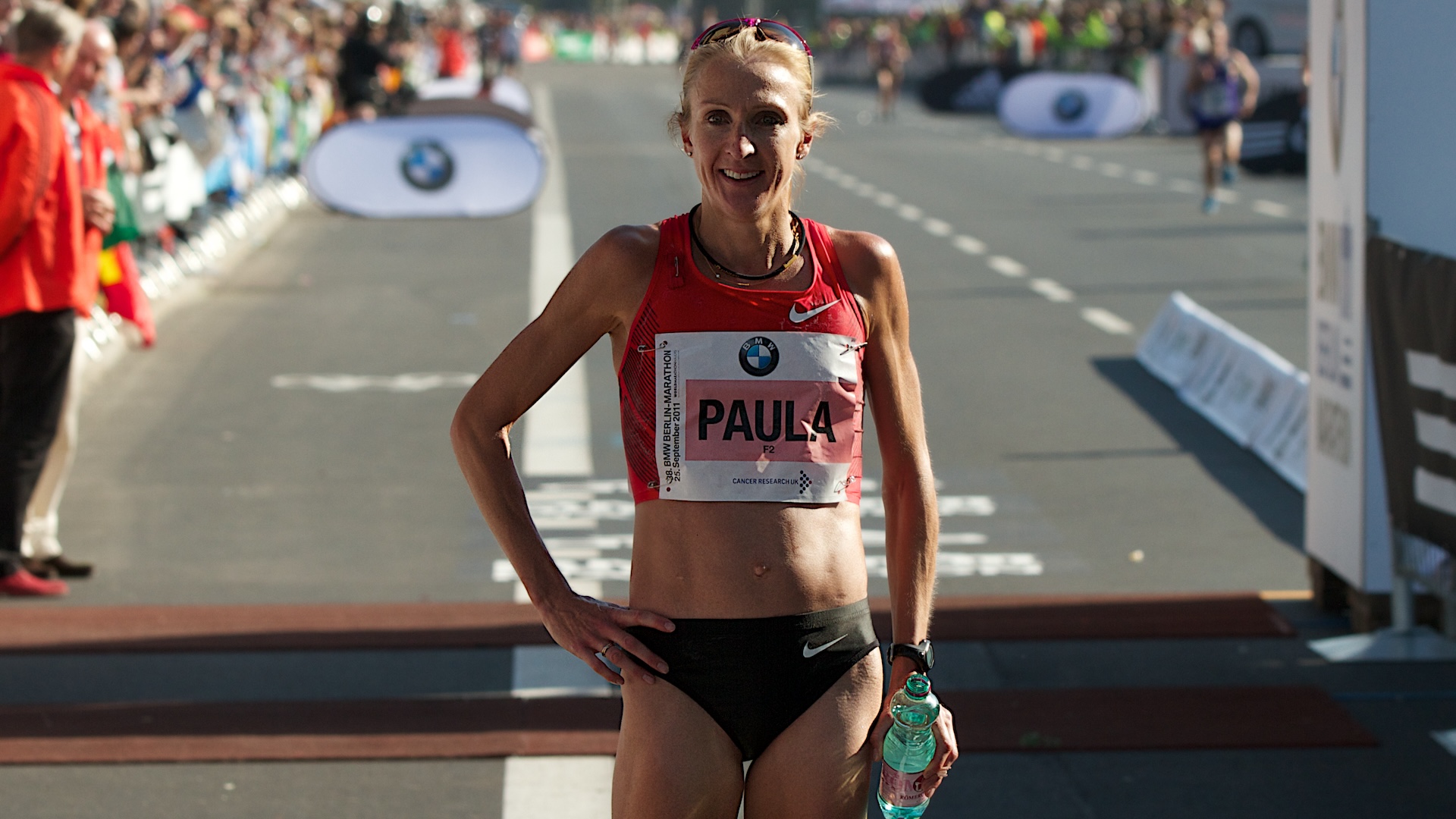
Ectomorphs are characterised by a lean and long build with difficulty in building muscle. They are often suited for endurance sports such as marathon running.
Example:
- Marathon Runners: Athletes like Paula Radcliffe, who have a lean and long build, excel in long-distance running due to their ability to maintain endurance over extended periods.
Mesomorphs
Mesomorphs are muscular and well-built with a high metabolism and responsive muscle cells. They excel in sports requiring strength and agility, like gymnastics or sprinting.
Example:
- Gymnasts and Sprinters: Usain Bolt, known for his muscular and athletic build, demonstrates the ideal characteristics of a mesomorph, excelling in short-distance sprinting.

Endomorphs
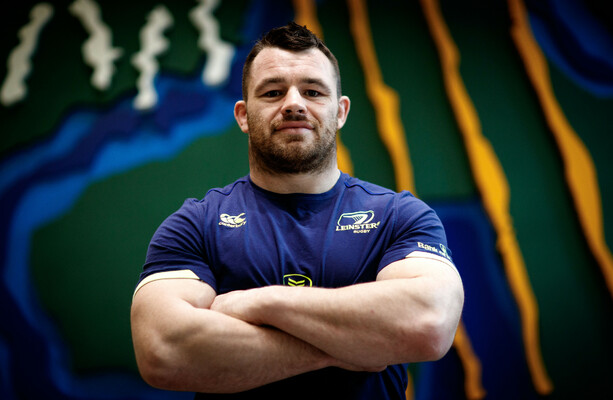
Endomorphs have a higher body fat percentage, often pear-shaped with a tendency to store body fat. They can perform well in sports like weightlifting, rugby, and wrestling.
Example:
- Rugby: Athletes like Cian Healy, who have a higher body fat percentage, often excel in rugby (and in weightlifting) due to their ability to generate power and strength.
Body Image
Note
Body image involves the thoughts, feelings, and perceptions individuals have about their bodies. It is closely linked to self-esteem and well-being. Negative body image can deter individuals from participating in physical activities due to concerns about appearance.
Psychological Impact
Those with a positive body image are more likely to engage in physical activity and enjoy higher levels of satisfaction and well-being. Conversely, a negative body image can lead to avoidance of physical activities and lower self-esteem.
Example:
- Positive Body Image: Athletes who feel confident in their bodies, regardless of size or shape, are more likely to participate in sports and physical activities, which contributes to their overall well-being and happiness.
Social Influence
Supportive and welcoming environments can significantly enhance body image and encourage higher participation rates in sports. Positive reinforcement and acceptance play crucial roles in this regard.
Example:
- Supportive Sports Teams: Teams and coaches that emphasise effort and improvement over physical appearance help foster a positive environment where athletes feel valued and encouraged to participate.
Positive Influences of Media
- Celebrating Diverse Body Types
- Promoting Healthy Lifestyles
- Showcasing Sport's Positive Values
- Presenting Positive and Inspiring Role Models
- Motivating People to Take Part
- Publicise a Variety of Sports, Activities, Shapes, and Sizes
- Making Certain Sports More Fashionable
- Introducing New Supporters to Sport
Celebrating Diverse Body Types
Media that showcases athletes of different shapes and sizes encourages a positive body image and inclusivity in sports.
Example:
- Diverse Representation: Campaigns featuring athletes of various body types, such as the "This Girl Can" campaign, highlight the inclusivity and diversity in sports, promoting positive body image and participation.

Promoting Healthy Lifestyles
Focusing on the health benefits of sports and physical activity rather than appearance helps to foster a more positive and sustainable approach to body image.
Example:
- Health-Focused Campaigns: Media campaigns that promote the health benefits of physical activity, like improved cardiovascular health and mental well-being, encourage individuals to participate in sports for health reasons rather than appearance.
Showcasing Sport's Positive Values
Media that emphasises the positive values of sports, such as teamwork, perseverance, and fair play, helps to promote a healthy and inclusive sporting culture.
Example:
- Inspirational Stories: Broadcasting stories of athletes who have overcome significant challenges to succeed in their sports showcases the values of determination and resilience, encouraging viewers to adopt these positive attitudes.
Presenting Positive and Inspiring Role Models
Media can positively influence body image by presenting athletes who serve as role models and inspire others to participate in sports.
Example:
- Paralympic Athletes: Featuring Paralympic athletes who excel in their sports despite physical challenges provides powerful role models for individuals with disabilities and promotes a more inclusive view of sports.
Motivating People to Take Part
Media coverage that motivates people to engage in physical activity and sports can lead to increased participation and improved public health.
Example:
- Fitness Challenges: Media campaigns promoting fitness challenges, like Couch to 5K, motivate people to take up running and other physical activities, demonstrating that sports can be accessible to everyone.
Publicise a Variety of Sports, Activities, Shapes, and Sizes
Highlighting a diverse range of sports and body types helps to show that there is a place for everyone in the world of sports.
Example:
- Variety in Coverage: Broadcasting lesser-known sports and showcasing athletes of all shapes and sizes encourages viewers to find activities that suit their interests and body types, promoting wider participation.
Making Certain Sports More Fashionable
Media can make certain sports more appealing and trendy, encouraging more people to take part in these activities.
Example:
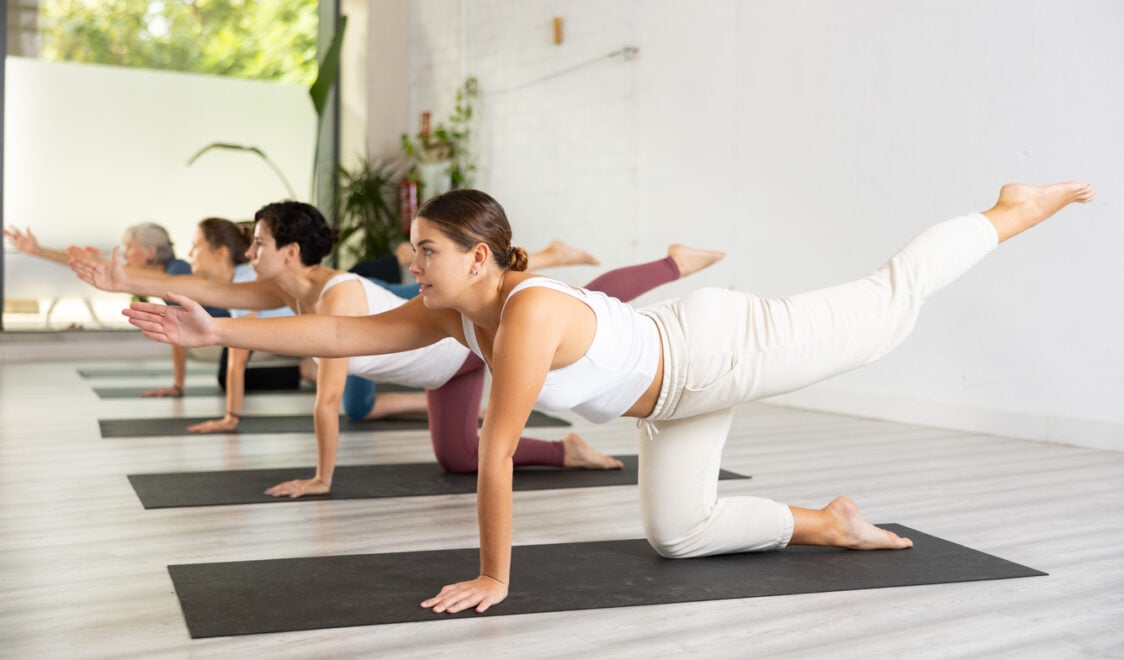
- Yoga Trend: Media coverage of celebrities practising yoga has contributed to the sport's popularity, making it fashionable and encouraging more people to incorporate it into their fitness routines.
Introducing New Supporters to Sport
Media plays a key role in attracting new supporters to sports, expanding the audience base and fostering a more inclusive sporting environment.
Example:
- Sports Documentaries: Documentaries about various sports can introduce new audiences to different athletic disciplines, sparking interest and increasing viewership and participation.
Negative Influence of Media
Note
Unrealistic portrayals and the focus on 'perfect' bodies can lead to dissatisfaction, eating disorders, and reduced participation in physical activities. Media often sets unattainable standards that negatively impact body image.
- Unrealistic Standards
- Reinforcing Stereotypes
- Focus on Appearance over Ability
- Intruding on Athletes' Privacy
- Undermining People's Confidence
- Promoting Negative Values and Behaviour
- Reinforcing Inequalities
Unrealistic Standards
Media often portrays a 'perfect' body type, leading to dissatisfaction and unhealthy behaviours among those who feel they do not meet these standards.
Example:
- Health-Focused Campaigns: Media campaigns that promote the health benefits of physical activity, like improved cardiovascular health and mental well-being, encourage individuals to participate in sports for health reasons rather than appearance.
Reinforcing Stereotypes
By highlighting certain body types and abilities, media can reinforce harmful stereotypes that limit the participation and enjoyment of sports for many individuals.
Example:
- Gender Stereotypes: Media portrayals that focus on muscular men and slender women reinforce gender stereotypes, making it difficult for those who do not fit these moulds to feel accepted in sports.
Focus on Appearance over Ability
Media often emphasises appearance over athletic ability, which can detract from the true value of sports and physical activity.
Example:
- Focus on Looks: Media coverage that highlights an athlete's appearance rather than their performance, such as focusing on female athletes' looks over their achievements, undermines the importance of skill and hard work in sports.
Intruding on Athletes' Privacy
The media's focus on athletes' personal lives can intrude on their privacy and create unnecessary pressure, affecting their mental health and performance.
Example:
- Paparazzi: Constant media scrutiny and invasion of privacy, such as paparazzi following athletes, can lead to stress and anxiety, negatively impacting their performance and personal lives.
Undermining People's Confidence
Media portrayals that set unrealistic standards for body image can undermine individuals' confidence and lead to body dissatisfaction.
Example:
- Photoshopped Images: Edited images of athletes that alter their appearance to fit an idealised standard can create unrealistic expectations and contribute to body dissatisfaction among viewers.
Promoting Negative Values and Behaviour
Media that highlights negative behaviour and values, such as unsportsmanlike conduct or unethical practices, can promote these behaviours among viewers.
Example:
- Controversial Celebrations: Highlighting athletes' controversial or unsportsmanlike celebrations can send the message that such behaviour is acceptable, influencing young athletes to mimic these actions.
Reinforcing Inequalities
Media that focuses on traditional sports or certain social groups can reinforce existing inequalities and limit opportunities for others.
Example:
- Underrepresentation: Limited coverage of women's sports or sports popular in minority communities reinforces social inequalities and restricts the visibility and support for these athletes and activities.
Solutions
Note
Addressing the issues of body image in sports and promoting inclusivity and well-being requires a multifaceted approach involving;
- Media literacy
- Positive messaging
- Supportive environments
Media Literacy
Encouraging critical thinking about media messages and promoting diverse and realistic portrayals of athletes are essential steps in addressing body image issues.
Example:
- Educational Programmes: Programmes that teach media literacy skills help individuals critically analyse media messages and recognise unrealistic portrayals, reducing their impact on body image.
Positive Messaging
Focusing on what the body can do rather than how it looks, and celebrating all body types and abilities, helps to foster a healthier body image.
Example:
- Positive Campaigns: Campaigns that celebrate diverse abilities and achievements, such as featuring athletes with disabilities excelling in their sports, promote a positive and inclusive view of body image.
Support Systems
Providing supportive environments in sports that focus on inclusion and well-being rather than competition and appearance is crucial for promoting positive body image and participation.
Example:
- Inclusive Sports Programmes: Programmes that emphasise fun, teamwork, and personal improvement over competition create a supportive environment that encourages participation from all individuals, regardless of body type.