Gender, Sport and Physical Activity (Leaving Cert Physical Education): Revision Notes
📚Revision Notes
Gender, Sport, and Physical Activity
Note
Learning Focus:
- Influences that affect the participation of boys and girls in physical activity and sport.
- Addressing the imbalance between male and female participation in sports.
- Media impact on male and female involvement in physical activities.
- Body image and socialisation related to the body.
- Effects of hegemonic masculinity and femininity on sport participation.
Overview:
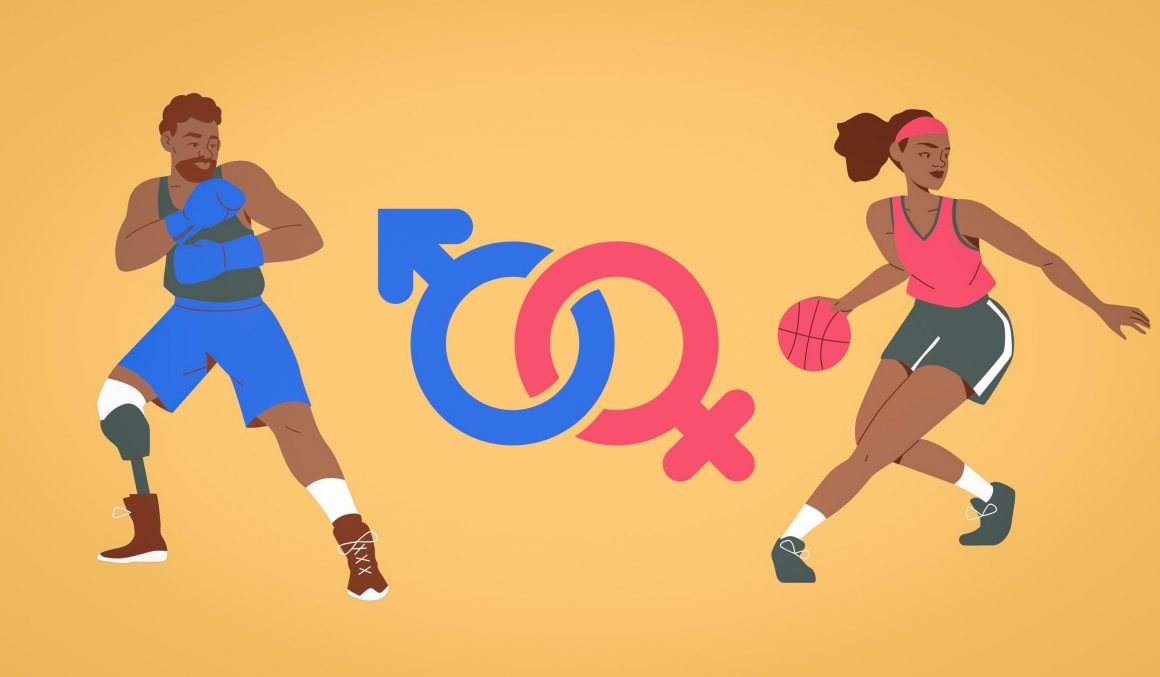
The differences in participation rates are influenced by several factors, including gender, school location, disability, and socioeconomic status. These disparities grow significantly from primary to post-primary levels. For instance, the 9% gap in participation between boys and girls at primary school level (where 86% of boys and 77% of girls participate) widens to a 14% gap at post-primary (66% of boys versus 52% of girls).
There is an overall decline in participation as students progress from primary to post-primary education, and this drop is more pronounced in groups that were already experiencing lower participation rates during their early school years.
The Impact of Gender
Gender plays a critical role in determining participation and confidence levels in physical activity. Boys tend to be more physically active than girls. Boys also seem to gravitate more towards specific activities, particularly those perceived as more suitable for boys, such as team sports like rugby. Certain sports and physical activities are often stereotyped as being appropriate for either boys or girls, further influencing these trends.
Historically, there has been a gender bias in sport that has existed for centuries, as seen in the exclusion of women from participating in the early Olympic Games in Ancient Greece. However, significant progress has been made towards gender equality in sport.
Some key milestones include:
- Introduction of the women's marathon at the Los Angeles Olympics in 1984.
- Inclusion of the women's 3000m steeplechase at the 2008 Beijing Olympics.
- Women's boxing debuted at the 2012 London Olympics.
- In 2021, the Tokyo Olympics saw 48.8% of participants being female—the highest percentage to date.
Children's Sport Participation and Physical Activity (CSPPA) 2018
The CSPPA (2018) and National Sports Policy (2018–2027) report that participation in sports and physical activity is significantly affected by socioeconomic status. Schools with lower funding and resources tend to have fewer opportunities for sports and extracurricular activities.
Key CSPPA Findings:
- Only 17% of Irish primary school children (13% of boys and 10% of girls) met the physical activity guidelines of 60 minutes of moderate to vigorous activity daily.
- This figure drops to just 10% of post-primary children (13% of boys and 7% of girls).
- Boys consistently perform better in meeting physical activity guidelines across both primary and post-primary schools.
- Notably, both boys and girls experienced a decline in activity levels between 2010 and 2018.
- Children from lower-income families participate less in physical activity.
- Socioeconomic status has a significant impact on access to sports clubs and recreational activities.
Note
Activity Patterns:
- 80% of primary children (boys and girls) participate in community sports at least once a week. However, this figure drops to 58% for post-primary students.
- 70% of primary children engage in school sports once a week, compared to 63% in post-primary.
- Screen time remains a significant issue, with 63% of primary children and 42% of post-primary students meeting the 2-hour screen time recommendation.
Influences on Participation
Participation Rates by Various Factors
| Factor | Primary School (%) | Post-Primary School (%) |
|---|---|---|
| Gender | Boys: 86% | Boys: 66% |
| Girls: 77% | Girls: 52% | |
| School Location | Rural: 85% | Rural: 67% |
| Urban: 74% | Urban: 45% | |
| Disability Status | No functional difficulties: 81% | No functional difficulties: 61% |
| Functional difficulty: 72% | Functional difficulty: 43% | |
| Socio-Economic Status | High FAS: 82% | High FAS: 65% |
| Low FAS: 75% | Low FAS: 47% | |
| Age Category | 12-13 years: 73% | 16-20 years: 50% |
Key Observations:
- Gender Gap: Boys are more active than girls in both primary and post-primary schools, but the gap widens as students move to post-primary education.
- School Location: Students in rural areas show higher participation rates than those in urban areas, and this trend holds across both school levels.
- Disability Status: There's a significant drop in participation among students with at least one functional difficulty, especially in post-primary.
- Socioeconomic Status: Children from lower socioeconomic backgrounds participate less in physical activity. A high family affluence score (FAS) correlates with higher participation.
- Age Category: Participation declines significantly as students grow older, with the most noticeable drop in the 16-20 age group.
Note
Knowledge Check:
- How does socioeconomic status affect participation in physical activities in both primary and post-primary school?
- Research how socioeconomic factors in your community affect local physical activity participation.
Physical Education (PE) in Schools
Primary Schools:
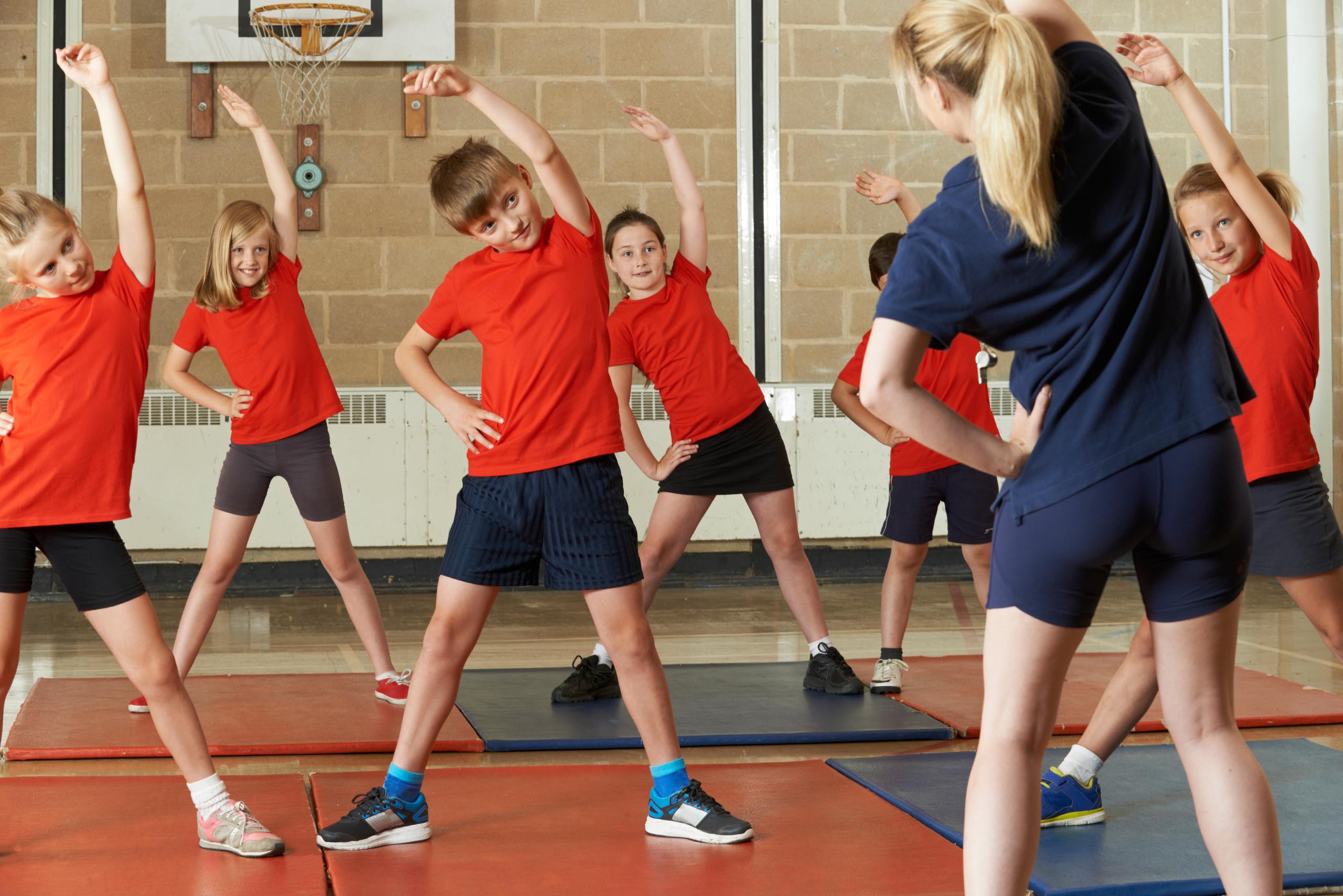
- 18% of children receive no more than 30 minutes of PE per week.
Post-Primary Schools:
- Only 23% of students receive the recommended 120 minutes of PE per week.
- Boys have more PE opportunities than girls in secondary school.
Most common activities in PE programmes:
- Athletics (46% primary, 31% post-primary)
- Gymnastics (13% primary, 24% post-primary)
- Outdoor Adventure (17% post-primary)
School Sports
School sports refer to sports activities organised outside of PE classes. Participation in school sports declines from 70% in primary school to 63% in post-primary. By Fifth and Sixth Year, participation falls further to 38%.
- Top sports include Soccer, Gaelic football, basketball, and hurling/camogie.
- Key Demographics: More boys than girls participate in school sports, with urban students being slightly more active than rural ones.
Note
Exam Tip:
Make sure to study the participation rate trends between primary and post-primary school, especially focusing on gender, disability status, and socioeconomic impact.
Age and Participation in Physical Activity
Young children rely on their parents to provide them with opportunities to engage in physical activities. We have already discussed the significance of the Long-Term Athlete Development (LTAD) model, which highlights the importance of teaching children Fundamental movement skills. These skills are essential for building their confidence in physical activities and setting the foundation for lifelong participation.
As children grow older, the number of activities they participate in often decreases, as they focus on a few selected sports. This focus, along with increasing demands in training, can lead to a natural drop-off in their involvement. To counteract this, offering non-competitive and recreational activities could help keep children engaged in sports and physical activities without the pressure of intense competition.
Note
Children can sometimes be overwhelmed by excessive competition or by focusing too early on specific sports skills, which are not necessary at a young age. Specialising too soon in one sport can increase the risk of burnout and the child dropping out of physical activity entirely.
Gender Socialisation
Gender is a social concept that refers to the roles and behaviours associated with being male, female, or another identity. Unlike biological sex, which is assigned at birth, gender refers to how individuals are expected to act within society.
Gender socialisation is the process by which children learn the behaviours, attitudes, and expectations associated with their gender.
Stereotyping involves holding fixed beliefs about the characteristics of a particular group of people, in this case, boys and girls.
Gender socialisation can reinforce stereotypes. From an early age, children's activities are often shaped by the societal norms associated with their biological sex. For example, certain sports and physical activities are often seen as being more suited to boys, which can lead to boys believing they are more skilled or have greater potential than girls. This belief contributes to the gender participation gap in sports.
Here are some examples of how gender stereotyping impacts participation in sports and physical activities:
- Parents often encourage their daughters less than their sons to participate in sports, limiting their opportunities for involvement.
- Girls are less likely to be taught fundamental movement skills early on, which puts them at a disadvantage as they grow older and begin to engage in sports.
- Children often receive toys and activities that reflect gender stereotypes. Girls may be more encouraged to engage in artistic or aesthetic activities, while boys are pushed towards high-contact or competitive sports.
- Rigid male stereotypes, which emphasise strength and athleticism, can lead to boys who are not athletic being ridiculed.
This contributes to the persistence of gender inequalities in sports participation, with boys typically being more involved in certain physical activities than girls.
Popular PE Activities for Boys and Girls (CSPPA 2018)
| Primary Girls | Primary Boys | Post-Primary Girls | Post-Primary Boys |
|---|---|---|---|
| Basketball | Soccer | Basketball | Soccer |
| Gaelic Football | Gaelic Football | Badminton | Soccer |
| Soccer | Soccer | Soccer | Athletics |
| Athletics | Athletics | Athletics | Rounders/Baseball |
| Dance | Rounders/Baseball | Swimming | Rounders/Baseball |
Female Stereotypes:
- Women should not engage in aggressive or combat sports: Society often discourages women from participating in sports like boxing, rugby, or wrestling because these are viewed as violent and 'unfeminine' activities. This creates barriers to participation in more physical or contact sports for women.
- Strong, athletic women are not feminine: Athletic women are sometimes perceived as less feminine because their physique may not conform to traditional ideals of female beauty, which emphasises delicacy and slimness. This discourages women from developing muscle or participating in sports that require strength.
- Women should participate in artistic and aesthetic sports: Activities like gymnastics, figure skating, and synchronised swimming are traditionally seen as "appropriate" for women because they align with conventional notions of grace, beauty, and elegance. These sports reinforce the stereotype that women should focus on artistic and visually pleasing sports.
- Women who train for sports will develop masculine features: There is a common misconception that women who engage in rigorous athletic training will develop big muscles and lose their femininity. This stereotype can prevent women from pursuing strength training or endurance sports, despite the health benefits.
Male Stereotypes:
- Men should play aggressive or combat sports: Society typically expects men to participate in sports that emphasise strength, aggression, and competition, such as football, boxing, and wrestling. Engaging in these sports is viewed as a sign of masculinity and dominance.
- Men should be competitive: There is a strong societal expectation that men must be driven by competition and a desire to win, reinforcing the idea that men should dominate in sports. Men are often judged by their success and performance in athletic competitions, regardless of their actual interest in sport.
- Men should not participate in artistic or aesthetic sports: Sports like gymnastics, figure skating, or dance are often viewed as "feminine," and men who participate in them can be subject to ridicule or assumptions about their masculinity. This limits men's involvement in these sports despite their physical rigour and skill requirements.
- Men who are thin and slim are not masculine: In some sporting cultures, slim or less muscular men are perceived as lacking in masculinity. This stereotype pushes men towards building bulk or engaging in strength-based sports, like weightlifting or rugby, to prove their masculinity.

Note
Knowledge Check:
- How do gender stereotypes influence participation in sports for both males and females?
- Can you provide examples of sports where these stereotypes are particularly strong?
- What can be done to challenge these stereotypes in physical education and sport?
Socioeconomic Status & Physical Education
- Socioeconomic Barriers:
- Lower-income families often find it difficult to afford participation fees for sports clubs or recreational activities. This contributes to lower participation rates among children from disadvantaged backgrounds.
- Physical Education (PE) Time Allocation:
- PE class time is limited across schools. In primary schools, 18% of children receive less than 30 minutes of PE per week, and at the post-primary level, only 23% of students meet the recommended 120 minutes of PE per week.
- PE programmes tend to be biassed towards particular sports. For example, team games like soccer and Gaelic football dominate the curriculum, while other physical activities like gymnastics and dance receive less attention.
- Access to sports facilities and extracurricular activities significantly impacts children's engagement in sports. Many schools report inadequate resources, with a lack of indoor and outdoor playing areas limiting opportunities for physical activity. Schools in disadvantaged areas are particularly affected, with fewer facilities available to encourage regular participation in sports.
- When the quality of experience is poor, it can lead to drop-out rates, especially among girls who may not receive the same level of support as boys.
How to address in-balances in PE
Strategies:
- Increase in PE Time Allocation: All schools should ensure that they provide a minimum of 60 minutes of PE per week at the primary level and 120 minutes at the post-primary level. This increase in time would help tackle the imbalance in PE provision, offering more opportunities for both genders to engage in physical activities.
- Implement a Broad and Balanced PE Programme: Schools often focus more on games-based sports, which may limit the variety of activities offered. Introducing a broader range of activities that go beyond games would promote lifelong participation. This could include non-traditional activities such as dance, athletics, or even outdoor and adventure sports. Balance in PE programmes ensures that all students can explore various activities and find something they enjoy, regardless of gender.
Knowledge Check:
- Why is it important for schools to introduce a broad range of activities in PE?
- Name some examples of non-games-based activities that could be introduced.
- Strengthen School-Club Links: Schools should work closely with community sports clubs to improve participation in physical activities. Establishing pathways between school activities and local sports clubs would help children and young people maintain their engagement in sports outside school hours. This approach has been successful in countries like Scotland with their "Active Schools Flag" programme.
Key Benefit:
- These pathways provide students access to daily physical opportunities and better links between school sports and community sports.
- Extracurricular Provision: Encouraging participation in extracurricular activities, particularly for girls, would help to increase their activity levels. Activities after school provide a space for students to continue participating in sports they enjoy. Schools should aim to provide diverse extracurricular opportunities that extend beyond traditional team sports.
Knowledge Check:
- What are the benefits of extracurricular provision in addressing gender imbalances?
- Increase Parental/Guardian Involvement: Parents and guardians play a significant role in shaping attitudes towards physical activity. Encouraging parents to become more involved in school sports, through attending events or supporting extracurricular clubs, can positively influence children's participation.
- Promote Active Travel: Schools should encourage students to engage in active travel, such as walking or cycling to school, which can significantly boost daily physical activity levels. This can also help overcome any barriers to accessing physical activity facilities outside school hours.
- Active School Flag: Schools can aim to achieve the "Active School Flag", which promotes a commitment to physical activity across the curriculum. Schools holding the flag are recognised for their efforts in making physical education accessible and inclusive for all students.
- Education: Educating students on the benefits of physical activity, as well as addressing gender stereotypes, can help break down the barriers that discourage participation. Schools should offer learning opportunities that emphasise the importance of staying active throughout life.
Note
Knowledge Check:
- What is meant by the term "gender socialisation" in physical activity contexts?
- Outline how increased PE time allocation can help reduce the gender gap.
- Describe one-way school-club links can benefit students' involvement in physical activities.
Role models in Sport
Female role models in sports play a crucial role in fostering confidence, leadership, teamwork, and a strong work ethic, all of which are essential for success both in and out of sport. Female athletes often embody these traits, serving as inspirations for young girls. Ireland is fortunate to have many influential female athletes who serve as role models. However, for young females to be motivated and inspired by these athletes, visibility is key—they need to see them in action.
One significant initiative in this regard is the 20x20 Campaign. Running from October 2018 to October 2020, this campaign aimed to significantly alter the representation and perception of women's sports in Ireland. Its goal was to increase the visibility of women in sports by 20% across three main areas over a two-year period: media coverage, attendance at key sporting events, and participation. By improving these three areas, the campaign sought to make women's sports more prominent and impactful.
Impact of the 20x20 Campaign
By the conclusion of the campaign, several positive changes had occurred:
- 80% of the population reported increased awareness of women's sports since the campaign's launch.
- 61% were more inclined to support women's sports.
- 75% of men stated that their attitude towards women's sports had improved.
- 42% of women indicated they were more active in sports and physical activity than before, partly due to the campaign's influence.
- 50% of the total population, and 60% of women, said they were more likely to buy products from brands that sponsor women's sports.
Note
Performer in Focus: Rachael Blackmore Rachael Blackmore made history as the first female jockey to win the prestigious Champion Hurdle at the Cheltenham Festival in 2021. She further cemented her legacy by riding six winners at the same festival and securing the title of leading jockey. Rachael's success did not stop there. She became the first woman to win the Grand National, riding Minella Times to victory. Her exceptional accomplishments earned her recognition as the RTÉ Sports Person of the Year and BBC World Sports Person of the Year in 2021.
Equality in Governance
In 2015, only 14% of top-level leadership positions in National Governing Bodies (NGBs) across Europe were held by women. This figure varied widely by country, with Poland having the lowest representation at 3%, while Sweden led with 43%. This trend continues, and even today, only 6.5% of top-level positions in sports are held by women. Increasing the number of women in decision-making roles within sports governance is a critical step towards achieving gender equality in the industry.
More Female Coaches and Officials
Coaching and officiating in sports are still dominated by men. In Europe, fewer than 30% of all sports coaches are women, and female coaches are primarily involved with female athletes. Although progress is being made, much work remains. Promoting women into coaching and officiating roles is key to achieving equality in sports, especially when it comes to creating female role models in leadership positions.
Addressing the Gender Imbalance
Note
Efforts to address gender imbalances in sports participation focus on creating inclusive environments and promoting positive experiences;
Role Models and Initiatives
Targeted campaigns and initiatives are essential in encouraging girls' participation in sports. Highlighting female role models and creating supportive environments can help break down barriers and inspire young girls to engage in physical activities.
Example:
- The "This Girl Can" campaign in the UK successfully used media to portray women of all shapes and sizes engaging in sports, which helped to increase participation among women and girls.
Tackling Drop-out Rates
Implementing policies and programmes to retain girls in sports during critical drop-out periods is crucial. Providing opportunities for continued engagement and addressing the unique challenges faced by girls in sports can help sustain their participation.
Example:
- Implementing after-school sports programmes that focus on fun and skill development rather than competition can help retain girls' interest in sports.
The Early Years
Focusing on structured physical activity programmes in early childhood is vital in fostering lifelong engagement in sports. Early intervention and support can help instil positive attitudes towards physical activity and promote a healthy lifestyle from a young age.
Example:
- Early intervention programmes that introduce fundamental motor skills and promote play-based physical activity have been shown to increase long-term participation rates among children.
Social Stigma
Gender-based discrimination and social stigma impact girls' participation in sports. Traditional gender roles and societal expectations can discourage girls from engaging in physical activities, as they may fear being labelled as "manly" or "gay." Overcoming these stigmas requires creating an inclusive environment that encourages girls to participate in sports without fear of judgement.
Example:
- Programmes that promote gender equality and celebrate female athletes help reduce stigma and encourage girls to participate in sports.