Adapted Physical Activity (Leaving Cert Physical Education): Revision Notes
📚Revision Notes
Adapted Physical Activity
Note
Definition: Adapted physical activity provides opportunities for people with disabilities to engage in physical activities. It can involve modifying existing activities or developing new ones to suit individual needs. It promotes inclusion and ensures all individuals, regardless of ability, have access to sports and physical activities.
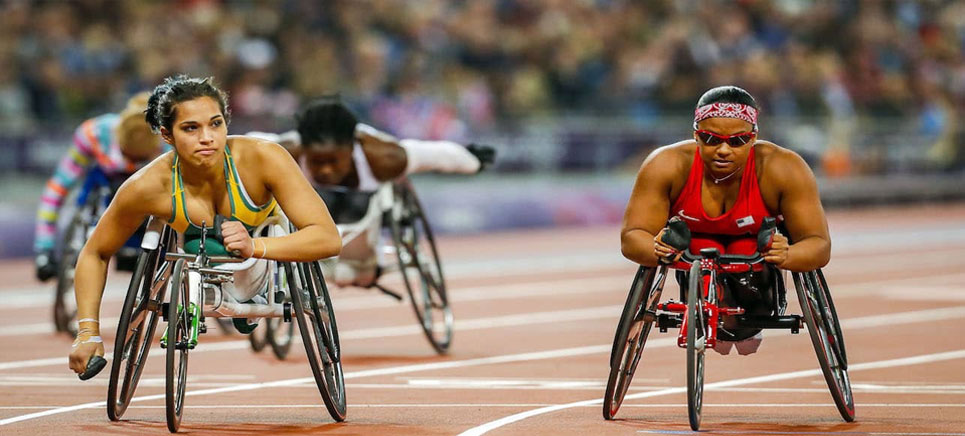
Examples of Adapted Physical Activities:
- Cycling: Adaptive bicycles (e.g., tricycles or handcycles) are commonly used for individuals with disabilities. They help maintain stability and are often equipped with special handles and seating for people with upper or lower limb disabilities. Tandem cycling is used for individuals with visual impairments.
- Golf: Adaptive golf carts and equipment allow individuals to participate in golf. Some adaptations, such as seated or standing swings, help individuals stabilise their body while playing.
- Horse Riding: Horses can be used therapeutically to improve physical, cognitive, and emotional well-being. Adapted equipment and ramps help wheelchair users mount horses.
- Paddling Sports: Activities like canoeing and kayaking are made accessible by modifying equipment, such as specialised seats and grips.
- Sitting Volleyball: In this version of volleyball, players remain seated, and the court size and net height are adjusted. Players must have one buttock in contact with the ground while playing.
- Swimming: Adaptive swimming includes all forms of swimming, sometimes using supportive devices like lifts, flotation devices, or prosthetics to assist individuals with physical disabilities.
- Tennis: Adaptations in tennis allow individuals in wheelchairs to participate by modifying rackets and rules to suit their needs.
- Wheelchair Basketball: The same rules apply as regular basketball, but it is played in a wheelchair. There are some variations for dribbling and contact rules.
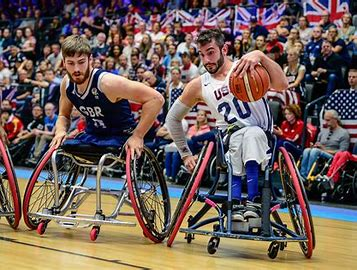
Other Sports:
These include archery, rugby, fencing, water skiing, and more, all of which have adaptations for individuals with disabilities.
Key Points:
- Adapted Sports: Tailor sports and activities to the needs of individuals with physical disabilities.
- Examples: Cycling, golf, horse riding, sitting volleyball, etc.
- Goal: Ensure that everyone, regardless of disability, has access to physical activity.
Note
Practical Task:
- Investigate how one of your chosen sports can be adapted for people with disabilities (e.g., equipment changes, rule modifications).
- Research how National Governing Bodies (NGBs) provide pathways to excellence for athletes with disabilities.
Note
Knowledge Check:
- Explain the term "adapted physical activity."
- Outline three adapted physical activities and explain how they are modified for people with disabilities.
Provision for Adapted Physical Activities in Schools and Communities
Note
Adapted Physical Activity (APA) is crucial for ensuring that individuals with diverse abilities can participate in physical activities. Effective provision for APA in schools and communities involves creating inclusive environments, offering appropriate programmes, and ensuring that facilities and resources meet the needs of all participants.
- Developing Inclusive Policies and Programmes
- Enhancing Accessibility and Facilities
- Providing Training and Support for Educators and Coaches
- Implementing Adapted Physical Activities
- Encouraging Community Involvement
- Promoting Inclusive Education and Awareness
- Conducting Regular Assessments and Feedback
1. Developing Inclusive Policies and Programmes
Creating policies and programmes that support inclusive physical activities ensures that individuals with various abilities have opportunities to participate.
Example:
- National Frameworks: National frameworks and guidelines can help schools and communities develop inclusive policies that promote APA
2. Enhancing Accessibility and Facilities
Ensuring that physical activity facilities are accessible to all individuals is essential for promoting participation. This includes adapting existing facilities and building new ones that cater to diverse needs.
Example:
- Accessible Sports Facilities: Schools and community centres can provide wheelchair-accessible gyms, swimming pools, and sports fields to accommodate participants with disabilities.
3. Providing Training and Support for Educators and Coaches
Educators and coaches need specific training to effectively support individuals participating in APA. This includes understanding the principles of inclusive physical education and learning how to adapt activities.
Example:
- Specialised Training Programmes: Training programmes for teachers and coaches on how to include students with disabilities in physical education classes.
4. Implementing Adapted Physical Activities
Implementing adapted physical activities that cater to various abilities ensures that everyone can participate and benefit from physical activity.
Example:
- Wheelchair Basketball: Offering wheelchair basketball in schools and community centres to provide opportunities for individuals with physical disabilities to engage in sports.
5. Encouraging Community Involvement
Community involvement is essential for the success of APA programmes. Engaging local organisations, families, and volunteers can help create a supportive environment for participants.
Example:
- Local Sports Partnerships: Collaborating with local sports partnerships to promote APA programmes and involve community members in supporting inclusive activities.
6. Promoting Inclusive Education and Awareness
Raising awareness about the importance of inclusive physical activities and educating the community about APA can help reduce stigma and encourage broader participation.
Example:
- Awareness Campaigns: Running campaigns that highlight the benefits of APA and showcase success stories to inspire others to participate and support inclusive activities.
7. Conducting Regular Assessments and Feedback
Regular assessments and feedback mechanisms can help evaluate the effectiveness of APA programmes and identify areas for improvement. This ensures that the programmes continue to meet the needs of participants.
Example:
- Programme Evaluations: Conducting evaluations of APA programmes in schools and communities to gather feedback from participants and make necessary adjustments.
Adapted Physical Activity (APA) Programmes
Note
The Adapted Physical Activity (APA) programmes focus on modifying physical activities to ensure that individuals with various abilities can participate. These programmes aim to provide inclusive and enjoyable experiences for all participants, promoting physical health and social inclusion.
- Types of APA Programmes
- Benefits of APA Programmes
- Key Components of Successful APA Programmes
1. Types of APA Programmes
APA programmes can vary widely, but they all share the goal of providing inclusive physical activities. These programmes can include individual sports, team sports, and recreational activities adapted to meet the needs of participants.
Example:
- Goalball: A sport designed for athletes with visual impairments that uses a ball with bells inside to guide players.
2. Benefits of APA Programmes
APA programmes offer numerous benefits, including improved physical health, enhanced social skills, and increased self-confidence. They also provide opportunities for individuals to engage in physical activities they might not otherwise have access to.
Example:
- Social Inclusion: APA programmes help participants build friendships and develop a sense of belonging within their communities.
3. Key Components of Successful APA Programmes
Successful APA programmes typically include several key components, such as accessible facilities, trained staff, and supportive communities. These elements are essential for creating an inclusive and effective programme.
Example:
- Supportive Community: Engaging local organisations and volunteers to support APA programmes and create an inclusive environment for participants.
Inclusive Education and Awareness
Note
Promoting inclusive education and raising awareness about the importance of APA are crucial for ensuring that everyone has the opportunity to participate in physical activities. This involves educating the community, reducing stigma, and highlighting the benefits of inclusive physical activity.
- Raising Awareness
- Reducing Stigma
- Highlighting Benefits
1. Raising Awareness
Educating the community about APA and its benefits can help increase participation and support for inclusive physical activities.
Example:
- Community Workshops: Hosting workshops that educate community members about APA and demonstrate how they can support inclusive activities.
2. Reducing Stigma
Efforts to reduce stigma associated with disabilities and physical activities can help create a more inclusive environment for all participants.
Example:
- Inclusive Campaigns: Running campaigns that challenge stereotypes and promote positive attitudes towards individuals with disabilities participating in physical activities.
3. Highlighting Benefits
Emphasising the benefits of APA, such as improved health and social inclusion, can encourage more individuals and organisations to support and participate in these programmes.
Example:
- Success Stories: Sharing success stories of individuals who have benefited from APA programmes to inspire others and demonstrate the positive impact of inclusive physical activities.
Programme Evaluation and Feedback
Note
Regular evaluation and feedback are essential for maintaining the effectiveness of APA programmes. This ensures that they continue to meet the needs of participants and can be adapted based on feedback to improve their inclusivity and impact.
1. Importance of Evaluation
Evaluating APA programmes helps identify strengths and areas for improvement, ensuring that they effectively promote inclusivity and participation.
Example:
- Participant Surveys: Conducting surveys with participants to gather feedback on their experiences and identify areas for improvement.
2. Adapting Based on Feedback
Using feedback from participants and stakeholders to make necessary adjustments to APA programmes ensures that they remain relevant and effective.
Example:
- Programme Adjustments: Making changes to programme activities or facilities based on feedback to better meet the needs of participants.
3. Continuous Improvement
Continuous improvement of APA programmes through regular evaluation and adaptation ensures that they provide the best possible experience for participants.
Example:
- Ongoing Training: Providing ongoing training for educators and coaches to ensure they are equipped with the latest knowledge and skills for supporting APA.