Developments in Physical Activity (Leaving Cert Physical Education): Revision Notes
📚Revision Notes
Developments in Physical Activity and Sporting Opportunities Over the Past Twenty Years
Media Coverage of Women in Sport and Physical Activity
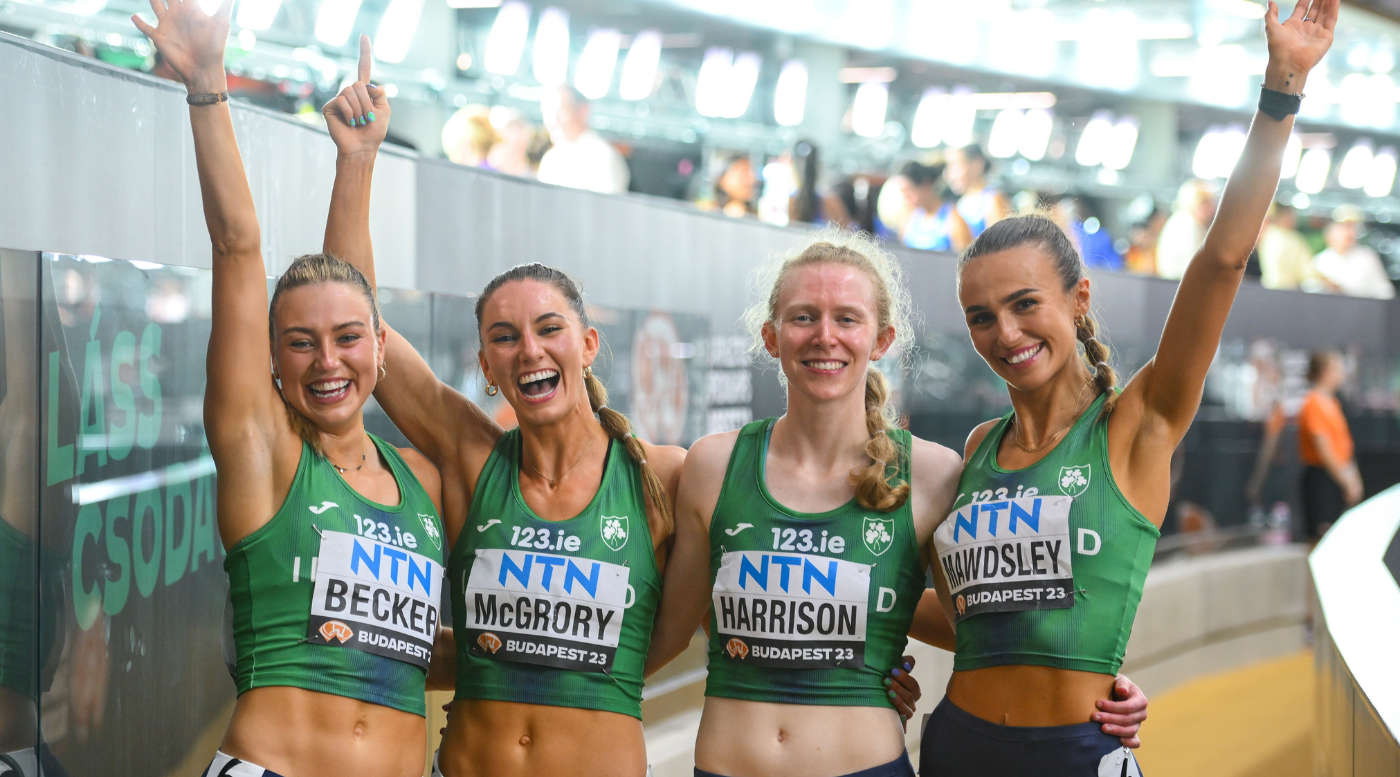
Media plays a crucial role in shaping gender norms and stereotypes, particularly in sports. Since the launch of the 20x20 campaign, media coverage of female sports has increased by 50%. This coverage helps to balance representation between male and female sports, promoting gender equality and inclusivity in the portrayal of athletes.
2018
- Less than 12% of television sports coverage in Ireland featured women's sports.
- 4% of total sports coverage in Ireland was dedicated to women's sports.
- 3% of print coverage in Ireland was dedicated to women's sports. Exam Tip: Analyse how such a low percentage of coverage impacts the visibility of female athletes and the promotion of women's sports. Consider why this disparity exists in television, print, and online media.
2020
- Only 5% of print coverage focused on women in sports. This reflects a significant increase compared to 2018 but highlights the ongoing gap.
- Research from Sport for Business found varying levels of media coverage across publications:
- Irish Examiner 20%
- Irish Independent 9%
- Irish Daily Star 7%
- Irish Times 0%
- The Guardian 12%
Note
Knowledge Check:
- Why do you think certain media outlets provide more coverage for women's sports compared to others?
- How does this influence the growth and development of women's sports in Ireland?
2021
- Over 270 hours of coverage during the Tokyo Olympics and Paralympics were equally divided between male and female athletes.
- 48.8% of competitors at the Tokyo Olympics were female, setting a record for gender representation.
- Sport for Business research found:
- RTÉ Sport devoted 22.5% of its coverage to female sports.
- The 42 gave 31.2% coverage.
- Irish Examiner covered 11.5%.
- Irish Independent 15.1%.
- Irish Times 11.9%. Exam Tip: Media campaigns, like Lidl's Level the Playing Field for women's Gaelic football, demonstrate how corporate support can contribute to increased visibility and support for women in sports.
Practical Task:
Analyse the media coverage data for 2020 and 2021. Highlight key changes and similarities, and suggest ways to continue increasing visibility for female athletes.
Note
Knowledge Check:
- Discuss how developments in women's physical activity and sports over the past 20 years have influenced female participation levels.
- Describe the portrayal of female sports and physical activity in the media.
- Examine how media coverage may affect female participation in physical activities or sports.
Note
Stretch Yourself: Investigate recent media campaigns focusing on women in sports. How do these campaigns tackle gender inequalities in sports coverage? Use specific examples to support your findings.
Developments in Women's sports in the last 20 years
| Year | Event |
|---|---|
| 2002 | • Women's bobsleigh and skeleton introduced in the Winter Olympics. |
| 2004 | • Women's wrestling makes its debut at the Olympics. • ESRI finds that less than 20% of women meet the recommended 30 minutes of physical activity, 5 days a week. |
| 2005 | • Sport Ireland significantly invests in the Women in Sport Programme. • The New York City Marathon awards a female winner 100,000, marking the first time a female received a higher prize in a sporting event. |
| 2007 | • Wimbledon awards equal prize money to male and female competitors—24 years after the US Open. • The gender gap in sports participation is 15.7%, according to the ISM. |
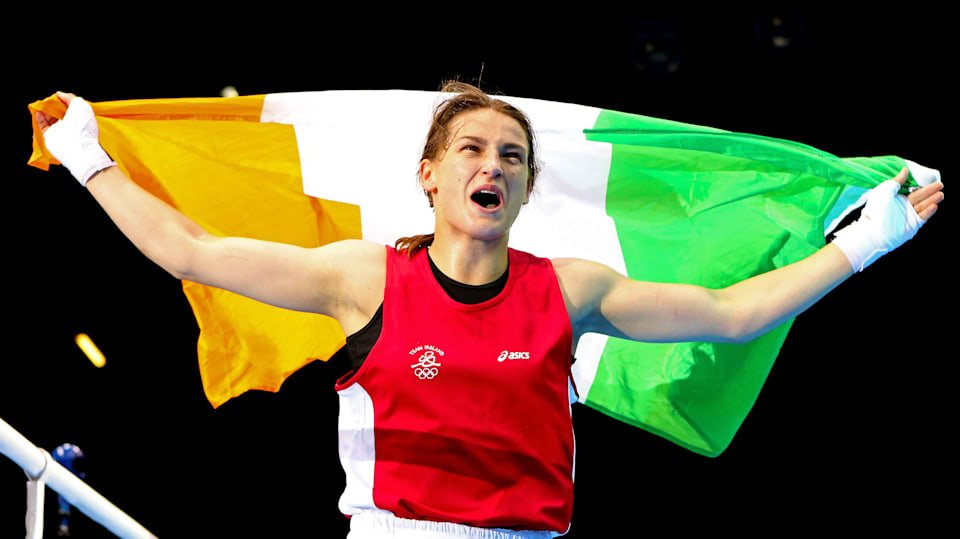
| 2011 | • Women's boxing introduced in the Olympics. • Katie Taylor wins Olympic gold. • Saudi Arabia lifts its ban on women competing at the Olympics. |
| 2013 | • ISM report indicates increased female participation and a reduced gender gap of 9.3%. |
| 2014 | • Women's ski jumping included in the Winter Olympics. |
| 2015 | • Inpho launches eBook: Changing the Game: Irish Women in Sports 2000–2015. • Katie Taylor makes her professional boxing debut. • Women's rugby sevens added to the Olympic programme, reducing male-only events to 25. |
| 2017 | • Irish women's soccer team stands up for their rights and speaks out about inequalities. Grievances include: – Lack of pay for players on international duty – Poor gear and facilities – Lack of gym memberships |
| 2018 | • Sport Ireland launches the Women in Sport Survey. • The National Sports Policy 2018-2027 launches, focusing on future actions for gender equality. • The 20x20 campaign begins, aiming to increase the visibility of women in sport. • Over 50,000 people attend Croke Park for the LGFA final. |
| 2019 | • Fallon Sherrock defeats men at the World Darts Championships, the first female competitor to beat men at this event. • Results from the 20x20 campaign's first year show: – 17% increase in female participation in sport – 34% increase in attendance at female sports events – 52% increase in media coverage of women's sports • RTÉ broadcasts the Women's Soccer World Cup Final for the first time in history. |
| 2020 | • Numerous campaigns launch, including Equal Advantage and Women in Coaching programmes, and Tennis Ireland's Equal Advantage. • The Irish Times Sport Ireland recognises overall achievements in female sports. |
| 2021 | • The Tokyo Olympics achieve the most gender-balanced Olympic Games, with 5,494 women and 5,982 men competing. • HER Outdoors Week encourages participation by females in various outdoor sports. • Rachel Blackmore becomes the first female to win The Grand National and is named RTÉ Sportsperson of the Year. • The Ladies Gaelic Football Association continues to gain visibility as TG4 celebrates 21 years of sponsorship and broadcasting the championship finals. |
Developments in Physical Activity and Sport
Note
Over the past twenty years, there have been significant developments in physical activity and sport in Ireland. These changes aim to increase participation, improve facilities, and promote inclusivity, reflecting a broader shift towards recognising the importance of physical activity for all demographics.
- Increased Funding and Support
- Enhanced Media Coverage
- Advancements in Inclusivity
- Development of Programmes for Specific Groups
- Promotion of Female Participation
- Implementation of Adapted Physical Activity Programmes
- Encouragement of Community Engagement
1. Increased Funding and Support
Significant investments have been made to support and promote physical activity. This includes funding for facilities and programmes that encourage widespread participation.
Example:
- Irish Sports Monitor Report: According to the 2017 report, substantial funding has been directed towards developing sports facilities and programmes, contributing to higher participation rates.
2. Enhanced Media Coverage
Media coverage plays a crucial role in raising awareness and promoting sports among diverse groups. Highlighting achievements in sports can inspire others to participate.
Example:
- Media Campaigns: Campaigns that feature minority groups and female athletes help to challenge stereotypes and promote inclusivity.
3. Advancements in Inclusivity
Efforts have been made to create inclusive sports environments that accommodate individuals with various abilities and backgrounds.
Example:
- SARI Initiatives: Sport Against Racism Ireland (SARI) uses sports to promote social inclusion and integration, bringing together individuals from different ethnic backgrounds.
4. Development of Programmes for Specific Groups
Targeted programmes have been developed to cater to the needs of specific groups, such as older adults and people with disabilities.
Example:
- Go for Life Games: Initiatives like Go for Life Games encourage older adults to participate in sports, fostering a sense of community and promoting physical health.
5. Promotion of Female Participation
There has been a concerted effort to promote female participation in sports, addressing gender disparities and encouraging more women and girls to engage in physical activities.
Example:
- 20x20 Campaign: The 20x20 campaign in Ireland aims to increase visibility and participation of women in sports, inspiring future generations of female athletes.
6. Implementation of Adapted Physical Activity Programmes
Adapted Physical Activity (APA) programmes focus on modifying activities and environments to ensure that everyone, regardless of their abilities, can participate.
Example:
- Wheelchair Rugby: Adapted programmes like wheelchair rugby provide opportunities for individuals with physical disabilities to engage in competitive sports.
7. Encouragement of Community Engagement
Engaging communities in the development and implementation of sports programmes ensures that these initiatives are relevant and effective.
Example:
- Local Sports Partnerships (LSPs): LSPs work at the community level to involve local groups in promoting physical activity, ensuring that programmes meet the specific needs of the community.
Sports Media Coverage
Note
Sports media coverage has evolved significantly over the past twenty years, playing a crucial role in promoting inclusivity and raising awareness about the importance of physical activity. Media campaigns and coverage of minority groups have contributed to changing perceptions and encouraging broader participation.
- Role of Media in Promoting Sports
- Addressing Gender Disparities
- Highlighting Achievements of Minority Groups
1. Role of Media in Promoting Sports
The media plays a pivotal role in informing the public about the importance of sports and physical activity, highlighting achievements, and inspiring participation.
Example:
- Coverage of Paralympic Games: Increased media attention for events like the Paralympic Games has raised awareness about the abilities of athletes with disabilities and promoted inclusivity.
2. Addressing Gender Disparities
Efforts have been made to address gender disparities in sports media coverage, ensuring that female athletes receive the recognition they deserve.
Example:
- Initiatives for Female Representation: Media initiatives that focus on increasing the visibility of female athletes help to promote gender equality in sports.
3. Highlighting Achievements of Minority Groups
Media coverage that highlights the achievements of minority groups in sports can challenge stereotypes and encourage broader participation.
Example:
- Sport Ireland Reports: Reports and media campaigns that showcase the achievements of diverse groups in sports help to inspire others and promote inclusivity.
Increasing Physical Activity
Note
Increasing participation in physical activity is a key goal, driven by the recognition of its benefits for health and well-being. Efforts to promote physical activity have focused on: improving facilities, creating inclusive programmes, and raising awareness about the importance of staying active.
1. Importance of Physical Activity
Physical activity is essential for maintaining health and well-being. Efforts to increase participation focus on creating opportunities for all individuals to engage in physical activities.
Example:
- National Campaigns: National campaigns that promote the benefits of physical activity can encourage more people to incorporate exercise into their daily lives.
2. Development of Facilities
Improving and developing sports facilities is crucial for increasing participation. Accessible and well-maintained facilities encourage more people to engage in physical activities.
Example:
- Investment in Sports Facilities: Significant investments in sports facilities, such as gyms and swimming pools, provide the necessary infrastructure to support physical activity.
3. Promoting Inclusivity in Physical Activity
Creating inclusive programmes ensures that everyone, regardless of their abilities or background, can participate in physical activities.
Example:
- Inclusive Sports Programmes: Programmes designed to include individuals with disabilities and from diverse backgrounds promote equality and increase participation rates.
Noteworthy Developments
Note
There have been several noteworthy developments in physical activity and sports over the past twenty years. These include:
- Increased support for people with disabilities
- The promotion of female participation
- Community Engagement Initiatives
- Development of Adapted Physical Activity (APA) Programmes
1. Support for People with Disabilities
Efforts to support individuals with disabilities in sports have led to the development of adapted programmes and increased opportunities for participation.
Example:
- Sports Inclusion Disability Programme: Initiatives like the Sports Inclusion Disability Programme provide resources and support for individuals with disabilities to engage in sports.
2. Promotion of Female Participation
Promoting female participation in sports has been a significant focus, aiming to address gender disparities and encourage more women and girls to engage in physical activities.
Example:
- 20x20 Campaign: The 20x20 campaign aims to increase the visibility and participation of women in sports, inspiring future generations of female athletes.
3. Community Engagement Initiatives
Engaging communities in the planning and implementation of sports programmes ensures that these initiatives are relevant and effective.
Example:
- Local Sports Partnerships (LSPs): LSPs involve local groups in promoting physical activity, ensuring that programmes meet the specific needs of the community.
4. Development of Adapted Physical Activity (APA) Programmes
Adapted Physical Activity (APA) programmes focus on modifying activities and environments to ensure that everyone, regardless of their abilities, can participate.
Example:
- Wheelchair Rugby: Adapted programmes like wheelchair rugby provide opportunities for individuals with physical disabilities to engage in competitive sports.