Rules, Rituals and Conventions (Leaving Cert Physical Education): Revision Notes
📚Revision Notes
Rules, Rituals, and Conventions
Organising Events While Respecting Rules, Roles, Rituals, and Conventions
Note
Learning Focus:
- Understanding rules, roles, rituals, and conventions in sport.
- Recognising the role of the coach and official in ensuring safety, managing performance, and following protocols in physical activities.
Note
A physical activity or sport is guided by specific rules, roles, rituals, and conventions, which help maintain fairness, safety, and competitiveness. Each of these elements plays a distinct role in shaping how the sport or activity is performed.
Rules:
Rules are formal guidelines and principles agreed upon to govern the safe and fair conduct of a sport or physical activity. These rules cover everything from gameplay to equipment regulations and are essential for promoting sportsmanship and protecting participants.
- Examples of Rules: Offside in soccer, scoring systems in basketball, equipment regulations in swimming.
Roles:
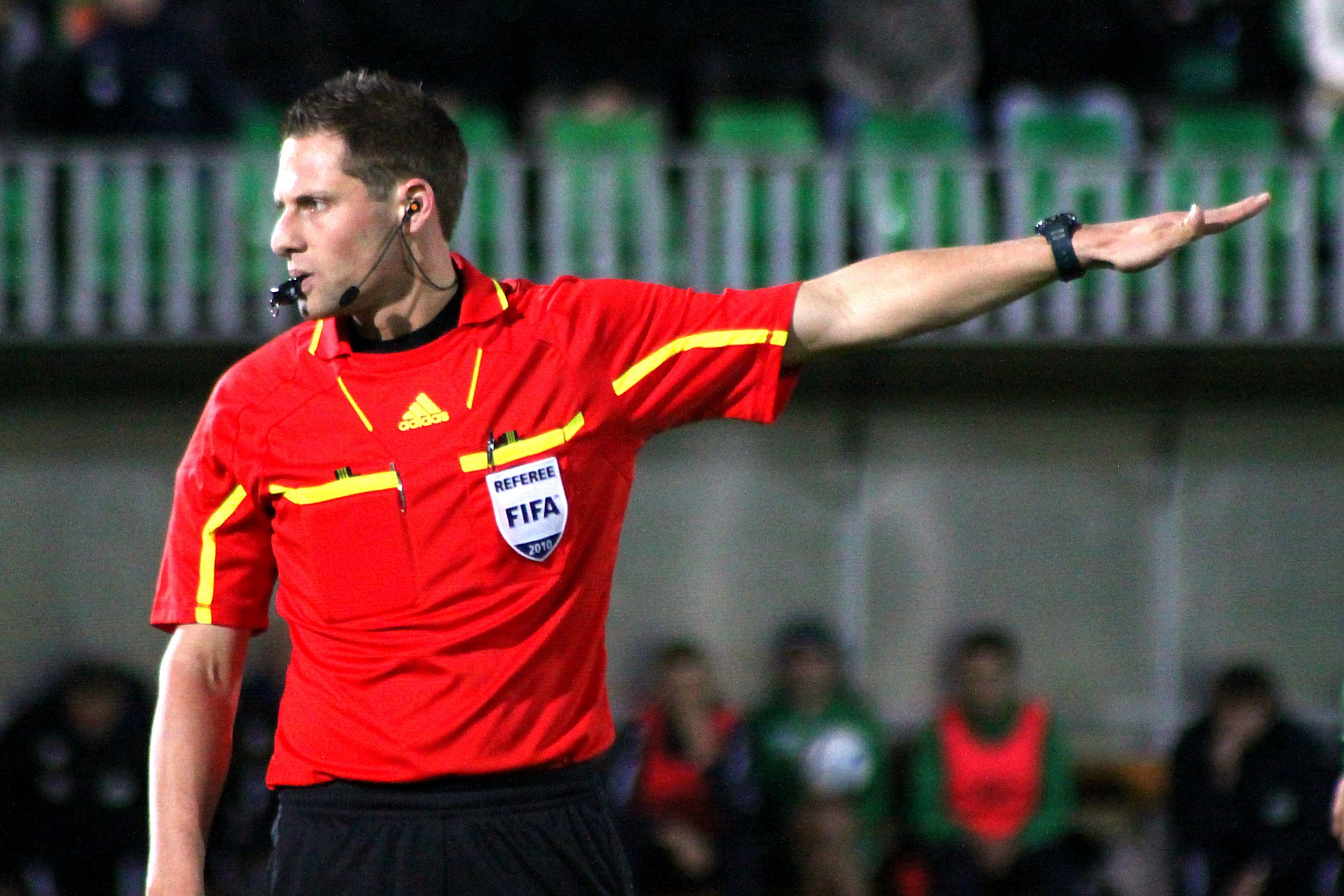
Roles refer to the specific positions or duties players and non-playing individuals take on within a sport. Players may have roles such as defenders or attackers, while non-playing roles may include referees, officials, or team captains.
- Referee: Enforces the rules of the game, ensures fair play, and makes crucial decisions during the match.
Rituals:
Rituals are established practices that athletes or teams engage in before or during performance. Rituals can have psychological benefits, helping athletes focus or feel more confident. They are often repeated in a specific pattern and may also serve cultural or motivational purposes.
- Example: The New Zealand rugby team performs the Haka before each match, a ritual intended to intimidate opponents and unite the team.
Conventions (Etiquette):
Conventions are unwritten, informal behaviours that participants and spectators are expected to follow. These include norms that promote respect for the game, teammates, and opponents. Conventions vary across sports and cultures.
- Example: In golf, it is a convention to allow the player furthest from the hole to play their shot first.
- Example: In rugby, the role of a captain includes decision-making and communicating with the referee.
Superstitions in Sport:
A superstition is a belief in supernatural forces influencing outcomes. Many athletes adhere to superstitions, believing that certain behaviours will bring good luck or prevent bad outcomes. However, in the context of PE exams, it's important to note that superstitions are not considered a valid explanation for rituals.
- Example: An athlete might wear a specific item of clothing for every match, believing it will improve their performance.
Pre-performance Rituals:
Pre-performance rituals are sequences of actions or habits that athletes perform before competition. These rituals are task-focused and help athletes prepare mentally and physically for the event ahead.
Rituals in sports are repetitive actions or ceremonies that hold symbolic significance, often aiming to enhance performance or bring good luck.
- Example: A golfer may follow a consistent warm-up routine before teeing off, focusing on specific stretches and practice swings.
- Pre-Game Warm-Up: A ritual where players engage in specific exercises to prepare mentally and physically for the game.
Note
Exam Tip:
When answering questions about rituals in exams, it is important not to confuse rituals with superstitions. Rituals are purposeful and related to performance preparation, while superstitions lack logical reasoning.
Practical Example:
Is Laurent Blanc's Kiss on the goalkeeper's bald head before a World Cup match an example of a ritual, superstition, or convention? This action can be classified as a ritual, as it was repeated before each match during the 1998 World Cup, and Blanc believed it contributed to their team's success.
Note
Stretch Yourself:
Research the rules, roles, rituals, and conventions in three different physical activities. Identify the most important rituals or customs that athletes or teams engage in and discuss how they influence performance.