The Impact of Technology (Leaving Cert Physical Education): Revision Notes
📚Revision Notes
The Impact of Technology on Sport and Physical Activity
Note
Learning Focus
- Use of technology for performers, coaches, officials, and spectators.
- Technology's role in planning for optimal performance.
- Media coverage of elite and mass-participation events.
- Role of media in maintaining gender stereotypes in sport.
- Characteristics that make sports activities appealing to media and spectators.
- Impact of media on spectator behaviour.
Note
Sporting equipment has undergone significant technological advancements aimed at improving performance and safety. These changes, ranging from the development of adaptive sports equipment to high-tech materials used in footwear, have opened up new opportunities, especially for athletes with disabilities.
Equipment Advancements
Technological innovations in sports equipment have dramatically impacted performance and safety over the years:
- Cycling Helmets (1940s–2020s): Helmets have evolved over time to become more lightweight and aerodynamic, improving both safety and performance.
- 1940s: Basic protection, minimal aerodynamics.
- 2020s: Lightweight and designed for maximum air resistance reduction.
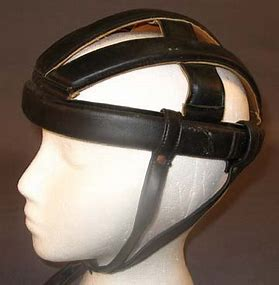
Cycling helmet in 1940s

Cycling helmet in 2020
Note
Knowledge Check:
- Research the evolution of equipment in a specific sport of your choice. How has technology improved performance?
Adaptive Equipment for Athletes with Disabilities:
Patrick Monahan's Racing Wheelchair: Adaptive equipment like Monahan's chair has greatly improved the performance of athletes with disabilities by reducing weight and increasing control.
Aerodynamic Soccer Balls:
Innovations such as the Nike AerowSculpt soccer ball have improved the accuracy of shots, reducing unexpected ball movement due to air resistance. This technology has helped improve player precision and overall game quality.
Clothing Innovations in Sport
Modern clothing technologies include the use of lightweight, breathable fabrics that reduce moisture and improve comfort, benefiting athletes in numerous sports. Materials like Gore-Tex, synthetic blends (such as polyester or Lycra), and seamless designs have drastically enhanced the durability and functionality of sportswear. The focus is on reducing resistance and maximising flexibility, crucial for sports performance. This development has reduced the chance of overheating or injury due to heavy or restrictive clothing.
Nike ZoomX Vaporfly: Controversy and Performance Enhancement
The Nike ZoomX Vaporfly shoe, with its carbon-fiber plate and responsive foam, has significantly improved running performance by providing better energy return. Compared to other shoes, it was found to increase running efficiency by 4%.
The Nike ZoomX Vaporfly is one of the most debated pieces of equipment in recent times. It provides significant advantages to athletes by:
- Stabilising the ancle and reducing rotational force with a carbon fibre plate.
- Improving running efficiency through enhanced energy return (82.7%).
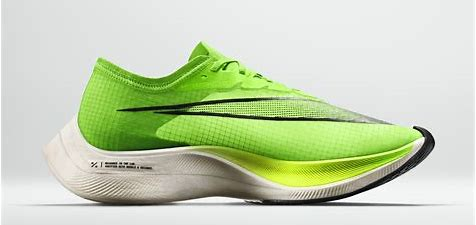
Nike ZoomX Vaporfly
| Nike ZoomX Vaporfly 4% Flyknit | Adidas Adizero Adios 3 Boost |
|---|---|
| Weight: 186 g | Weight: 236 g |
| Heel height: 35.7 mm | Heel height: 27.4 mm |
| Forefoot height: 24.8 mm | Forefoot height: 18 mm |
| Energy return: 82.7% | Energy return: 68.7% |
Note
Knowledge Check:
- Why do some people consider the use of Nike ZoomX Vaporfly as 'technology doping'?
- How do advanced sports shoes impact an athlete's biomechanical efficiency?
Performance Analysis
Global Positioning System (GPS):
GPS technology is widely used in sports for performance tracking. It tracks player movement, distance covered, and speed, providing valuable data to coaches and athletes. This information helps plan optimal training loads and strategies during matches.
G-Force in Sports:
Understanding g-force (acceleration due to gravity) helps coaches and athletes monitor the physical stress athletes endure, particularly in high-speed sports like rugby or cycling.
Note
Knowledge Check:
- How does this data help coaches optimise player training for different positions?
- What conclusions can you draw about the different physical demands on forwards vs. backs?
Personal Devices
Smartwatches, wristbands, and mobile apps are now standard tools for tracking and analysing performance. Devices such as WHOOP bands provide information on metrics like heart rate, sleep patterns, and activity levels, aiding athletes in monitoring their recovery and performance readiness.
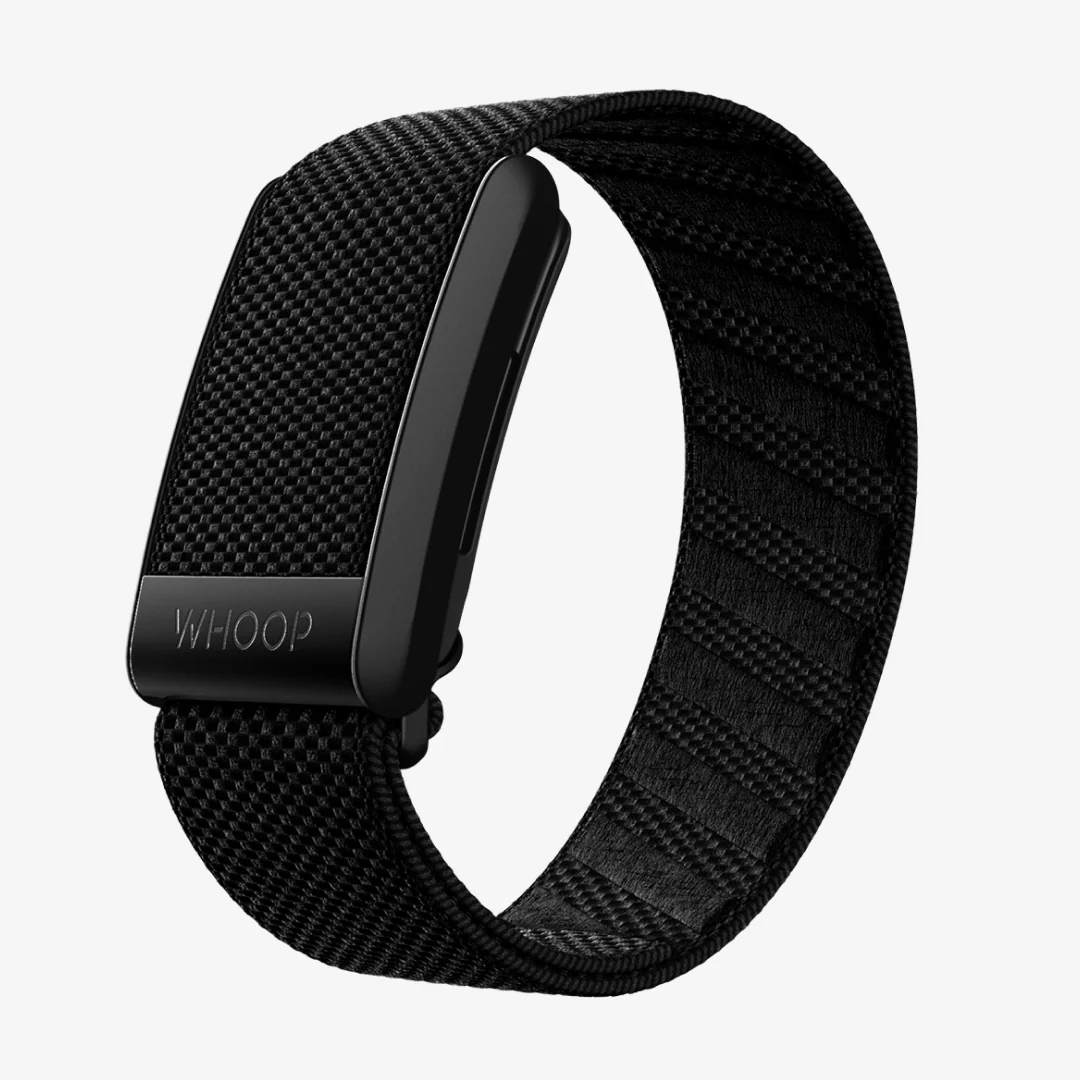
A Whoop band
Devices provide:
- Nutrition tracking (MyFitnessPal)
- Activity tracking (Strava, Map My Run)
- Sleep tracking (REM cycle and deep sleep monitoring)
- Heart rate monitoring (smartwatches) Key Question: How do biometric devices aid in sports performance?
| Advantages | Disadvantages |
|---|---|
| Reduced injury risk • Helmets in GAA, rugby, hockey • Shin guards in soccer • Scrum caps and body armour in rugby • Gum shields in football, rugby, basketball, hockey | Greater risks taken • Some players may take greater risks when wearing a helmet that gives too much faith in the protective equipment |
| Fewer fixtures called off • Retractable roofs on stadiums allow play during bad weather • Under-pitch drainage, heating, and watering make pitches playable in all weather conditions | Nature of sport is changed • Conditions controlled (no wind or rain) can take away some of the excitement • Roll and bounce of ball, underfoot conditions altered |
| Synthetic surfaces • Allow sports to take place in all weathers with little pitch deterioration • Reward high skill levels • Allow year-round fixtures • Requires less maintenance, allowing more use | Nature of sport changed • Underdog gains no advantage in bad weather • No "off-season," so player burnout • Expensive to install |
| Better performance analysis possible • Timings, distances, etc. • Analysis of technique • Tactical analysis | Not available to all — not equitable • Expensive — huge outlay for team/individual • Sponsorship conflicts (e.g., athletes contracted to other brands cannot wear Nike Vaporfly) |
| Allow correct decisions during matches • Hawk-Eye — GAA, tennis • VAR — soccer • TMO — rugby | Technology expensive • Hawk-Eye only at Croke Park and Thurles • VAR only in top-flight professional soccer • TMO only at top-level televised games |
| Decisions can be challenged by performer • Performers can challenge officials' decisions in hockey and tennis | Changes the nature of the sport • Gamesmanship can come into play — time-wasting, resetting while teams in sin-bin, etc. |
| Ergogenic aids • Instant information that informs planning and decisions for training and performance • Heart rate monitors (e.g., watches, biometric gloves) • Activity monitors (GPS, Fitbits, pedometers) • Blood lactate/sugar monitors | Ergogenic aids • Expensive, so not everyone can afford them — inequitable • Can lead to overtraining for some, trying to beat previous times • Coaches may push teams to reach certain stats on a device without considering other factors, such as injuries |
Facilities
Technology has dramatically improved the design and management of sports facilities. Modern artificial surfaces such as AstroTurf and Floodlit 4G pitches ensure games and training can continue year-round, even in adverse weather conditions. This reduces risks associated with poor surfaces, such as waterlogged fields.
Examples:
- Páirc Uí Chaoimh's Floodlit Artificial Pitch: This venue allows training to continue in wet weather, reducing interruptions to practice and matches.

Stretch Yourself: Research how artificial surfaces like Mondo tracks have improved performance in named physical activities
Example: Connacht GAA's Air Dome is the largest indoor facility of its type in the world, allowing sports to be played in all weather conditions.
Technology and the Performer
Note
Technology has revolutionised sport and physical activity for performers by enhancing their health, improving performance techniques, and providing advanced recovery options.
- Health Well-being and Fitness
- Performance techniques and tactics
- facilities and playing surfaces
- Recovery and Medical Science
- Inclusion and Participation
- Equipment clothing and footwear
Health, Well-being, and Fitness
Advancements in technology have transformed how performers engage in sports and physical activities, providing data and tools to enhance performance and health.
Example:
- Wearables: Devices such as smartwatches and fitness trackers monitor various aspects of an athlete's health, including heart rate, sleep patterns, and calories burned. This data helps athletes and trainers to fine-tune training regimes, optimise recovery times, and prevent injuries by identifying potential issues early.
Performance, Techniques, and Tactics
Technology aids in assessing and improving performance through detailed analysis.
Example:
- Video Analysis: Video analysis tools enable coaches and athletes to study techniques in slow motion, breaking down movements frame by frame. This allows for a comprehensive understanding of mechanics, aiding in correcting posture, enhancing techniques, and developing effective strategies.
Facilities and Playing Surfaces
Improvements in facilities and playing surfaces have made sports more accessible and safe for performers.
Example:
- Synthetic Turf: Modern synthetic turf surfaces provide consistent playing conditions, reducing the risk of injuries associated with natural grass fields. These surfaces are designed to withstand heavy use and varying weather conditions, ensuring year-round availability and safety for athletes.
Recovery and Medical Science
Technological advancements in medical science have greatly enhanced the recovery process for athletes.
Example:
- Rehabilitation Technologies: Advanced rehabilitation methods, such as hydrotherapy, cryotherapy, and compression therapy, are used to accelerate recovery. These technologies help in reducing inflammation, managing pain, and improving mobility, allowing athletes to return to peak performance more quickly.
Inclusion and Participation
Technology has enabled greater inclusion in sports, allowing athletes with disabilities to participate more fully.
Example:
- Prosthetic Limbs: Modern prosthetics, often made from lightweight and durable materials like carbon fibre, are customised to fit the specific needs of athletes. These advanced prosthetics provide enhanced functionality, enabling athletes to compete in high-performance sports and achieve remarkable feats.
Equipment, Clothing, and Footwear
Technological advancements in equipment, clothing, and footwear have significantly impacted athlete performance.
Example:
- Lightweight Materials: Sportswear and footwear manufacturers use materials like breathable fabrics and cushioned soles to enhance comfort and performance. Innovations such as moisture-wicking fabrics and aerodynamic designs help athletes perform better and reduce the risk of injury.
Technology and the Coach/Choreographer
Note
Coaches and choreographers benefit from technology through improved communication, detailed performance analysis, and innovative training tools. This allows for more effective management and coaching strategies. Technology plays a vital role in improving coaching methods. From video analysis to apps providing real-time feedback, these tools help coaches refine techniques, plan strategies, and enhance overall performance.
- Communication and Management
- Video Tech
- Dance and Choreography
- Data Analysis
Communication and Management
Technology has changed the way coaches and choreographers operate, from training methods to managing team dynamics.
Example:
- Messaging Apps: Applications like WhatsApp and Slack facilitate real-time communication between coaches and athletes, enabling efficient coordination of training schedules, immediate feedback during events, and strategic adjustments based on real-time data.
Video Technology
Video technology allows coaches to provide visual feedback and analysis, improving athlete performance.
Example:
- Match Analysis: By reviewing video footage of matches, coaches can identify patterns, strengths, and weaknesses in both their own team and opponents. This detailed analysis helps in developing targeted training programmes and tactical plans to enhance performance.
Dance and Choreography
Technology is changing the way choreographers explore, create, and present dance.
Example:
- 3D Projection Mapping: Advanced projection mapping technologies are used to create dynamic, immersive visuals that complement live dance performances. These technologies allow choreographers to blend physical movement with digital artistry, creating unique and engaging experiences for audiences.
Data Analytics
Nearly every competitive team uses statistics to gain an edge over opponents, with data analytics becoming a vital tool in sport.
Example:
- Performance Data: Coaches and choreographers use data analytics to track various performance metrics, such as speed, agility, and endurance. This data-driven approach helps in personalising training regimens, monitoring progress, and making informed decisions to maximise performance.
Advantages of Technology for Coaches:
- Communication Tools: Apps help coaches give immediate feedback during games and training sessions.
- Video Technology: Allows for precise technical feedback on skill execution.
- Data Analysis: Modern software analyses an athlete's performance metrics, aiding decision-making on fitness or skill development.
Disadvantages of Technology for Coaches:
- Over-reliance on Data: Too much emphasis on data can remove spontaneity and flair from an athlete's performance.
- High Costs: Some technologies, such as fitness testing devices and sophisticated video analysis software, can be prohibitively expensive.
Note
Knowledge Check:
- List the advantages and disadvantages of using technology for coaches.
- How can over-reliance on video feedback affect an athlete's performance?
Technology and the Officials
Note
Technology aids officials in making accurate and timely decisions, improving the overall fairness and integrity of sports. Enhanced communication and tracking systems support better event management. Tools such as Hawk-Eye in cricket and VAR in football enable referees to review critical moments, reducing human error.
- Communication
- Decision Making
- Ball Tracking
Communication
Microphone technology allows officials to communicate in real-time with their colleagues, enhancing decision-making and event management.
Example:
- Real-Time Communication: Officials use microphone systems to relay critical information quickly and accurately during events, ensuring that decisions are made efficiently and collaboratively, reducing the risk of errors.
Decision-Making
Technology assists officials in making informed decisions during sporting events.
Example:
- VAR (Video Assistant Referee): VAR technology allows referees to review key moments in matches using multiple camera angles. This system helps in making accurate calls on goals, penalties, and other critical decisions, thereby increasing the fairness and integrity of the game.
Ball Tracking
Technologies like Hawk-Eye are used to track the trajectory and location of balls, ensuring accurate calls.
Example:
- Hawk-Eye in Tennis: Hawk-Eye technology uses multiple cameras to track the ball's trajectory, providing precise information on whether the ball is in or out of bounds. This system has greatly reduced disputes and improved the accuracy of officiating in tennis and other sports.
Advantages of Technology for Officials:
- Accurate Decisions: Technologies like Hawk-Eye allow for error-free judgement calls.
- Pressure Reduction: With technology handling decision-making, there is less pressure on officials to make split-second calls.

Disadvantages of Technology for Officials:
- Delays in Play: VAR and other systems can slow down games as officials review footage.
Technology and the Spectator
Note
For spectators, technology enhances the viewing experience through advanced camera coverage, real-time statistics, and interactive social media engagement, making sports more accessible and engaging.
- Camera coverage
- Statistical Information
- Social Media
Camera Coverage
Advanced camera technologies provide spectators with enhanced viewing experiences.
Example:
- High-Definition Cameras: High-definition and ultra-high-definition cameras capture detailed, immersive footage of sporting events, offering viewers crystal-clear images and multiple angles, which enhance the overall spectator experience.
Statistical Information
Statistical data enhances the spectator experience by providing detailed insights into sports performance.
Example:
- Live Stats: Real-time statistical overlays during broadcasts offer insights into player performance, team strategies, and game progress. This data helps spectators understand the nuances of the game and engage more deeply with the sport.
Social Media
Social media platforms allow spectators to engage with sports in real-time, sharing their views and interacting with athletes and other fans.
Example:
- Twitter and Instagram: Social media platforms like Twitter and Instagram enable fans to follow live updates, participate in discussions, and share their thoughts on games and performances. Athletes also use these platforms to connect with fans, share personal insights, and build a larger following.
Optimising Performance Using Technology
Note
Technology optimises athlete performance by providing tools for detailed analysis, personalised training, and advanced equipment, helping athletes reach their full potential.
- Wearables
- Phone and Tablet
- Gps tracking
- Improved Sportswear and Equipment
- Video Analysis
Wearables
Wearables are electronic devices worn on the body to track physiological data, aiding in performance and health management.
Example:
- Smartwatches: Devices like smartwatches track metrics such as heart rate, sleep patterns, and activity levels. These insights help athletes and coaches to tailor training programmes, optimise recovery periods, and maintain overall health.
Phone and Tablet Applications
Apps provide easy access to fitness and health management tools, aiding in personal training and performance tracking.

Example:
- Fitness Apps: Applications such as MyFitnessPal and Strava offer features to monitor diet, exercise routines, and progress. They provide users with personalised feedback, goal-setting tools, and social connectivity to motivate and track their fitness journey.
GPS Tracking
GPS technology tracks movement and location, providing data for performance analysis and improvement.
Example:
- Sports GPS: GPS trackers in sports monitor players' positions, speeds, and distances covered. This data helps coaches analyse performance, develop training strategies, and make tactical decisions during competitions.
Improved Sportswear and Equipment
Technological advancements in sportswear and equipment enhance performance and safety.
Example:
- Modern Footwear: Advances in footwear materials and design provide better support, comfort, and performance for athletes. Innovations such as shock-absorbing soles and breathable fabrics help reduce injury risks and improve overall athletic performance.
Video Analysis
Video analysis software allows detailed examination of performance, aiding in skill development and strategy.
Example:
- Hudl: Video analysis tools like Hudl enable coaches and athletes to review and improve performance by analysing video footage. Features such as slow motion, annotation, and side-by-side comparison help in identifying strengths and areas for improvement.
Ethical Concerns When Using Technology
Technology in sports raises ethical concerns, particularly regarding fairness and integrity. The integration of technology in sports must balance innovation with fairness, addressing potential advantages and ensuring ethical standards.
Example:
- Tech-Suits in Swimming: The use of high-tech swimsuits has sparked debate over fairness, as they may provide an advantage to swimmers using them over those who do not. Regulatory bodies have had to step in to ensure a level playing field by setting guidelines on the use of such technology.