Uses of Magnets (Leaving Cert Physics): Revision Notes
📚Revision Notes
Uses of Magnets
Magnets are incredibly useful devices that we encounter in our daily lives, often without realising it. Understanding how magnets work and their various applications is essential for grasping the broader concepts of magnetism and electromagnetic fields in physics.
Everyday applications of magnets
Magnets serve numerous practical purposes in our homes and daily routines. Fridge magnets are perhaps the most familiar example - these simple permanent magnets allow us to stick notes, photos, and shopping lists to our refrigerator doors. The magnetic force is strong enough to hold lightweight objects but weak enough that we can easily remove them when needed.
Many household items use magnets for door and cupboard closures. Kitchen cupboards, wardrobe doors, and even some handbags use magnetic catches to keep doors securely closed. This provides a simple, reliable mechanism that doesn't wear out like traditional mechanical latches.
Children's toys frequently incorporate magnets for both educational and entertainment purposes. Building blocks with magnetic connections, magnetic drawing boards, and puzzle pieces all use the attractive properties of magnets to create engaging play experiences whilst teaching basic principles of magnetism.
Note
The strength of household magnets is carefully designed - strong enough to be functional, but weak enough to be safe around children and electronic devices like credit cards or computer equipment.
Medical and healthcare applications
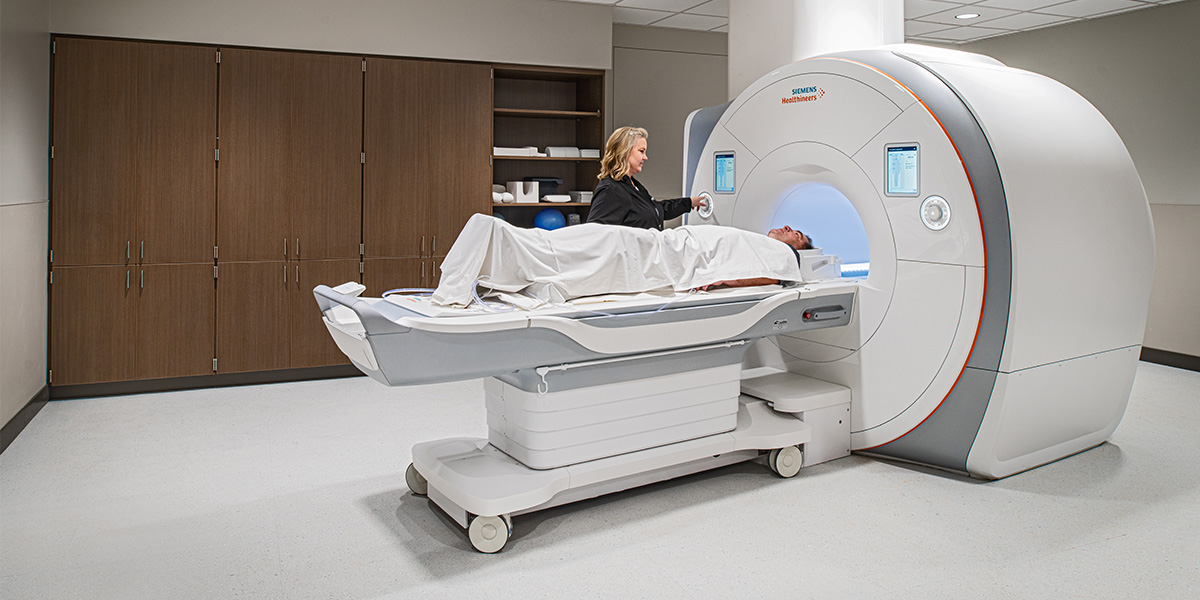
One of the most sophisticated uses of magnets in modern medicine is in Magnetic Resonance Imaging (MRI) machines. These devices use extremely strong electromagnets to create detailed images of the inside of the human body. The powerful magnetic fields align hydrogen atoms in our bodies, and when radio waves are applied, these atoms produce signals that can be converted into highly detailed medical images.
Important
MRI machines use non-invasive techniques that allow doctors to diagnose conditions without the need for surgery or harmful radiation, making them invaluable tools in modern healthcare.
Example
Medical Imaging Process:
Step 1: Patient lies in the MRI machine's strong magnetic field
Step 2: Hydrogen atoms in the body align with the magnetic field
Step 3: Radio waves are pulsed through the body
Step 4: Atoms emit signals as they return to their original state
Step 5: Computer processes these signals into detailed medical images
Navigation and transport
The magnetic compass remains one of humanity's most important navigation tools, despite the availability of modern GPS technology. A compass works because it contains a magnetised needle that aligns itself with Earth's magnetic field, always pointing towards magnetic north. This simple yet reliable device has been used for navigation for thousands of years and continues to be essential for marine navigation, hiking, and as a backup navigation system.

Modern trains often use magnetic systems for efficient operation. Magnetic levitation (maglev) trains use powerful electromagnets to lift the train above the track, eliminating friction and allowing for extremely high speeds. Some trains also use electromagnetic braking systems that provide smooth, efficient stopping power.
Note
Earth's magnetic field is generated by the movement of molten iron in the planet's outer core, creating a natural compass reference that has guided human navigation for centuries.
Industrial and commercial uses
Metal detectors represent a practical application of electromagnetic principles. These devices work by creating a magnetic field that detects the presence of metallic objects. When metal passes through the detector's magnetic field, it causes a disturbance that triggers an alert. Metal detectors are used in security screening, archaeological surveys, and for finding lost metallic objects.

Electromagnets for lifting and moving heavy materials are essential in many industries. Scrapyards use powerful electromagnets mounted on cranes to lift and sort ferrous metals like steel and iron. These electromagnets can be switched on and off as needed, making them much more practical than permanent magnets for industrial lifting applications.
Separation processes in recycling facilities use electromagnets to separate ferrous metals from other materials. This automated sorting process is crucial for efficient recycling, as magnetic materials can be quickly separated from non-magnetic waste, making the recycling process more efficient and cost-effective.
Example
Industrial Electromagnet Operation:
- Crane positions electromagnet above ferrous metal pile
- Electric current activates the electromagnet
- Strong magnetic field attracts steel and iron objects
- Crane lifts and moves the magnetic materials
- Current is switched off to release materials at destination
Technology and electronics
Computer hard drives and other magnetic storage devices use tiny magnets to store digital information. Data is recorded by magnetising microscopic areas of the storage medium in different directions, representing the binary digits (0s and 1s) that computers use. Although solid-state drives are becoming more common, magnetic storage remains important for large-capacity, long-term data storage.
Electric motors and generators rely on the interaction between magnetic fields and electric currents. Motors convert electrical energy into mechanical motion using electromagnets, while generators do the opposite - converting mechanical motion into electrical energy. These devices are fundamental to countless applications, from household appliances to industrial machinery.
Loudspeakers and headphones use permanent magnets combined with electromagnets to convert electrical signals into sound waves. The interaction between the fixed permanent magnet and the varying electromagnetic field created by the audio signal causes a cone or diaphragm to vibrate, producing sound.
Note
The same electromagnetic principles that power massive industrial generators also work in the tiny speakers in your headphones - it's all about the interaction between magnetic fields and electric currents.
Security and access control
Many security systems incorporate magnetic components. Magnetic strips on credit cards and access cards store information that can be read by magnetic card readers. Magnetic door locks in offices and secure buildings use electromagnets to control access - when the correct code is entered or card is scanned, the electromagnet releases, allowing the door to open.
Anti-theft systems in shops often use magnetic tags attached to merchandise. These tags contain magnetic materials that trigger alarms at store exits unless they are properly deactivated or removed at the point of sale.
Important
Strong magnets can damage magnetic storage devices like credit cards, hard drives, and access cards. Always keep powerful magnets away from electronic devices and magnetic storage media.
Understanding magnetic field behaviour
To understand how all these applications work, it's important to remember some key principles about magnetic behaviour:
Magnetic poles always occur in pairs - every magnet has both a north-seeking pole and a south-seeking pole. This fundamental principle means you cannot isolate a single magnetic pole.
The interaction between poles follows a simple rule: like poles repel each other, whilst unlike poles attract. This is the basic force that drives all magnetic applications.
Magnetic field lines show the direction and strength of magnetic fields, running from north to south pole. These invisible lines help us visualise how magnetic forces work in three-dimensional space.
The right-hand grip rule helps determine the direction of magnetic fields around current-carrying conductors, linking electricity and magnetism in electromagnetic applications.
Note
Understanding these basic magnetic principles helps explain everything from how a simple compass works to the complex electromagnetic systems in MRI machines and maglev trains.
Summary
Key Points to Remember:
- Magnets have countless practical applications - from simple fridge magnets to sophisticated MRI machines
- Navigation systems still rely on magnetic compasses as reliable, non-electronic direction-finding tools
- Industrial electromagnets can be switched on and off, making them ideal for lifting and sorting metallic materials
- Electronic devices like hard drives, speakers, and motors all depend on magnetic principles to function
- Medical imaging uses powerful magnetic fields to create detailed pictures of the human body without harmful radiation