People Who Positively Impact Society (Leaving Cert Politics and Society): Revision Notes
📚Revision Notes
People Who Positively Impact Society
Individuals can create meaningful social change through various pathways, each with unique strengths and limitations. Understanding these approaches helps us appreciate how different strategies suit different contexts and challenges.
Pathways to creating social impact
Charity, voluntary, or community work
Charitable and voluntary work involves direct service to communities through established organisations or grassroots initiatives. This pathway focuses on addressing immediate needs and providing practical support to vulnerable groups.
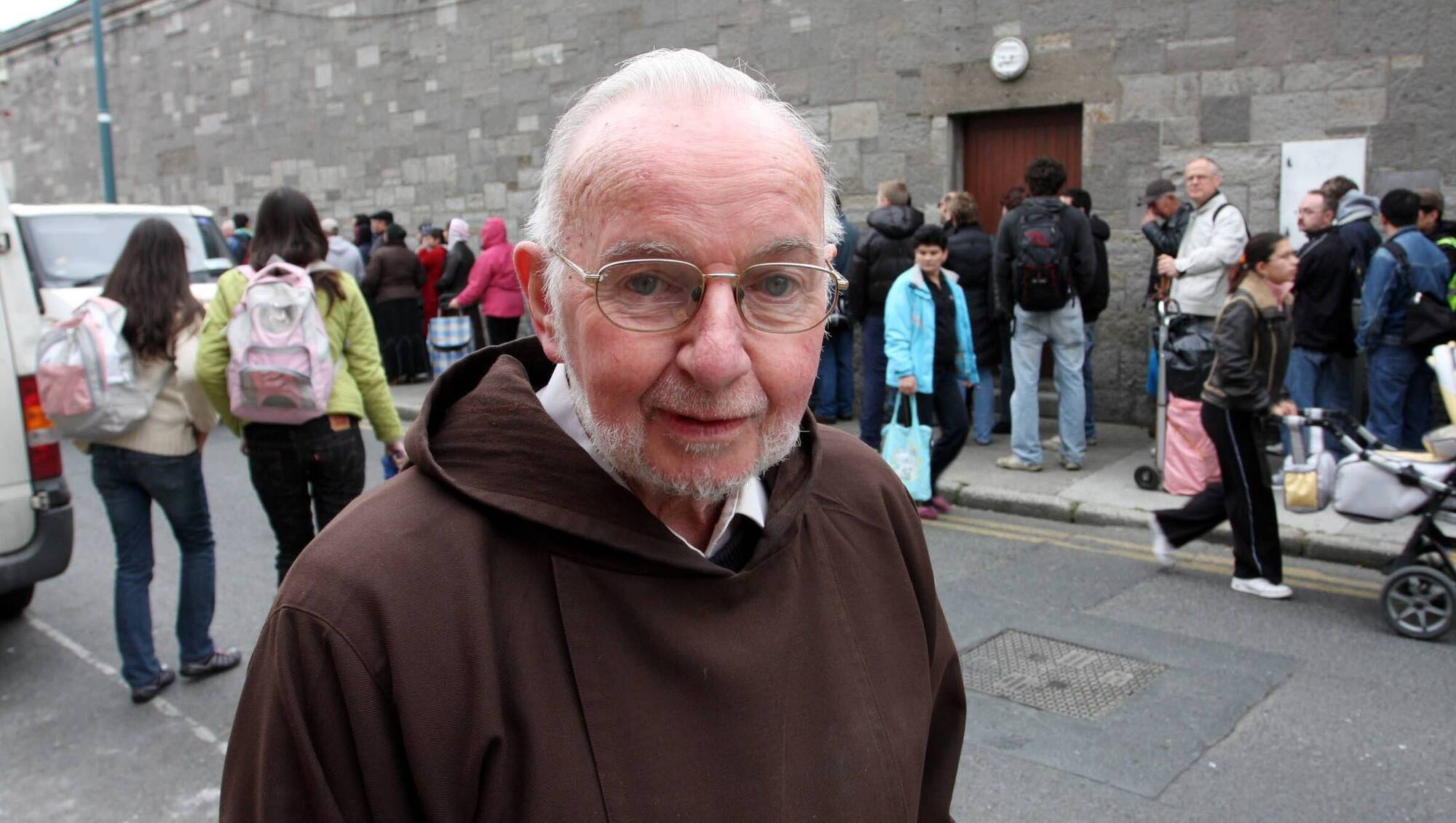
Irish example: Brother Kevin Crowley established the Capuchin Day Centre, which provides essential services to homeless people in Dublin. His work demonstrates how local charitable initiatives can address pressing social issues at the community level.
Note
Evaluation: Charitable work delivers immediate relief and tangible help to those in need. However, it may not tackle the underlying structural causes of social problems like poverty or homelessness, potentially creating dependency rather than systemic solutions.
Running for political office
Political participation through seeking elected office allows individuals to influence policy and legislation at local, national, or international levels. This pathway enables systematic change through democratic processes.
Irish example: Mary Robinson became Ireland's first female President and used her position to champion social liberalisation and human rights. Her presidency transformed the role and promoted progressive values throughout Irish society.
Global example: Barack Obama advanced significant healthcare reforms during his presidency, demonstrating how political leadership can drive major policy changes that benefit millions.
Note
Evaluation: Political office provides the authority to implement wide-ranging reforms and systemic change. However, the democratic process often requires compromise and can be slow, with political pressures sometimes limiting radical transformation.
Public service professions
Public service careers include roles in education, healthcare, journalism, social work, and research. These professions allow individuals to serve society while maintaining independence from political constraints.
Irish example: Catherine Corless exposed the Tuam Mother and Baby Home scandal through persistent historical research and advocacy. Her determination brought hidden injustices to light and demanded accountability.
Global example: Malala Yousafzai campaigns globally for girls' education rights, using her platform as an education advocate to challenge discriminatory practices worldwide.

Note
Evaluation: Public service roles create everyday positive impact and can generate lasting cultural change. While these positions may lack direct political authority, they often possess moral authority that can influence public opinion and policy.
Using the law
Legal advocacy involves utilising court systems, constitutional rights, and legal frameworks to challenge injustice and protect vulnerable groups. This pathway relies on existing legal structures to enforce change.
Irish example: Máiría Cahill used legal proceedings and public testimony to highlight abuse cases and seek justice through the court system, demonstrating courage in confronting powerful institutions.
Global example: Ruth Bader Ginsburg advanced gender equality through landmark legal cases and Supreme Court decisions, showing how the law can be a tool for progressive social change.
Note
Evaluation: Legal action can enforce rights and create binding precedents that protect future generations. However, legal processes are often slow, expensive, and constrained by existing frameworks, limiting their effectiveness against systemic injustice.
Civil disobedience
Civil disobedience involves deliberately breaking unjust laws through non-violent resistance to highlight moral wrongs and inspire broader social movements. This pathway accepts legal consequences to demonstrate moral conviction.
Key example: Mahatma Gandhi led non-violent resistance against British colonialism through actions like the Salt March and boycotts, showing how peaceful protest can challenge powerful oppressive systems.
Important
Evaluation: Civil disobedience builds moral legitimacy and can inspire mass popular support for change. It demonstrates the strength of conviction and often generates media attention. However, authorities may ignore or violently repress such movements.
Violent resistance against undemocratic states
Armed resistance may be considered when democratic channels are blocked and peaceful methods have failed under brutally oppressive regimes. This represents the most extreme pathway to social change.
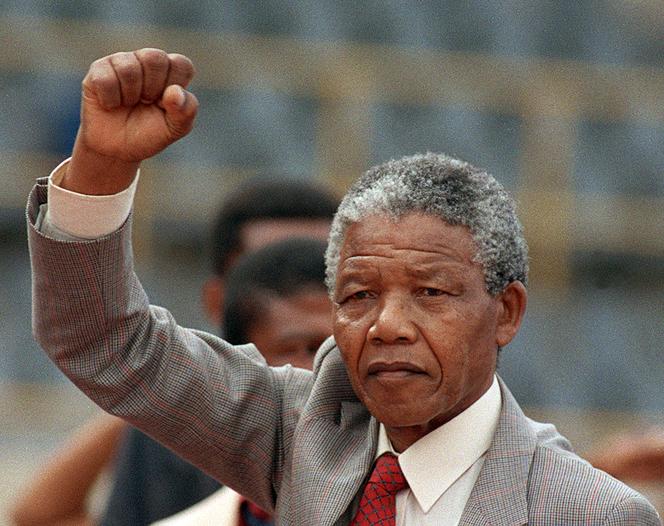
Key example: Nelson Mandela initially co-founded the ANC's armed wing when apartheid South Africa blocked all peaceful avenues for change. However, he later embraced negotiation and reconciliation when circumstances allowed.
Important
Evaluation: Violence may seem necessary under brutal regimes that suppress all democratic alternatives. However, it carries enormous human costs and risks escalating conflicts. Mandela's later emphasis on reconciliation rather than revenge proved more effective for long-term social transformation.
Personal qualities of effective change-makers
Successful social reformers typically demonstrate several key characteristics that enable them to create lasting impact:
- Courage: The willingness to face threats, criticism, or personal risk. Malala continued advocating for education despite Taliban attacks, showing remarkable bravery.
- Commitment: Sustained effort over many years, often in the face of setbacks. Mandela remained dedicated to justice throughout 27 years of imprisonment.
- Vision: Clear goals and understanding of what society could become. Mary Robinson envisioned a more inclusive and progressive Ireland.
- Integrity: Acting consistently with stated values and principles, even when this creates difficulties or requires personal sacrifice.
- Empathy: Deep understanding of others' struggles and suffering. Brother Kevin's compassion for homeless people drives his continued service.
- Adaptability: Flexibility to change strategies when circumstances require new approaches. Mandela's shift from violent resistance to negotiation demonstrates strategic thinking.
Case study: Nelson Mandela
Example
Case Study: Nelson Mandela's Strategic Evolution
Background: Mandela led the African National Congress in South Africa's struggle against apartheid. Initially promoting peaceful protest, he later supported armed resistance when the apartheid government intensified repression. He spent 27 years imprisoned for his activities.
Strategic evolution: Mandela shifted from violent resistance to negotiation when political circumstances changed. He advocated forgiveness and reconciliation to rebuild South Africa after apartheid rather than pursuing revenge against former oppressors.
Impact: Mandela became South Africa's first Black president in 1994 through democratic elections. He established the Truth and Reconciliation Commission to address past injustices while building national unity. His approach became a global symbol of justice and peaceful transformation.
Evaluation: Mandela's case demonstrates that different strategies may be needed at different times. His eventual emphasis on reconciliation rather than revenge enabled South Africa to transition peacefully from apartheid to democracy, avoiding the civil war many predicted.
Key thinkers
Paulo Freire
Note
Paulo Freire's "Pedagogy of the Oppressed" (1970) emphasised that education and critical awareness empower people to challenge injustice. His perspective explains why activists like Malala or Corless focus on truth and learning as tools for social transformation. Education helps people understand their situation and develop the capacity to change it.
Kwame Anthony Appiah
Note
Kwame Anthony Appiah's concept of "Cosmopolitanism" (2006) argues for global responsibility and ethical duty to others beyond our immediate communities. This framework explains figures like Mary Robinson or Mandela, whose work reached beyond their own nations to embrace universal human rights principles.
Key takeaways
Social change occurs through multiple pathways, each suited to different contexts and challenges. Charity and voluntary work provides immediate relief, political office enables systematic reform, public service creates cultural change, legal advocacy enforces rights, civil disobedience builds moral pressure, and violent resistance may be necessary under brutal regimes.
Effective change-makers combine courage, empathy, vision, integrity, commitment, and adaptability with strategic thinking. They select appropriate methods for their circumstances and remain flexible as situations evolve.
Paulo Freire highlights education's power in raising awareness, while Kwame Anthony Appiah emphasises our shared ethical responsibility across borders. Nelson Mandela's journey from armed struggle to reconciliation shows that adaptability and forgiveness can be more effective than revenge for long-term social transformation.
Summary
Key Points to Remember:
- Six pathways to social impact: charity, politics, public service, law, civil disobedience, and violent resistance
- Essential qualities: courage, commitment, vision, integrity, empathy, and adaptability
- Strategic flexibility: different approaches suit different contexts and times
- Education empowers change: Freire's emphasis on awareness and critical thinking
- Global responsibility: Appiah's call for ethical duty beyond borders