Diversity & Cultural Change (Leaving Cert Politics and Society): Revision Notes
📚Revision Notes
Diversity & Cultural Change
Understanding how globalisation affects cultural diversity and drives cultural transformation is essential for examining modern identity formation. This topic explores how cultures evolve through global interactions and the complex relationship between preserving tradition and embracing change.
The dynamic nature of culture
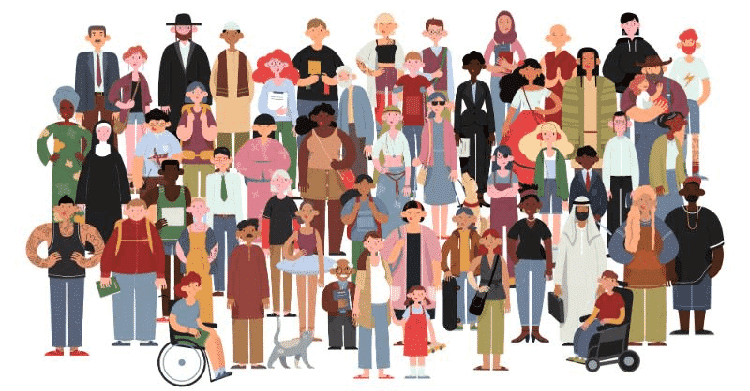
Culture is not a fixed or static concept. Instead, cultures constantly evolve and transform through ongoing contact, exchange, and adaptation with other cultural groups. This dynamic process means that what we consider "traditional" culture today was itself shaped by historical interactions and influences from other societies.
Note
The concept of culture as dynamic challenges common assumptions about "pure" or "authentic" cultural traditions. What appears traditional today often represents the result of centuries of cultural exchange and adaptation.
Cultural mixing occurs when different cultural groups interact, leading to the blending of traditions, practices, and beliefs. This process creates new cultural forms that combine elements from multiple sources. For example, Irish traditional music has been influenced by global styles, creating new fusion genres while maintaining its core identity.
Key drivers of cultural change
Information and communication technology (ICT)
Social media platforms and digital technologies have revolutionised how cultural trends spread across the globe. Young people particularly adopt new music styles, fashion trends, and political ideas through instant global communication. This digital cultural transmission happens at unprecedented speed and scale.
Migration and travel patterns
Population movements introduce new traditions and practices to host societies. Immigration brings diverse cultural celebrations, foods, and languages to new locations, while emigration spreads home cultures to distant places. Polish festivals in Ireland and Irish cultural centres abroad exemplify this two-way cultural flow.
Research evidence
Both quantitative and qualitative research methods help us understand cultural change:
- Quantitative data from sources like the Central Statistics Office (CSO) reveals increasing ethnic and linguistic diversity in Ireland, including Polish, Lithuanian, Nigerian, and Brazilian communities
- Qualitative studies examine how young people navigate multiple cultural identities both online and in their daily lives
Note
The combination of quantitative and qualitative research provides a comprehensive understanding of cultural change. Statistical data reveals patterns and trends, while qualitative research explains the lived experiences behind these changes.
Theoretical perspectives
Benedict Anderson - Imagined communities
Benedict Anderson argued in Imagined Communities (1983) that nations are not timeless entities but are socially constructed through shared narratives and collective imagination. His work helps explain how Irish identity today is shaped by globalisation, diaspora connections, and the blending of cultural traditions.
Anderson demonstrates how cultural change connects to evolving shared narratives that develop over time. Communities reimagine themselves as they encounter new influences and adapt their cultural stories accordingly.
Note
Anderson's concept of "imagined communities" is particularly relevant to understanding how digital media creates new forms of shared identity that transcend geographical boundaries.
Thomas Hylland Eriksen - Global-local tensions
Thomas Hylland Eriksen, an anthropologist, argues in Small Places, Large Issues (1995) that globalisation intensifies cultural mixing processes. He emphasises that identities become hybrid and are constantly renegotiated rather than remaining fixed.
Eriksen's concept of "overheating" describes rapid cultural change driven by migration flows, ICT developments, and global economic connections. This process can create both opportunities for cultural enrichment and challenges for cultural preservation.
Case study: Irish language and technology
Example
Case Study: Digital Revival of Irish Language
The Irish language provides an excellent example of cultural adaptation in the digital age. While traditionally central to Irish identity, daily usage of Irish has declined significantly. However, recent revival efforts demonstrate successful cultural adaptation:
Digital Platforms:
- Duolingo - Making Irish accessible globally through gamified learning
- TG4 online streaming - Providing Irish-language content to diaspora communities
- Social media memes - Creating viral Irish-language content among young people
Outcome: This revival reflects Eriksen's concept of global-local negotiation, where heritage culture survives and thrives through modern digital tools. Traditional language learning methods have been supplemented by innovative technological approaches that appeal to younger generations.
Critical evaluation of cultural change
Concerns about homogenisation
Important
Some critics argue that cultural change risks homogenisation, where unique local traditions disappear due to dominant global brands and media influences. This perspective worries about the loss of distinctive cultural practices that give communities their unique character.
Key Concern: The dominance of global media and commercial culture may lead to the erosion of local customs, languages, and traditional practices.
Benefits of cultural enrichment
Others view cultural change as enrichment that creates new forms of cultural expression. Fusion cuisine, mixed musical genres, and multilingual literature represent positive outcomes of cultural mixing that enhance rather than diminish cultural life.
The role of technology
ICT accelerates cultural exposure but simultaneously enables preservation and revival efforts. Online archives, streaming services for minority languages, and digital cultural platforms demonstrate technology's dual role in both spreading global culture and preserving local traditions.
Migration impacts
Migration creates both tensions around potential loss of tradition and opportunities for creative new cultural practices. Communities must balance preserving their heritage with adapting to new environments and influences.
Note
Exam Guidance: Answering Questions on Diversity and Cultural Change
When tackling exam questions on this topic:
- Always illustrate cultural mixing with specific examples involving migration, ICT, or media influences
- Explain Anderson's and Eriksen's relevance to Irish identity and globalisation processes
- Balance advantages (diversity, creativity) and challenges (homogenisation, cultural conflict) in your evaluation
- Use both quantitative data (census information) and qualitative examples (interviews, case studies) to support your arguments
Summary
Key Points to Remember:
- Culture is dynamic - it constantly evolves through contact, exchange and adaptation with other cultures
- ICT and migration are major drivers of rapid cultural change in the globalised world
- Benedict Anderson shows how national identities are socially constructed and constantly reimagined
- Thomas Hylland Eriksen's concept of "overheating" explains how globalisation accelerates cultural mixing
- Cultural change brings both opportunities for enrichment and challenges around preserving unique traditions