Factors That Influence Population Indicators (Grade 10 NSC Matric Geography): Revision Notes
📚Revision Notes
Factors That Influence Population Indicators
Population indicators such as birth rates, death rates, and life expectancy vary dramatically between countries and even within the same country over time. Understanding what causes these differences is crucial for geographers studying population patterns. This note examines the main factors that influence population indicators around the world.
Note
The study of population indicators helps us understand global development patterns, plan for future resource needs, and identify areas requiring targeted support and intervention.
1. Factors that influence fertility
Fertility rate refers to the average number of children born to women in a population. The birth rate and total fertility rate are influenced by several interconnected factors:
Important
These factors don't work in isolation - they interact with each other in complex ways. For example, women's education affects both their economic opportunities and their access to family planning information.
Key factors affecting fertility rates
- Proportion of women of childbearing age - Countries with younger populations tend to have higher birth rates
- Availability and acceptance of contraception and abortion - Access to family planning services allows couples to control family size
- Level of education, especially for women - More educated women typically have fewer children and delay childbearing
- Status of women in society - When women have greater equality and opportunities, fertility rates tend to decline
- Age at marriage and first childbirth - Later marriage typically results in smaller families
- Child survival rates - When more children survive to adulthood, parents may choose to have fewer children
- Economic value of children - In agricultural societies, children may contribute labour and provide security for parents
Understanding different fertility patterns
More developed countries generally have characteristics that support lower birth rates, while less developed countries tend to have factors that encourage higher fertility rates. Let's examine this through a comparison:
Note
Comparing Development Levels and Population Characteristics
The following data illustrates the stark differences between developing and developed countries across key indicators that influence fertility rates.
| Statistic | Country A | Country B |
|---|---|---|
| Percentage of population over 15 who can read | 66% | 99% |
| Expected number of years at school | Males: 10, Females: 8 | Males: 15, Females: 15 |
| Expenditure on health services/person/year | $74 | $2,750 |
| Median age | 19 | 45 |
This data shows stark contrasts between a developing country (Country A) and a developed country (Country B). The higher literacy rates, longer education periods, greater health spending, and older population in Country B all contribute to lower fertility rates.
Case studies: Contrasting life experiences
Example
Case Study: Two Women's Fertility Experiences
These contrasting situations demonstrate how socio-economic factors directly influence reproductive choices and outcomes.
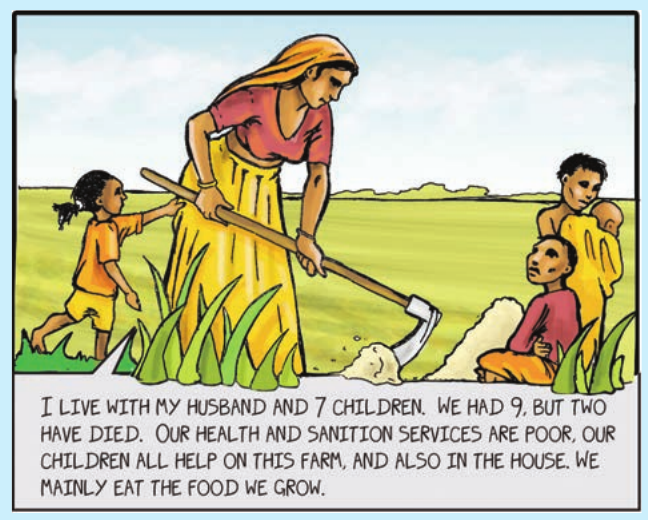
Woman 1 - Rural agricultural setting: This woman lives in a rural area where children are economically valuable as farm workers. With limited access to education, healthcare, and family planning services, she has had multiple children. The high child mortality rate in her community means having more children helps ensure some will survive to adulthood.

Woman 2 - Urban professional setting: This professional woman has access to education, career opportunities, and family planning services. She prioritises establishing her career and financial security before having children. The high cost of raising children in an urban environment, combined with confidence that her children will survive, means she plans to have a smaller family.
2. Factors that influence mortality
Mortality refers to deaths within a given population. Wars, natural disasters, accidents, malnutrition, and diseases all cause people to die, but the impact varies significantly between populations based on socio-economic factors.
Important
The same basic human needs - healthcare, clean water, nutrition, and education - are fundamental to reducing mortality rates everywhere, regardless of a country's development level.
Levels of education and literacy
Education plays a crucial role in reducing death rates. Better educated people are more capable of understanding health information, including:
- Instructions for taking medicines correctly
- The importance of hygiene and nutrition for staying healthy
- How to prevent disease transmission
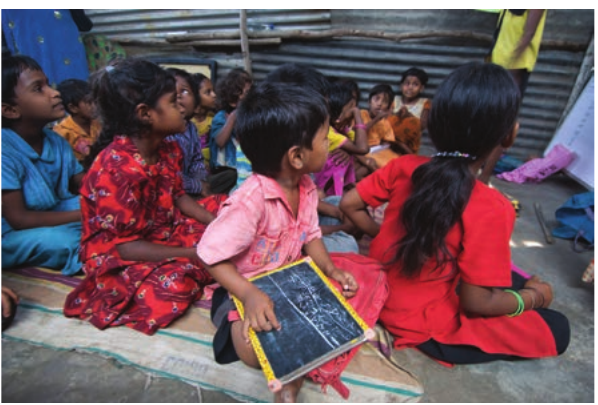
Higher literacy rates enable people to access health information and make informed decisions about their wellbeing. When parents can read, they're better able to care for their children's health needs.
Quality of healthcare services
Access to good healthcare services dramatically reduces mortality rates. Essential healthcare includes:
- Qualified doctors and nurses
- Essential medicines and medical equipment
- Immunisation programmes to prevent diseases
- Preventive screening for early disease detection
- Emergency medical services
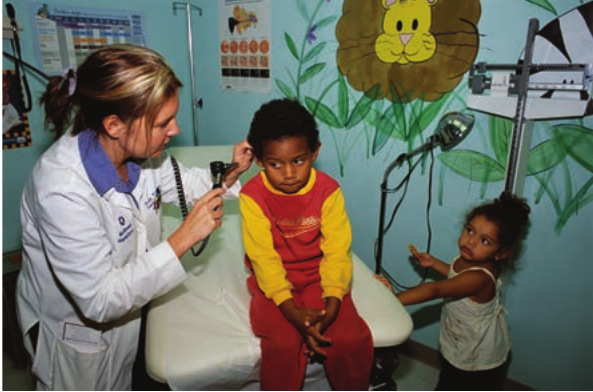
Quality pediatric care, as shown in this image, helps reduce child mortality rates significantly. Countries with well-funded healthcare systems typically have much lower death rates.
Levels of access to clean water and sanitation
Access to clean water and proper sanitation is fundamental for human health. Without these basics:
- Water-borne diseases like cholera and dysentery spread rapidly
- Infant mortality rates remain high
- Overall population health suffers
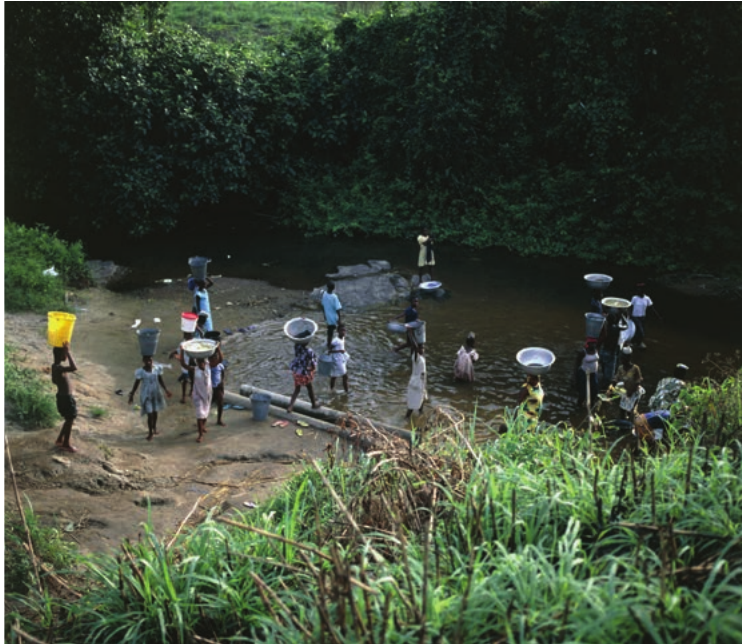
This image shows people collecting water from a natural source, which may not be safe to drink. Communities without piped water systems face higher risks of water-related diseases.
Note
Water Access and Health Outcomes
The connection between water infrastructure and population health is clearly demonstrated through immunisation and survival rates.
| Statistic | Country A | Country B |
|---|---|---|
| Percentage of population with access to piped water | 58% | 100% |
| Percentage of children 12-23 months old immunised against measles | 41% | 94% |
Countries with better infrastructure show dramatically higher immunisation rates and health outcomes.
Diet and nutrition
Proper nutrition is essential for maintaining health and preventing disease. People's income, education, and food availability all influence whether they have adequate diets. Malnutrition weakens the immune system and makes people more vulnerable to diseases.
In places where people cannot access balanced nutrition, death rates are higher than in areas where people have adequate food security.
Infrastructure and levels of technology
Modern technology and infrastructure help reduce mortality by:
- Enabling rapid disaster prediction and response
- Allowing emergency services to reach remote areas quickly
- Supporting communication during health emergencies
- Facilitating the transport of medical supplies

Emergency medical helicopters exemplify how modern technology can save lives by quickly transporting seriously ill or injured people to appropriate medical facilities.
3. Factors that influence life expectancy
Life expectancy is closely connected to mortality rates. The same factors that affect death rates also influence how long people can expect to live:
- Access to quality healthcare throughout life
- Availability of clean water and sanitation
- Adequate nutrition and food security
- Education levels in the population
- Quality of infrastructure and technology
Note
When infant mortality rates are high, life expectancy at birth will be particularly low, as many people die before reaching adulthood. This explains why improving child health is crucial for overall population statistics.
4. Factors that influence natural increase
Natural increase is the difference between birth rates and death rates in a population. Because natural increase depends on both births and deaths, all the factors influencing fertility and mortality also affect the rate of natural increase.
Note
Understanding Natural Increase Patterns
Natural increase reflects the combined impact of all socio-economic factors. A country might have high birth rates but also high death rates, resulting in moderate natural increase despite high fertility.
For example, if factors support both low birth rates and low death rates, the rate of natural increase will be moderate. However, if conditions favour high birth rates but also high death rates, natural increase may still be low despite high fertility.
Global patterns and case studies
Women's literacy project in Afghanistan
Example
Case Study: Education Impact on Population Indicators
This literacy project demonstrates how targeted education programmes can influence multiple population indicators simultaneously.
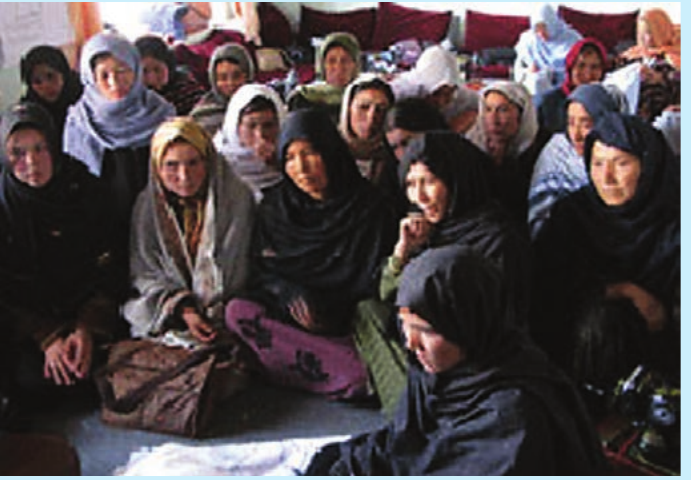
Education programmes for women can significantly impact population indicators. In rural Afghanistan, a literacy project has helped women learn to read and write, plus practical skills like animal husbandry and horticulture. Participants report several benefits:
- Increased independence and family income
- Better understanding of health and vaccination importance
- Improved status within their families and communities
- Greater confidence in making decisions about family size
This demonstrates how education, particularly for women, can influence multiple population indicators simultaneously.
Global distribution patterns
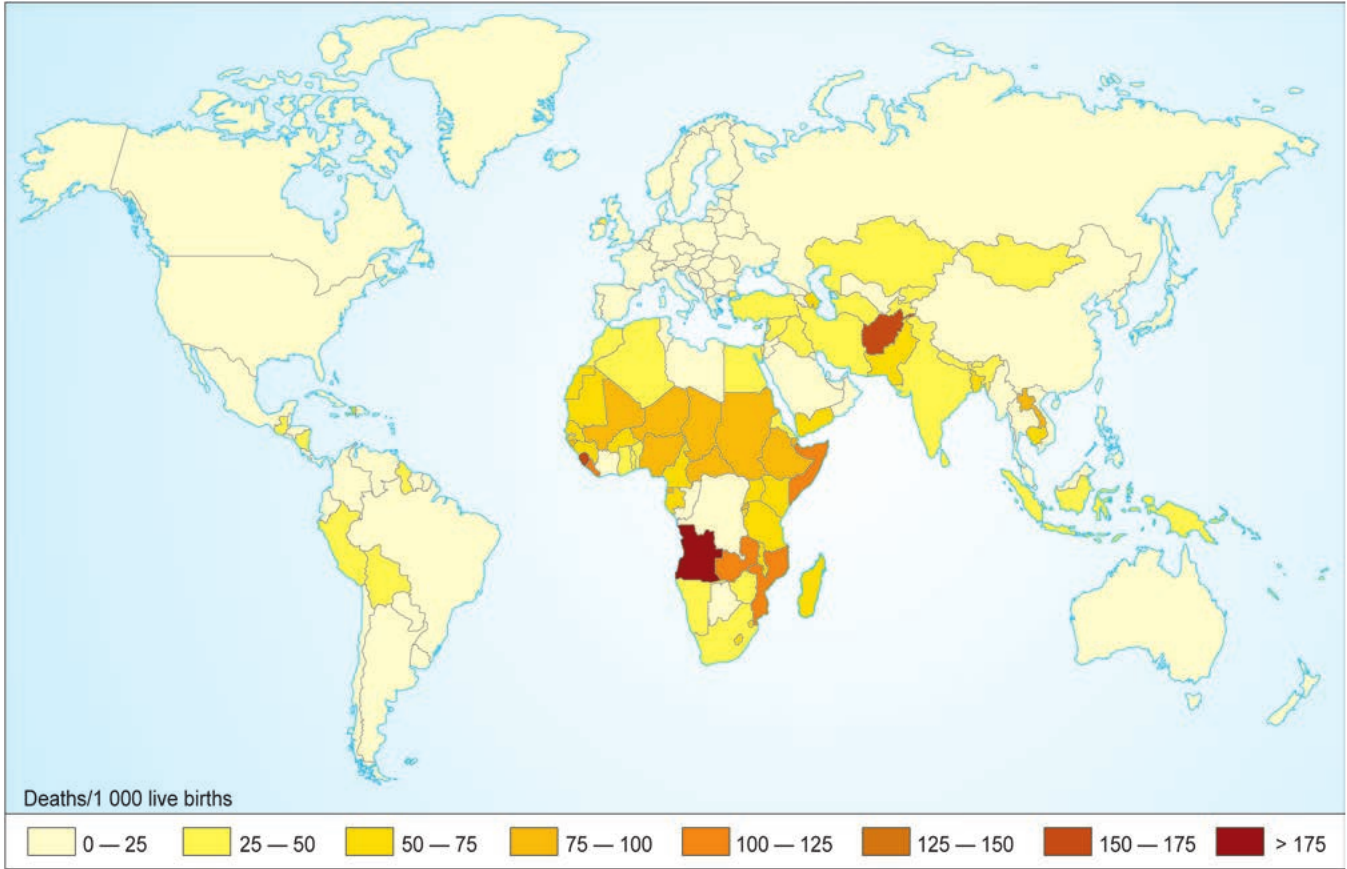
This world map of infant mortality shows clear global patterns. Sub-Saharan Africa shows the highest infant mortality rates (darkest colours), while developed countries in North America, Europe, and Australia show the lowest rates (lightest colours). This reflects the global distribution of factors we've discussed - healthcare access, education, water and sanitation, and economic development.
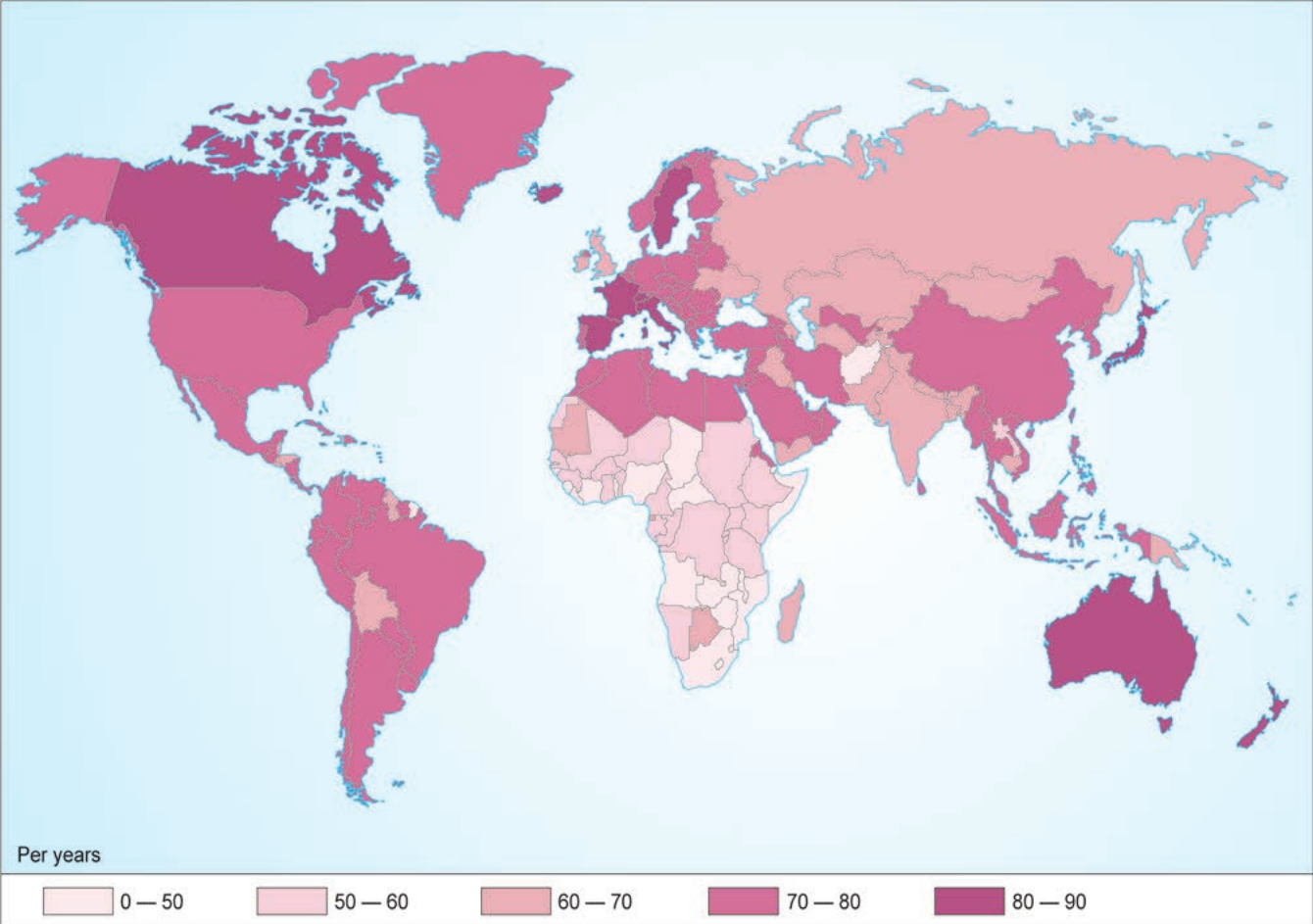
The world map of life expectancy shows similar patterns, with developed countries achieving 70-90 years life expectancy while some developing countries have life expectancies of only 50-60 years. These patterns directly reflect the factors influencing mortality that we've examined.
Summary
Key Points to Remember:
- Fertility rates are influenced by women's education, status in society, access to family planning, economic factors, and child survival rates
- Mortality rates depend on education levels, healthcare quality, water and sanitation access, nutrition, and infrastructure development
- Life expectancy is closely linked to the same factors affecting mortality, especially infant and child mortality rates
- Natural increase reflects the combined impact of all factors affecting both births and deaths in a population
- Global patterns show clear connections between development levels and population indicators, with more developed countries generally having lower fertility and mortality rates