The World's Oceans (Grade 10 NSC Matric Geography): Revision Notes
📚Revision Notes
Managing the World's Oceans
The world's oceans are incredibly valuable resources that face serious threats from human activities. Countries and international organisations have developed several key strategies to protect and manage these vital marine environments. Understanding these management approaches is essential for ensuring the sustainability of ocean resources for future generations.
Understanding key terms
Note
Before exploring management strategies, it's important to understand some key concepts that form the foundation of marine conservation:
- Biodiversity refers to the number and variety of plants and animals that live in a particular area
- Habitat is the specific area where a plant or animal species normally lives and thrives
- Ecosystem describes the complex relationships between all living things in a given area
- Sustainable means being able to continue an activity without significantly damaging the environment
Laws to protect fish populations
Countries around the world create laws designed to protect different fish species from overfishing and extinction. These legal protections work in several important ways:
Size restrictions prevent fishing companies from catching fish that are too small. This ensures young fish have time to grow and reproduce before being harvested.
Quantity restrictions control exactly how many tonnes of fish can be caught each year. This prevents overfishing that could deplete fish stocks completely.
No-take zones are special areas where countries agree not to allow any fishing until fish populations recover to healthy numbers.
Endangered species protection involves officially naming certain fish species as endangered, which makes it illegal to catch them.
Fishing method regulations include setting international standards for net mesh sizes and making certain harmful fishing methods completely illegal.
Important
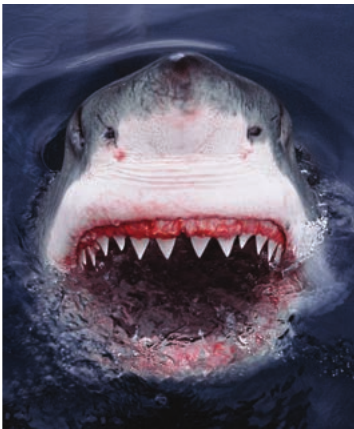
These laws are particularly critical because approximately 20 fish species around South Africa are currently on the endangered list. Sharks face special threats from overfishing, partly because shark-fin soup is considered a delicacy in some cultures.
Note
Recent research shows that ocean pollution has made sharks contain high levels of mercury, making shark-fin soup more dangerous to eat than the live sharks are to humans.
Establishing marine protected areas
Marine Protected Areas (MPAs) are special conservation zones established by national or local governments. These protected areas typically extend along sections of coastline and stretch several kilometres out into the ocean.
Within Marine Protected Areas, human activities face strict controls. Fishing, tourism, housing development, and waste disposal are all carefully regulated to protect marine environments.
Marine Protected Areas provide multiple benefits for both marine life and human communities. They create safe breeding grounds where fish stocks can recover and grow. This leads to increased fish catches in the surrounding fishing areas as populations spill over from the protected zones. MPAs also protect important marine habitats from human damage and help maintain the biodiversity of plant and animal species. Additionally, they support local communities who depend on healthy marine resources for their livelihoods.
Important
However, ocean protection remains inadequate globally. Only about 0.5% of the world's oceans are currently protected areas, compared to approximately 12% of the world's land area. In 2010, international agreements recommended that 10% of the world's oceans should become protected areas by 2020.
Case study: South Africa's marine protected areas
South Africa has made significant progress in marine protection by proclaiming four new Marine Protected Areas. This expansion brings roughly 15% of South Africa's 3,000 km coastline under protection, creating a comprehensive framework for managing the country's fisheries.
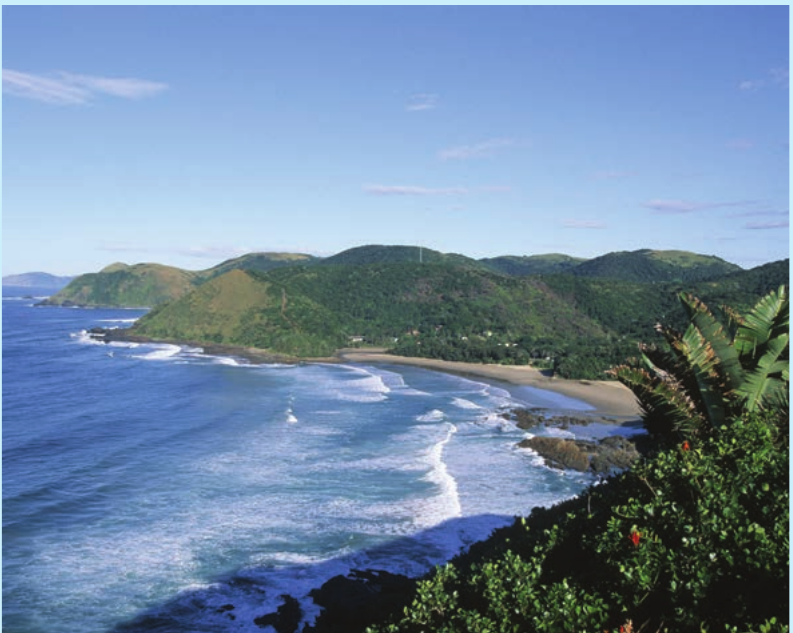
This expansion builds on South Africa's existing network of 19 Marine Protected Areas, which previously covered approximately 11% of the coastline. The protected areas stretch from the country's border with Namibia in the west to Mozambique in the east. The Tsitsikamma National Park, proclaimed in 1964, was the first marine area to receive protection.
Note
South Africa's Marine Protected Areas successfully combine conservation with sustainable development of tourism. This approach makes them equivalent to national parks but focuses specifically on marine environments. The areas provide excellent opportunities for research, ecotourism, sport diving, and sustainable fishing practices.
Ecosystem-based management
Ecosystem-based management represents a more holistic approach to ocean protection. This strategy allows controlled use of resources while recognising people as part of the ecosystem rather than separate from it.
This management approach aims to integrate economic, ecological, and social considerations when making decisions about marine resources. Instead of focusing on single species or individual problems, ecosystem-based management looks at the bigger picture of how all components of marine environments work together.
Important
The key principle behind ecosystem-based management is finding sustainable ways for people and the environment to coexist. This means balancing human needs for marine resources with the requirement to maintain healthy ocean ecosystems for the long term.
Ecosystem-based management recognises that healthy marine ecosystems provide essential services to human communities, including food security, climate regulation, and economic opportunities. By protecting these ecosystem services, this approach ensures that ocean resources remain available for future generations while meeting current human needs.
Summary
Key Points to Remember:
- Three main strategies protect the world's oceans: legal protection laws, Marine Protected Areas, and ecosystem-based management
- Legal protections include size restrictions, quantity limits, no-take zones, endangered species protection, and fishing method regulations
- Marine Protected Areas cover only 0.5% of world's oceans but provide multiple benefits including safe breeding grounds and increased fish catches in surrounding areas
- South Africa protects 15% of its coastline through Marine Protected Areas, combining conservation with sustainable tourism development
- Ecosystem-based management takes a holistic approach by recognising people as part of marine ecosystems and balancing economic, ecological, and social needs