Water in the World (Grade 10 NSC Matric Geography): Revision Notes
📚Revision Notes
Different Forms of Water
Water is one of the most important substances on Earth and exists in several different forms. Understanding these different forms and where they occur is essential for studying water resources and the water cycle.
The three states of water
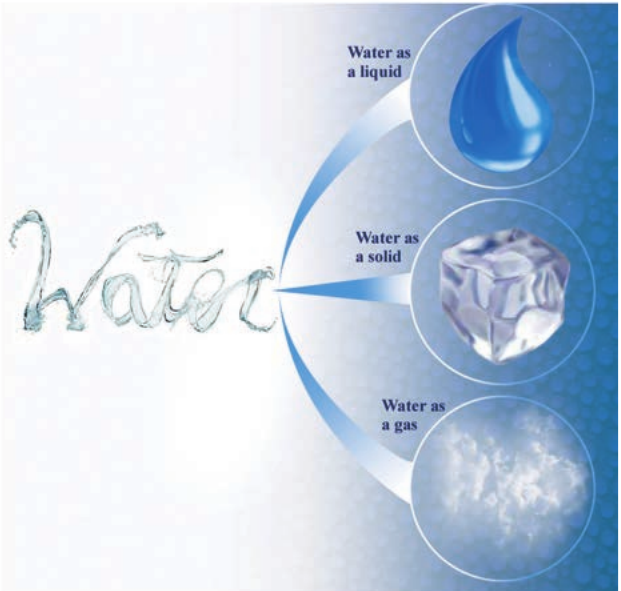
Water is unique because it naturally exists in three different states (different forms of a substance) on Earth. Each state has distinct characteristics that depend on temperature conditions.
Note
The ability of water to exist naturally in all three states on Earth makes it unique among substances. This property is crucial for life and the functioning of our planet's climate system.
Water as a liquid
When water exists as a liquid, it has no fixed shape and takes on the form of whatever container holds it. You can see liquid water in rivers, lakes, dams, and even in a glass. Liquid water flows easily and is the form we use most often in our daily lives.
Water as a solid
Water becomes solid when it freezes at zero degrees Celsius (), transforming into ice. Solid water includes various forms such as ice cubes, hail, frost, and snow. All these are simply different types of frozen water, and they maintain a fixed shape unlike liquid water.
Water as a gas
Water can also exist as a gas, known as water vapour. This gaseous form is invisible to the human eye and is much lighter than dry air. Although we cannot see water vapour directly, it surrounds us in the atmosphere at all times.
Processes associated with water's changing states
Water constantly changes between its three states through various natural processes. These changes occur due to temperature variations and are crucial for the water cycle.
Important
Temperature is the key factor that drives all state changes in water. Understanding these processes is essential for comprehending weather patterns and the water cycle.
Temperature-driven state changes
- Melting occurs when ice transforms into liquid water due to rising temperatures above
- Evaporation happens when liquid water turns into water vapour as temperatures increase further
- Condensation takes place when water vapour cools down and becomes liquid water again
- Sublimation is the direct change from solid ice to water vapour without passing through the liquid state
These processes work continuously in nature, moving water between different states and locations around the planet.
Distribution of water on Earth
Understanding where Earth's water is located helps us appreciate the scarcity of usable fresh water and the importance of water conservation.
Important
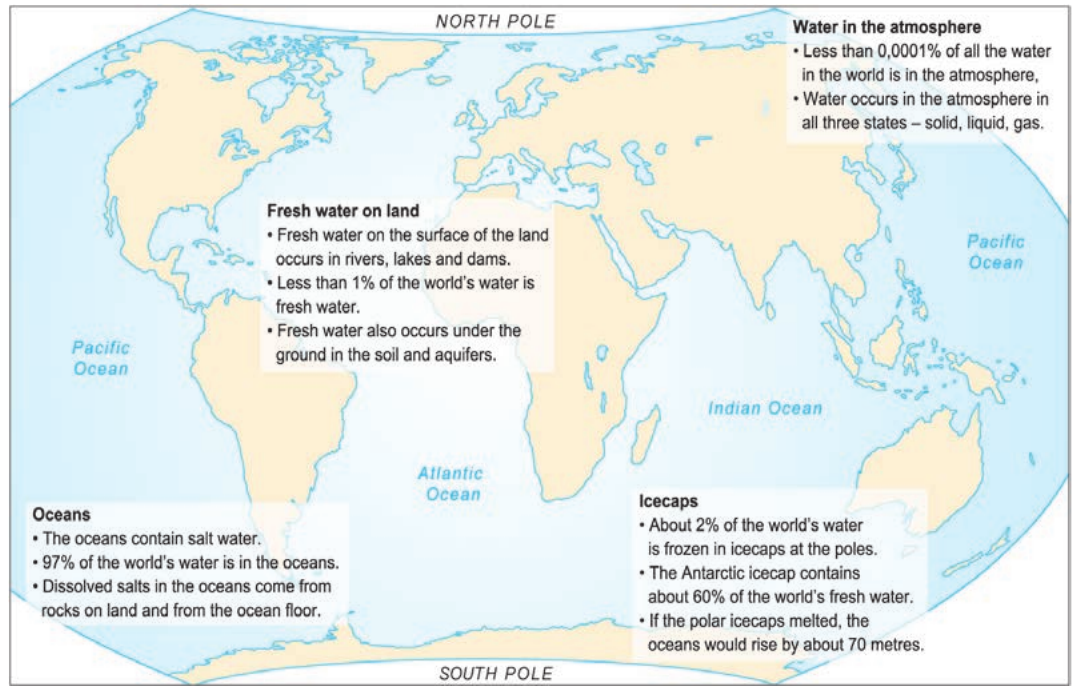
Critical Water Distribution Facts:
- 97% of Earth's water is salt water in oceans - unsuitable for human consumption
- Less than 1% is accessible fresh water on land - this makes fresh water extremely precious
- The remaining 2% is frozen in polar ice caps
Ocean water
The vast majority of Earth's water - approximately 97% - exists in the oceans as salt water. This water contains dissolved salts that make it unsuitable for drinking by humans, land plants, and animals. Ocean water plays a crucial role in weather patterns and climate regulation.
Fresh water sources
Less than 1% of all Earth's water is fresh water found on land. This precious resource occurs in various forms:
- Rivers and streams that flow across the landscape
- Lakes that form in natural depressions or behind dams
- Underground water stored in soil and rock formations
- Water held in dams and reservoirs built by humans
Frozen water
About 2% of the world's water exists as ice, mostly concentrated at the polar ice caps. The Antarctic ice sheet alone contains roughly 60% of the planet's fresh water. If these polar ice caps were to melt completely, global sea levels would rise dramatically by approximately 70 metres.
Atmospheric water
Less than 0.001% of all water exists in the atmosphere, but this small percentage is vital for life on Earth. Atmospheric water exists in all three states - as water vapour, liquid droplets in clouds, and solid particles in snow and hail.
Water in the atmosphere
The atmosphere contains water in various forms that we experience as weather phenomena. This atmospheric water plays a crucial role in distributing fresh water across the planet.
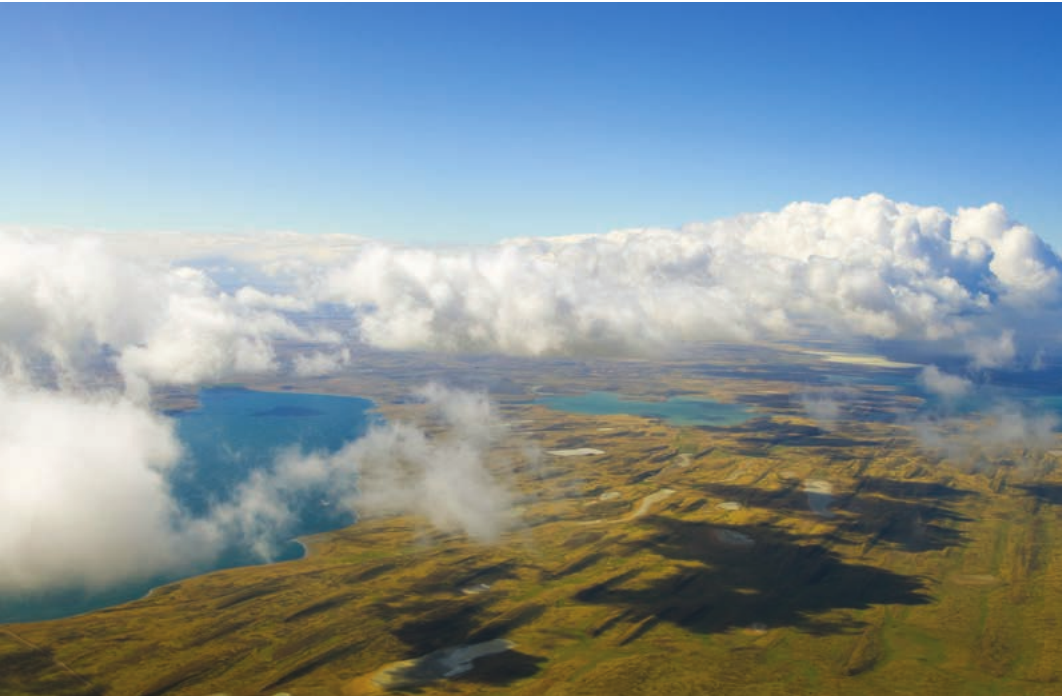
Water exists in the atmosphere as invisible water vapour, visible liquid droplets in clouds and rain, and solid particles in hail and snow. When water is released from clouds, we experience precipitation in the form of rain, hail, or snow.
Approximately 80% of atmospheric water comes from evaporation over the oceans. Through evaporation, the atmosphere transports water from both land and sea into clouds, from where it eventually falls back to Earth as precipitation, continuing the endless water cycle.
Water on land
When precipitation reaches the land surface, water moves in several different ways. Understanding these movements helps explain how water resources are distributed and accessed.
Surface water movement
Rainwater that falls on land either soaks into the soil or flows over the surface. Surface run-off describes water that flows over the land surface in small trickles, similar to what you might see on roads during a rain shower. Channel run-off refers to water that collects and flows in streams and rivers.
Rivers and lakes
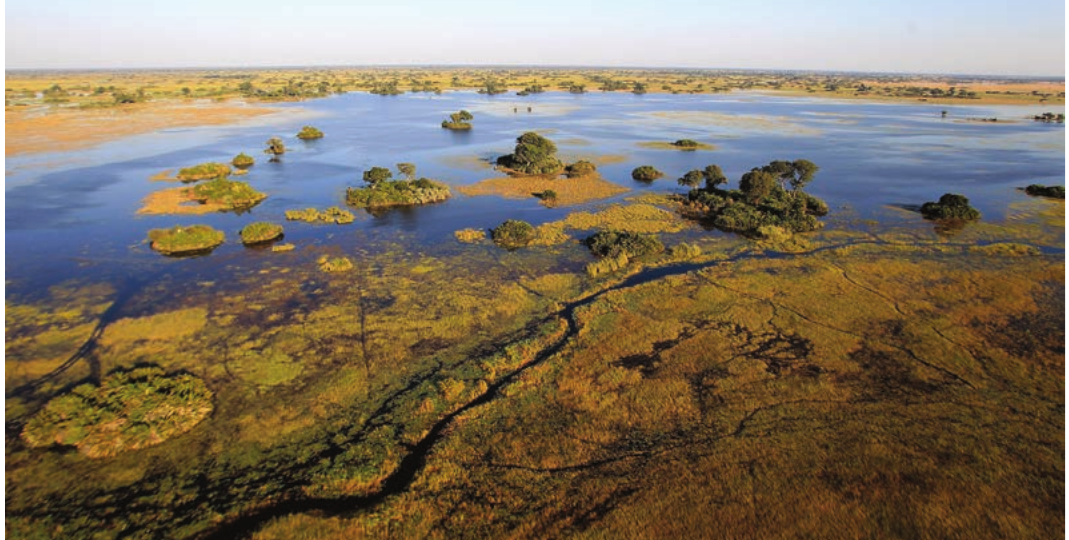
Rivers vary enormously in size, from narrow streams just a few metres wide to massive rivers several kilometres across. Most human settlements historically developed near rivers because they provided fresh water for drinking, farming, and transportation. Some rivers flow into natural or artificial lakes.
Lakes form through various natural processes:
- Tectonic activity can create depressions where water collects
- Glacial activity can carve out basins that later fill with water
- Rivers flowing into low, flat areas can spread out and form lakes
Groundwater systems
Water that soaks into the ground becomes groundwater. This water infiltrates (seeps slowly) through soil and cracks in underground rocks, becoming part of the subsurface water system.
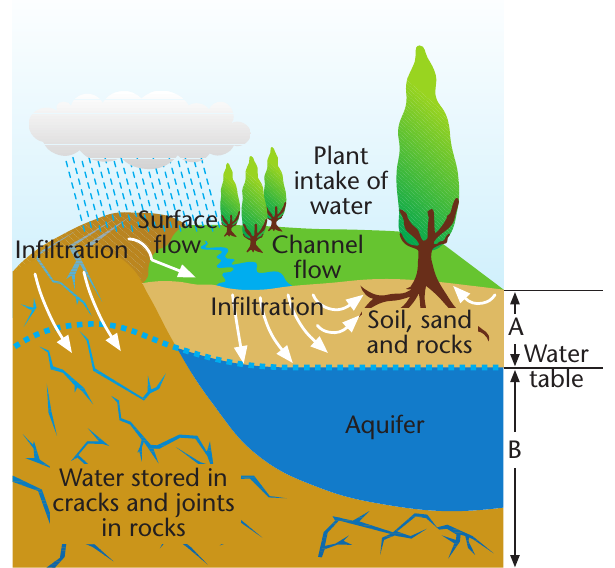
The soil and rock underground fill with water, creating a saturated layer beneath the surface. The top boundary of this water-filled zone is called the water table. Aquifers are underground formations of saturated rocks and sand that contain enough groundwater to supply wells and boreholes that people can use.
Note
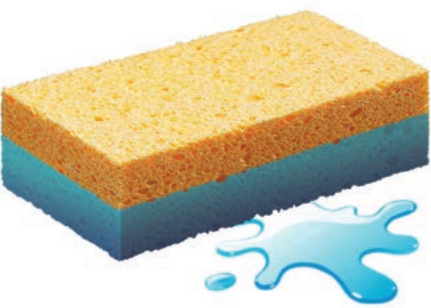
Understanding Groundwater: Think of groundwater like water in a sponge - the water fills all the tiny spaces between soil particles and rock fragments. People access this underground water by drilling wells and boreholes that reach down into the aquifer below the water table.
Water in the oceans
The oceans play a central role in the global water system. Most precipitation actually falls over the oceans rather than on land. Rivers and groundwater also eventually return water to the oceans, creating a continuous movement of water between the atmosphere, land, and sea.
This constant movement and recycling of water between different locations and states is called the hydrological cycle. The oceans serve as the main reservoir in this cycle, providing water for evaporation that later becomes precipitation on land, which then flows back to the sea through rivers and groundwater.
Example
Example: The Complete Water Cycle
Step 1: Water evaporates from oceans and becomes water vapour in the atmosphere
Step 2: Water vapour condenses in clouds and falls as precipitation over land
Step 3: Precipitation either flows as surface run-off to rivers or infiltrates to become groundwater
Step 4: Rivers and groundwater eventually return the water to the oceans, completing the cycle
Summary
Key Points to Remember:
- Water naturally exists in three states: liquid, solid (ice), and gas (water vapour)
- Temperature changes drive water between states through melting, evaporation, condensation, and sublimation
- 97% of Earth's water is salt water in oceans, only 1% is usable fresh water on land
- Water moves constantly between the atmosphere, land, and oceans in the hydrological cycle
- Groundwater stored in aquifers below the water table provides an important source of fresh water for human use