Ethics (Grade 11 NSC Matric Accounting): Revision Notes
📚Revision Notes
The Meaning of Ethics
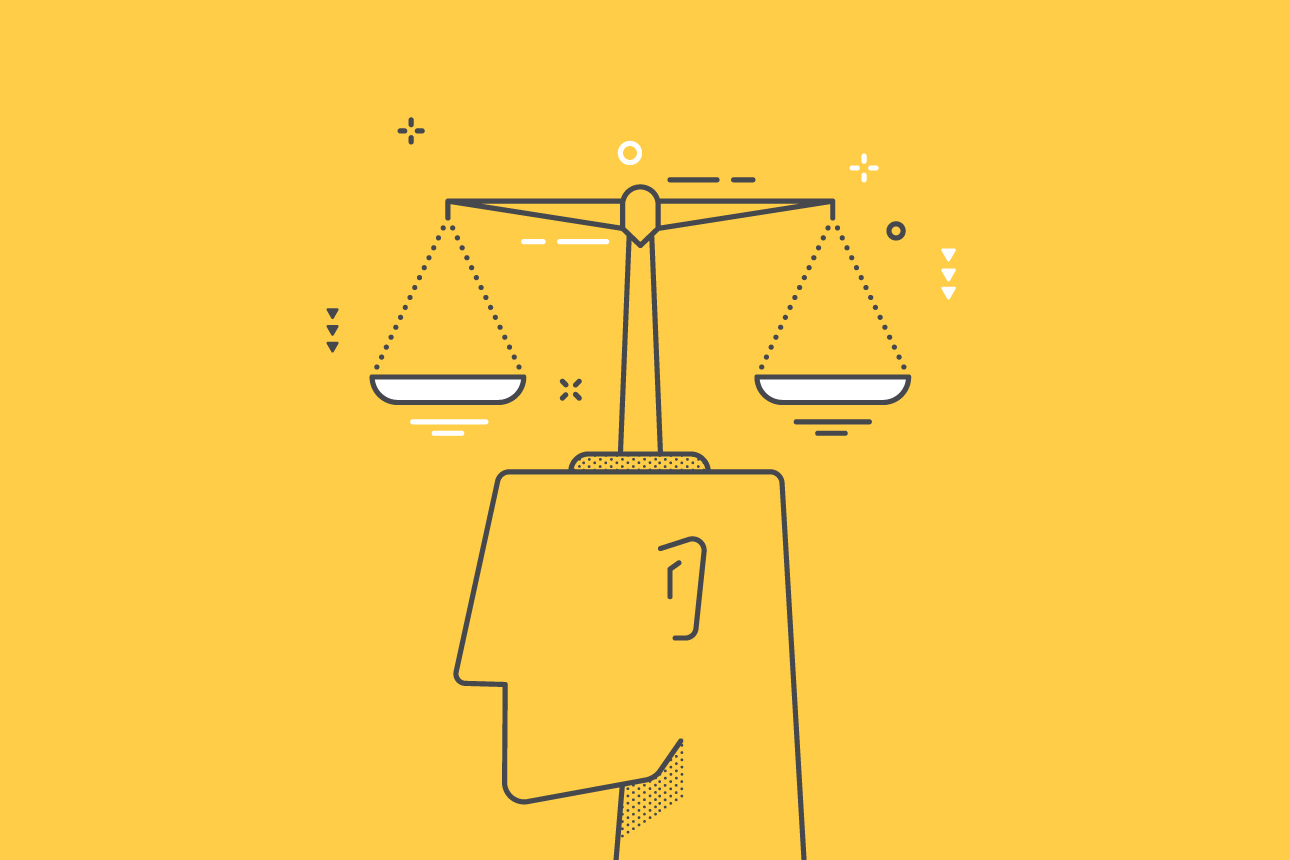
What is ethics?
Ethics is about doing things in the proper way. It relates to how businesses and the people working in them should conduct themselves in the world of commerce. Every person in business must understand the difference between a good decision and a bad decision, and they should always choose to do what is right.
Note
Core Definition of Ethics:
Ethics refers to the 'correct way' of doing things. It concerns the way businesses and people in business should behave in the world of commerce. In any business people need to know the difference between a good and a bad decision and should choose to do the right thing.
In simple terms, ethics is about moral behaviour - knowing what is right and what is wrong, and then acting accordingly. When we talk about ethics in accounting and business, we are referring to the standards and principles that guide how businesspeople should behave.
Why ethics matters in business
In any business environment, whether you're the owner, a manager, an employee, or even a bookkeeper, you will face situations where you need to make decisions. Some of these decisions will be easy, but others might tempt you to take shortcuts or act in ways that benefit you personally rather than the business.
Understanding ethics helps you to:
- Protect the business's reputation and financial health
- Build trust with customers, suppliers, and colleagues
- Make decisions that are fair and honest
- Avoid legal problems and financial losses
- Create a positive working environment
Important
Key Concept: Ethics and Integrity
Ethics is not just about following rules - it's about having the integrity to do the right thing even when no one is watching. Ask yourself: "Would I be comfortable if everyone knew about this decision?"
Understanding ethical versus unethical behaviour
To truly understand ethics, you need to be able to identify the difference between behaviour that is ethical (right) and behaviour that is unethical (wrong). Let's look at some practical examples from real business situations.
Worked examples of ethical and unethical behaviour
Example
Worked Example 1: The Bookkeeper and Business Cash
Scenario: A bookkeeper doesn't deposit all the cash received on the same day it comes into the business. Instead, she temporarily uses this money for her own personal expenses. At the end of the month, when she receives her salary, she deposits the correct amount back into the business's bank account.
Analysis: This behaviour is unethical even though the bookkeeper eventually pays the money back. Here's why:
- The cash belongs to the business, not to her personally
- She is essentially stealing from the business, even if it's temporary
- The business bank records will be incorrect during this period
- She is abusing her position of trust
- If an emergency occurred and she couldn't pay it back, the business would suffer a loss
The right thing to do: All business cash must be deposited into the business bank account immediately. If the bookkeeper needs money, she should arrange a personal loan through proper channels, not use business funds.
Example
Worked Example 2: Owner Using Business Funds for Personal Expenses
Scenario: The owner of a business withdraws cash from the business's bank account to pay for his child's school fees.
Analysis: This behaviour can be ethical if handled correctly. As the owner of a sole proprietorship, the person is entitled to take money out of the business. However, there are important considerations:
- This withdrawal must be recorded properly as drawings (money taken by the owner for personal use)
- It should not be hidden or disguised as a business expense
- The business records must clearly show this as the owner's personal withdrawal
- The owner needs to ensure the business has enough money to meet its obligations
The right thing to do: Record the transaction correctly as drawings. The owner should understand that taking too much money out of the business can weaken its financial position.
Note
Understanding Business Money vs Personal Money:
A key principle in business ethics is recognizing that business assets are separate from personal assets. Even owners must maintain proper records when moving money between business and personal use.
Example
Worked Example 3: Manager Selling Damaged Goods and Donating Proceeds
Scenario: A manager sells damaged goods that customers have returned to her friends at a reduced price. She then donates the money received to a local school on behalf of the business.
Analysis: This behaviour is unethical because:
- She is selling business property (the damaged goods) without proper authorisation
- The money from the sale belongs to the business, not to her
- She cannot make donation decisions on behalf of the business without permission
- Her friends are benefiting from inside access to discounted goods
- Even though the donation seems good, she doesn't have the authority to give away business money
The right thing to do: Any disposal of business assets, even damaged ones, must be authorised by the business owner. If donations are to be made, this should be a business decision, not an individual employee's choice.
Example
Worked Example 4: Manager Selling Damaged Goods for Personal Gain
Scenario: A manager sells damaged goods that customers returned to his friends at a reduced price. He keeps the money for his own personal expenses.
Analysis: This behaviour is clearly unethical and actually constitutes theft because:
- He is stealing business property (the damaged goods)
- He is stealing the money that should belong to the business
- He is abusing his position of authority
- He is defrauding the business
- This could lead to criminal charges
The right thing to do: Damaged goods should be handled according to business policy - either returned to suppliers, disposed of properly, or sold through official channels with all proceeds going to the business.
Example
Worked Example 5: Employee Using Company Equipment Without Permission
Scenario: An employee takes a data projector home from work to watch movies on weekends. The owner has not given permission for this.
Analysis: This behaviour is unethical because:
- The equipment belongs to the business, not to the employee
- She is using it without authorisation
- The equipment could be damaged or stolen while in her possession
- She is abusing the trust placed in her
- If the business needs the projector during the weekend, it won't be available
The right thing to do: Business equipment should only be used for business purposes unless the owner explicitly gives permission for personal use. If the employee wants to borrow equipment, she should ask for permission first.
Example
Worked Example 6: Sales Assistant Being Honest About Product Quality
Scenario: A sales assistant informs a customer that the equipment she wants to buy is shop-soiled (slightly damaged or marked from being displayed in the shop).
Analysis: This behaviour is ethical because:
- She is being honest and transparent with the customer
- She is protecting the customer's right to make an informed decision
- She is building trust between the business and the customer
- She is following good business practice
- Even if this might lose a sale, honesty is more important in the long term
The right thing to do: Always be honest with customers about the condition and quality of products. This builds a good reputation for the business and creates loyal customers.
The consequences of unethical behaviour
When employees, managers, or even owners behave unethically, the business suffers in many ways. Understanding these consequences helps reinforce why ethical behaviour is so important.
Financial consequences
- Direct losses: Money or assets are stolen or misused, reducing the business's profits
- Lost sales: Customers who discover unethical practices will take their business elsewhere
- Legal costs: The business may face lawsuits or fines
- Insurance problems: Insurance companies may refuse to cover losses related to unethical behaviour
Note
Real Impact on Profitability:
Unethical behaviour doesn't just affect reputation - it directly impacts the bottom line. A business can lose thousands or even millions in revenue due to ethical failures, and the costs of legal battles and settlements can be devastating.
Reputational damage
- Loss of trust: Customers, suppliers, and the community lose faith in the business
- Negative publicity: Bad news spreads quickly, especially on social media
- Difficulty attracting good employees: People don't want to work for businesses with poor ethical standards
- Reduced business opportunities: Other businesses may refuse to work with a company known for unethical practices
Operational problems
- Low employee morale: When unethical behaviour is tolerated, good employees become demotivated
- Increased theft and fraud: If some people get away with unethical behaviour, others may follow
- Poor decision-making: An environment without strong ethics leads to more bad decisions
- Internal conflicts: Unethical behaviour creates tension and distrust among staff members
Legal consequences
- Criminal charges: Serious unethical behaviour like theft or fraud can lead to prosecution
- Civil lawsuits: Customers or suppliers may sue the business
- Regulatory penalties: Government agencies can impose fines or revoke business licences
- Personal liability: In some cases, individuals can be held personally responsible
Important
The Domino Effect of Unethical Behaviour:
One unethical action rarely stays isolated. It creates a culture where more unethical behaviour becomes acceptable, leading to a downward spiral that can ultimately destroy a business. The consequences compound over time, making recovery increasingly difficult.
Long-term impact
- Business failure: The combined effects of unethical behaviour can ultimately cause a business to close down
- Damaged careers: Individuals known for unethical behaviour find it difficult to get future employment
- Community harm: Unethical businesses can damage the local economy and community trust
Exam tips
Important
Key Exam Strategies:
- Always consider both the immediate and long-term consequences of ethical and unethical behaviour
- Remember that something can be legal but still unethical
- In exam scenarios, look for key indicators: Is someone using business resources for personal gain? Is there transparency and honesty? Has proper authorisation been obtained?
- Be prepared to explain why behaviour is ethical or unethical, not just to label it
- South African business law and the Companies Act contain provisions about ethical behaviour - familiarise yourself with basic principles
Remember!
Summary
Key Points to Remember:
-
Ethics means doing the right thing: It's about proper behaviour in business, knowing the difference between good and bad decisions.
-
Business assets belong to the business: Employees and managers cannot use business property, money, or resources for personal benefit without proper authorisation.
-
Honesty builds trust: Ethical behaviour, like being truthful with customers, creates long-term success even if it seems difficult in the short term.
-
Unethical behaviour has serious consequences: It damages the business financially, ruins its reputation, creates legal problems, and can ultimately lead to business failure.
-
Ethics applies to everyone: From the owner to the most junior employee, everyone in a business has a responsibility to behave ethically.