Advantages and Disadvantages of Trade (Grade 11 NSC Matric Economics): Revision Notes
📚Revision Notes
Advantages and Disadvantages of Trade
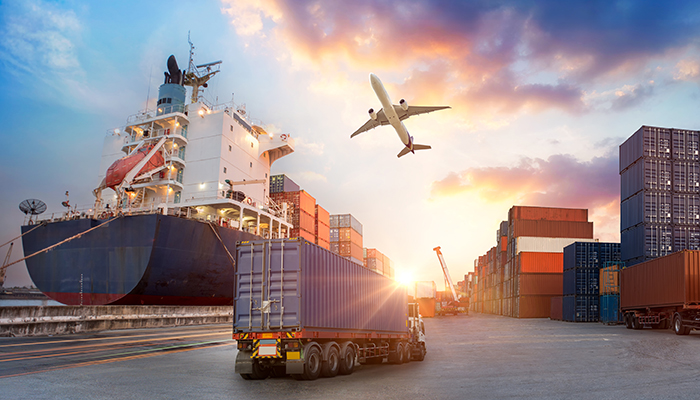
Why countries trade with each other
Note
International trade is a vital part of the global economy, connecting nations and enabling economic growth through the exchange of goods and services across borders.
Countries engage in trade for several important reasons:
- Access to unavailable goods and services: Nations can obtain products and services that they cannot produce themselves due to climate, resources, or technology limitations.
- Increased consumer choice: Trade expands the variety of goods and services available to consumers in each country.
- Cost savings: Countries can purchase goods at lower prices than it would cost to produce those same items domestically.
- Revenue growth: Selling products to international markets increases sales and generates more revenue for businesses and governments.
- Specialisation: Countries can focus on producing specific goods and services where they excel, becoming more efficient over time.
- Leveraging trade advantages: Nations can make strategic use of absolute or comparative advantages to benefit their economies.
Absolute advantage in trade
Absolute advantage happens when a country can produce a product using fewer resources and at a lower cost than any other nation could manage. This means the country is the most efficient producer of that particular good.
Note
Key Characteristics of Absolute Advantage:
Developed countries typically enjoy an absolute advantage over developing countries when it comes to manufacturing. This is because they have access to:
- More capital (money and equipment)
- More highly-skilled workers with advanced training
Example
Worked Example: Germany's Absolute Advantage
Germany has an absolute advantage in producing cars because it possesses:
- Advanced factories with cutting-edge technology
- Skilled engineers with specialised automotive training
- Efficient production systems refined over decades
These factors allow Germany to manufacture vehicles at a lower cost per unit than most other countries, making it one of the world's most efficient car producers.
Comparative advantage in trade
While absolute advantage focuses on who can produce most efficiently overall, comparative advantage takes a different approach. Countries gain the most benefit when they focus on producing and exporting goods and services that they can create more efficiently compared to their other production options.
Important
Critical Concept:
A country can benefit from international trade by specialising in products where it has the best comparative advantage, even if that country has higher production costs than its trading partners. This means a nation doesn't need an absolute advantage to benefit from trade.
Example
Worked Example: South Africa's Comparative Advantage
Consider this scenario:
- South Africa can produce both wine and electronics
- France produces wine more efficiently than South Africa
- Japan produces electronics more efficiently than South Africa
However, if South Africa is relatively better at producing wine compared to electronics, it should:
- Focus on wine production
- Trade wine exports for electronics imports
- Benefit from specialisation even without absolute advantage
Result: All countries benefit through this strategic specialisation based on comparative advantage.
Advantages of absolute and comparative trade
When countries engage in trade based on their absolute and comparative advantages, several positive outcomes emerge:
Economic growth
All forms of trade promote economic growth. Global trade attracts foreign investment into countries, bringing in money from overseas businesses and investors. This increased economic activity gives governments more revenue, which they can then invest in infrastructure projects like roads, schools, hospitals, and power stations.
Note
The Growth Cycle:
Better infrastructure supports even more economic growth, creating a positive cycle:
- Foreign investment → More revenue → Infrastructure improvements → Attracts more investment
Employment and income benefits
International trade creates numerous economic opportunities:
- Increased employment: As industries expand to meet export demand, more jobs become available for workers.
- Higher per capita income: With more people working and businesses earning more revenue, the average income per person rises.
- Better standard of living: Higher incomes allow people to afford better housing, healthcare, education, and other necessities that improve quality of life.
Global awareness
Trade creates greater awareness of global problems, which encourages countries to work together to address these challenges. When nations are economically connected, they become more invested in solving shared problems.
Note
Global Issues Receiving Attention:
Examples of global challenges that receive more focus due to trade connections include:
- Poverty and inequality
- Climate change and global warming
- Health crises like HIV, AIDS, and malaria
- Environmental degradation
Disadvantages of absolute and comparative trade
Despite the many benefits, international trade based on absolute and comparative advantages also presents several challenges:
Unsustained growth
Growth rates are not always sustained or sustainable. Economic growth from trade can be inconsistent, with periods of rapid expansion followed by slowdowns or recessions.
Important
Critical Issue: Unequal Distribution
The benefits of growth are not always distributed fairly and often don't reach the poorest people in society. This means inequality can actually worsen even as overall economic indicators improve.
Persistent poverty
Poverty levels remain high in many parts of the world. The gap between rich countries and poor countries continues to grow wider despite increased global trade.
Note
Wealthy nations often capture more of the benefits from trade, while developing countries struggle to move beyond producing low-value raw materials or basic manufactured goods.
The reality of free trade
Important
Free trade has never become a reality in the global economy. Despite decades of trade agreements and international organisations promoting free trade, protectionism and trade restrictions remain common.
Countries continue to:
- Impose tariffs (taxes on imports)
- Set quotas (limits on import quantities)
- Provide subsidies to domestic industries
- Create non-tariff barriers (regulations that make importing difficult)
These protective measures prevent the theoretical benefits of completely free trade from being realised.
Capital movement problems
The movement of large amounts of capital across borders can create serious financial problems. When money flows rapidly in and out of countries, it can lead to:
- Currency instability and exchange rate crises
- Asset bubbles and market crashes
- Economic volatility and uncertainty
- Loss of economic sovereignty as countries become dependent on foreign capital
Important
Vulnerability of Developing Countries:
Developing countries are particularly vulnerable to these problems when international investors suddenly withdraw their money during times of uncertainty, causing economic instability and crisis.
Summary
Key Points to Remember:
-
Absolute advantage means producing something at the lowest cost with the fewest resources compared to all other countries.
-
Comparative advantage means focusing on what you produce most efficiently relative to your other options, allowing beneficial trade even without absolute advantage.
-
Trade brings important benefits: economic growth through foreign investment, increased employment and income, higher living standards, and greater awareness of global challenges.
-
Trade also has significant drawbacks: unsustainable growth that doesn't reach the poor, persistent global inequality, continued trade protectionism, and financial instability from capital flows.
-
Understanding both advantages and disadvantages helps countries develop trade policies that maximise benefits while minimising negative impacts.