What Is Globalisation? (Grade 11 NSC Matric Economics): Revision Notes
📚Revision Notes
What Is Globalisation?
Introduction to globalisation
Globalisation is one of the most important economic concepts affecting our modern world. It describes how countries, businesses, and people around the world have become increasingly connected and interdependent. Understanding globalisation helps us make sense of international trade, economic development, and many social changes happening globally.
Definition of globalisation
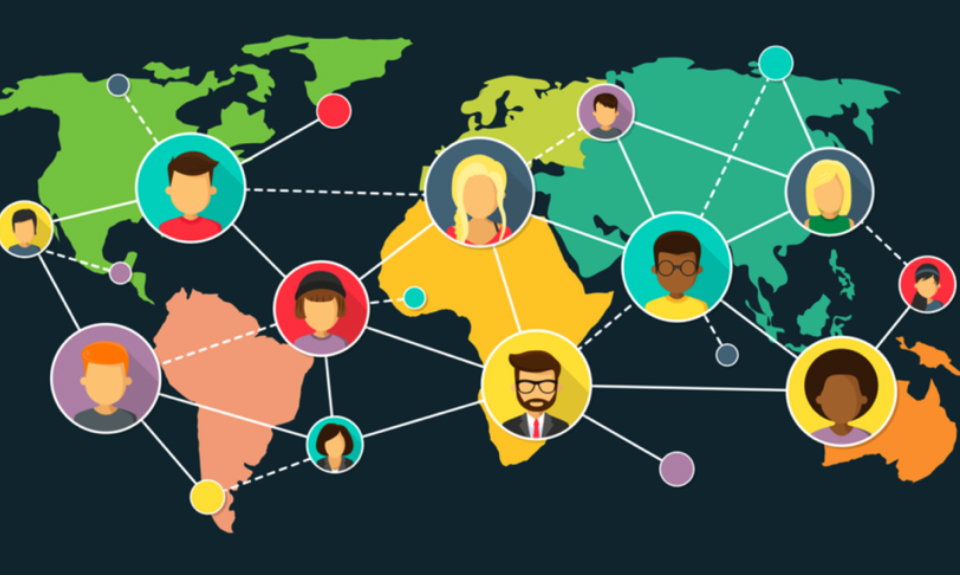
Globalisation refers to the process of increasing interconnection between nations in terms of trade, investment, culture, and communication. It involves several key elements working together to create a more integrated world economy.
The main features of globalisation include:
- Movement of production factors: Resources such as raw materials, labour, and capital can now move freely across national borders. This enables companies to establish businesses anywhere in the world where conditions are most favourable.
- Removal of trade barriers: National restrictions that once limited international trade have been reduced or eliminated, creating greater freedom of trade between countries.
- Economic integration: Countries' economies have become increasingly linked, with economic activities coordinated and integrated on a global scale.
- Growing global relationships: There is expanding interaction between different cultures, peoples, and economic activities across the world.
- Global distribution of production: The manufacturing of goods and provision of services is now spread across multiple countries rather than concentrated in single nations.
- Reduced trade restrictions: Barriers such as tariffs (taxes on imports), export fees, and import quotas (limits on quantities) have been lowered, making international trade easier and cheaper.
Note
The interconnected nature of globalisation means that economic events in one country can quickly affect economies worldwide. This interdependence creates both opportunities for growth and potential vulnerabilities during economic crises.
Causes of globalisation
Several important factors have driven the growth of globalisation over recent decades. Understanding these causes helps explain why our world has become so interconnected.
Free movement of capital
Capital (money for investment) can now flow easily between countries. This allows businesses to invest in foreign markets or withdraw funds as needed. Companies can quickly move money to wherever they see the best opportunities for profit or growth.
Note
The ease of capital movement has transformed global investment patterns. A business in one country can now invest in opportunities on the other side of the world with just a few clicks, something that would have been impossible or extremely difficult just a few decades ago.
Improvements in communication
Modern technology has revolutionised how we communicate globally. Communication has become cheap, quick, and reliable, enabling information to spread rapidly around the world. This advancement promotes international trade by making it easier for businesses to coordinate activities across borders.
Social networking platforms like Facebook, Twitter, and YouTube allow people to share information, opinions, and ideas with users worldwide, further connecting global communities.
Example
Communication Revolution in Practice
Consider how a business operates today compared to 30 years ago:
- 1990s: International phone calls were expensive, faxes took time, and coordinating with overseas partners meant waiting days for responses.
- Today: Video conferences happen in real-time, documents are shared instantly via cloud storage, and teams collaborate across continents as if they were in the same office.
This transformation has made global business operations practical and affordable for companies of all sizes.
Improvements in transportation
Advances in transport technology mean that people and goods can be moved to virtually any location in the world quickly and efficiently. These improvements have significantly reduced transport costs, which helps increase international trade by making it more affordable to ship products between countries.
Growth of multinational companies
Large corporations operating in multiple countries have become major drivers of globalisation. These multinational companies often relocate operations to new countries to access cheaper labour, benefit from less strict regulations, obtain raw materials, and discover new markets for their products.
Freedom of trade
The concept of free trade is central to globalisation. Free trade exists when products can flow freely between countries without barriers limiting imports and exports. This freedom allows goods and services to be traded internationally with minimal restrictions.
Important
Free trade is often debated because while it can lead to economic growth and lower prices, it can also create challenges for domestic industries that struggle to compete with cheaper foreign products. Understanding both sides of this debate is crucial for evaluating trade policies.
Labour availability and skills
Different countries offer varying labour conditions. Some nations, such as India, have lower labour costs and less restrictive employment laws. This variation attracts international businesses seeking to reduce expenses, contributing to the global distribution of production.
Multinational companies
Multinational companies play a crucial role in globalisation, and understanding them is essential for grasping how the global economy functions.
What are multinational companies?
Multinational companies are large business organisations that produce and/or distribute goods in multiple countries or operate globally. These corporations have headquarters in one country but conduct business operations in many different nations.
Why do multinational companies exist?
Several factors motivate companies to expand internationally:
- Climate advantages: Different regions offer specific climatic conditions suited to particular types of production or agriculture.
- Cheap labour: Companies can reduce costs by hiring workers in countries where wages are lower than in their home country.
- Less strict environmental laws: Some nations have more relaxed regulations regarding pollution, which may reduce compliance costs for businesses (though this raises ethical concerns).
- New markets: Expanding internationally allows companies to reach new customers and increase sales beyond their domestic market.
- Resource access: Companies can establish operations near natural resources like minerals, making extraction and processing more efficient.
Example
Real-World Multinational Strategy
Consider a smartphone manufacturer:
- Design and development: Headquarters in the United States (access to skilled engineers and innovation hubs)
- Component manufacturing: Taiwan and South Korea (advanced technology capabilities)
- Assembly: China or Vietnam (lower labour costs, established manufacturing infrastructure)
- Raw materials: Congo for minerals, Chile for copper (resource proximity)
- Sales: Global markets across all continents
This distribution allows the company to optimize costs, access specialized skills, and serve customers worldwide.
Arguments against multinational companies
While multinationals contribute to globalisation and economic growth, they face several criticisms:
- Profit focus: Critics argue that multinationals prioritise profits above all else, sometimes at the expense of workers, communities, or the environment.
- Pollution: Large corporations may contribute significantly to environmental damage through their operations.
- Worker exploitation: There are concerns that multinationals may take advantage of workers in countries with weak labour protections, paying low wages or providing poor working conditions.
Important
The ethical responsibilities of multinational companies remain a significant concern in the globalisation debate. While these companies drive economic growth and create jobs, questions about fair wages, environmental protection, and worker rights must be carefully considered and addressed through regulation and corporate responsibility initiatives.
Free trade and world trade agreements
International organisations and agreements have been established to promote and regulate globalisation.
The World Trade Organisation (WTO)
The World Trade Organisation was established in 1995, with South Africa as a founding member. By 2010, the WTO had grown to include 153 member countries. This organisation manages the rules governing trade between nations.
The WTO's primary aims include:
- Promoting free trade: Encouraging countries to remove barriers to international commerce.
- Reducing tariffs: Working to lower taxes on imported goods, making trade more affordable.
- Settling trade disputes: Providing a forum where countries can resolve disagreements about trade practices.
- Spreading the concept: Advocating that free trade is essential for economic growth and prosperity.
- Sharing development benefits: Ensuring that economic development benefits reach all countries, not just wealthy nations.
Note
The WTO serves as a crucial platform for international trade negotiations and dispute resolution. When countries have disagreements about trade practices, the WTO provides a structured system for addressing these conflicts without resorting to trade wars or economic retaliation that could harm the global economy.
Other important global organisations
Several additional international bodies work to further global cooperation:
- United Nations Organisation (UN): Works to promote world peace and protect human rights globally.
- International Monetary Fund (IMF): Focuses on improving and stabilising the world's economy through financial assistance and policy advice.
- World Bank: Provides loans and grants to improve the economies of developing countries, funding projects that promote development.
- World Health Organisation (WHO): Aims to improve welfare and healthcare, particularly in developing countries, by coordinating international health efforts.
Consequences of globalisation
Globalisation has created both positive and negative effects for countries, businesses, and individuals around the world. It's important to understand both sides to evaluate globalisation's overall impact.
Advantages of globalisation
Globalisation has brought several benefits to participating nations and their citizens:
Investment and development: High levels of international investment have led to economic development and growth in many countries. This investment creates jobs, builds infrastructure, and improves living standards.
Trade promotion: International trade has been encouraged and expanded, giving consumers access to a much wider range of products than would be available from domestic producers alone. This variety improves consumer choice and quality of life.
Technology and innovation: There is now a wide range of technology and new ideas available worldwide. This sharing of knowledge and innovation helps all countries advance more quickly than they could in isolation.
Note
The sharing of technology and innovation through globalisation has accelerated human progress significantly. Medical advances, agricultural techniques, and technological innovations developed in one country can now benefit people worldwide, improving quality of life and solving global challenges more effectively.
Access to capital markets: Both governments and businesses find it easier to access international capital markets. This means they can borrow money or attract investment more readily to fund projects and expansion.
Environmental awareness: Globalisation has increased concern over environmental issues and climate change. International cooperation has brought these problems to global attention, leading to initiatives to address them.
Lower prices: Increased international competition has led to reduced prices for many goods and services. When companies compete globally, consumers benefit from better value for money.
Disadvantages of globalisation
Despite its benefits, globalisation has also created significant problems and challenges:
Corporate power: Multinational companies can exert considerable influence over governments, sometimes pressuring them to adopt policies favourable to business interests rather than citizens' welfare.
Increasing inequality: While rich countries have generally become richer through globalisation, poorer people in developing countries have often become poorer. This growing gap between rich and poor is a major concern.
Important
The issue of increasing inequality is one of the most serious criticisms of globalisation. While globalisation has created wealth and opportunities, these benefits have not been distributed equally. The gap between the richest and poorest people and nations continues to widen, raising fundamental questions about the fairness and sustainability of the current global economic system.
Loss of identity: Western culture has spread to many parts of the world, sometimes overwhelming or replacing local traditions and cultures. This cultural homogenisation means countries lose elements of their unique national identity.
Resource exploitation: There has been excessive exploitation of natural resources, with some countries extracting resources unsustainably to meet global demand.
Environmental damage: Increased production and consumption have led to greater environmental destruction and rising pollution levels worldwide. The pressure to produce more goods cheaply can result in environmental corners being cut.
Collapse of local industries: In some countries, increased international competition has caused local industries to collapse. Domestic businesses may be unable to compete with cheaper imports from countries with lower production costs.
Disadvantage for small businesses: Small local businesses often cannot compete effectively against larger international corporations that have greater resources, economies of scale, and market power.
Note
The environmental costs of globalisation have become increasingly apparent. Increased production, transportation of goods across vast distances, and pressure to reduce costs have all contributed to environmental degradation. Balancing economic growth with environmental sustainability remains one of the key challenges of globalisation.
Summary
Key Points to Remember:
-
Globalisation means interconnection: It involves the movement of resources, removal of trade barriers, and integration of economies across borders.
-
Multiple factors drive globalisation: These include capital mobility, improved communications and transport, multinational companies, free trade policies, and differences in labour costs between countries.
-
Multinational companies are key players: They operate across borders to access resources, labour, and markets, though they face criticism for exploitation and environmental damage.
-
International organisations promote cooperation: The WTO, UN, IMF, World Bank, and WHO all work to manage different aspects of globalisation and its effects.
-
Globalisation has both advantages and disadvantages: Benefits include economic growth, wider choice, and technology sharing, while drawbacks include inequality, environmental damage, and loss of local identity and industries.