The Primary Sector (Grade 11 NSC Matric Economics): Revision Notes
📚Revision Notes
The Primary Sector
What is the primary sector?
The primary sector, which is sometimes referred to as primary industry, forms the foundation of any country's economy. This sector encompasses all the industries that work directly with a nation's natural resources to extract or produce raw materials. Think of it as the "starting point" where we get the basic materials that everything else in the economy depends on.
Note
The primary sector represents the first stage of economic production, where raw materials are extracted directly from nature before being processed by other sectors of the economy.
The primary sector is built around what nature provides us with - from the minerals beneath our soil to the fish in our oceans. These natural resources are then harvested, extracted, or produced to create the raw materials that other industries need to function.
What makes up the primary sector?
The primary sector includes several key industries, each focusing on different types of natural resources:
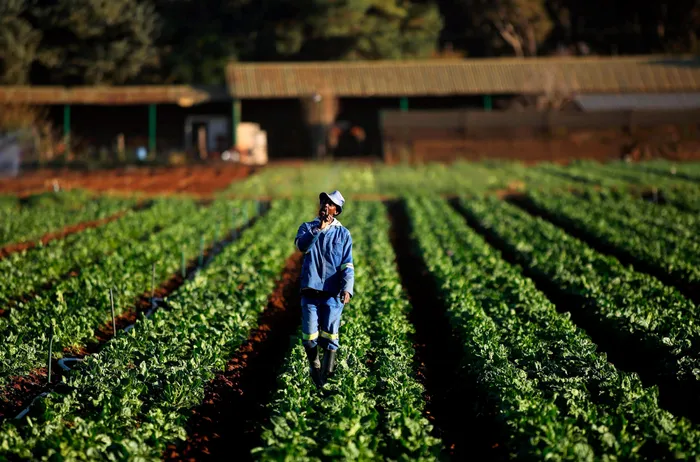
Agricultural activities involve farming the land and raising livestock. This includes growing crops like maize, wheat, and vegetables, as well as cattle farming, sheep farming, and poultry production. Agriculture is often the largest component of the primary sector in many developing countries.
Forestry and timber production focus on managing forests and harvesting wood. This industry provides timber for construction, paper production, and furniture manufacturing.
Note
Mining in South Africa
South Africa is particularly rich in minerals, making it one of the world's leading mining nations. The country's mineral wealth includes some of the world's largest reserves of gold, platinum, and chromium.
Mining operations extract valuable minerals from the earth. South Africa is particularly rich in minerals like gold, diamonds, platinum, coal, and iron ore, making mining a crucial part of our economy.
Water resources and hydroelectric power generation harness the power of flowing water to produce electricity. This renewable energy source is environmentally friendly and helps power homes and industries.
Oil and coal reserves provide essential energy sources. Coal-fired power stations generate much of South Africa's electricity, while oil is refined into petrol and diesel for transportation.
Marine resources through fishing exploit the wealth of our oceans and rivers. Commercial fishing provides food and supports coastal communities, particularly along South Africa's extensive coastline.
Why the primary sector matters
The primary sector plays a vital role in any country's economic development and daily functioning. Understanding its importance helps us appreciate why governments invest heavily in these industries.
Energy production is one of the sector's most critical contributions. Raw materials like coal provide the power that keeps our lights on and our factories running. Without these energy sources, modern economic activity would be impossible.
Note
The Economic Foundation
The primary sector creates a ripple effect throughout the economy. When primary industries thrive, they create demand for transportation, equipment, and various support services, leading to job creation across multiple sectors.
Supporting other industries is another key function. The primary sector produces the raw materials that secondary industries need to manufacture goods. For example, mining provides iron ore that steel factories use to produce steel for cars and buildings.
Food security depends entirely on the primary sector's agricultural activities. Farms produce the crops and livestock that feed the nation, making this sector essential for survival and social stability.
Job creation and skills development occur throughout the primary sector. From farm workers to miners, millions of people earn their living in these industries. These jobs often provide valuable skills and training opportunities, particularly in rural areas where other employment may be scarce.
Foreign exchange earnings come from exporting primary sector products. South Africa earns billions of rands by selling gold, diamonds, agricultural products, and other raw materials to other countries. This foreign currency helps strengthen our economy.
Note
Economic Development Pattern
As countries become more economically developed, the primary sector's contribution to GDP typically decreases. This is because manufacturing and service industries grow faster and become larger parts of the economy - a natural progression in economic development.
GDP contribution from the primary sector adds to the country's overall economic output. Although this contribution typically decreases as countries develop more advanced industries, it remains significant in developing nations.
Government revenue is generated through taxes paid by primary sector companies and workers. Mining companies, for example, pay substantial taxes that fund government services and infrastructure development.
Economic growth stimulation occurs when primary sector expansion creates demand for services, equipment, and infrastructure. A thriving mining operation needs transportation, equipment maintenance, and various support services, creating jobs throughout the economy.
It's important to understand that as countries become more economically developed, the primary sector's contribution to GDP typically decreases. This happens because manufacturing and service industries grow faster and become larger parts of the economy.
Historical challenges in South Africa's primary sector
South Africa's primary sector has been significantly shaped by the country's history of apartheid and racial discrimination. Understanding this context is crucial for appreciating current economic policies and ongoing transformation efforts.
Important
The Apartheid Legacy
The discriminatory policies of apartheid created systematic disadvantages that continue to affect South Africa's primary sector today. Understanding this history is essential for appreciating current transformation efforts.
The legacy of apartheid created deep inequalities in the primary sector. Before 1994, discriminatory laws systematically disadvantaged black South Africans in several ways. Black families lost their traditional farming lands, which were given to white farmers under apartheid policies. This forced displacement destroyed established agricultural communities and knowledge systems.
Limited access to quality land became a major problem. Black people were restricted to purchasing land only in designated areas, often on poor-quality soil that was unsuitable for productive farming. Meanwhile, white farmers received the best agricultural land and comprehensive government support.
Exclusion from government assistance meant that black farmers were denied the financial support, training, and infrastructure development that white farmers received. This created a significant disadvantage that persisted for generations.
Note
Land Redistribution Programme
Launched in 1995, this programme aims to improve black people's access to farming land and restore some historical balance. However, land reform remains one of South Africa's most complex ongoing challenges.
Addressing historical injustices has required specific government interventions. The Land Redistribution Programme, launched in 1995, aims to improve black people's access to farming land and restore some historical balance. However, progress has been slower than hoped, and land reform remains a complex and ongoing challenge.
Mining transformation has seen more success in recent years. Since 2006, numerous black empowerment deals have transferred ownership stakes in mines to black South Africans. These initiatives aim to ensure that the benefits of mining, particularly from South Africa's mineral wealth, are more equitably shared among all citizens.
These transformation efforts recognise that economic justice requires actively addressing past discrimination and creating opportunities for previously disadvantaged communities to participate meaningfully in the primary sector.
Summary
Key Points to Remember:
-
The primary sector works directly with natural resources to produce raw materials and includes agriculture, mining, forestry, fishing, and energy production.
-
This sector is crucial because it provides energy, raw materials for other industries, food security, employment opportunities, and foreign exchange earnings.
-
As countries develop economically, the primary sector's contribution to GDP typically decreases, but it remains important for providing the foundation for economic activity.
-
In South Africa, the primary sector has been significantly affected by apartheid policies, and ongoing transformation efforts like land redistribution and mining empowerment aim to address historical injustices.
-
The primary sector's importance extends beyond economics - it affects food security, energy independence, and social stability, making it a key focus for government policy and investment.