The Effect of Development on the Environment (Grade 11 NSC Matric Geography): Revision Notes
📚Revision Notes
The Effect of Development on the Environment
Introduction
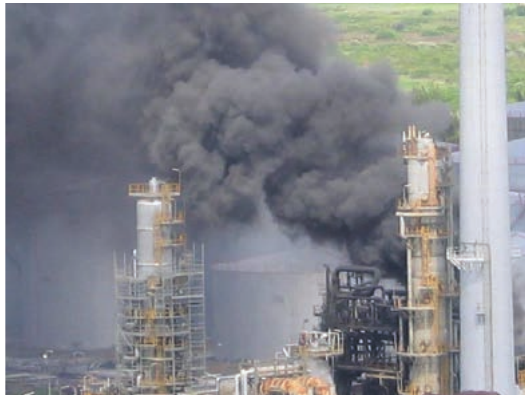
When countries develop economically, they typically experience growth in industry and technology. While this development brings important benefits like better living standards and economic opportunities, it also creates serious environmental challenges. There is substantial evidence showing that development activities can harm our planet in multiple ways.
Note
The relationship between development and environmental damage is complex. As societies become more industrialized, they tend to consume more resources and produce more waste, leading to various forms of environmental degradation.
The price of progress
Development creates six main types of environmental problems:
- Global warming - increased greenhouse gas emissions from industrial activities
- Deforestation - clearing forests for agriculture, mining, and urban expansion
- Soil erosion and desertification - land degradation from intensive farming and development
- Water and air pollution - contamination from industrial processes and urban growth
- Depletion of mineral reserves - overconsumption of natural resources
- Extinction of plant and animal species - habitat loss and environmental changes
The scale of these environmental impacts is truly staggering. Consider these alarming statistics that demonstrate how human development activities are affecting our planet:
Note
Environmental Impact Statistics
Here are some key facts that illustrate the magnitude of environmental damage:
- A single liter of motor oil can contaminate up to 7.5 million liters of water
- Between 1990 and 2010, carbon dioxide emissions increased by 45%
- Currently, 5% to 10% of tropical forest species become extinct every decade
- One billion birds and mammals die each year from discarded plastic waste
- By 2030, 50 countries will face chronic freshwater shortages
- Some 700 million cars produced 900 million tonnes of CO₂ in 2010, and there will be one billion cars on roads by 2025
- Half of all plants and animals on dry land could face extinction by 2015 due to global warming
- People living in industrialized countries probably have between 70 and 90 industrial chemicals and pollutants flowing through their bodies
- About 75% of the world's fish stock is either overexploited or recovering from exploitation
- In 2007, only 1% of China's city dwellers were breathing air considered safe by European standards
- Environmental scientists worry that unintentional cross-breeding of genetically engineered crops may cause "super weeds"
- If recycled paper was used for one day's worth of the New York Times Sunday Edition, approximately 75,000 trees could be saved
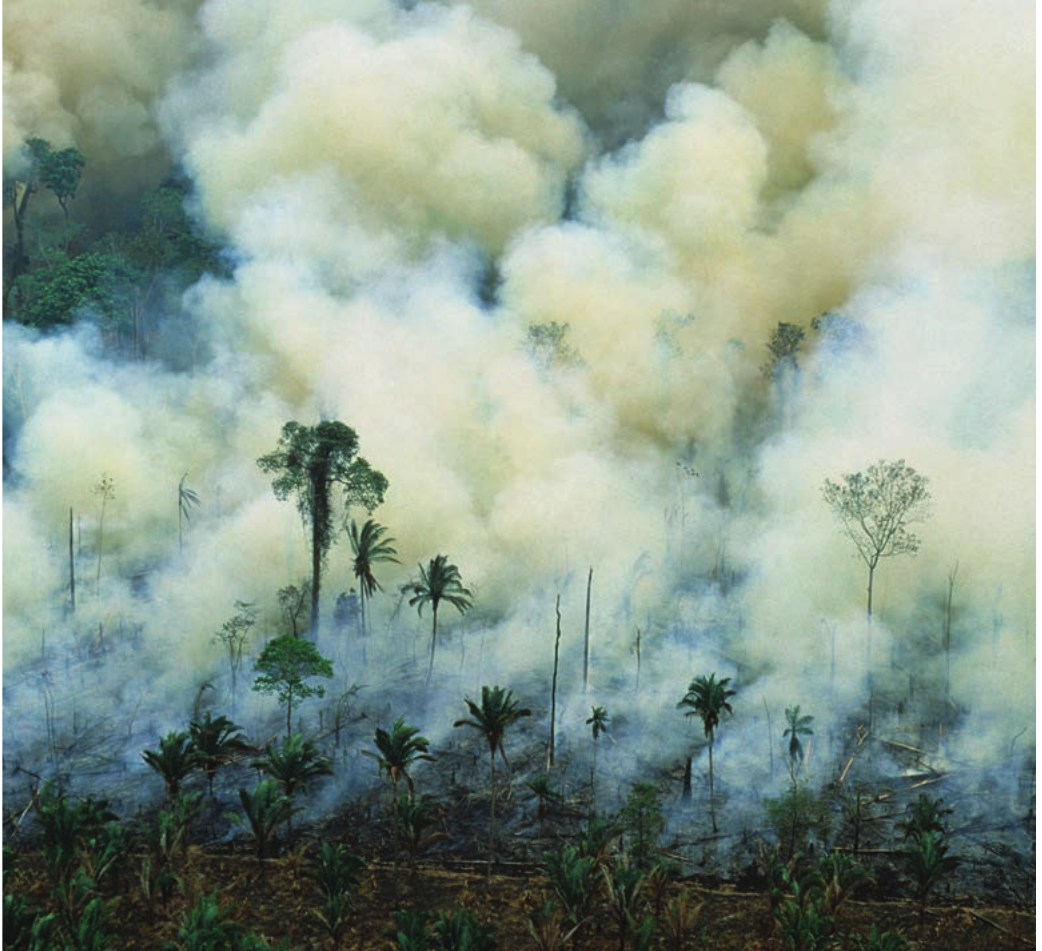
These statistics paint a concerning picture of how development pressures are pushing Earth's natural systems beyond their limits.
Overconsumption and biocapacity
As societies become more developed, they tend to consume increasingly large amounts of resources. This creates a fundamental challenge: we need to balance how quickly people use resources with Earth's ability to replace those resources naturally.
Biocapacity refers to Earth's biological capacity to produce resources and absorb the waste that humans generate. Think of it as the planet's natural ability to sustain life and human activities.
Ecological footprint measures how much biologically productive land and water area humanity needs to meet its resource demands.
Important
Currently, humanity's ecological footprint exceeds Earth's total biocapacity, meaning we are using resources faster than the planet can regenerate them.
Note
Understanding Ecological Creditors and Debtors
This situation creates what we can call "ecological creditors" and "ecological debtors."
- Ecological creditors - Countries with large forests, low population density, or abundant natural resources may have biocapacity that exceeds their consumption
- Ecological debtors - Densely populated or highly industrialized countries often consume more resources than their territory can provide and must rely on resources from other nations
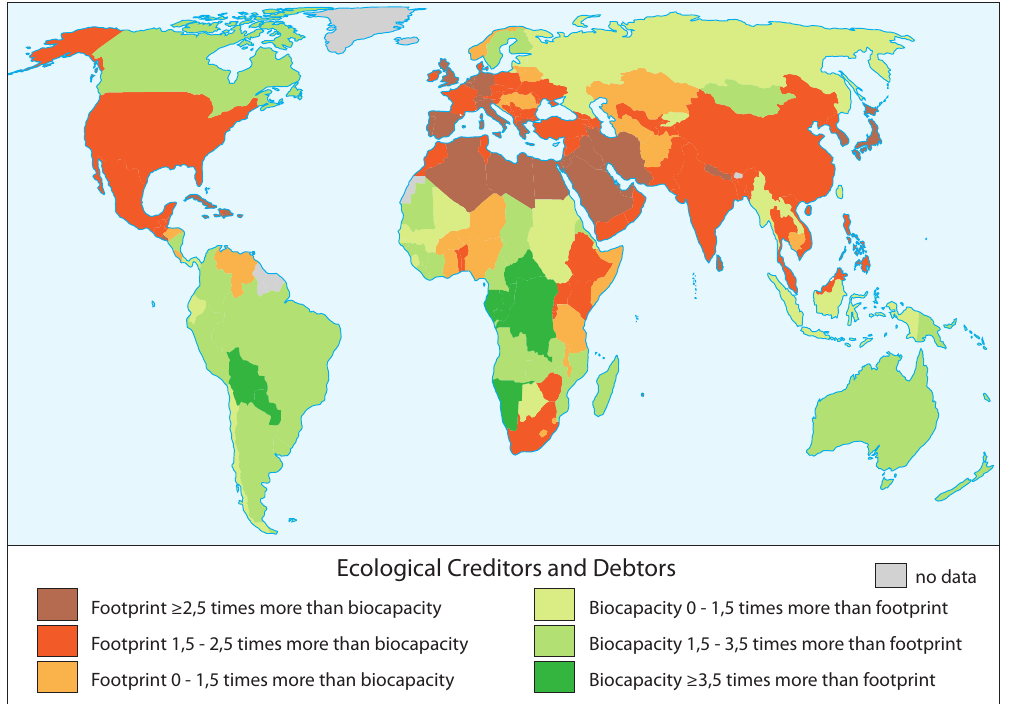
The world map showing ecological creditors and debtors reveals interesting patterns. Most developed nations including the United States, much of Europe, China, and India appear as ecological debtors, consuming more than their fair share of Earth's resources. Countries like Canada, Russia, parts of Africa, and some South American nations appear as ecological creditors with ecological surplus.
For example, Japan imports wood from Ecuador for paper production, Europe imports meat fed on Brazilian soy, the United States imports cotton from Peru, and China uses lumber from Tanzania. This demonstrates how resource consumption increases with development levels.
The challenge for newly industrializing countries is learning from the environmental mistakes of more developed countries and finding ways to use technology for "greener" industries and more sustainable development approaches.
Case study: Salmon versus gold
Example
Case Study: Bristol Bay - Environmental vs Economic Interests
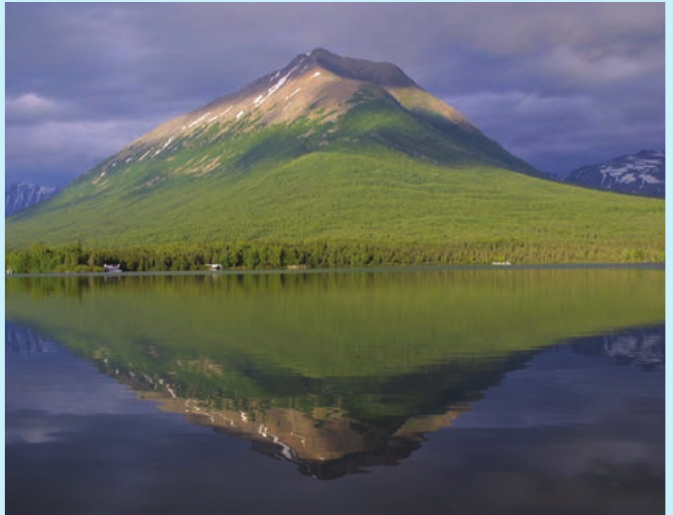
The Bristol Bay region in Alaska provides an excellent example of the tension between economic development and environmental protection.
The Environment:
- World's largest sockeye salmon run
- Nine major rivers and numerous ponds
- Diverse wildlife and 40,000 square mile watershed
- Home to indigenous Yupik people for thousands of years
The Mining Opportunity:
- World's largest gold deposit
- One of the largest copper deposits
- Proposed Pebble Mine operation
- Mineral reserves valued between $100 billion and $500 billion
Economic Benefits:
- 2,000 construction jobs
- 800 to 1,000 operational jobs
Environmental Risks:
- Acidic runoff disastrous for fish and organisms
- Biodiversity of entire watershed at risk
- Threat to indigenous communities' traditional lifestyle
Sustainable Alternative:
- Salmon fishery generates $120 million per year in sustainable income
Important
The Key Difference: Sustainability
Once geological resources are extracted and gone, they can never be replaced. The salmon fishery, if properly managed, can provide income indefinitely. This illustrates the difficult choices societies face when balancing immediate economic gains against long-term environmental sustainability.
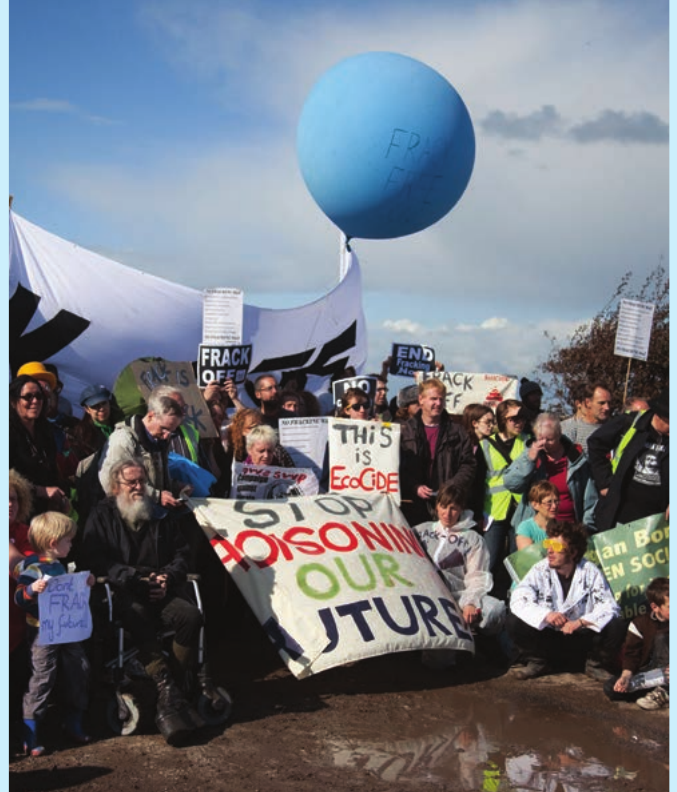
The proposed mining operation has faced local resistance from communities concerned about environmental impacts, demonstrating how development projects often create conflicts between different stakeholder groups with varying priorities.
Summary
Key Points to Remember:
- Development creates six major environmental problems: global warming, deforestation, soil erosion, pollution, resource depletion, and species extinction
- Biocapacity is Earth's ability to produce resources and absorb waste, while ecological footprint measures how much productive area humans need
- Most developed countries are "ecological debtors" - they use more resources than their territory can sustainably provide
- Resource consumption increases with development levels, creating challenges for newly industrializing countries
- Sustainable development requires balancing economic benefits with environmental protection, as shown in the Bristol Bay salmon versus gold case study