Impact of Mass Movements (Grade 11 NSC Matric Geography): Revision Notes
📚Revision Notes
Impact of Mass Movements
Mass movements can have devastating effects on both people and the environment. When large amounts of rock, soil, and debris move down slopes, they can cause serious damage to communities, infrastructure, and natural landscapes. Understanding these impacts helps us prepare for and respond to such disasters.
Note
Mass movements become particularly dangerous when they occur in populated areas, where the potential for human casualties and economic losses is highest. This is why understanding their impacts is crucial for disaster preparedness and risk management.
The Brazil mudslide disaster of 2011
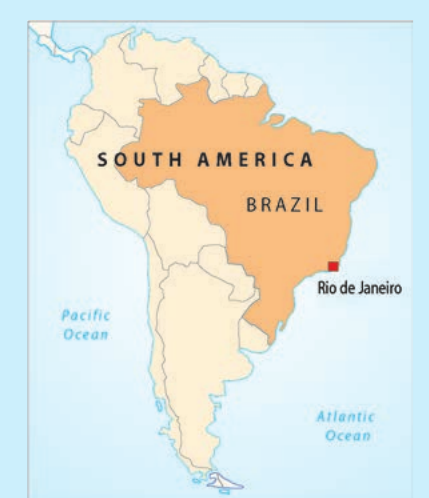
One of the most tragic examples of mass movement impacts occurred in Brazil during January 2011. The mountainous region north of Rio de Janeiro experienced severe mudslides that demonstrated just how destructive these natural events can be.
Example
Case Study: Brazil Mudslides, January 2011
Location: Teresopolis region, north of Rio de Janeiro, Brazil
Trigger: Heavy rainfall - 26 centimeters in just 24 hours
Human casualties: 464 people killed, with 210 deaths in Teresopolis alone
Timeline: The disaster unfolded rapidly, with walls of mud and water sweeping through communities within hours of the intense rainfall beginning.
Emergency response: 800 search and rescue workers were deployed to affected areas
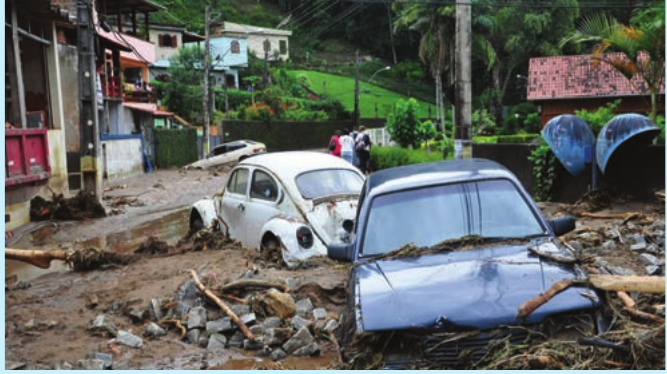
The mudslides completely transformed the landscape. Entire homes were swept away, roads and bridges were destroyed, and massive amounts of debris blocked emergency access routes. Cars and trucks were tossed around like toys, and rescue workers could only reach affected areas by digging through the mud with basic tools like shovels.
Important
Emergency response efforts faced significant challenges during the Brazil disaster. Phone services were disrupted, making it difficult for people to contact relatives or call for help. Many survivors found themselves trapped for days, highlighting the importance of having emergency communication plans and supplies prepared in advance.
The disaster affected neighboring areas as well. Heavy rainfall caused flooding and additional landslides in Minas Gerais state, where 16 people died. In São Paulo, flooding paralyzed major thoroughfares and killed 21 people in collapsed homes. This showed how mass movement events can have regional impacts that extend far beyond the initial disaster zone.
Types of impacts from mass movements
Mass movements create two main categories of impacts that affect communities in different ways. Understanding these different types of impacts helps emergency planners and communities prepare more effectively for potential disasters.
Social impacts
Social impacts refer to how mass movements affect people directly. These include immediate effects like deaths and injuries, as well as longer-term consequences such as displacement and psychological trauma. In the Brazil case study, families were separated, children were orphaned, and entire communities lost their social networks when neighborhoods were destroyed.
Note
The social disruption from mass movements extends far beyond immediate casualties. People lose their homes, schools are damaged or destroyed, and communities may be permanently relocated. This can break up established social relationships and support systems that people depend on for emotional and practical support.
Social impacts often include:
- Loss of life and serious injuries
- Displacement of families and communities
- Separation of family members
- Loss of schools and educational facilities
- Destruction of community gathering places
- Psychological trauma and stress
Economic impacts
Economic impacts involve the financial costs associated with mass movements. These costs occur in several ways and can continue for years after the initial disaster.
First, there are immediate emergency response expenses, including search and rescue operations, medical treatment for injured people, and temporary shelter for displaced families.
Note
Economic impacts from mass movements are often underestimated because they include both direct costs (immediate damage) and indirect costs (long-term effects on the economy). The indirect costs can sometimes exceed the direct costs, especially in major disasters.
Reconstruction costs represent another major economic burden. Rebuilding damaged homes, roads, bridges, and other infrastructure requires significant investment. The Brazil government, for example, had to allocate substantial resources to restore affected areas.
Business losses also contribute to economic impacts. When mass movements damage commercial areas or disrupt transportation routes, local businesses may be forced to close temporarily or permanently. This leads to lost income for business owners and unemployment for workers.
Additional economic effects include:
- Increased prices for essential goods when supply chains are disrupted
- Higher medical costs when people are injured
- Costs related to contaminated water supplies
- Loss of tax revenue from damaged properties
- Insurance claim payments
Examples of damage from different mass movements
Different types of mass movements create distinct patterns of damage, depending on their speed and the materials involved. Understanding these patterns helps communities assess their risks and prepare appropriate responses.
Important
The speed of mass movement is often the key factor determining the severity of impacts. Slow movements may cause ongoing damage over time, while fast movements can cause catastrophic destruction in minutes or seconds.
Slow-moving mass movements like soil creep and solifluction may seem less dangerous, but they still cause significant problems. These gradual movements make walls crack and break, damage underground water pipes, and cause telephone poles to lean at unusual angles. While not immediately life-threatening, the cumulative damage from these movements can be expensive to repair.
Slumping creates two main types of environmental damage. When slope material fails, it often forms circular depressions that can be several meters deep. Meanwhile, the material that has moved covers lower areas, which may include agricultural land or built-up zones with roads and buildings.
Fast-moving mass movements like mudflows and landslides cause the most severe damage. They can completely wash away hillsides, destroy everything in their path including homes and roads, and bury people and structures under meters of debris. The speed of these movements often prevents people from escaping, leading to casualties.
Important
Rockfalls pose particular dangers when large rocks tumble down slopes at high speeds. People caught in the path of falling rocks face serious injury or death. Even smaller rockfalls can damage vehicles and block transportation routes, making them especially hazardous in mountainous areas with roads.
Key vocabulary
Summary
Essential Terms for Mass Movement Impacts:
Economic impact - The financial implications and costs associated with a disaster, including emergency response expenses, reconstruction costs, and business losses.
Social impact - The effects that an event has on people and communities, including casualties, displacement, and disruption of social relationships.
Steepening of slopes - The process of making slopes steeper when they are cut into for building purposes, which can increase the risk of mass movements.
Remember!
Summary
Key Points to Remember:
- Mass movements have both social impacts (effects on people) and economic impacts (financial costs)
- The 2011 Brazil mudslides killed over 450 people and demonstrated how quickly these disasters can devastate communities
- Heavy rainfall is often the trigger for dangerous mass movements in mountainous areas
- Even slow mass movements like soil creep cause ongoing damage to infrastructure and property
- The greatest impacts occur in populated areas where more people and structures are at risk
- Emergency preparedness and early warning systems can help reduce casualties when mass movements occur