The Impact of Coal Mining and Thermal Power Stations (Grade 11 NSC Matric Geography): Revision Notes
📚Revision Notes
The Impact of Coal Mining and Thermal Power Stations
Coal mining and electricity generation using coal-fired thermal power stations have serious negative effects on our environment and human health. These activities create pollution, produce dangerous waste, and damage the natural world around us. Understanding these impacts is crucial for making informed decisions about energy choices and environmental protection.
What is environmental despoliation?
Environmental despoliation means damage to the environment. This damage happens in several ways when we mine coal and generate electricity from it. The main causes of environmental harm include air and water pollution, the creation of toxic waste materials, and the physical destruction of land through mining operations and construction activities.
Note
Environmental despoliation is a comprehensive term that encompasses all forms of environmental damage, from visible landscape destruction to invisible chemical contamination that can persist for decades.
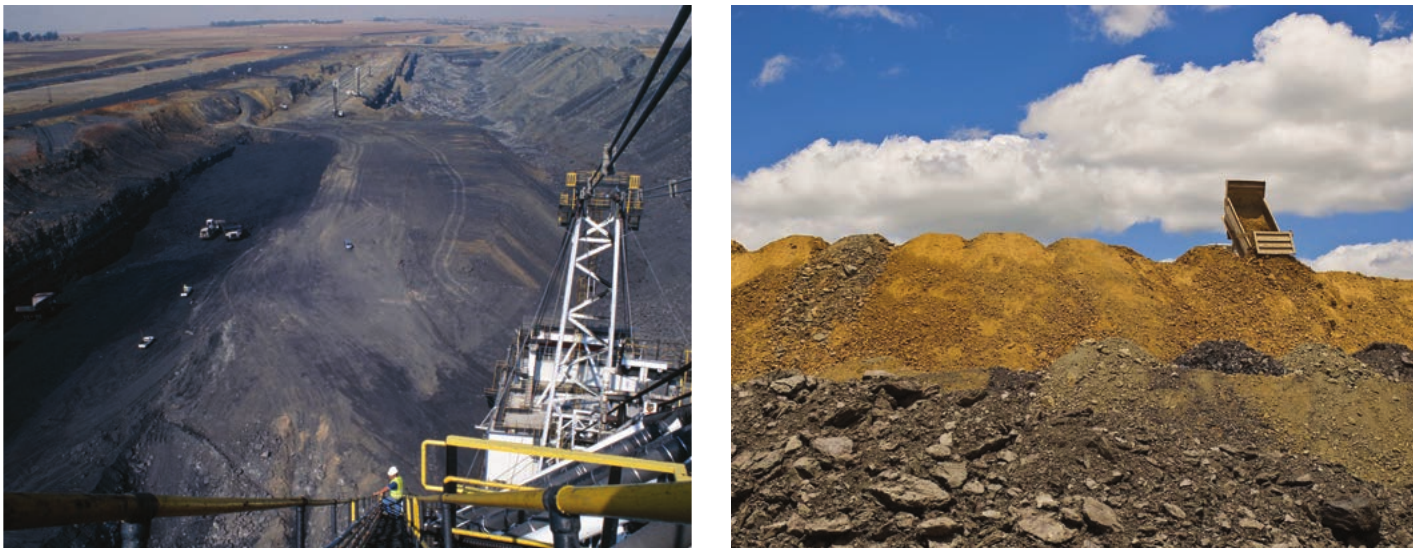
When coal companies use open-cast mining methods, they create huge unsightly scars across the landscape. These mining operations release fine dust particles into the air and water systems, while waste materials from coal processing are often dumped directly onto the land. Coal waste dumps produce foul-smelling and poisonous gases, and they can even catch fire spontaneously. The chemicals from these dumps can leak into underground water sources and rivers, causing serious pollution problems.
Solid waste from coal operations
Mine dumps and their problems
Mining operations produce enormous amounts of solid waste called mine dumps. These consist of a mixture of coal fragments and rock materials that cannot be used commercially. The problem is particularly serious in South Africa because most of our coal is low-grade, meaning it contains many impurities and produces more waste.
Waste from thermal power stations
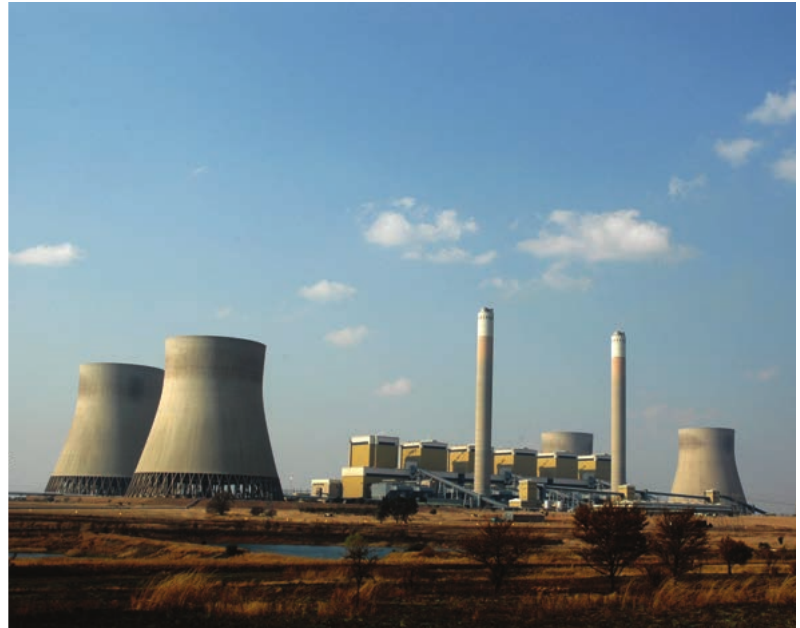
When low-grade coal burns at thermal power stations, it creates massive quantities of solid waste materials. A single 1000 MW power station can produce as much as 1000 tonnes of solid waste every single day. This waste includes several harmful components:
- Coarse ash and fine fly ash particles
- Boiler slag (melted and hardened residue)
- Sulfur compounds from the smokestacks
- Contaminated wastewater and sludge
Important
Getting rid of this solid waste creates serious challenges for power companies and communities. Even when waste dumps are lined with protective materials, toxic chemicals eventually leak into groundwater supplies, threatening local water sources.
Case study: Coal problems in Witbank and Sasolburg
Example
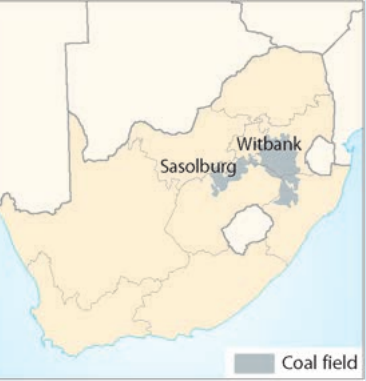
Case Study: Environmental Impact in Witbank and Sasolburg
The Witbank and Sasolburg coal mining areas provide a clear example of environmental problems caused by coal operations. In these regions, coal dumps experience spontaneous combustion, which means they catch fire by themselves due to chemical reactions. When this happens, dangerous gases including benzene, methane, and carbon monoxide are released into the atmosphere.
The environmental damage extends beyond air pollution. Heavy metals such as mercury, arsenic, lead, zinc, and copper have been found in local soil and water. Sulfur compounds dissolve in surface water and flow through streams and rivers, potentially contaminating water supplies used by local communities.
These pollutants are known to cause serious health problems including lung diseases, skin conditions, and even cancer.
Waste gases and climate change
Carbon dioxide emissions
Coal contains carbon, and when it burns, it produces carbon dioxide gas along with sulfur dioxide. These gases have serious environmental consequences. Carbon dioxide is one of the main greenhouse gases responsible for global warming and climate change.
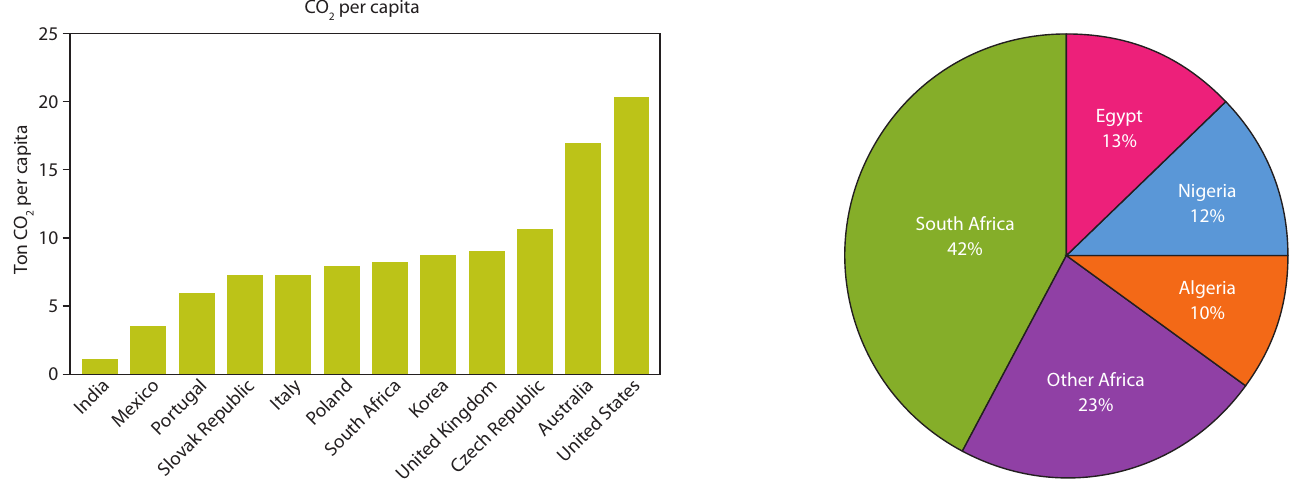
South Africa ranks as the eleventh-highest producer of carbon dioxide emissions globally. Our country is also planning to build additional coal-fired power stations, including Medupi and Kusile, each capable of generating 4800 MW of electricity. These new facilities will add over 100 million tonnes of carbon dioxide to the atmosphere every year, making South Africa's contribution to global warming even more significant.
Note
The data shows that South Africa produces about 42% of all carbon emissions from African countries, making us a major contributor to continental pollution levels.
Acid rain formation and effects
Sulfur dioxide gas is the primary ingredient that creates acid rain. Acid rain is also called acid deposition because this term includes other forms of acidic precipitation like hail, dew, and snow. Any form of precipitation that removes acids from the atmosphere and deposits them on Earth's surface counts as acid deposition.
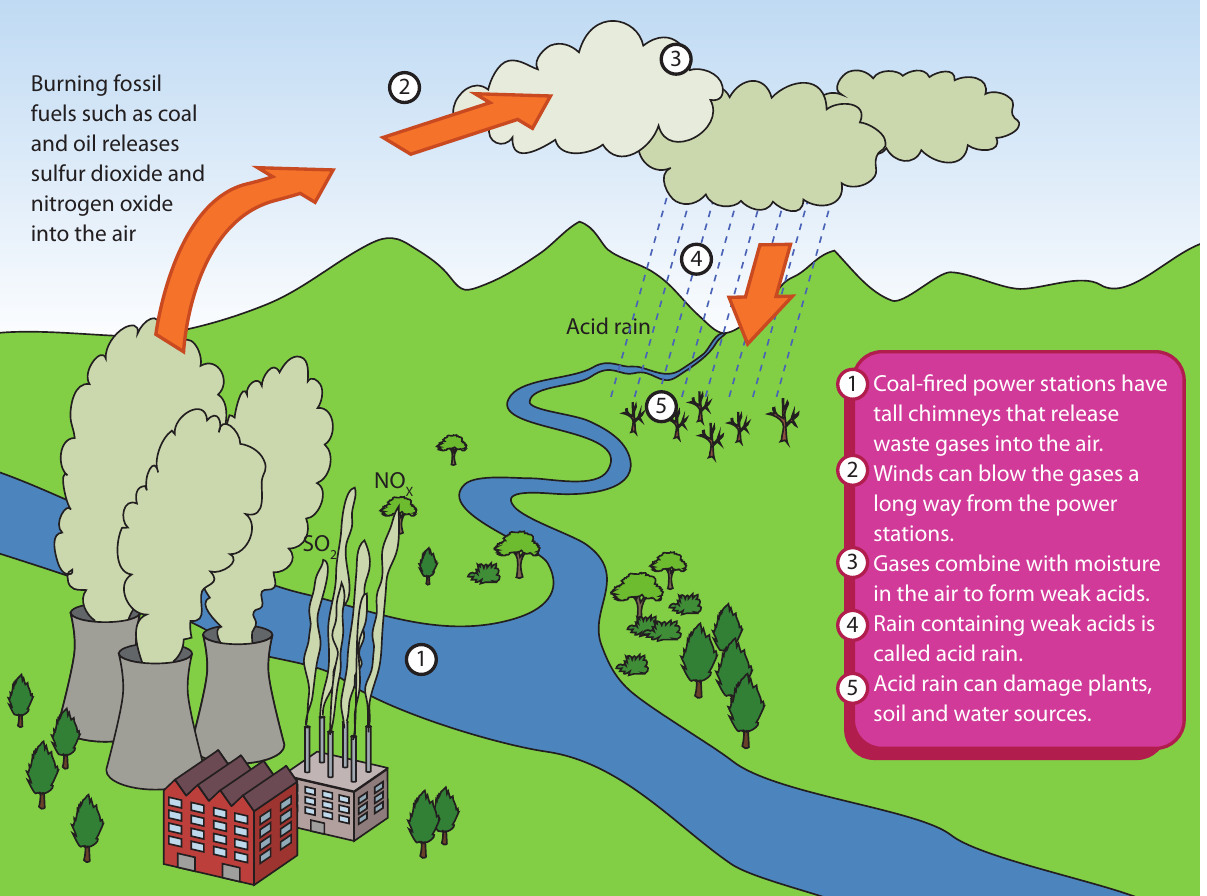
How acid rain forms
The process begins when coal-fired power stations release sulfur dioxide and nitrogen oxides through their tall chimneys. Wind currents can carry these gases over long distances from the original source. High in the atmosphere, these gases combine with moisture to form weak acids. When this contaminated moisture falls as precipitation, it becomes acid rain that can damage plants, soil, and water sources far from where the original pollution was created.
Environmental damage from acid rain
We measure acidity using the pH scale, which ranges from 0 to 14. Numbers below 7 indicate acidic conditions, while numbers above 7 show alkaline conditions. Normal rainwater has a pH between 5.3 and 6.0, making it slightly acidic naturally.
Acid rain causes extensive environmental damage through several mechanisms:
- Forest damage: Trees lose their leaves, suffer bark damage, and experience stunted growth when exposed to acid rain
- Agricultural impact: Crops become weakened and more vulnerable to diseases, reducing their ability to photosynthesize effectively
- Soil degradation: Acid rain upsets the natural balance of nutrients in soil and kills beneficial microorganisms
- Water contamination: When acid rain flows into dams and rivers, it can lower pH levels enough to kill aquatic plants and animals
- Building deterioration: Acid rain gradually dissolves materials in buildings and outdoor statues
Important
Long-distance pollution means environmental damage from coal operations can affect areas far from the original mining or power generation sites, making this a regional and even international environmental concern.
Summary
Key Points to Remember:
- Environmental despoliation from coal mining includes air and water pollution, toxic waste production, and physical landscape destruction
- Solid waste from mining and power generation creates massive disposal challenges, with a single large power station producing 1000 tonnes of waste daily
- Carbon dioxide emissions from South African coal operations make our country the 11th largest global contributor to greenhouse gases
- Acid rain formation occurs when sulfur dioxide from coal burning combines with atmospheric moisture and falls as acidic precipitation
- Long-distance pollution means environmental damage from coal operations can affect areas far from the original mining or power generation sites