Diseases Caused by Micro-Organisms (Grade 11 NSC Matric Life Sciences): Revision Notes
📚Revision Notes
Diseases Caused by Micro-Organisms
Introduction to disease-causing organisms
Micro-organisms that cause diseases in living things are called pathogens. These tiny organisms can seriously harm humans, animals, and plants. Understanding how diseases spread and affect living organisms helps us learn to prevent and manage them effectively.
As a Life Sciences student, you need to understand how different types of micro-organisms cause disease and how we can protect ourselves and other living things from these harmful effects.
Note
Understanding disease-causing organisms is fundamental to Life Sciences because it helps explain how health problems develop and how we can protect living organisms from harm. This knowledge forms the basis for medical treatment, agricultural practices, and public health policies.
Essential terminology for understanding diseases
Before studying specific diseases, it's important to understand key terms that describe how diseases work and spread. These definitions are essential for understanding how pathogens interact with their environment and hosts.
Important
Critical Terminology - Learn These Definitions:
-
Pathogen: Any harmful micro-organism that causes disease in living things. Examples include viruses, bacteria, fungi, and some protists.
-
Vector: An organism that carries and spreads pathogens from one host to another without being affected by the disease itself. Mosquitoes and ticks are common vectors.
-
Host: The living organism that a pathogen infects and lives in. The host provides everything the pathogen needs to survive and reproduce.
-
Epidemic: When a disease spreads rapidly and affects many more people in an area than would normally be expected.
-
Pandemic: An epidemic that has spread across multiple countries or continents, affecting very large numbers of people worldwide.
Diseases caused by viruses
Viruses are among the smallest pathogens and can only reproduce inside living cells. They cause many serious diseases that affect both humans and animals.
Rabies
Rabies is a deadly viral disease that affects the nervous system of mammals, including humans. The virus spreads through the saliva of infected animals, particularly dogs, jackals, and mongooses.

How rabies spreads: The rabies virus passes from one animal to another through saliva, usually when an infected animal bites a healthy one. Humans typically become infected when bitten by a rabid animal.
Symptoms and progression: After being bitten by an infected animal, there is an incubation period of up to 60 days when the victim shows no symptoms. This silent period makes rabies particularly dangerous because people may not realise they need treatment.
The first symptoms include:
- Severe headaches and fever
- Sore throat
- Nausea and vomiting
- Extreme tiredness
These early symptoms develop into a more serious phase where the victim experiences:
- Violent seizures and convulsions
- Excessive salivation
- Fear of water (hydrophobia)
- Difficulty swallowing and breathing
Important
Critical Fact About Rabies: Once symptoms appear, there is no cure and the patient will die within 10 days from heart failure or breathing difficulties. This is why immediate treatment after being bitten is essential.
Managing and preventing rabies: Prevention is the only effective way to deal with rabies:
- Vaccinating dogs and livestock in areas where rabies occurs
- Immunising people in high-risk jobs like veterinarians
- Immunising travellers visiting areas where rabies is common
- Training health workers and veterinarians to recognise symptoms
- Destroying infected animals safely
Treatment advice:
- Avoid contact with animals that seem unusually tame or aggressive
- Seek immediate medical attention if bitten by any animal showing suspicious behaviour
- Clean wounds thoroughly and get medical treatment as soon as possible
HIV and AIDS
Acquired Immune Deficiency Syndrome (AIDS) is caused by the Human Immunodeficiency Virus (HIV). This virus specifically targets and destroys the immune system cells called CD4 cells, leaving the body unable to fight off other infections.
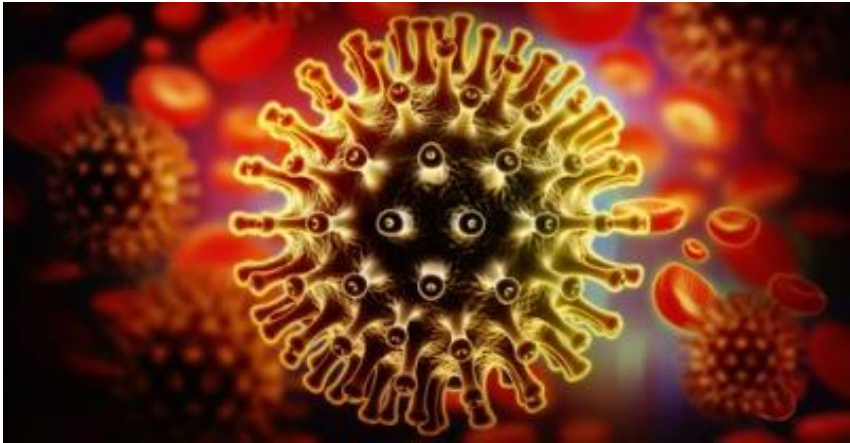
How HIV spreads: HIV spreads through the transfer of body fluids containing the virus from an infected person to a healthy person. The main ways this happens are:
- Sexual contact with an infected person
- Blood transfusions using untested blood
- Sharing contaminated needles (especially among drug users)
- From an infected mother to her unborn baby
Note
Important: HIV Cannot Spread Through:
- Breathing the same air as an infected person
- Shaking hands or casual contact
- Sharing food or drinks
Effects on individuals: HIV infection progresses through several stages. The first stage may last for years with no obvious symptoms, making it easy to unknowingly spread the virus.
Early symptoms include flu-like signs such as:
- Headaches and fever
- Tiredness
- Swollen lymph glands in armpits, throat, or groyne
As the immune system weakens, more serious symptoms develop:
- Repeated infections like colds and sore throats
- Long-lasting fevers and night sweats
- Chronic diarrhoea
- Dramatic weight loss
The weakened immune system allows secondary infections to take hold, including:
- Respiratory infections and pneumonia
- Epilepsy and dementia
- Skin cancers and lymph cancer
- Tuberculosis
In the final stage, known as AIDS, death typically occurs due to these secondary infections.
Effects on families: HIV/AIDS devastates families in multiple ways:
- Loss of income when the breadwinner becomes too ill to work, leading to poverty
- Transmission of the virus to unborn children during pregnancy
- Children becoming orphans when both parents die from the disease
- Separation of siblings when parents die and extended family cannot care for all children
Effects on the economy: HIV/AIDS has serious economic consequences:
- Reduction in the workforce, especially affecting young working people
- High impact on industries like mining where the disease is more common
- Enormous costs for medical treatment and care
- Loss of skilled workers and knowledge
Managing HIV/AIDS: Effective management requires multiple approaches:
- Testing people at high risk (healthcare workers, sex workers, drug users)
- Counselling and treating infected people with antiviral medications
- Strengthening the immune system of infected people
- Treating secondary infections promptly
- Education about prevention, including safe sex practices and using protection like condoms
Influenza (flu)
Influenza, commonly called "flu," is caused by influenza viruses that spread easily through the air when infected people cough or sneeze. The virus can also spread through contact with contaminated surfaces or bird droppings.
Symptoms of influenza:
- Sore throat
- Muscle pain and aches
- Headaches
- Persistent coughing
Most people recover from flu within a few days, but some strains of the virus can be deadly, particularly for elderly people or those with weakened immune systems.
Managing and preventing influenza:
- Viruses do not respond to antibiotics, so flu is best managed with vaccines
- New flu vaccines must be developed each year because flu viruses mutate rapidly and create new strains
- Prevention includes regular hand washing
- Infected people should cover their mouths when coughing or sneezing to prevent spreading the virus
Summary
Key Points to Remember:
-
Pathogens are disease-causing micro-organisms that include viruses and bacteria, each requiring different treatment approaches.
-
Prevention is better than cure - most viral diseases like rabies and HIV have no cure once symptoms develop, making prevention crucial.
-
Viruses cannot be treated with antibiotics - they require vaccines, antiviral drugs, or supportive care, while bacterial diseases often respond to antibiotics.
-
Disease management requires multiple strategies - including vaccination, education, testing, treatment, and proper hygiene practices.
-
Understanding transmission methods helps prevent the spread of diseases - knowing how pathogens spread allows us to break the chain of infection effectively.