The Role of Micro-Organisms and Symbiotic Relationships (Grade 11 NSC Matric Life Sciences): Revision Notes
📚Revision Notes
The Role of Micro-Organisms and Symbiotic Relationships
The role micro-organisms play in maintaining environmental balance
Micro-organisms are essential players in keeping our natural world functioning properly. These tiny living things, which include bacteria, fungi, algae, and other microscopic life forms, work behind the scenes to recycle nutrients and maintain the delicate balance that all life depends on.
Note
Micro-organisms are so small they can only be seen with a microscope, yet they perform some of the most important jobs in maintaining life on Earth. Without them, ecosystems would quickly break down as nutrients became locked up in dead material.
Micro-organisms as producers in food chains
Many micro-organisms act as primary producers in ecosystems, forming the foundation of food webs. Autotrophic bacteria, phytoplankton, and algae can manufacture their own food through photosynthesis. During this process, they create carbohydrates that become available to other organisms higher up in the food chain. As an added bonus, these micro-organisms release oxygen as a waste product of photosynthesis, which other organisms use for respiration.
The role of micro-organisms as decomposers
One of the most important jobs that micro-organisms perform is breaking down dead material and recycling nutrients back into the environment. This process prevents dead organic matter from piling up and ensures that essential nutrients remain available for living organisms.
Decomposers are organisms that break down dead plant and animal organic material. The main decomposers in nature are bacteria and fungi. These micro-organisms secrete enzymes that can break down complex organic compounds found in dead tissue, gradually returning vital nutrients like nitrogen, phosphorus, and carbon back to the soil where they can be absorbed by plants.
Saprophytes are a specific type of decomposer that live directly on dead organic matter. Rather than hunting for food, these organisms have adapted to extract nutrients from decaying material. Many fungi are saprophytes, which is why you might see mushrooms growing on rotting logs or dead leaves.

Note
The image above demonstrates how micro-organisms like moulds progressively colonise and break down organic material over time, illustrating the decomposition process in action.
The role of bacteria in the nitrogen cycle
Bacteria play a particularly important role in the nitrogen cycle, which is essential for all life on Earth. Nitrogen is a key component of proteins and nucleic acids, but most organisms cannot use nitrogen directly from the atmosphere.
Important
Without bacterial activity in the nitrogen cycle, plants would be unable to access nitrogen for protein synthesis, and entire ecosystems would collapse. This makes nitrogen-fixing bacteria absolutely critical for life on Earth.
Here's how bacteria help solve this problem:
- Free-living bacteria can convert atmospheric nitrogen gas into ammonia and nitrates that plants can actually use
- Higher plants can only absorb nitrogen when it's in the form of nitrates, so they completely depend on bacteria for this conversion
- Nitrogen-fixing bacteria form special partnerships with certain plants (particularly legumes like beans and peas)
- Denitrifying bacteria complete the cycle by returning nitrogen to the atmosphere when plants and animals die
This bacterial activity ensures that nitrogen continuously cycles through ecosystems, making it available to all living things that need it to build proteins and other essential molecules.
Symbiotic relationships
Symbiosis refers to the close living arrangement between two or more different species of organisms. These relationships can take various forms, and the outcomes can be quite different for each partner involved.
There are three main types of symbiotic relationships:
Mutualism
In mutualism, both organisms involved in the relationship benefit from the partnership. This creates a win-win situation where each partner provides something valuable to the other. Both species are better off together than they would be on their own.
Commensalism
Commensalism occurs when one organism benefits from the relationship while the other partner is neither helped nor harmed. The benefiting organism gets what it needs without affecting its partner in any meaningful way.
Parasitism
In parasitism, one organism (the parasite) benefits at the expense of the other organism (the host). The parasite gains nutrition or shelter while causing harm to its host. This is the only symbiotic relationship where one partner is deliberately harmed.
Note
Understanding these three types of symbiotic relationships helps explain many interactions we observe in nature, from the beneficial bacteria in our gut to the harmful effects of disease-causing parasites.
Specific examples of symbiotic relationships
Lichens - a partnership for survival
Lichens provide an excellent example of mutualistic symbiosis in action. These fascinating composite organisms are actually made up of fungi growing together with algae or cyanobacteria.

Example
Worked Example: How Lichen Partnership Works
The partnership works brilliantly for both partners involved:
- Algae need a moist environment to survive and cannot live on dry land by themselves
- Fungi cannot produce their own food through photosynthesis
- Together, the fungus provides the algae with protection from harsh environmental conditions while the algae produce food through photosynthesis that nourishes both partners
This mutualistic relationship allows lichens to colonise environments that neither partner could survive in alone, such as bare rock surfaces. Lichens are often among the first organisms to establish themselves in new habitats, helping to break down rock and create soil for other organisms.
Nitrogen-fixing bacteria and plants
Many plants, particularly leguminous crops like beans, peas, and peanuts, have developed a special mutualistic relationship with nitrogen-fixing bacteria. This partnership is crucial for both the plants and the broader ecosystem.
Here's how this relationship works:
- Higher plants require nitrogen to manufacture proteins for growth and development
- Plants cannot use nitrogen directly from the atmosphere, even though the air is about 78% nitrogen gas
- Plants require nitrogen in the form of nitrates that they can absorb through their roots
- Some soil bacteria have evolved the ability to convert atmospheric nitrogen into nitrates that plants can use
Example
Worked Example: Root Nodule Partnership
The bacteria live in special structures called nodules that form on the roots of leguminous plants. In this cosy arrangement:
- The bacteria produce nitrates for the plant
- The plant provides the bacteria with carbohydrates and water
- The plant gives the bacteria a safe place to live
- Both organisms benefit significantly from this partnership
E. coli and the human intestine
Not all bacteria found in our bodies are harmful - in fact, many are beneficial! A perfect example is the relationship between Escherichia coli (E. coli) bacteria and humans.
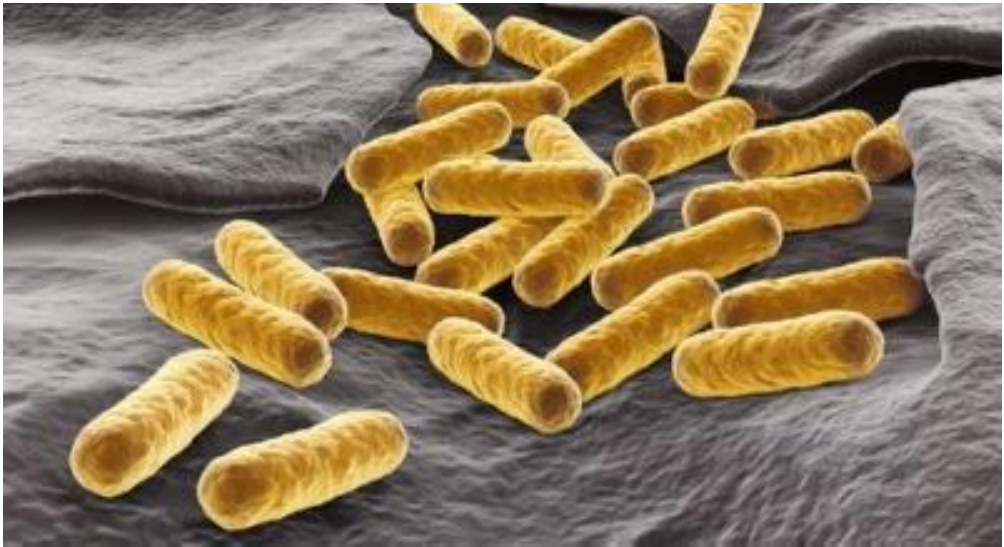
This mutualistic relationship works as follows:
- Beneficial E. coli bacteria live naturally in the human digestive system
- These bacteria feed on undigested food remains in our intestines
- In return, the bacteria produce vitamin K, which is essential for proper blood clotting in humans
- Both partners benefit - the bacteria get food and shelter, while humans get an essential vitamin
Note
This same type of mutualistic relationship occurs in the digestive systems of ruminants (cud-chewing animals like cattle and sheep) and termites, where bacteria help break down cellulose from plant material into simpler sugars that the host animal can digest.
Mycorrhizal fungi and plant roots
Mycorrhizas represent another important mutualistic relationship that greatly benefits both plant and fungal partners. These relationships are found throughout the plant kingdom and are essential for healthy ecosystems.

Mycorrhiza refers to the symbiotic association between fungi and the roots of trees and other plants. The partnership provides clear advantages to both organisms:
- Filamentous fungi penetrate and become closely associated with plant root systems
- The fungi increase the surface area available for absorption, helping plants absorb water and minerals more efficiently
- The plant provides the fungus with sugars produced through photosynthesis
- Both partners benefit from improved nutrition and growth
Important
The image above clearly demonstrates the dramatic difference mycorrhizal relationships can make to plant health and growth. Plants with mycorrhizal partners typically show much better development than those without these beneficial fungi.
Summary
Key Points to Remember:
- Micro-organisms are essential for maintaining environmental balance through nutrient recycling and energy flow in ecosystems
- Decomposers like bacteria and fungi break down dead organic matter and return nutrients to the soil for reuse
- Bacterial activity in the nitrogen cycle converts atmospheric nitrogen into forms that plants can absorb and use
- Symbiotic relationships come in three types: mutualism (both benefit), commensalism (one benefits, other unaffected), and parasitism (one benefits, other harmed)
- Successful symbiotic partnerships like lichens, nitrogen-fixing bacteria, beneficial gut bacteria, and mycorrhizal fungi demonstrate how different organisms can work together for mutual benefit