Loss of Biodiversity (Grade 11 NSC Matric Life Sciences): Revision Notes
📚Revision Notes
Loss of Biodiversity
Introduction
Biodiversity describes the incredible variety of all living things found on our planet Earth. When we talk about the loss of biodiversity, we're referring to the most serious and damaging impact that humans are having on our natural environment.
Understanding why biodiversity matters is crucial for protecting our planet's future. Healthy ecosystems with rich biodiversity provide us with essential services that we often take for granted.
Note
Ecosystem services are the benefits that natural systems provide to humans, from clean water and air to climate regulation and pollination. These services are often invisible to us in our daily lives, but they're worth trillions of dollars globally and are essential for human survival.
Why biodiversity is essential for life on earth
Biodiversity plays a vital role in maintaining the natural systems that support all life. Here's why we need to protect it:
- Clean air and water: Diverse ecosystems help philtre pollutants and maintain water quality
- Climate regulation: Different species work together to keep our climate stable
- Healthy soils: Various organisms create and maintain fertile soil for growing food
- Pollination services: Many plants rely on animals to reproduce and spread their seeds
- Food and fuel resources: Nature provides us with countless materials we depend on daily
- Natural pest management: Predators help control harmful insects without chemicals
- Medicine and healthcare: Many of our medicines come from plants and microorganisms
- Recreation and tourism: Natural areas provide spaces for enjoyment and economic benefits
Key terminology
Understanding these important terms will help you master this topic:
| Term | Definition |
|---|---|
| Extinction | When a species has completely died out and no longer exists |
| Maintain | To provide for or enable life to keep stable and continuing |
| Diversity | A wide range of different things |
| Biodiversity | The variety of all living organisms on Earth |
| Biome | Large community of plants and animals living in a region with specific climate conditions |
| Predators | Organisms that hunt and feed on other organisms (called prey) |
| Habitat | The place where organisms live, including all living and non-living environmental factors |
| Urbanisation | The increasing development and growth of towns and cities |
| Migration | Long-distance movement of organisms, often happening seasonally |
| Sustainable | Managing resources in a way that doesn't use them up completely |
| Invasion | When organisms rapidly spread and take over an area |
Major factors that reduce biodiversity
Several human activities are causing serious damage to biodiversity around the world. These factors often work together, making the problem even worse for wildlife and ecosystems.
Important
The Triple Threat to Biodiversity
The three main human-caused factors destroying biodiversity are:
- Habitat destruction (the biggest single threat)
- Poaching and overexploitation
- Alien species invasions
These factors often compound each other - for example, habitat destruction makes ecosystems more vulnerable to alien invasions.
Habitat destruction
Habitat destruction happens when natural environments are damaged or completely removed. This is the biggest single threat to biodiversity globally. Let's examine the main causes:
Farming methods and overgrazing
Poor farming practices can seriously damage ecosystems. When farmers keep too many animals in one area for too long, several problems occur:
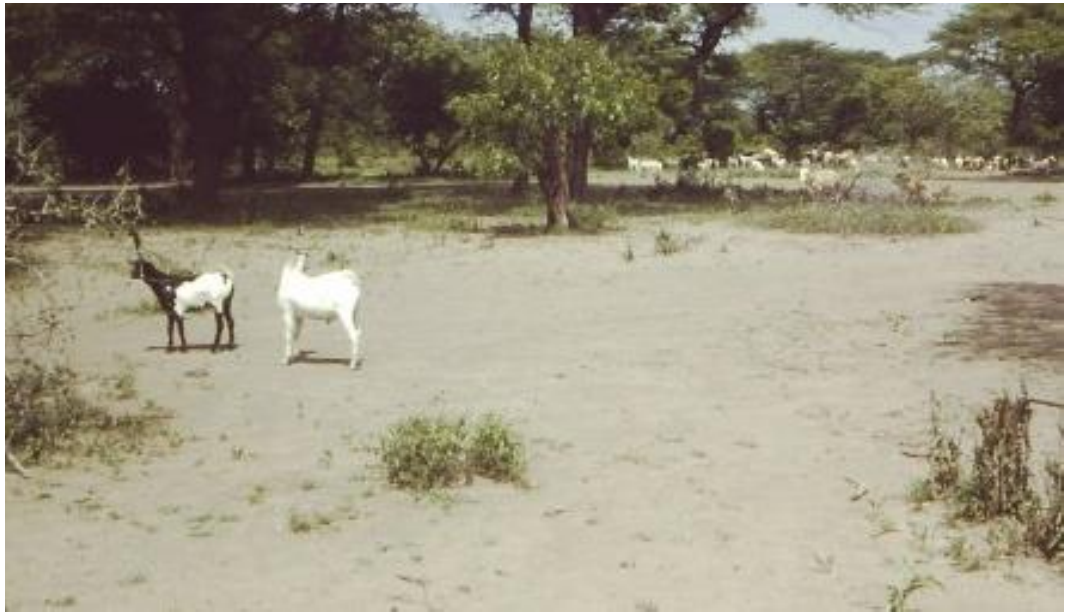
- Soil becomes polluted from excessive animal waste and urine
- Soil erosion strips away the fertile top layer
- Native plants disappear, allowing alien species to move in
- The variety of plant life decreases, leading to land becoming desert-like
- Overall ecosystem health declines dramatically
Note
Understanding Monoculture
Monoculture farming means growing the same single crop over large areas year after year. While this can be efficient for farmers, it creates serious environmental problems by reducing biodiversity both above and below ground.
Monoculture farming creates additional problems. When farmers grow the same single crop year after year:
- Indigenous plant species are lost from the area
- Specific insect pests multiply rapidly because they have unlimited food
- Heavy use of pesticides and fertilisers pollutes the environment
- Nearby water sources become contaminated and nutrient-rich (eutrophication)
Golf estate developments
Luxury golf developments are becoming increasingly common in South Africa, but they cause significant environmental damage:
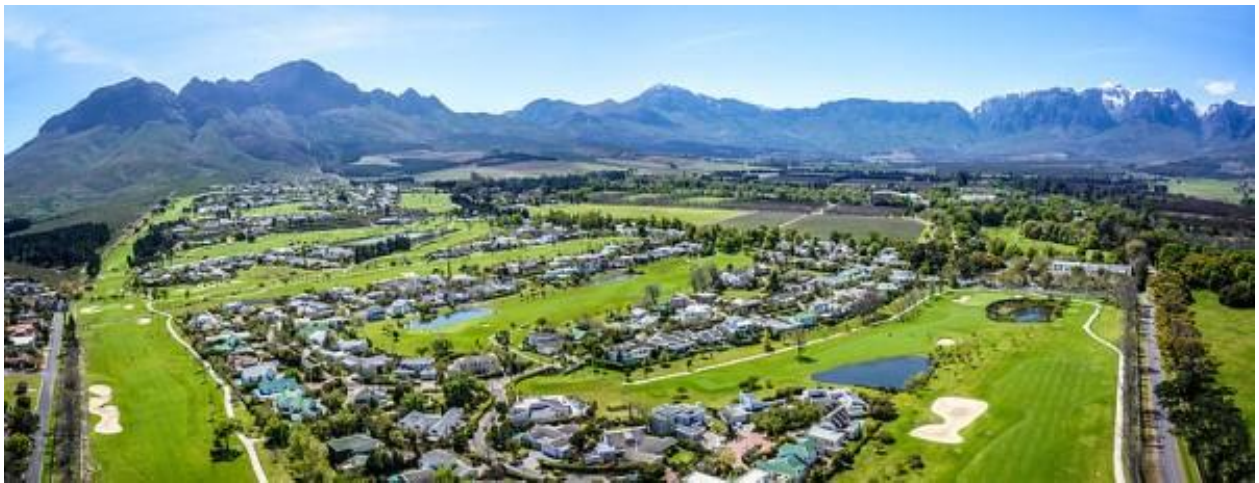
Golf estates are often built in areas that naturally have high biodiversity. The construction process involves:
- Building high-density housing that removes indigenous plants and trees
- Clearing land affects dependent animal and bird populations
- Creating the same pollution problems as urban developments
- Installing private gardens that encourage alien invasive species
- Maintaining golf courses requires massive amounts of water, pesticides, and fertilisers
Mining operations
Both surface mining and underground mining cause severe habitat destruction:
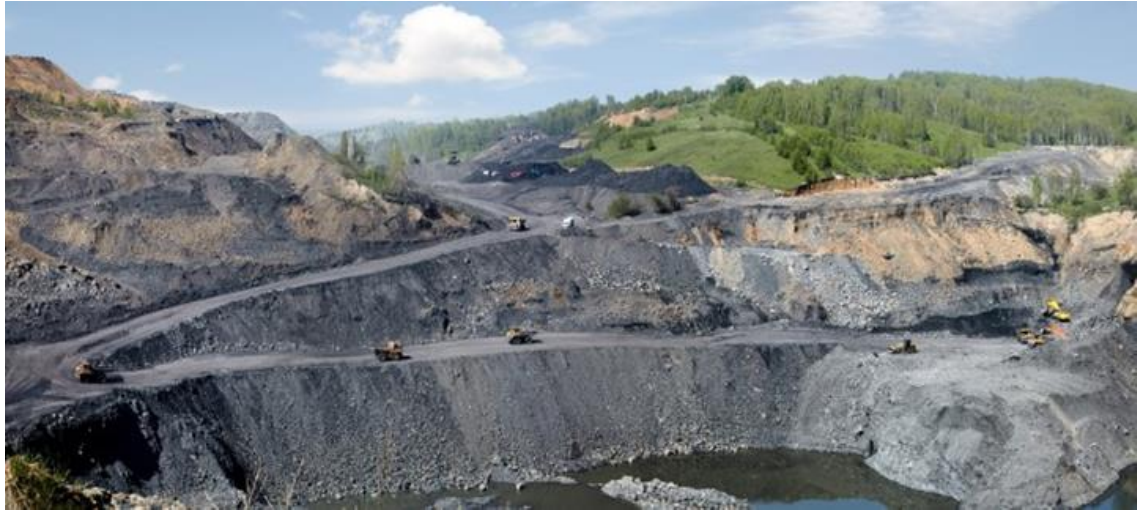
Surface mining (also called open-cast mining) has particularly devastating effects:
- Takes up enormous amounts of land space
- Generates significant noise and dust pollution
- Destroys plant and animal habitats when vegetation and topsoil are removed
- Produces dangerous waste including gas emissions, solid waste, and liquid pollution
- Results in acid mine drainage that poisons underground water and river systems
- Heavy mining trucks compact soil and destroy remaining vegetation
- Exposes topsoil to erosion and further land degradation
Important
Acid Mine Drainage: A Long-term Threat
Acid mine drainage occurs when water comes into contact with exposed rocks containing sulphur compounds. This creates highly acidic water that can poison ecosystems for decades or even centuries after mining has stopped.
Urbanisation and city growth
As human populations grow, cities expand rapidly, requiring more land for development.

This urban sprawl negatively affects biodiversity by:
- Increasing all types of pollution (air, land, water, noise, and light pollution)
- Creating physical barriers that prevent animal migration and breeding
- Causing rainwater runoff that leads to flooding problems
- Allowing poisons to build up in the environment (bioaccumulation)
- Encouraging the growth of alien plant species
The expansion of informal settlements and high-density housing permanently changes the landscape, requiring large open areas to be redeveloped for biodiversity to recover.
Deforestation
Deforestation means the large-scale removal of indigenous trees and forests. Although forests cover less than 1% of South Africa's total land area, they account for a significant portion of our biodiversity.
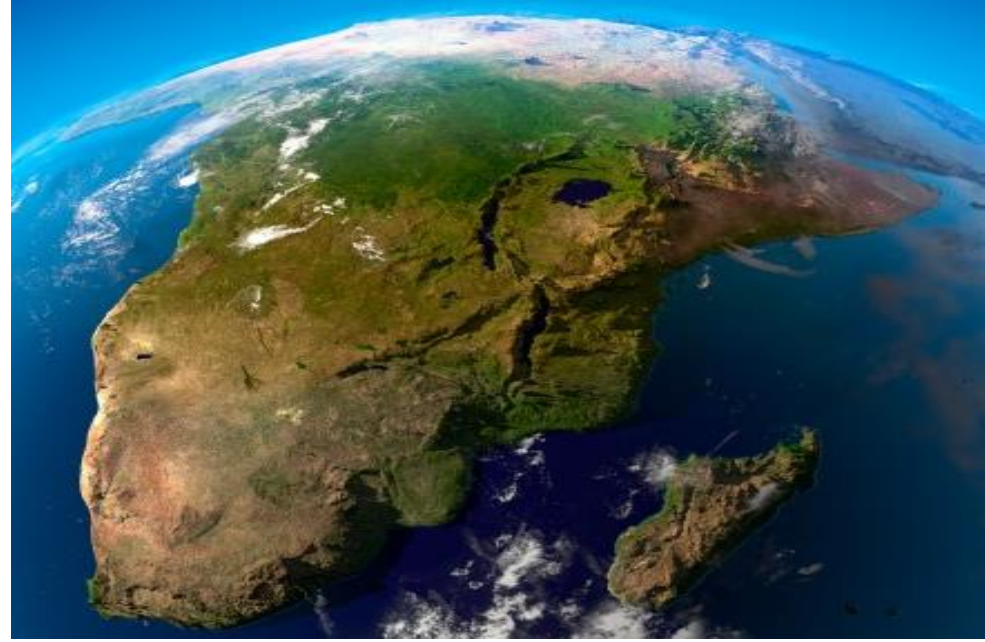
When woodlands and forested areas are destroyed for timber, agriculture, fuel, and other human activities, it leads to:
- Destruction of habitats for insects (especially important pollinators like bees) and amphibians such as frogs
- Loss of larger dependent species that rely on these smaller animals
- Disappearance of many medicinal and food plant species
- Reduced ecosystem services that forests provide
Loss of wetlands and grasslands
Wetlands are among the most biodiverse habitats on Earth, supporting rich communities of plants and animals:
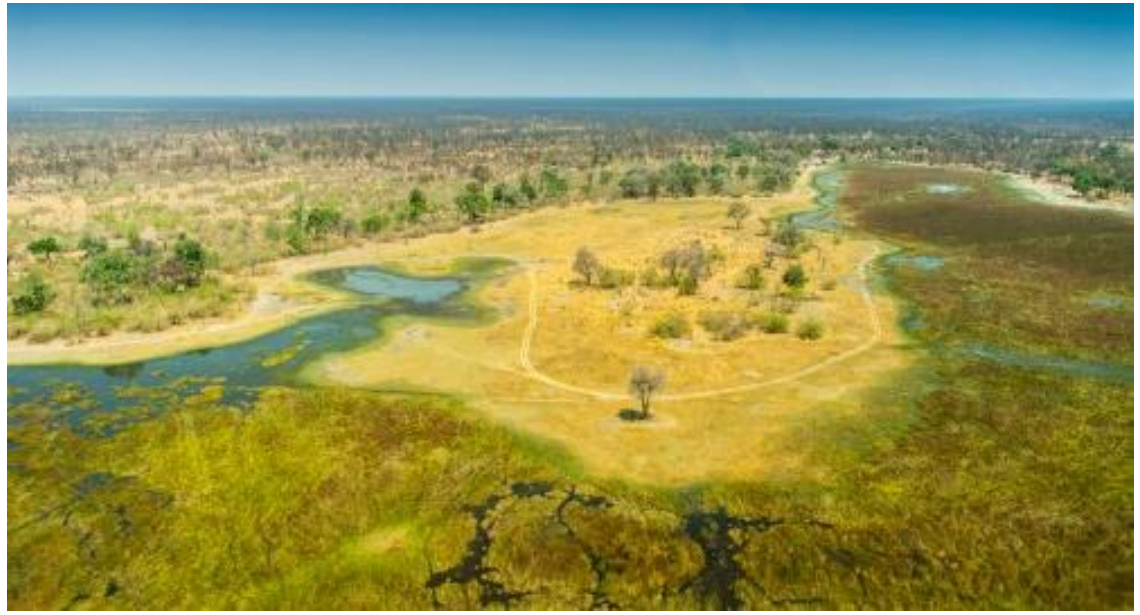
When wetlands are polluted or removed for development, we lose:
- Biodiversity of soils and vegetation, including valuable medicinal plants
- Natural capacity for freshwater purification and storage
- Erosion control and flood prevention services
- Habitats for fish and other aquatic animals
- Tourism, recreation, and wildlife conservation opportunities
Grasslands function as natural grazing areas that support incredible biodiversity of wild animals and bird species:
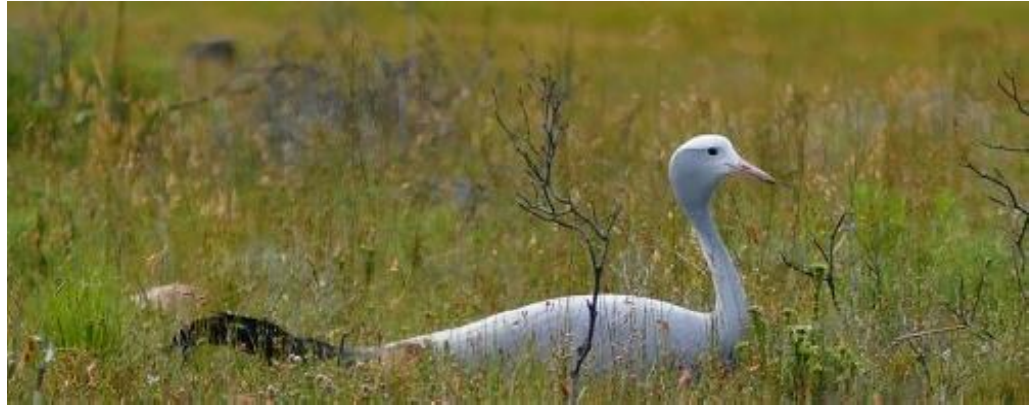
If grassland habitats are removed, eroded, or polluted, we lose:
- Several endangered and threatened species that survive on grass seeds, worms, and insects
- Many useful and medicinal plant species
- Ecotourism opportunities like hiking trails
- Natural flood control and water filtering capabilities of grasslands
Poaching
Poaching refers to the illegal hunting or collecting of species for food or profit. The relentless removal of any species creates a ripple effect that harms all other species depending on them for survival, resulting in biodiversity loss.
Note
Poaching vs. Culling
Culling is the legal and carefully controlled management of animal numbers to protect biodiversity. Unlike poaching, culling is based on scientific research and follows strict regulations to maintain ecosystem balance.
In South Africa, several iconic animals are heavily poached, often for just small body parts:
Abalone
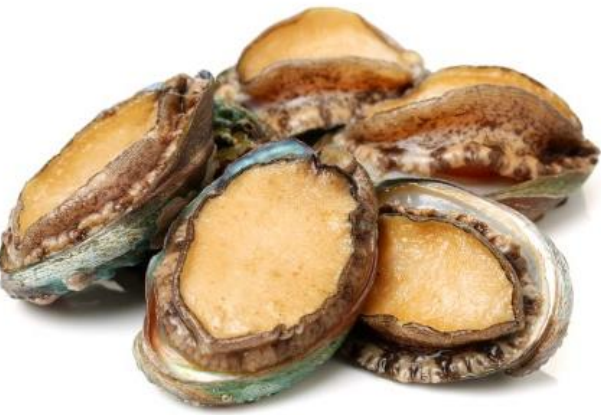
Abalone are marine snails considered a delicacy in Asia with high market value. However, abalone face serious conservation challenges:
- They take 7 years to mature before they can reproduce
- Overharvesting has caused declining populations
- Illegal poaching and trading seriously affects marine biodiversity
Rhino
Rhinos are killed illegally for their horns, which are made of keratin (the same substance found in human hair, nails, and claws).
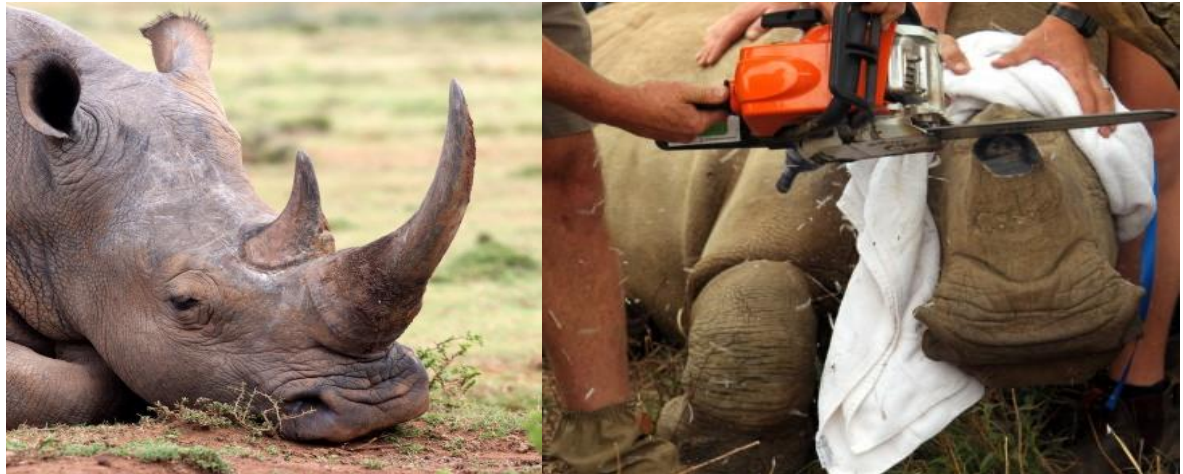
Unfortunately, many people believe rhino horn has healing and other special properties. This has created a serious conservation crisis:
Important
Rhino Crisis Statistics
- Asian buyers pay enormous sums for rhino horn
- On average, 3 rhinos are poached every day in South Africa
- At current rates, rhinos will become extinct in the wild before 2030
This represents one of the most urgent conservation emergencies in the world today.
Elephants
Elephants face poaching pressure for their ivory tusks, used in ornaments and jewellery, particularly for Asian markets.
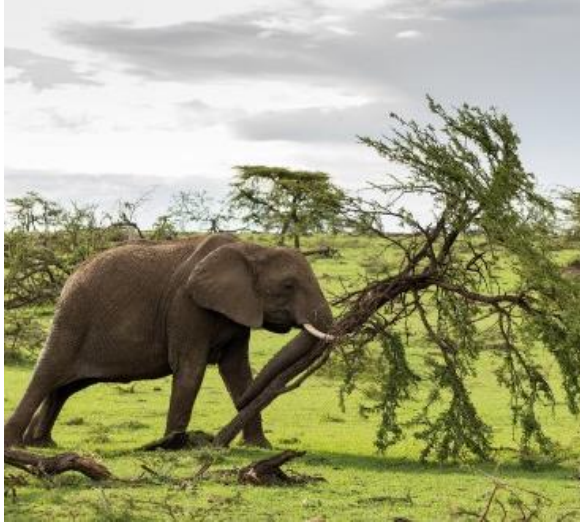
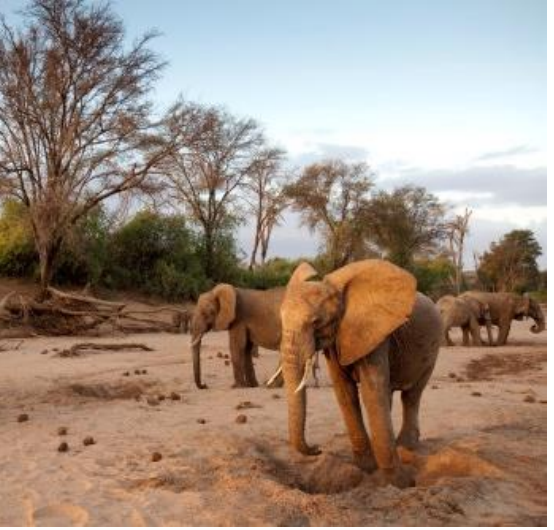
Elephants play a crucial role in ecosystem health, which makes their decline through poaching particularly damaging to biodiversity. They help maintain grasslands and create water access for other animals during dry seasons.
Bushmeat
Traditional African hunters historically depended on wild animals for food. However, modern hunting practices have become unsustainable:
- Upgraded automatic weapons allow hunters to kill more animals
- New roads into wild areas enable large-scale commercial hunting
- Protected species like gorillas and chimpanzees are now endangered
- Animals are being killed faster than natural populations can replace them
Alien plant invasions
Alien plants are non-native species that outcompete indigenous vegetation. They spread rapidly and become the dominant plants in an area, leading to significant biodiversity loss.
Note
How Alien Plants Succeed
Alien plants often succeed because they arrive without their natural predators, diseases, or competitors. This gives them an unfair advantage over indigenous plants that must compete with many other species and deal with natural enemies.
Strategies to reduce biodiversity loss
Fortunately, there are effective ways to reduce biodiversity loss through proper management of alien species and sustainable environmental practices.
Control of alien plant invasions
Alien plants can be removed using three main approaches:
Example
The Three Methods of Alien Plant Control
Method 1: Mechanical Control
- Process: Removing plants by hand or using machines to cut them down
- Advantages: Immediate results, no chemical pollution
- Disadvantages: Expensive and requires significant time investment
Method 2: Chemical Control
- Process: Spraying or injecting plants with herbicides to kill them
- Advantages: Can treat large areas quickly
- Disadvantages: Expensive, potentially risky as chemicals can pollute land and water
Method 3: Biological Control
- Process: Introducing natural enemies of alien species as control agents
- Advantages: Often the most affordable long-term solution
- Disadvantages: Risk if natural enemies multiply uncontrollably
Mechanical control
- Removing plants by hand or using machines to cut them down
- This method works well but is expensive and requires significant time investment
Chemical control
- Spraying or injecting plants with herbicides to kill them
- Also expensive and potentially risky as chemicals can pollute land and water
- May harm many other plant and animal species unintentionally
Biological control
This involves introducing natural enemies of alien species as control agents:
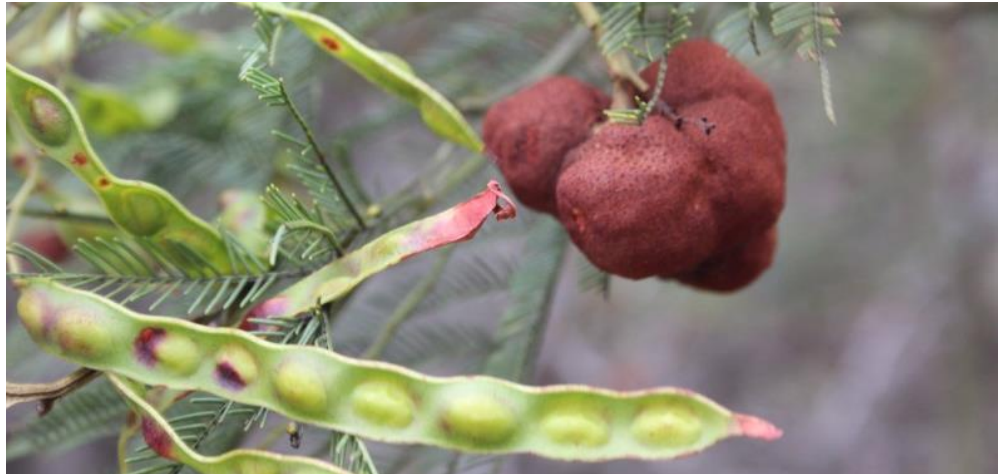
- Examples include wasps that create galls on Port Jackson willows, or fungi that prevent black wattle from reproducing
- This is often the most affordable option available
- However, it can be risky if the natural enemies multiply uncontrollably and begin attacking indigenous species
Sustainable use of the environment
Sustainable use means managing and using natural resources so that future generations will still be able to use those same resources.
Supporting traditional knowledge
- Traditional healers can be encouraged to grow medicinal plants rather than harvesting from the wild
- Rural unemployed people, especially women, can learn to harvest wild plants responsibly
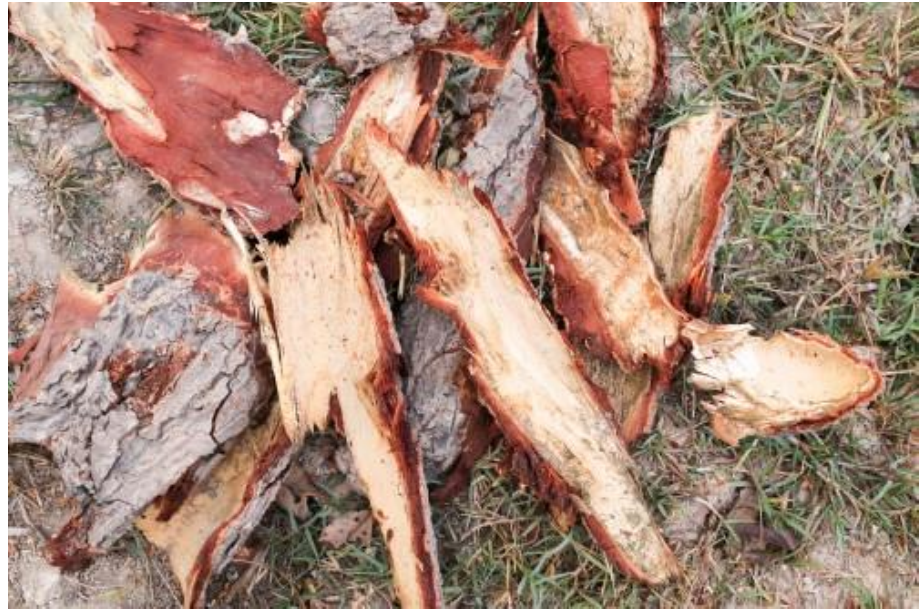
This approach helps preserve traditional knowledge while protecting plant populations from over-exploitation.
Community-based conservation
Local communities can develop sustainable harvesting practices that protect biodiversity while providing economic benefits. For example, traditional leaders often established rules preventing damage to plants during bark collection for medicinal purposes.
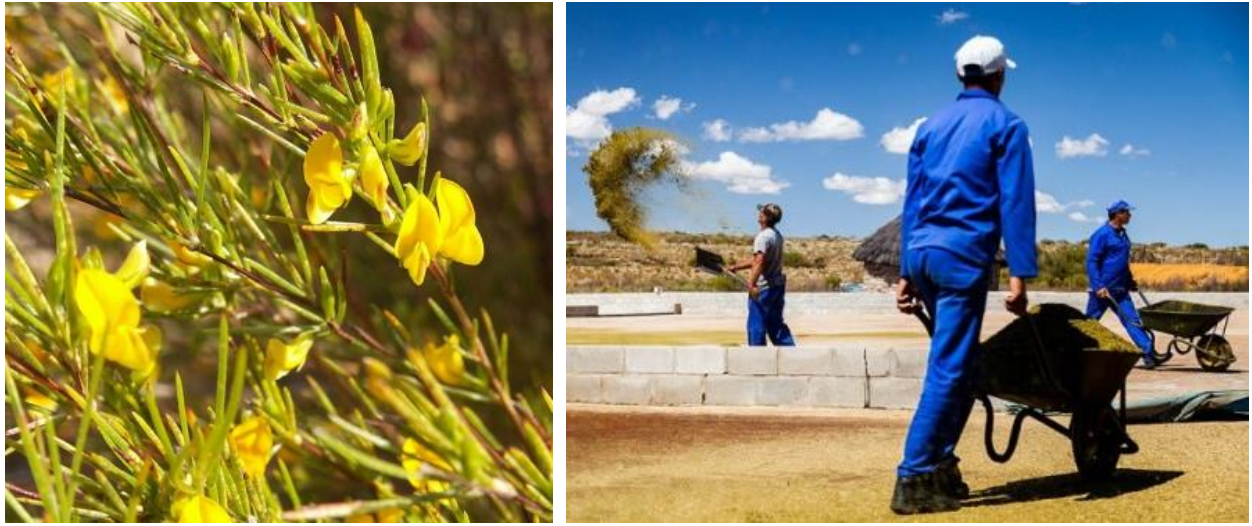
Case studies: valuable indigenous plants under threat
Several indigenous South African plants have significant economic value but face serious conservation challenges due to increasing demand.
Example
Case Study: Fynbos Conservation
The Challenge: Nearly 2000 fynbos plant species are threatened with extinction
Main Threats:
- Increasing wildfires that destroy fynbos biodiversity
- Worldwide demand for fynbos wildflower species (especially proteas) putting habitat pressure on these plants
Conservation Response: Protected areas and fire management programmes are being developed to preserve fynbos biodiversity while allowing sustainable harvesting.
Example
Case Study: Rooibos Tea Sustainability
The Value: Rooibos is celebrated globally for its antioxidant and medicinal properties, including cancer protection, bone strengthening, stress relief, and colic treatment.
Conservation Challenges:
- Global demand means more land is needed for growing rooibos bushes
- Rooibos plantations are expanding into wild fynbos areas
- This expansion impacts the biodiversity of indigenous fynbos species
Sustainable Solution: Farmers must manage plantations carefully to ensure indigenous plants and animals can survive in corridors between plantations.
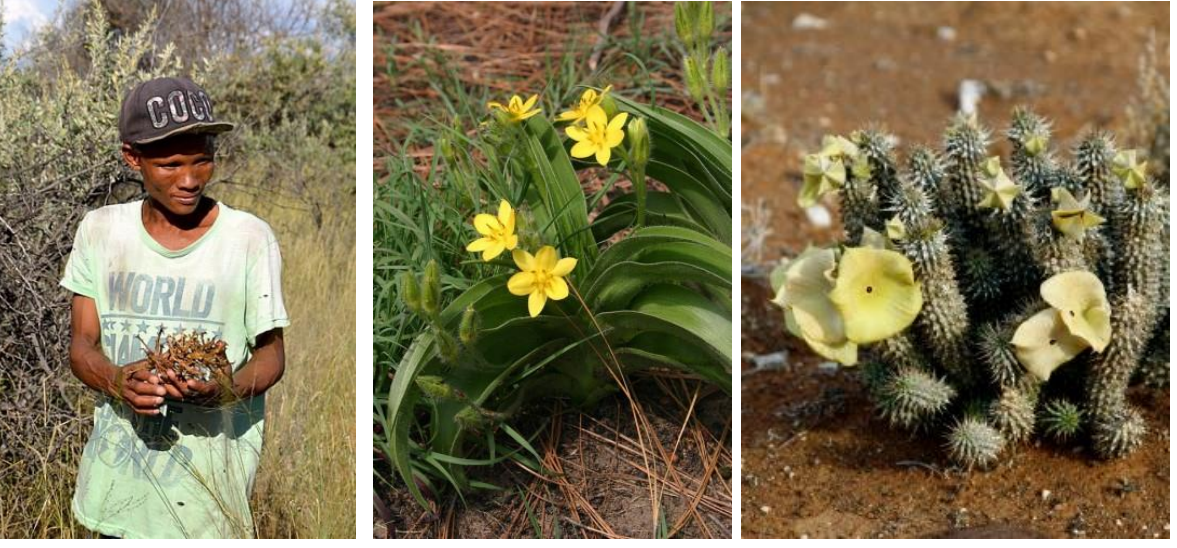
Devil's claw
Devil's claw produces hooked-shaped fruit that grows in arid sandy regions of southern Africa. It's exported internationally as a treatment for back pain, fever, and arthritis.
Conservation concerns include:
- Current demand for wild Devil's claw is unsustainable because the plant needs four years to mature before harvesting
- It's listed as a protected plant and may not be harvested from the wild without proper permits and training
- Commercial cultivation on large scales is now being developed to protect wild populations
African potato
African potato is a grassland plant with long narrow leaves and yellow star-shaped flowers. It's used for treating TB, HIV, diabetes, arthritis, cancers, and urinary tract infections.
Conservation challenges:
- Harvesting the underground parts has led to massive reductions in wild plant populations and habitat destruction
- As the plant's popularity and fame increase, government regulation of sustainable management and harvesting becomes essential
- Some indigenous plant nurseries are beginning to grow and trade African potato plants
Hoodia
Hoodia is a spiny succulent plant that has been used for generations by Khoisan people as an appetite suppressant and thirst quencher in desert regions. It's now marketed worldwide as a weight-loss product.
Despite being a protected plant that cannot be legally harvested from the wild:
- Thousands of tonnes have been illegally harvested and exported
- This threatens both the sustainable harvesting rights of the Khoisan people and the long-term survival of the species
Important
The Hoodia Crisis
Hoodia represents a perfect example of how commercial success can threaten conservation. The plant's effectiveness as a weight-loss supplement created such high demand that illegal harvesting has put the entire species at risk, while also threatening the traditional rights of indigenous communities who have used it sustainably for generations.
Summary
Key Points to Remember:
-
Biodiversity loss is the most serious environmental impact caused by human activities, affecting all the natural services that ecosystems provide us
-
Habitat destruction is the biggest threat to biodiversity, caused mainly by farming practices, urban development, mining, and deforestation
-
Poaching creates a ripple effect - removing one species harms all the other species that depend on it for survival
-
Alien plant invasions can be controlled through mechanical, chemical, or biological methods, each with their own advantages and risks
-
Sustainable use means managing resources so carefully that future generations can still benefit from them - this is key to protecting biodiversity for the long term
-
Indigenous plants often have high economic value but need careful conservation management to prevent over-exploitation