Solid Waste Disposal (Grade 11 NSC Matric Life Sciences): Revision Notes
📚Revision Notes
Solid Waste Disposal
What is solid waste disposal?
Solid waste refers to any unwanted material that people no longer need or use. This waste must be disposed of safely to protect both human health and our environment. While waste can exist as solids, liquids, or gases, this section focuses specifically on how solid waste affects our natural world and the methods we use to manage it properly.
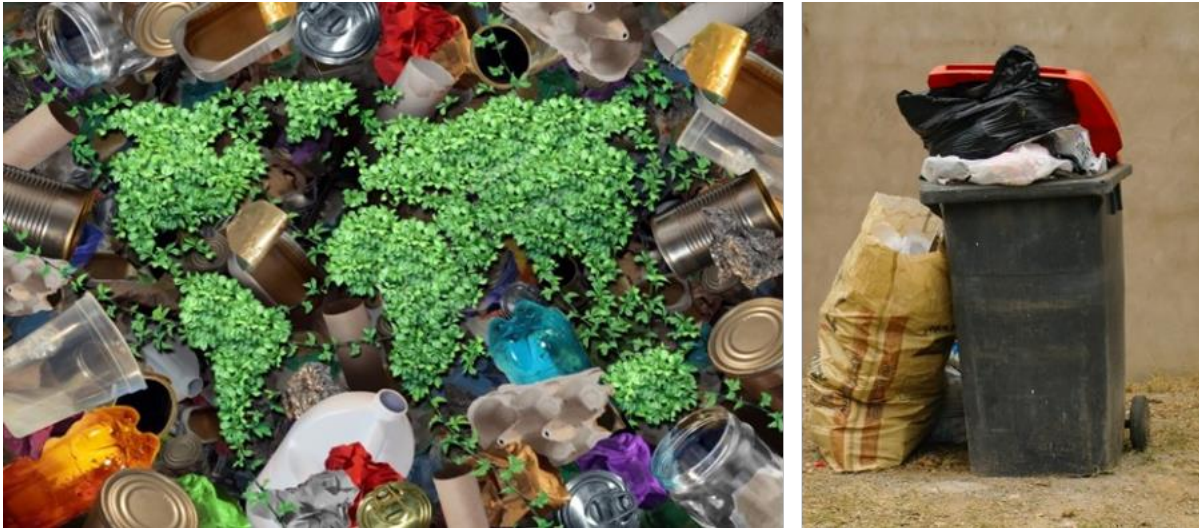
Note
The image above demonstrates an important contrast - on the left, we see how nature can be incredibly resilient, with plants growing even among scattered rubbish. However, this doesn't mean waste disposal isn't a problem. On the right, we see proper waste management with organised bins, which represents the responsible approach we should all follow.
Key terminology
Understanding the vocabulary related to waste disposal helps us discuss these important environmental issues more effectively. Here are the essential terms you need to know:
| Term | Definition |
|---|---|
| Bio-degradable | Organic matter that can break down naturally through the action of bacteria or other living organisms, avoiding pollution |
| Hazardous | Extremely dangerous materials that pose risks to health or the environment |
| Radioactive | Materials that produce or emit radiant energy from atoms breaking apart |
| Nuclear | Energy that comes from splitting or joining atomic nuclei together |
| Landfill | A specially designed excavated site where rubbish is buried and contained |
| Leachate | Contaminated water that has filtered through solid waste, picking up dissolved pollutants |
| Rehabilitate | The process of restoring something back to its original good condition |
| Bio-remediation | Using living organisms like bacteria, fungi, or plants to clean up environmental pollution |
| Nuclear reactor | A controlled facility where nuclear reactions occur to produce energy |
Note
Mastering this terminology is essential for understanding environmental science concepts and communicating effectively about waste management solutions.
Problems with current waste disposal methods
Disposing of solid waste in landfills has become a major environmental challenge. Understanding these problems helps explain why we need better waste management strategies.
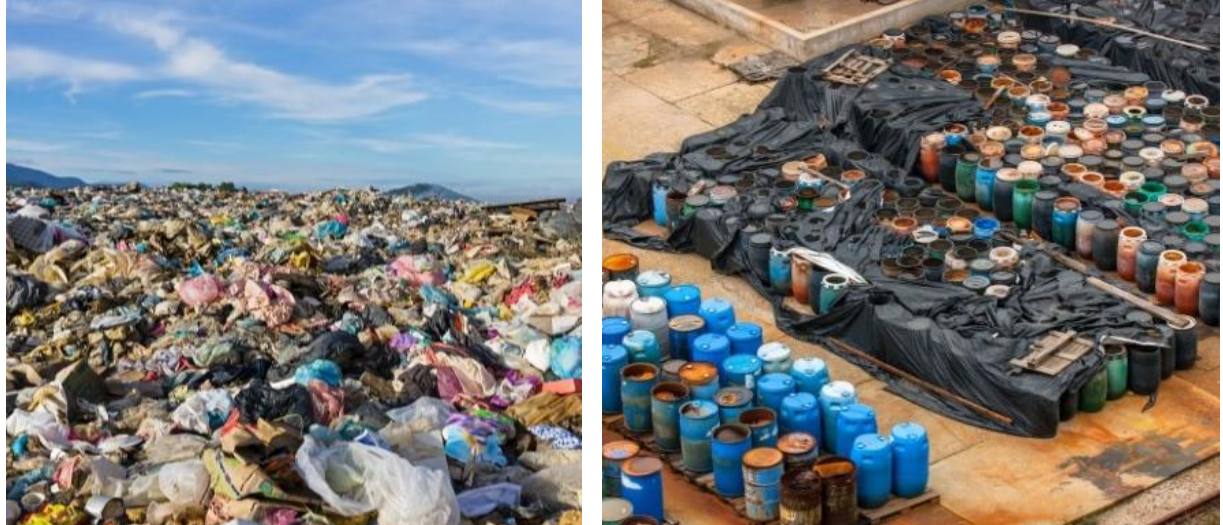
Important
Poorly managed landfills pose serious risks to both human health and environmental safety. These problems affect entire communities and can have long-lasting consequences.
Environmental and health problems from poorly managed landfills include:
- Visual pollution and bad smells - Landfills create unsightly landscapes and produce offensive odours that affect nearby communities
- Disease transmission - Rats, flies, and other pests thrive in dumpsites, spreading diseases to humans and animals
- Water contamination - Toxic chemicals can leak from landfill sites into underground water supplies and nearby rivers, making water unsafe for drinking or irrigation
- Air pollution - Decomposing waste releases harmful gases into the atmosphere
- Fire hazards - Many waste materials are flammable and can cause dangerous fires
Better approaches to solid waste disposal
Management and rehabilitation of dumpsites
Modern landfill design focuses on containing waste safely and minimising environmental damage. Well-planned landfills follow specific engineering principles to protect surrounding areas.
Key features of properly managed landfills:
- Strategic location - Landfills are built in excavated holes, old quarries, or specially prepared sites away from populated areas
- Protective barriers - Special linings prevent toxic leachate from contaminating groundwater sources
- Controlled decomposition - Waste breaks down without oxygen in sealed conditions, producing methane gas that can be captured
- Site rehabilitation - After closure, landfill sites can be restored for community use through bioremediation and careful planning
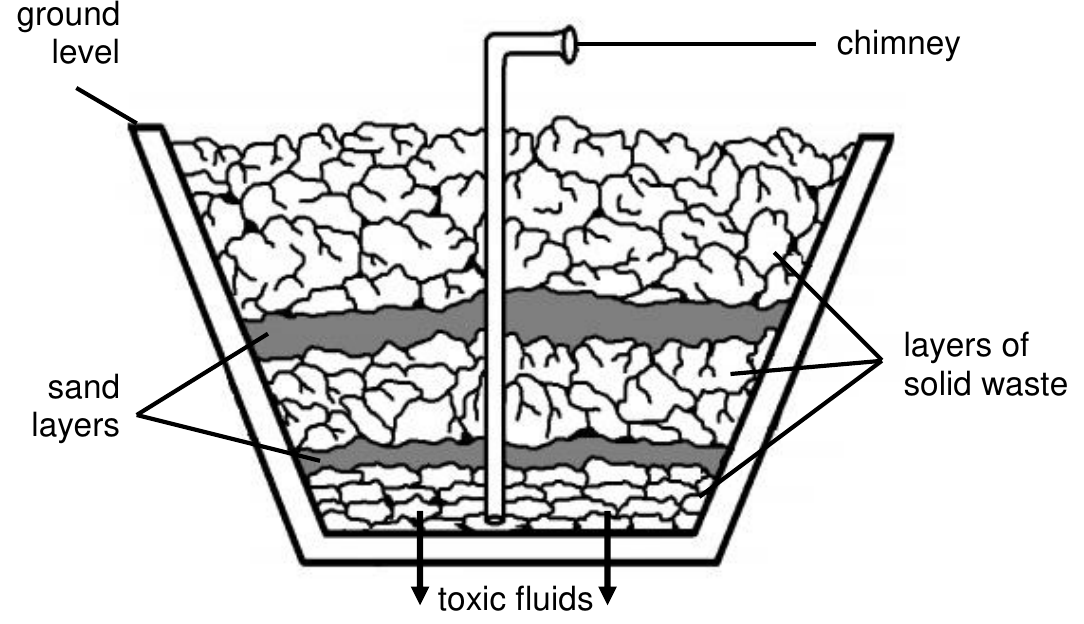
Note
The diagram shows how modern landfills work as engineered systems. Waste and sand are layered carefully, with a chimney system to collect gases and barriers to prevent toxic fluids from escaping into the environment.
Rehabilitation methods include:
- Bioremediation - Planting specific species that can absorb and neutralise soil and water contaminants naturally
- Community development - Converting closed landfill sites into parks or recreational areas with planted vegetation to stabilise the ground
Converting landfill gas to energy
One of the most innovative approaches to waste management involves capturing the methane gas that landfills naturally produce and using it to generate electricity.
Example
Worked Example: Waste-to-Energy Process
Step 1: Organic waste decomposes in sealed, oxygen-free landfill conditions
Step 2: Decomposition produces methane gas naturally
Step 3: Wells and pipes collect the methane systematically
Step 4: Captured methane is burned cleanly to generate electricity
Step 5: Electricity powers local communities, creating value from waste
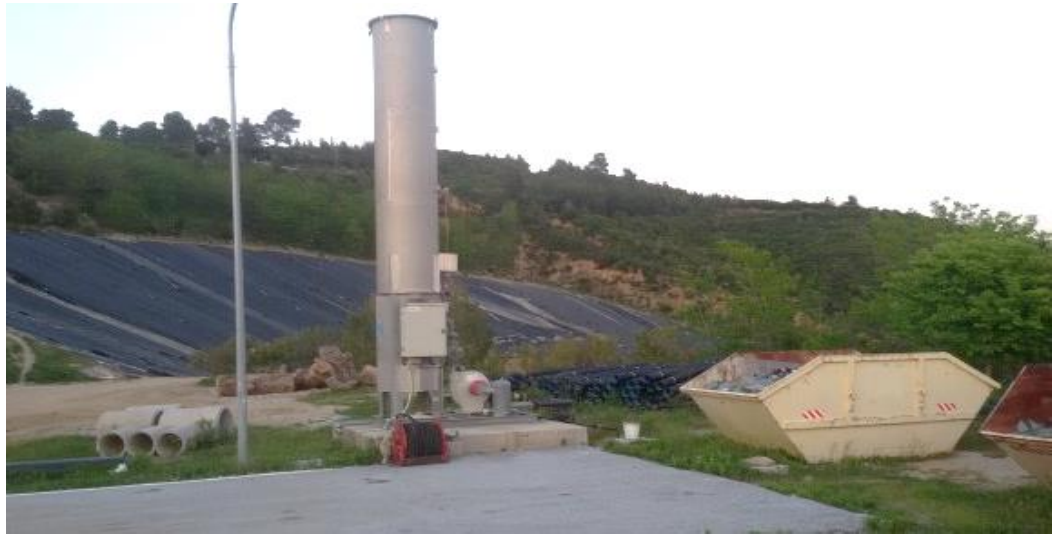
Benefits of methane capture:
- Clean energy production - Burning methane doesn't produce toxic emissions like other fossil fuels
- Reduced greenhouse gases - Preventing methane from escaping into the atmosphere helps combat climate change
- Economic value - Communities can generate income from waste-to-energy projects
The importance of recycling
Recycling transforms waste materials into useful new products, reducing the amount of waste that ends up in landfills. This process offers multiple benefits for both the environment and society.
Why recycling matters:
- Pollution reduction - Less waste in landfills means reduced air, water, and land contamination
- Resource conservation - Using recycled materials reduces the need to extract new raw materials from the earth
- Energy savings - Manufacturing products from recycled materials typically uses less energy than creating them from scratch
- Job creation - The recycling industry provides employment opportunities in collection, processing, and manufacturing
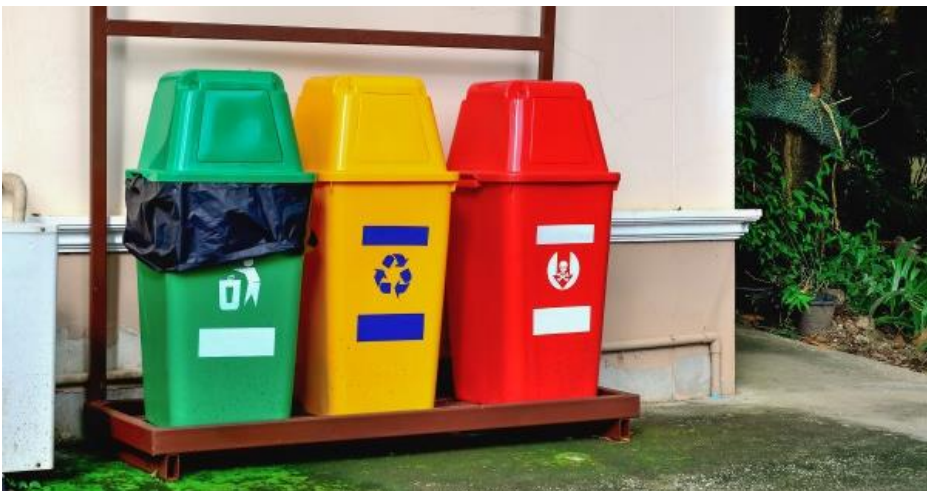
Note
Proper waste sorting using different coloured bins makes recycling programmes more effective. Each bin collects specific types of materials that can be processed and reused.
Safe disposal of nuclear waste
Nuclear waste presents unique challenges because of its extreme toxicity and long-lasting radioactive properties. This type of waste requires specialised disposal methods to protect both current and future generations.
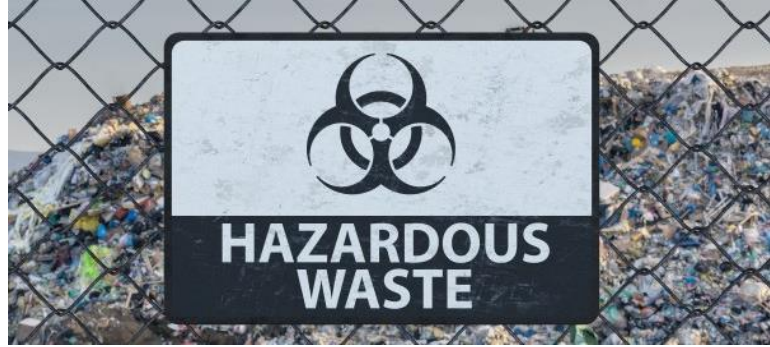
Important
Nuclear waste is extremely dangerous and remains hazardous for thousands of years. Special handling and disposal methods are absolutely essential to protect human health and the environment.
Characteristics of nuclear waste:
- Extreme toxicity - Nuclear materials pose serious health risks to humans and wildlife
- Long-lasting danger - Radioactive materials remain hazardous for thousands of years
- Non-biodegradable - Unlike organic waste, nuclear materials don't break down naturally
Safe disposal methods:
- Deep burial - Nuclear waste is sealed in thick concrete or lead containers and buried deep underground or under ocean floors
- Geographic isolation - Disposal sites are located far from populated areas and water sources
- Multiple barriers - Several layers of containment prevent radioactive materials from escaping
Note
South African context: Nuclear waste from facilities like Koeberg (Western Cape) and Pelindaba (Gauteng) follows strict international safety protocols for handling and disposal.
Summary
Key Points to Remember:
- Landfills cause multiple problems including disease transmission, water contamination, and air pollution when not properly managed
- Modern waste management uses engineered systems with protective linings and gas capture to minimise environmental damage
- Methane capture can convert landfill gas into clean electricity, turning waste into a valuable energy resource
- Recycling reduces pollution while conserving natural resources and creating employment opportunities
- Nuclear waste requires special handling due to its extreme toxicity and must be sealed and buried deep underground for safety