Mining in South Africa (Grade 12 NSC Matric Geography): Revision Notes
📚Revision Notes
Mining in South Africa
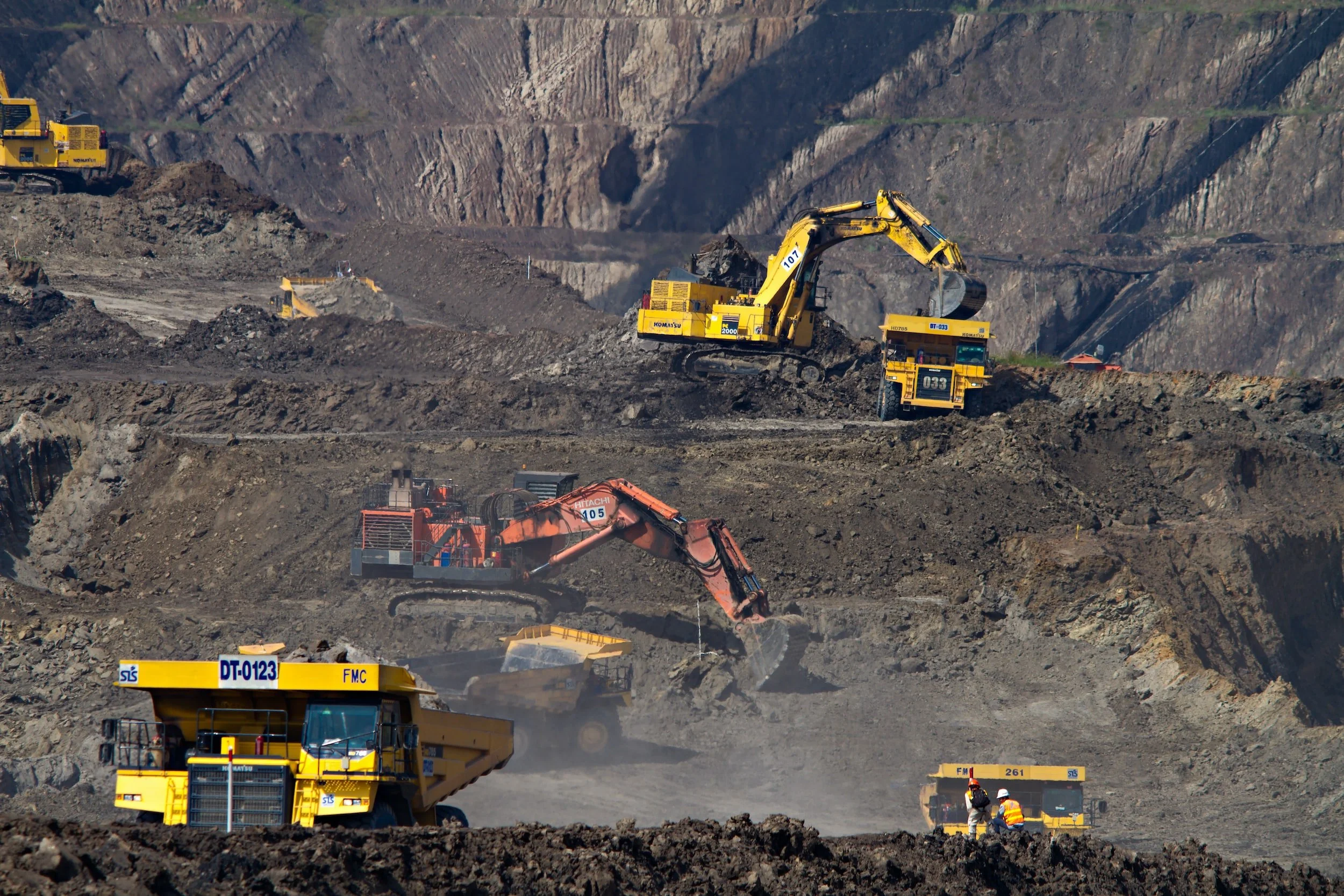
Mining is one of South Africa's most important primary economic activities. This sector involves extracting valuable minerals from the earth through two main methods: open cast mining (surface mining) and shaft mining (underground mining).
Note
Open cast mining involves extracting minerals from surface deposits, while shaft mining requires digging deep underground tunnels to reach mineral deposits. The choice between these methods depends on the location and depth of the mineral deposits.
Factors favouring mining in South Africa
Several key factors make mining operations successful and profitable in South Africa. These favourable conditions have helped establish the country as a major global mining nation.
Abundant mineral resources: South Africa possesses a remarkable variety of valuable minerals that can be extracted and exported. The country earns substantial foreign exchange from selling these minerals to other nations, strengthening the national economy.
Available labour force: The mining industry benefits significantly from having access to many local unskilled workers. This abundant labour supply helps keep operational costs lower, which increases profit margins for mining companies.
Foreign expertise: Skilled miners from other countries bring valuable knowledge and technical skills to South African mining operations. Their expertise helps improve mining efficiency and introduces advanced extraction techniques.
International investment: Many foreign countries have invested substantial funds in South African mines. This international financial support has enabled further mine development and helped reduce overall operational costs.
Well-developed infrastructure: The country's established network of roads, railway lines, and electrical supply systems greatly assists mining operations. This infrastructure makes it easier and more cost-effective for mines to conduct their business activities.
Note
Memory Aid: Many students use mnemonics to remember the factors favouring mining. The table shown in the textbook provides helpful memory techniques to recall these important factors during examinations.
Factors hindering mining in South Africa
Despite many advantages, several challenges limit mining productivity and profitability in South Africa. Understanding these obstacles helps explain why mining operations sometimes struggle.
Important
Safety concerns represent one of the most critical challenges in mining operations. Underground mining environments can be extremely dangerous, especially when tunnel roofs collapse. Ensuring worker safety requires expensive safety measures and equipment, which increases operational costs.
Water-related problems: Many mining operations face serious water shortages, while others suffer from underground flooding. Both situations create significant challenges - water shortages limit operations, while flooding requires expensive pumping systems to remove excess water.
High operational costs: Training mine workers requires substantial investment, and providing housing for workers adds to expenses. These ongoing costs reduce overall profitability.
Transportation distances: Large distances between mines and major markets or ports increase the cost of transporting minerals. These higher transport expenses eat into profit margins.
Extreme temperatures: Some underground mines experience very high temperatures that create difficult working conditions. These harsh environments reduce worker productivity and may require expensive cooling systems.
Labour strikes: When mine workers go on strike, production stops completely. These work stoppages decrease productivity and reduce profits significantly.
Importance of mining to South Africa's economy
Mining plays a crucial role in South Africa's economic development and provides numerous benefits to the country and its people.
Job creation: The mining sector provides employment opportunities for many South Africans, helping to reduce unemployment rates. These jobs range from unskilled labour positions to highly technical roles.
Supporting secondary industries: Mines supply essential raw materials to factories and other industries. This supply chain stimulates industrial development and creates additional employment opportunities in manufacturing sectors.
Regional development: When new mines open, they often lead to the development of entire towns and transport networks around the mining areas. This regional growth creates opportunities for other businesses and services.
Example
Economic Impact Example: Port Development
The mining industry has directly contributed to major port expansions:
- Saldanha Bay in the Western Cape has expanded to handle iron ore exports
- Richards Bay in KwaZulu-Natal processes coal and other mineral exports
- These developments create thousands of jobs and stimulate economic growth in coastal regions
Economic multiplier effects: Mining activities stimulate other economic sectors including farming, construction, and trade. These industries grow to meet the needs of the expanding population in mining areas.
Foreign exchange earnings: Exporting mining products brings foreign currency into South Africa, strengthening the country's financial position and helping to pay for imported goods.
Environmental impact of mining
Mining operations create significant environmental challenges that affect both local ecosystems and global climate patterns.
Important
Critical Environmental Concerns
Mining activities cause lasting environmental damage that requires serious consideration and mitigation efforts.
Vegetation removal and soil erosion: Mining activities require clearing natural vegetation to access mineral deposits. This vegetation loss leads to increased soil erosion in affected areas, damaging the natural landscape and reducing land fertility.
Habitat destruction: Removing vegetation destroys natural habitats for plants and animals. This habitat loss damages entire ecosystems and can contribute to the extinction of local species.
Land degradation: Mining operations create lasting damage to the land through the construction of mine dumps and slimes dams for waste storage. These structures permanently alter the landscape and can contaminate surrounding areas.
Water pollution: Chemical substances from mine dumps leach into groundwater and surface water when it rains. This contamination causes serious water and land pollution that can persist for many years.
Sinkholes: Mining activities can cause dangerous sinkholes to form in areas where underground extraction has taken place. These ground collapses pose risks to buildings, roads, and human safety.
Climate change contribution: Coal mining and burning for electricity production releases carbon dioxide into the atmosphere. This emission contributes to global warming and climate change, affecting weather patterns worldwide.
Summary
Key Points to Remember:
- South Africa's mining success depends on abundant minerals, available labour, foreign investment, and good infrastructure
- Major challenges include safety risks, water problems, high costs, and long transport distances
- Mining provides jobs, supports other industries, and earns foreign exchange for the country
- Environmental impacts include soil erosion, water pollution, habitat destruction, and climate change contributions
- Understanding both benefits and challenges helps explain mining's complex role in South Africa's economy