Urban Settlement Problems (Grade 12 NSC Matric Geography): Revision Notes
📚Revision Notes
Urban Settlement Problems
Introduction to urban settlement problems
Urban areas face increasing challenges as they grow larger and attract more residents. When cities expand and population density increases, several serious problems emerge that particularly affect the Central Business District (CBD). Understanding these urban settlement problems is essential for developing effective solutions that can improve quality of life for city residents.
Note
As urbanisation continues globally, these problems become increasingly relevant for city planners, government officials, and residents who need to work together to create sustainable urban environments.
The main urban settlement problems we need to understand are congestion, urban decay, and centralisation. Each of these problems has specific causes that lead to negative effects, but fortunately there are practical solutions that can help address these challenges.
Traffic congestion
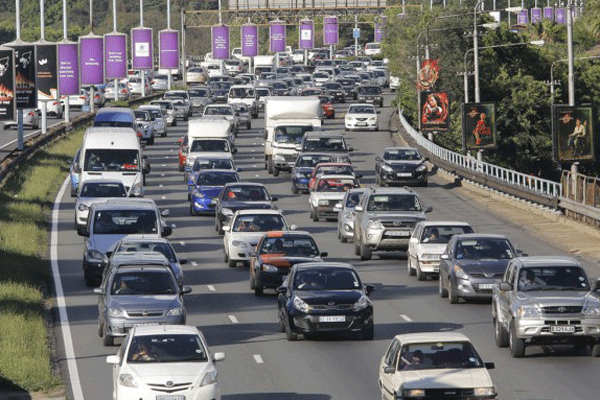
Traffic congestion occurs when there are too many vehicles on the roads, creating slow-moving or stationary traffic conditions. This problem has become increasingly common in growing urban areas around the world.
Understanding traffic congestion
The problem of traffic congestion develops when the number of vehicles exceeds the capacity of road infrastructure. Several factors contribute to this issue, including people's preference for private car ownership, insufficient public transportation options, and outdated road planning that cannot cope with modern traffic demands.
Important
The effects of traffic congestion extend far beyond simple delays and inconvenience. The impacts affect public health, safety, and overall quality of life in urban areas.
The effects include increased air pollution from idling vehicles that affects public health, whilst the stress of navigating heavy traffic contributes to road rage incidents and various health problems. Additionally, the higher risk of traffic accidents creates safety concerns for all road users.
However, cities can implement several effective solutions to reduce congestion. Improving public transport systems encourages people to leave their cars at home, whilst carpooling schemes reduce the total number of vehicles on roads. Some cities have successfully relocated businesses away from the CBD to distribute traffic more evenly, and synchronising traffic light systems helps traffic flow more smoothly during peak hours.
Urban decay
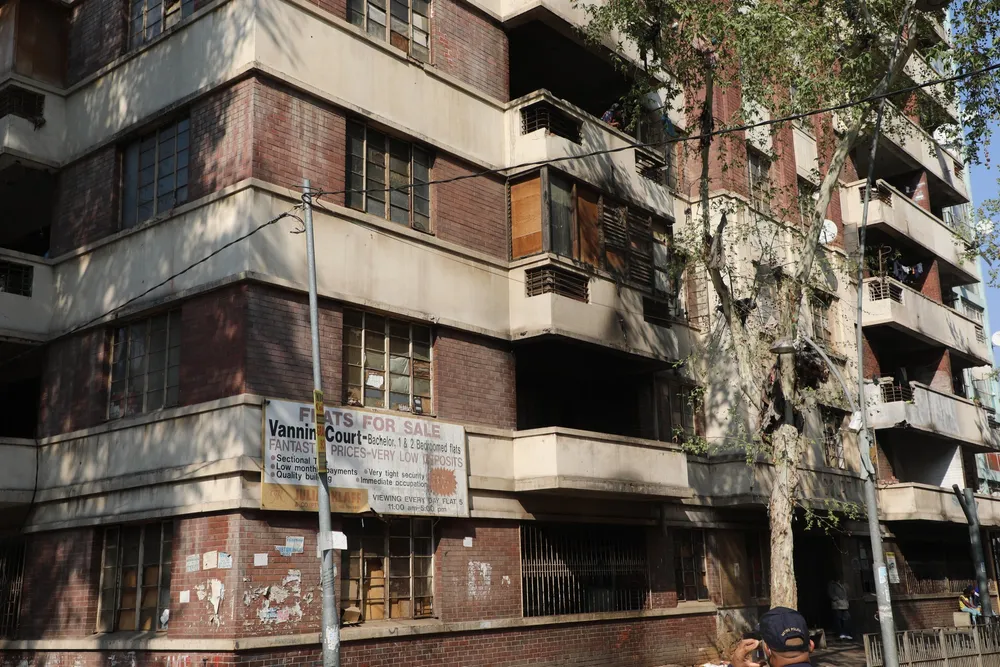
Urban decay refers to the deterioration of city areas where buildings and infrastructure are poorly maintained or abandoned. This creates run-down neighbourhoods that lack proper services and facilities.
Causes and consequences of urban decay
Urban decay typically begins when the CBD expands into residential areas, forcing residents to relocate. This process is worsened by overpopulation in certain parts of the city and the presence of unoccupied or empty buildings that fall into disrepair.
Note
Urban decay creates a cycle where deteriorating conditions drive away investment and residents, leading to further decline. Breaking this cycle requires coordinated intervention and community engagement.
The effects of urban decay are clearly visible in affected neighbourhoods. Slum areas develop as housing quality deteriorates, essential services and facilities decline or disappear entirely, and pollution increases as waste management systems break down. The overall environment becomes dirty and neglected, creating unsafe and unhealthy living conditions.
Addressing urban decay requires community-focused solutions. Encouraging residents in affected areas to take ownership of their neighbourhoods and work together to improve conditions is crucial. Government intervention to upgrade services and facilities can also help reverse the decline and create more liveable urban environments.
Centralisation
Centralisation occurs when too many people and activities concentrate in city centres, creating an imbalance that strains urban resources and infrastructure.
The problem of excessive centralisation
High demand for land in city centres drives centralisation, as businesses and residents compete for prime locations. When too many people live and work in concentrated areas, it creates numerous problems for the urban environment.
The effects of centralisation include dramatically increased pollution levels as more vehicles and industrial activities concentrate in small areas. This leads to serious health problems for residents and workers. Environmental destruction occurs as natural areas are developed or degraded, whilst overuse of resources such as water and electricity strains city infrastructure. The concentration of activities also produces excessive amounts of waste that can overwhelm disposal systems.
Important
Centralisation creates a dangerous cycle where the concentration of activities leads to resource strain, pollution, and environmental degradation, making cities less sustainable and liveable over time.
Solutions to centralisation focus on redistributing urban functions more evenly. Moving certain business activities and government functions out of the city centre reduces pressure on central areas. Implementing stricter controls on all types of pollution helps protect public health, whilst developing more green belt areas around cities provides environmental buffers and recreational spaces.
Note
Exam tip: You may be asked to explain the causes, effects, or solutions to any of these urban problems. Practice describing each aspect clearly and consider how these problems might appear in South African cities.
Economic, social and environmental injustice
Urban settlement problems often lead to different types of injustice that affect city residents unequally. Understanding these concepts helps explain why some communities suffer more from urban problems than others.
Types of injustice in urban areas
Injustice refers to unfair treatment that causes undeserved harm to individuals or groups. It involves unfairness, inequality, or violation of people's rights. The opposite of injustice includes concepts like equity, fairness, and justice.
Example
Example: Understanding Injustice in Urban Context
Consider two neighbourhoods in the same city:
- Neighbourhood A: Has access to quality schools, clean parks, reliable public transport, and low pollution levels
- Neighbourhood B: Has overcrowded schools, no green spaces, poor transport links, and high pollution from nearby industrial activities
This represents multiple forms of injustice affecting residents unequally based on their location.
Economic injustice occurs when people in the same society have vastly different income levels and access to economic opportunities. In urban areas, this might mean some residents live in luxury whilst others struggle in poverty, often due to unequal access to jobs, education, or business opportunities.
Social injustice involves the unequal distribution of advantages and disadvantages within society. This can include unequal access to quality housing, healthcare, education, or social services based on factors like race, income, or location within the city.
Environmental injustice refers to the unfair distribution of environmental benefits and burdens. Some communities may bear the costs of pollution, poor air quality, or lack of green spaces, whilst others enjoy cleaner, healthier environments. Environmental justice aims for fair treatment and meaningful participation of all people in environmental decisions, regardless of their background.
Summary
Key Points to Remember:
- Three main urban problems: Traffic congestion, urban decay, and centralisation all worsen as cities grow larger
- Systematic approach: Each urban problem can be analysed using causes, effects, and solutions to understand how to address it effectively
- Interconnected issues: Urban settlement problems often relate to each other and create multiple types of injustice
- Solution-focused thinking: While urban problems are serious, there are practical solutions that cities can implement to improve conditions
- Inequality matters: Urban problems affect different communities unequally, making it important to consider economic, social, and environmental justice in city planning