The Impact of Internal and External Factors on Africa (Grade 12 NSC Matric History): Revision Notes
📚Revision Notes
The Impact of Internal and External Factors on Africa
Introduction
Between 1960 and 1980, newly independent African nations faced numerous challenges that hindered their development and progress. These challenges came from both internal factors (problems within African countries themselves) and external factors (influences from outside Africa). Understanding these factors helps explain why many African countries struggled with underdevelopment, poverty, and political instability during this crucial period.
Internal factors that impacted Africa
The legacy of colonialism
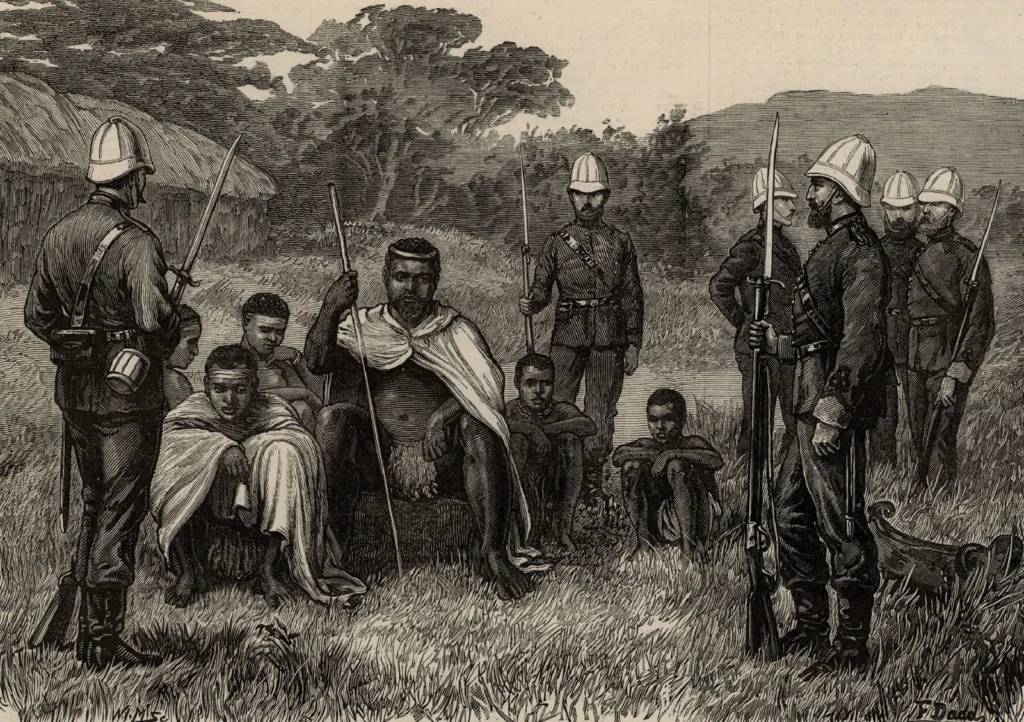
Colonial rule left African countries in a weakened position when they gained independence. Colonial powers had deliberately kept African populations uneducated and unskilled to maintain control.
Note
The educational neglect under colonial rule was particularly devastating - by independence, most African countries had literacy rates below 20%, leaving them without the human resources needed for effective governance and economic development.
Key impacts included:
- Lack of education: Most Africans had limited access to formal education under colonial rule
- Skills shortage: Few Africans had been trained in professional, technical, or administrative roles
- Weak institutions: Colonial governments had not developed strong democratic institutions or civil services
- Economic dependency: Colonial economies were designed to benefit European powers, not African development
Ethnic diversity and conflict
Africa's rich ethnic diversity became a source of conflict when exploited by politicians seeking power.
Problems arising from ethnic tensions:
- Civil wars: Leaders often favoured their own ethnic groups, leading to resentment and violence
- Internal conflicts: Competition between different ethnic groups weakened national unity
- Political manipulation: Politicians exploited ethnic differences to gain support, dividing nations
- Resource distribution: Unequal sharing of resources between ethnic groups created further tensions
Important
Political manipulation of ethnic differences was one of the most damaging internal factors, as it turned Africa's cultural diversity from a potential strength into a source of devastating conflict and instability.
State failure and poor governance
Many African leaders made damaging political and economic choices after independence that led to state failure.
Characteristics of failed governance:
- Centralised economic control: Governments took control of most economic activities, reducing efficiency
- One-party systems: Many countries became dictatorships, eliminating political competition
- Corruption: Leaders often stole public money for personal gain
- Tyranny: Authoritarian rule suppressed opposition and civil rights
- Poor development policies: Bad economic decisions led to continued underdevelopment
Important
The shift from colonial rule to authoritarian one-party systems meant that many African countries never experienced true democratic governance, creating a cycle where poor leadership perpetuated underdevelopment.
Geographical challenges
Africa's physical geography created natural obstacles to development and prosperity.
Key geographical problems:
- Unsuitable land: Much of Africa's land is not suitable for large-scale agriculture
- Food insecurity: Poor agricultural conditions led to insufficient food production
- Landlocked countries: Many African nations have no access to the sea, making trade expensive and difficult
- Disease burden: Tropical diseases affecting both humans and animals slowed development efforts
- Climate challenges: Droughts, floods, and extreme weather made economic planning difficult
Note
Being landlocked was particularly challenging - countries like Chad, Central African Republic, and Mali faced transport costs that were often 2-3 times higher than coastal nations, making their exports less competitive on world markets.
External factors that impacted Africa
The Cold War
The global struggle between the United States and Soviet Union had serious consequences for African development.
Cold War impacts on Africa:
- Superpower rivalry: Both superpowers sought African allies, often supporting corrupt leaders
- Military conflicts: Proxy wars were fought on African soil, destroying infrastructure and killing civilians
- Aid with strings attached: Foreign assistance came with political conditions that limited African sovereignty
- Development difficulties: Political instability caused by Cold War interference made economic development nearly impossible
Note
The Cold War turned Africa into a battleground for ideological competition, with superpowers more interested in gaining allies than promoting genuine African development and stability.
Foreign aid problems
While intended to help, foreign aid often created more problems than it solved for African countries.
Negative effects of foreign aid:
- Increased dependency: African countries became reliant on external assistance rather than developing self-sufficiency
- Support for bad leaders: Aid money often went to corrupt governments, allowing them to stay in power longer
- Debt accumulation: Loans had to be repaid with interest, creating long-term financial burdens
- Loss of economic independence: Aid conditions often forced countries to adopt policies that didn't suit their needs
Important
Foreign aid created a dangerous cycle of dependency where African countries became reliant on external assistance rather than building their own sustainable economic foundations.
Unfair trade relationships (export-import cycle)
African countries were trapped in an export-import cycle that kept them poor and underdeveloped.
Example
Example: The Cotton Trade Cycle
Step 1: African countries like Mali export raw cotton at low prices
Step 2: European factories process the cotton into expensive textiles
Step 3: African countries import these finished textiles at high prices
Step 4: The value-added profit stays in Europe, not Africa
This cycle meant African countries earned little from their resources while paying high prices for processed goods.
How the cycle worked:
- Raw material exports: African countries sold unprocessed materials like cotton, cocoa, and minerals at low prices
- Manufactured imports: They then bought expensive finished goods made from these same materials
- Value addition elsewhere: The profit from processing raw materials went to foreign companies, not African ones
- Limited industrialisation: This cycle prevented African countries from developing their own manufacturing industries
The 1973 oil crisis
The dramatic increase in oil prices in 1973 had devastating effects on most African countries.
Consequences of the oil crisis:
- Higher import costs: African countries had to pay much more for essential oil imports
- Reduced international aid: Donor countries spent more on oil, leaving less money for African aid programmes
- Economic collapse: Many African nations couldn't afford the high oil prices, leading to bankruptcy
- Increased debt: Countries borrowed money to pay for oil, creating unsustainable debt burdens
- Austerity measures: Lenders demanded cutbacks in government spending and high returns on loans, worsening poverty
Important
The 1973 oil crisis was a turning point that pushed many African economies from difficulty into crisis, as oil import costs increased by over 300% virtually overnight.
Debt crisis and economic collapse
The combination of high oil prices and poor economic policies led many African countries into severe debt crises.
Effects of the debt crisis:
- Bankruptcy: Many countries couldn't pay their debts and faced economic collapse
- Structural adjustment: International lenders forced countries to adopt harsh economic reforms
- Social services cuts: Governments had to reduce spending on education, healthcare, and infrastructure
- Increased poverty: Ordinary people suffered as living standards declined dramatically
Note
The debt crisis forced African governments to prioritise debt repayment over social spending, creating a situation where money flowed out of Africa to wealthy creditor nations rather than being invested in African development.
Important
Assessment Tip
When answering exam questions about this topic, remember to:
- Balance internal and external factors - don't focus only on one type
- Use specific examples from particular African countries where possible
- Explain cause and consequence - show how factors led to specific outcomes
- Consider the time period - focus on developments between 1960 and 1980
- Analyse significance - explain why these factors were important for Africa's development
Summary
Key Points to Remember:
- Internal factors like colonial legacy, ethnic conflicts, poor governance, and geographical challenges weakened African countries from within
- External factors including the Cold War, problematic foreign aid, unfair trade relationships, and the 1973 oil crisis created additional obstacles to development
- The combination of internal and external factors trapped many African countries in cycles of poverty, debt, and underdevelopment
- Understanding these factors explains why the period 1960-1980 was particularly challenging for independent Africa
- Both types of factors worked together to limit African countries' ability to achieve sustainable development and political stability