Biotechnology (Grade 12 NSC Matric Life Sciences): Revision Notes
📚Revision Notes
Biotechnology
What is biotechnology?
Biotechnology represents a revolutionary approach where scientists use living organisms or their natural processes to solve human problems and enhance our quality of life. Unlike traditional methods that relied on selective breeding over many generations, modern biotechnology allows us to directly manipulate the DNA of organisms to achieve desired outcomes.
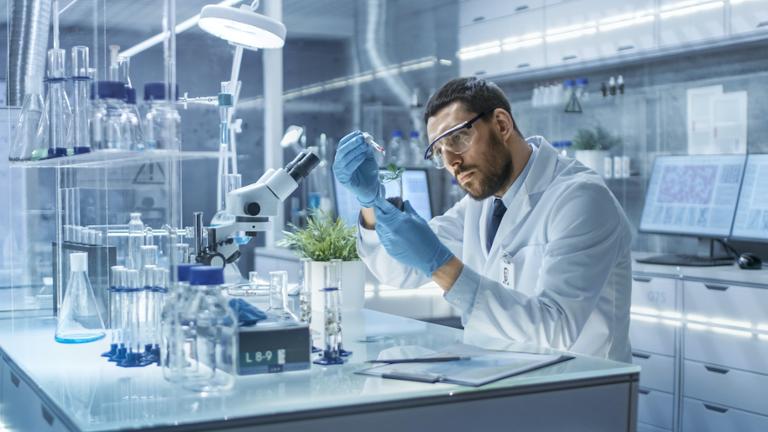
Think of biotechnology as using nature's own tools and systems to create solutions for challenges in medicine, agriculture, and industry. This field encompasses several key areas including DNA profiling for identification purposes, genetic engineering to create modified organisms, stem cell therapy for medical treatments, and cloning techniques.
Note
The power of biotechnology lies in its precision - instead of waiting generations for beneficial traits to appear naturally, scientists can now insert specific genes directly into organisms to give them new capabilities.
DNA profiling
DNA profiling serves as a powerful identification tool that has revolutionised forensic science and family relationships. This biotechnology technique analyses unique patterns in an individual's DNA to create a distinctive genetic "fingerprint" that can be used for various purposes.
The applications of DNA profiling extend beyond solving crimes to include paternity testing, identifying victims of disasters, and establishing family relationships. Each person's DNA contains unique sequences that make this identification process highly accurate and reliable.
Genetic engineering
Understanding genetically modified organisms
Genetic engineering involves deliberately changing the DNA structure of living cells to achieve specific medical, industrial, or agricultural goals. When scientists successfully modify an organism's genetic makeup, the result is called a genetically modified organism (GMO) or, in the case of animals, a transgenic animal.
These modified organisms contain DNA from different species, giving them new characteristics that wouldn't occur naturally. For example, bacteria can be engineered to produce human insulin, or crops can be modified to resist pests.
Applications of GMOs
Genetically modified organisms serve three main purposes in modern biotechnology:
Agricultural improvements: Scientists create crops and livestock that are more productive, allowing farmers to produce greater quantities of food to help feed growing populations.
Medical advancements: GMOs can produce important medicines and hormones, such as insulin for diabetics. These laboratory-produced drugs often have fewer side effects and cost less than traditional alternatives.
Gene therapy: This cutting-edge application involves introducing modified genes into patients' cells to treat serious diseases like brain tumours and cystic fibrosis.
Recombinant DNA technology process
The creation of GMOs often relies on recombinant DNA technology, a precise process that combines genetic material from different sources. Using insulin production as an example, this process involves five distinct steps:
Example
Worked Example: Recombinant DNA Technology for Insulin Production
Step 1: Gene isolation - Scientists use special cutting enzymes called restriction enzymes to carefully remove the insulin gene from healthy human pancreatic cells.
Step 2: Plasmid preparation - The same type of restriction enzymes cut open circular DNA structures called plasmids found in bacterial cells, creating spaces for new genetic material.
Step 3: Gene insertion - The human insulin gene is inserted into the opened bacterial plasmid and sealed in place using special enzymes, creating recombinant DNA.
Step 4: Bacterial transformation - The modified plasmid is introduced into bacterial cells, which then become genetically modified organisms capable of producing human insulin.
Step 5: Large-scale production - These modified bacteria are grown in large cultures where they multiply rapidly and act as biological factories, continuously producing insulin that can be harvested for medical use.
Advantages of genetically modified plants
Genetically modified crops offer numerous benefits that address many agricultural and nutritional challenges:
Pest resistance helps protect crops by making plants naturally unappetising to insects, reducing the need for chemical pesticides and resulting in healthier, more abundant harvests.
Herbicide tolerance allows farmers to use stronger weed-killing chemicals without harming their crops, leading to more effective weed control and higher crop yields.
Disease resistance creates hardier plants that can withstand various plant diseases, ensuring more reliable harvests even when conditions favour plant pathogens.
Improved food quality results from reduced pest and disease damage, producing crops that look better and last longer during storage and transport.
Environmental adaptability includes modifications for cold tolerance, allowing crops like rice and tobacco to survive unexpected temperature drops, and drought or salinity tolerance, enabling agriculture in previously unsuitable areas.
Nutritional enhancement addresses malnutrition by adding essential vitamins to staple foods. A notable example is the addition of vitamin A to rice, which helps prevent vitamin deficiency in countries where rice is a primary food source.
Vaccine incorporation allows plants like bananas and potatoes to produce vaccines within their tissues, making immunisation more accessible in remote areas where refrigeration for traditional vaccines isn't available.
Disadvantages of GMOs
Despite their benefits, genetically modified organisms raise several important concerns:
Chemical contamination occurs because many GM crops are designed to tolerate herbicides, leading to increased use of chemicals like glyphosate, which may remain as residues on food.
Economic inequality emerges as GMO technology is expensive, potentially creating advantages only for wealthy countries and large corporations while leaving smaller farmers behind.
Technical complexity increases the possibility of errors during the genetic modification process, which could have unintended consequences for the environment or human health.
Important
Limited safety data exists because genetic modification is a relatively new technology, meaning long-term effects on human health and the environment remain largely unknown.
Allergic reactions may occur when genes from one organism are transferred to another, potentially creating new allergens. For example, people allergic to brazil nuts might react to soy beans containing brazil nut genes.
Biodiversity concerns arise from widespread use of similar GM crops, which could reduce genetic diversity in agriculture and make food systems more vulnerable to new diseases.
Security risks include the theoretical possibility that genetic modification techniques could be misused to create harmful biological agents.
Ethical considerations involve the debate between what science can achieve and what society believes should be done, raising questions about the limits of human intervention in natural processes.
Note
The future impact of GMOs remains uncertain, with both tremendous potential benefits and significant risks that require careful consideration and ongoing research.
Stem cell technology
Understanding stem cells
Stem cells represent one of the most promising areas of modern biotechnology. These remarkable cells are undifferentiated, meaning they haven't yet committed to becoming a specific type of tissue. Instead, they possess the extraordinary ability to develop into any tissue in the human body, from heart muscle to brain cells.
Scientists can obtain stem cells from several sources, including embryos remaining after fertility treatments, bone marrow, blood from umbilical cords, and even skin and cartilage tissues.
Types of stem cells and their applications
Embryonic stem cells offer the greatest versatility because they can potentially develop into any type of tissue. However, their use involves destroying human embryos, making this approach highly controversial from ethical and religious perspectives.
Adult stem cells present fewer ethical concerns and have already proven successful in medical treatments. Bone marrow stem cells have been used for decades to treat blood cancers like leukaemia. Researchers continue exploring new applications for adult stem cells, investigating how they might help treat various conditions through different medical procedures.
Important
The field of stem cell technology continues to evolve, with scientists working to balance the tremendous potential for treating serious diseases against the ethical considerations surrounding their use.
Summary
Key Points to Remember:
-
Biotechnology uses living organisms and biological processes to solve human problems and improve quality of life
-
Genetic engineering creates GMOs by directly modifying DNA, offering benefits like improved crops and life-saving medicines, but also raising concerns about safety and ethics
-
Recombinant DNA technology follows a precise 5-step process to insert genes from one organism into another, commonly used to produce medicines like insulin
-
GM crops provide numerous advantages including pest resistance and enhanced nutrition, but disadvantages include potential health risks and economic inequality
-
Stem cell technology holds great promise for treating diseases, with adult stem cells offering fewer ethical concerns than embryonic stem cells