Key Events of the Civil Rights Movement (HSC SSCE Modern History): Revision Notes
📚Revision Notes
Key Events of the Civil Rights Movement
The murder of Emmett Till (1955)
Background and context
In 1955, America remained deeply divided by racial segregation, particularly in the Southern states. Cities like Chicago, whilst considered progressive, were marked by racial tensions. Black Americans and other ethnic minorities were forced into segregated neighbourhoods called ghettos, with limited access to housing, services, and public spaces. This segregation created a society where black children could not use the same facilities as white children, including basketball courts and other recreational areas.
Note
The term "ghettos" referred to urban areas where minority populations were forcibly concentrated due to discriminatory housing practices, limited economic opportunities, and social segregation. These neighbourhoods were characterized by inadequate infrastructure, limited public services, and restricted access to quality education and employment.
Emmett Till was a 14-year-old boy from Chicago who travelled to visit relatives in Money, Mississippi, in August 1955. He was the only child of Mamie Till, an intelligent high-school graduate. Emmett had overcome polio at age six and had a slight stutter. Despite his young age, he had witnessed the racial divisions of Chicago, where over 20 different minority groups were relegated to separate areas of the city.
The incident and murder
On 24 August 1955, Emmett Till entered Bryant's Grocery and Meat Market in Money, Mississippi. According to courthouse transcripts revealed in 2007, he bought bubble-gum and allegedly either touched the hand of, propositioned, or whistled at Carolyn Bryant, the 21-year-old white cashier and wife of the store's proprietor. However, recent oral history collected by historian Timothy Tyson revealed that Bryant did not recall such transgressions, and Emmett's mother Mamie Till argued that her son was not guilty of the accusation.
Important
Four days after the incident, on 28 August, Emmett Till was kidnapped by Roy Bryant (Carolyn's husband) and his half-brother JW Milam. These two men beat the boy severely, shot him in the head, and tied him with barbed wire to a mechanical metal wheel. They then threw his mutilated body into the Tallahatchie River. When his body was discovered, the mutilations made Emmett unrecognisable except for his father's signet ring engraved with the initials 'L.T.' that Mamie had given him before his trip.
The trial and public response
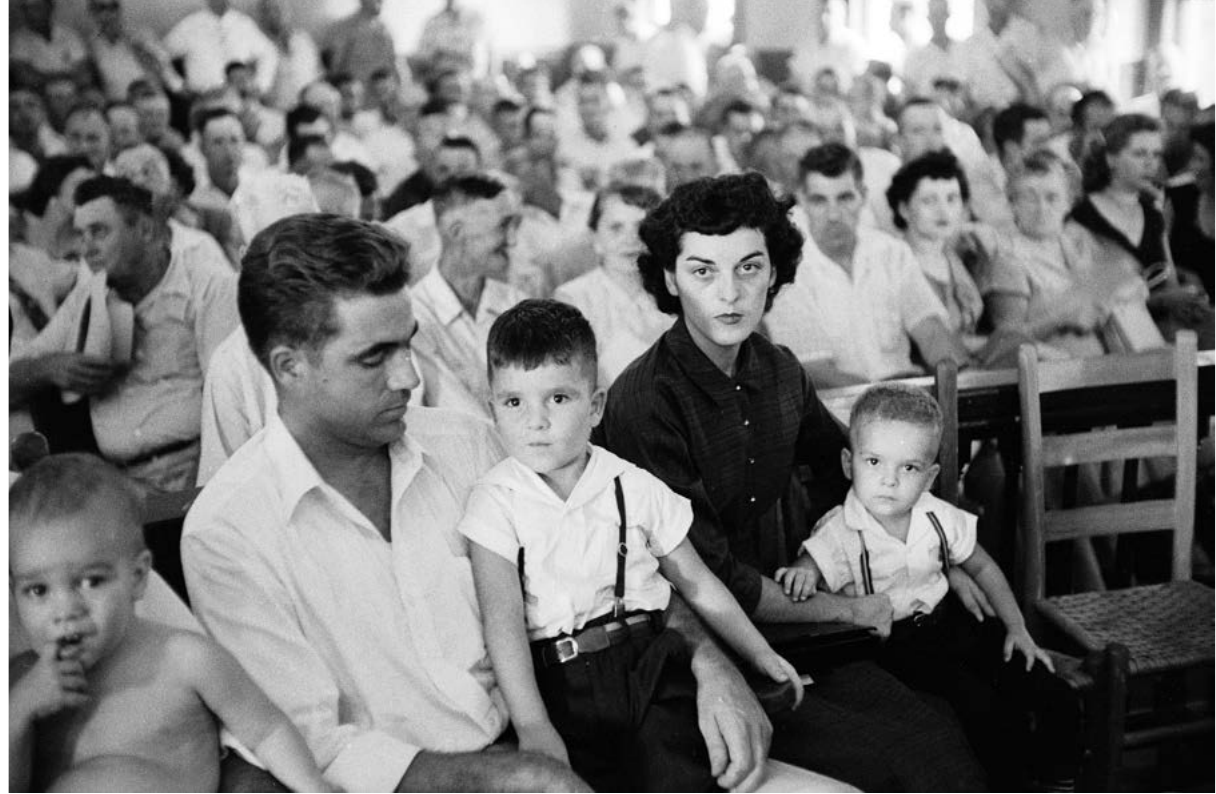
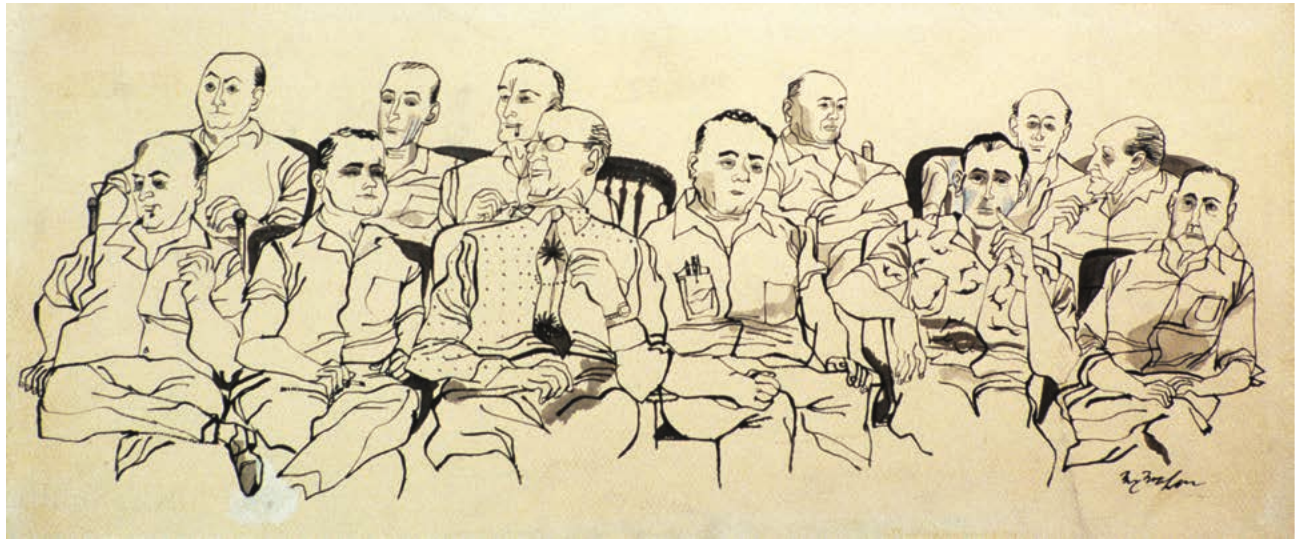
The trial of Roy Bryant and JW Milam became a significant moment in civil rights history. Despite clear evidence of their guilt, an all-white jury acquitted both men. The courtroom sketch from the trial reveals the segregated nature of the legal system at the time.
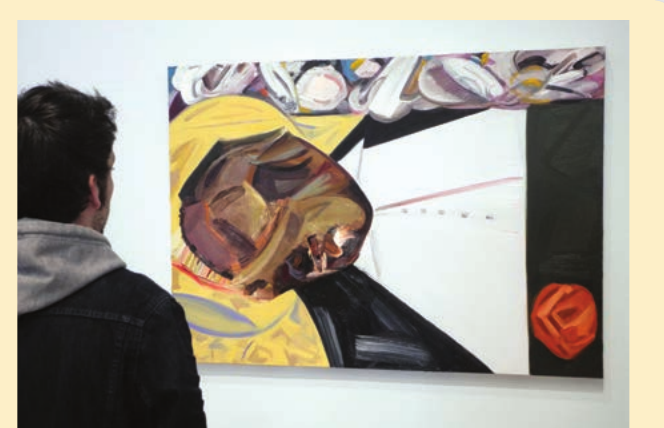
Mamie Till made a courageous decision that would galvanise the civil rights movement. She publicly rallied the community by hosting the funeral with an open basket-weaved coffin, allowing the media and public to witness the horrific violence perpetrated on her son. This decision forced America to confront the brutal reality of racial violence. The image of Emmett Till's disfigured body in the open casket became a powerful symbol of the injustice faced by Black Americans.
Note
Mamie Till's decision to hold an open-casket funeral was unprecedented and deeply controversial at the time. By allowing photographers to document her son's mutilated body and permitting the images to be published in newspapers and magazines, she transformed a personal tragedy into a national awakening. The photographs circulated widely, particularly in black newspapers and magazines, forcing Americans across the country to witness the brutal consequences of racial hatred.
Significance for the civil rights movement
The murder of Emmett Till had far-reaching consequences for the civil rights movement. According to historian Timothy Tyson, Emmett Till's tragic death was reminiscent of countless other experiences of black American youth who were needlessly and brutally murdered due to racial and cultural tensions. However, Mamie's bravery in exposing the violence through the open casket funeral made this case different from previous murders.
The case influenced American literature, including Harper Lee's novel "To Kill a Mockingbird", and forced America to confront the contradiction between its professed values of Christian freedom and liberty and the ugly reality of racial violence. The acquittal of the perpetrators, despite Mamie's powerful statement against the atrocity, demonstrated the deep-rooted racism in the legal system. Nevertheless, this incident became a significant catalyst for the civil rights movement, showing the urgent need for change.
The Montgomery Bus Boycott and Rosa Parks (1955-1956)
Jim Crow segregation on buses
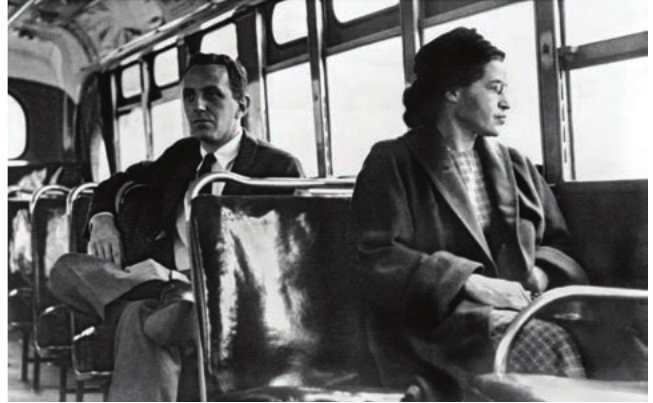
In Montgomery, Alabama, Jim Crow Laws physically segregated bus seats. White passengers were allocated seats at the front of the bus, whilst black passengers were relegated to the back. Under these laws, black passengers had to give up their seats and stand if the whites-only section was crowded, even when there were vacant seats in other parts of the bus. This visible form of discrimination created deep resentment within the black community.
Note
Precedent for Change: The Louisiana Bus Boycott (1953)
There was precedent for challenging bus segregation. In 1953, a 10-day bus boycott of routes that mainly served black communities in Louisiana had resulted in a partial victory. The pressure of losing 60 per cent of daily revenue for 10 days forced the bus company to allocate four seats to white passengers, the back row to black passengers, and the rest on a first-come, first-served basis. This precedent demonstrated that economic pressure could effect change.
Rosa Parks' act of civil disobedience
On 1 December 1955, Rosa Parks, an unassuming woman, boarded the Cleveland Avenue bus in Montgomery. She sat in a seat that was one row back from the whites-only section. When the whites-only section became full, the bus driver ordered her to move from her seat. Rosa Parks refused.
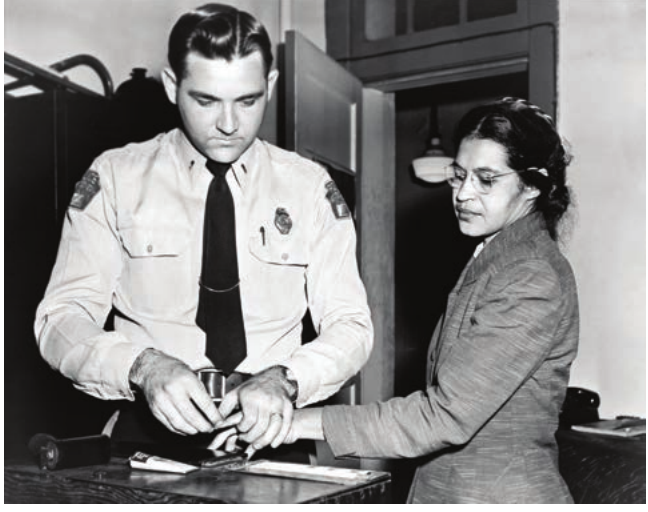
As a result of her refusal, Rosa Parks was charged with civil disobedience under the state's segregation and ordinance laws. Dr Martin Luther King Jr defended Rosa's civil disobedience as an act of fairness against clear injustice. He spoke of her "impeccable character" and "deep-rooted dedication" to human dignity and freedom. Dr King used this incident to launch an organised boycott of Montgomery's buses as a way of demonstrating the principles of fairness and equality.
The boycott campaign
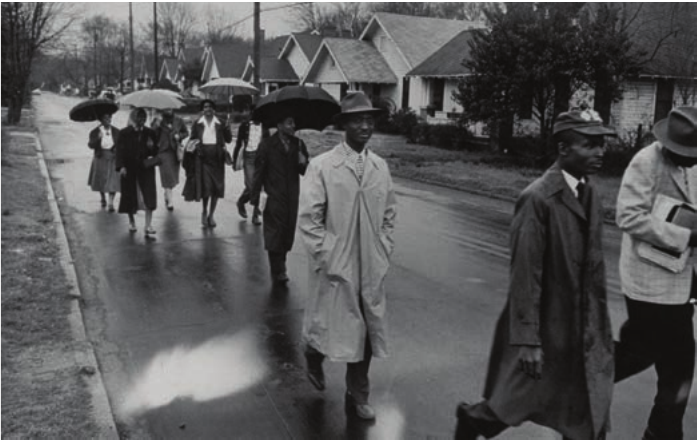
The boycott began on 5 December 1955 and lasted for 381 days (55 weeks). Black Americans, who predominantly used the bus system, organised alternative transportation through carpooling, walking, or hitchhiking to work. Over 42,000 Black Americans participated in the boycott, demonstrating remarkable unity and determination.
Important
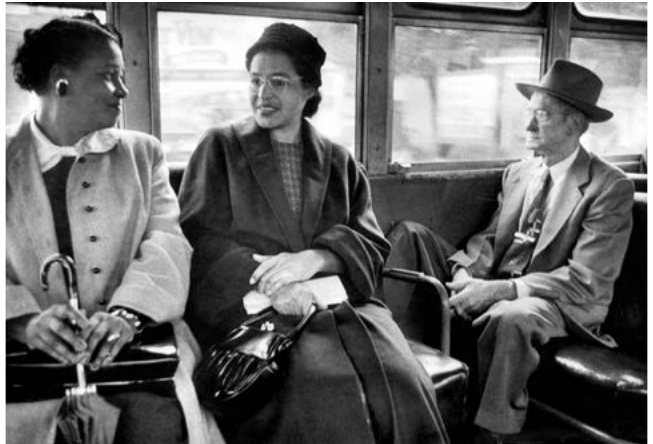
Rosa Parks' appeal for fairness resulted in effective mobilisation of the community. Through non-violent protest and sustained civil disobedience, the civil rights cause gained widespread attention across television, newspapers, and cinema news reports. The boycott succeeded where passive resistance and high-profile legal cases had previously failed because it used economic and social weapons that damaged public interests and capitalism.
Eventually, in the 55th week of the campaign following Rosa's arrest, Dr King and Glenn Smiley, a white Texan Christian minister, boarded the bus together in a show of solidarity and peace to end the boycott. This symbolic act demonstrated that desegregation had been achieved.
Significance of the boycott
The Montgomery Bus Boycott was a pivotal point in the civil rights campaigns. It reasserted the fundamental principles of fairness, equity, and justice within a discordant and prejudiced society. The scale and media attention of the boycott were crucial to its success as a political tactic.
Note
Some historians argue that the boycott was instrumental in achieving the 1964 Civil Rights Act, as it derived its power from popular and sustained action by those who had the most to gain from change. The boycott demonstrated that economic pressure combined with moral arguments could overcome entrenched discrimination. However, such actions, despite being popular and well-subscribed amongst black communities, were met with unprecedented and frequently vicious violence and reprisals.
The role of groups supporting the civil rights movement (1960s)
The cultural shift and new tactics
By the 1960s, a cultural transformation was affecting America. Inspired by the powerful words of Dr Martin Luther King Jr, young people, students, workers, and people from different cultures engaged in various forms of non-violent protest. These included:
- Sit-ins at segregated lunch counters
- Wade-ins at segregated swimming pools
- Stand-ins at segregated cinemas
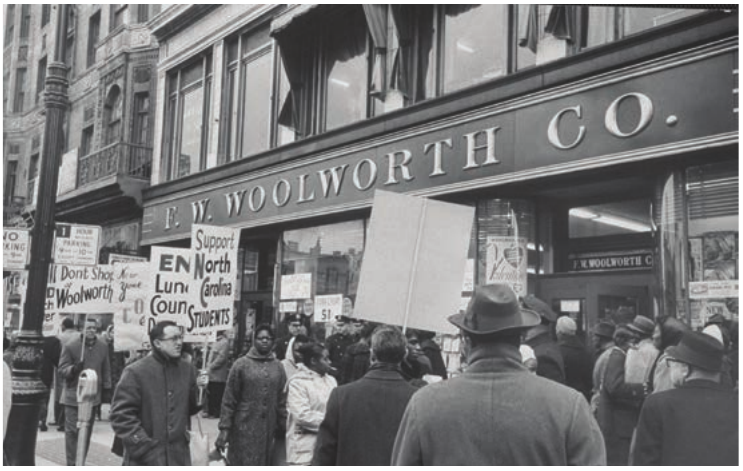
These protests extended to active boycotts of businesses, including Woolworths stores in Northern states. These boycotts and protests gained widespread support and media coverage, raising the profile of the civil rights movement and making the ugliness and unfairness of segregation painfully visible to the nation.
Formation of student organisations
Organisations such as the NAACP (National Association for the Advancement of Colored People), which had mounted the legal case in Brown v Board of Education of Topeka, were increasingly seen as less relevant and effective by younger activists. Students formed new organisations to lead the movement, most notably the Students Non-Violent Coordinating Committee (SNCC), formed on 31 January 1960.
Note
The sit-ins at Greensboro, North Carolina, became a model that was imitated across America. The civil rights movement harnessed the energy, impatience, and idealistic commitment of both Black American and white pro-civil rights students and youth to highlight daily injustices and acts of racism.
Key events in 1960
| Date | Group/Individual | Action | Result |
|---|---|---|---|
| 31 January 1960 | SNCC formed | Student organisation established | New leadership for civil rights movement |
| Early 1960 | Students | Stores picketed, read-ins in libraries, wade-ins in public pools, sit-ins at lunch counters | Widespread attention to segregation |
| March 1960 | Thurgood Marshall involved | Legal and activist support | Lunch counters in Nashville and Greensboro began serving Black Americans |
This became the motif for the civil rights campaigns and was used to achieve greater equity in education, employment, and political franchise and opportunity. It was a transformative popular movement that gained a platform for leaders and activists to lobby their cause.
The Freedom Rides (1961)
Purpose and organisation
The non-violent tactics had proven spectacularly successful in confronting racial prejudice at the grassroots level. In 1961, the Freedom Rides from Washington commenced, aiming to desegregate interstate buses and terminals. These Freedom Rides were organised by CORE (Congress of Racial Equality) following the Supreme Court ruling that bus lines should be desegregated.
The Freedom Rides represented an attempt to test whether federal court decisions would be enforced in the Southern states. Activists, both black and white, travelled together on interstate buses to challenge segregation in bus terminals, waiting rooms, and restaurants.
Violence and resistance
Important
The resistance to the Freedom Rides was ferocious. Freedom Riders were brutally shunned, insulted, and physically attacked with metal bars, shotguns, and other weapons. The Ku Klux Klan was instrumental in leading these vicious attacks and often had infiltrated elected officials and sheriffs, allowing them to carry out devastating attacks without fear of retribution or prosecution.
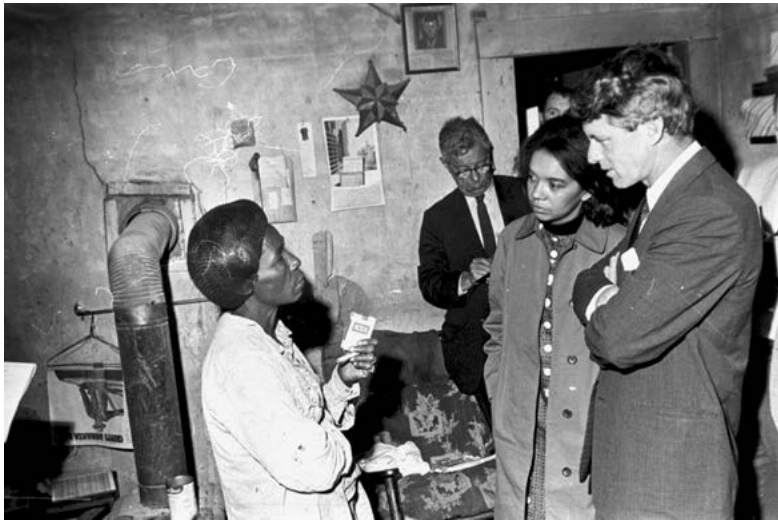
One bus filled with Freedom Riders was firebombed. As a result, President Kennedy sent in federal troops, though the Governor resisted by ousting both the Freedom Riders and the troops. Following this, Attorney-General Robert Kennedy had the riders arrested in Jackson, Mississippi, to stop the violence and appease the Southern states.
Note
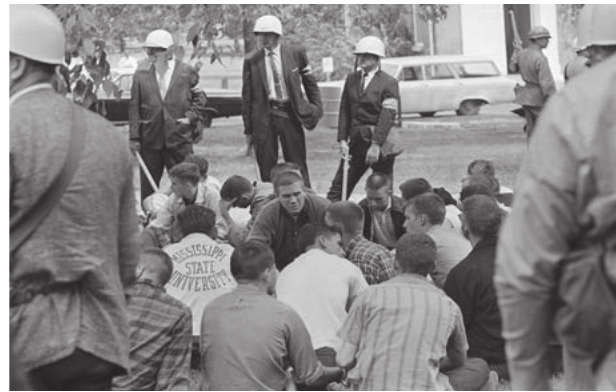
Historians criticise the Kennedy administration for failing to recognise the core racism corrupting American society and the latent political power of the civil rights movement. Two deaths and over 400 incidents of violence occurred at the University of Mississippi (Ole Miss) before the Kennedy administration responded and ended the conflicts occurring on campus.
Federal response and significance
Attorney-General Robert Kennedy's response to send in federal troops was met with resistance from state authorities. This highlighted the tension between federal and state power in enforcing civil rights. The Freedom Rides demonstrated the courage of civil rights activists and the depth of violent resistance they faced. They also revealed the reluctance of the federal government to intervene decisively in civil rights matters, even when faced with extreme violence.
"I Have a Dream": The March on Washington (1963)
Planning and organisation
The Southern Christian Leadership Conference (SCLC), the influential activist A Philip Randolph, and Dr Martin Luther King Jr planned a united and strategic public rally and march to provoke strong support in Congress for the Democratic administration's proposed civil rights Bills. This occurred despite President Kennedy's initial resistance to the mass public protest.
Kennedy had announced a Bill promoting federal government desegregation of schools, anti-discrimination programmes, bans on federal funding to organisations that continued discriminatory practices, and the establishment of the Equal Employment Opportunity Commission. Dr King, the SCLC, the NAACP, CORE, the SNCC, and the National Urban League worked together to stage the protest march.
Preparations and concerns
The threat of violence and mass rioting seemed inevitable given the historic context. J Edgar Hoover, then head of the FBI, attempted to sabotage and resist the public action, warning the Kennedy administration of an imminent threat. The FBI launched a brutal covert character assassination campaign against Dr King, whilst police were trained in riot control and 4,000 Army troops and 15,000 paratroopers were on standby ready for mass public disorder.
Note
Despite these concerns, the media coverage of the event was broadcast around the world via one of President Kennedy's successful satellite programmes. Public support from celebrities including Bob Dylan, Joan Baez, Marlon Brando, Sidney Poitier, and Charlton Heston created a significant cultural moment. Their support was influential in combining the cultural arts movements with civil rights advocacy.
The event and Dr King's speech
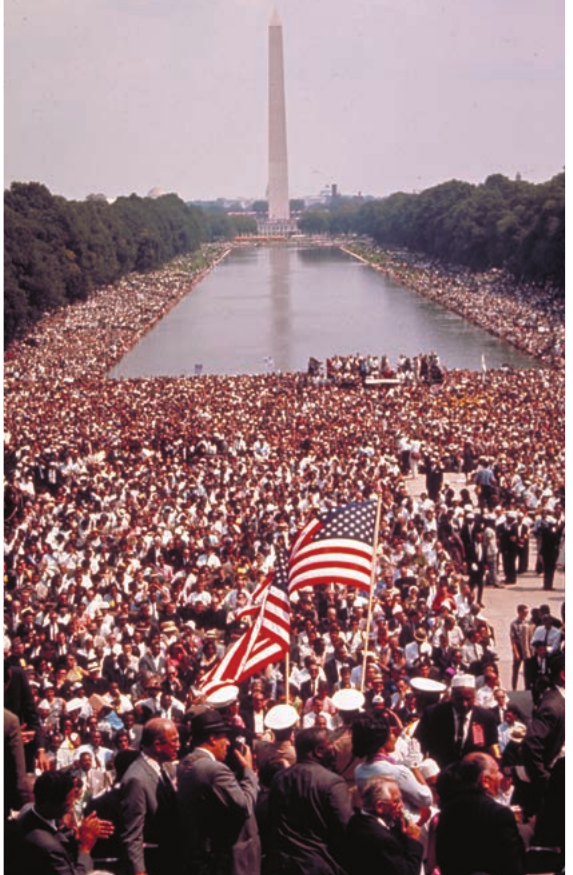
The speeches were held on 28 August 1963, the 100th anniversary of the Emancipation Declaration, aptly at the Lincoln Memorial. The event paid tribute to Rosa Parks and protested for employment and equal economic and political rights. Over 200,000 people gathered at the Lincoln Memorial to hear the speeches.
Dr King's famous and eloquent "I Have a Dream" speech captured the historical significance and power of the event. The crowd was transfixed by the events. Dr King presented an alternative narrative of American equality to the public, using the language of Abraham Lincoln to inspire global support and universal commitment to civil rights.
The speech referenced the American Declaration of Independence and America's preoccupation with Manifest Destiny, challenging the discourse of oppression. Dr King spoke of Southern discrimination and used references to slavery and freedom. The speech defined the dream of all Black Americans and used overtly Christian imagery to present the plurality of the vision. Key elements included:
- A call for citizenship rights for "coloured citizens"
- Recognition of those who had suffered persecution and police brutality
- The dream that America would live out the true meaning of its creed
- The vision of former slaves and slave owners sitting together in brotherhood
- The hope that children would be judged by character rather than skin colour
- The dream of black and white children joining hands as brothers and sisters
Historical significance
Important
The symbolic significance of this event, conducted peacefully without violence, was a critical moment in civil rights history. It happened at a time when the movement was starting to fragment, with the rise of Black Power and the militarism promoted by groups like the Black Brotherhood and Malcolm X.
Despite President Kennedy's initial opposition to the march, its peaceful character restored support for his civil rights push. The march made heroes of both President Kennedy and Dr King, who were both tragically assassinated within five years of each other. The peaceful nature of the event demonstrated that mass protests could be organised without violence, countering fears and stereotypes. It also showed the broad, diverse support for civil rights across racial and religious lines.
The Mississippi Freedom Summer (1964)
The voter registration campaign
Black Americans lacked the political franchise to vote, as they were frequently banned and physically intimidated when they attempted to register on the electoral roll. In the US system, the electoral or voter's roll enables citizens to elect local, state, and federal officials. Inaccessibility to the electoral roll had defeated the gains won by Lincoln's Emancipation Act and had prevented changes to American society and politics for over 100 years.
The voter registration movement was initiated by the SNCC when black and white activists joined together to travel into Southern states to enable voter registration for black communities. This Freedom Summer of 1964 aimed to register black voters and establish Freedom Schools to educate communities about their rights.
Violence and resistance
Important
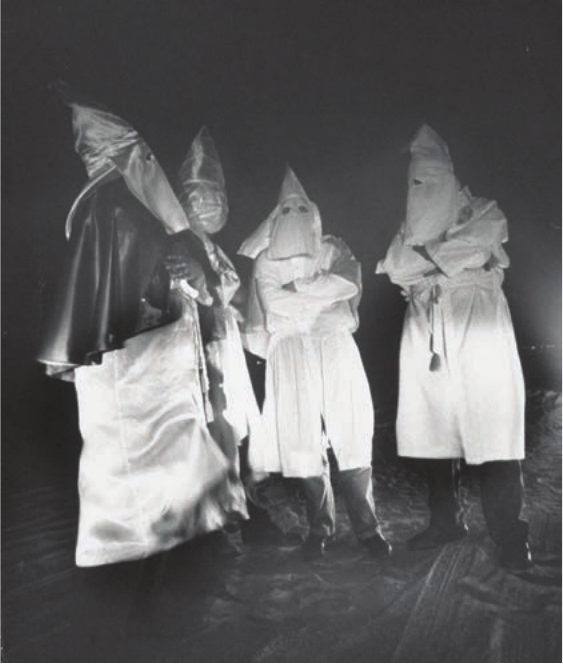
The Freedom Summer resulted in extreme violence: over 35 shootings, 15 murders, and 1,000 arrests for civil disobedience. The Ku Klux Klan was deeply involved in this violent resistance, often with the complicity of local law enforcement.
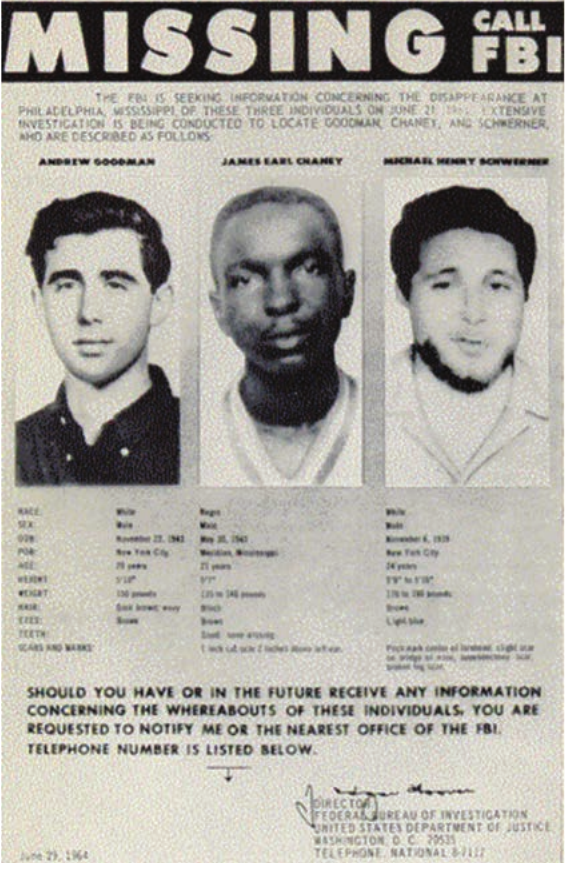
The murders of Goodman, Chaney, and Schwerner
The most notorious incident occurred in Mississippi when three young voter registration workers were brutally murdered on 21 June 1964:
- Andrew Goodman - a young white activist and new recruit
- James Earl Chaney - a black civil rights worker
- Michael Henry Schwerner - a white civil rights organiser
Schwerner and Chaney had been organising campaigns for voter education and registration, attempting to establish a Freedom School in the church of Mount Zion, Longdale. On 16 June 1964, the Klan attacked church members and destroyed the church with arson. Schwerner and Chaney were away in Ohio at the time, which foiled the Klan's initial plans.
Note
Following news of the burning of the Freedom School, Schwerner, Chaney, and Goodman returned to Mississippi to investigate the destruction. On 21 June, the Neshoba Deputy Sheriff Cecil Price intercepted these CORE members and arrested them on suspicion of arson. They were held in a Philadelphia jail until the Klan had time to organise an attack.
At 10 pm on 21 June, the three men were released from jail and were ambushed by at least 31 Klansmen under the direction of Klan organiser Edgar Ray Killen. The three men were forced off the road at a remote property. Schwerner and Goodman (who were white) were executed with shots to the head. Chaney (who was black) was tortured and violently beaten for hours before being killed. All three bodies were hidden in a dam on a Klan member's property.
Legal proceedings
The case went unsolved for over three years. Eventually, the FBI gathered evidence that led to prosecution of the perpetrators, including the Neshoba County Deputy Sheriff Cecil Price. However, the trial could only be carried out by federal authorities on the grounds that such actions defied the civil rights of these three men. This was significant because the Civil Rights Act made law during Lyndon B Johnson's presidency had determined that civil rights were universal to all.
The FBI indicted 18 men for these actions. The all-white jury found seven men guilty and acquitted five men. Those acquitted included one of the Klan's key organisers, Edgar Ray Killen. However, importantly, the Grand Imperial Wizard of the Klan, Sam Bowers, was convicted.
Important
The trial judge, according to evidence, stated: "They killed one nigger, one Jew and one white man. I gave them what I thought they deserved". These perpetrators served only 3-10 years for their crimes. This statement reveals the persistent racism even within the legal system that was supposed to deliver justice.
As a result of public interest in these events, in 2005 Edgar Ray Killen was tried for multiple counts of manslaughter and received three consecutive 20-year sentences, overturning his earlier acquittal.
Results for voting rights
The Freedom Summer and the horrific deaths created political momentum for increasing voter registration amongst Black Americans. In Mississippi, this resulted in the establishment of the Mississippi Freedom Democratic Party to represent Black Americans politically.
However, each state remained a battleground. In Alabama and some other states, resistance to enfranchisement of the black community continued. Despite the residents of Selma, Alabama, being mostly Black Americans, only 3 per cent were enrolled to vote by 1964.
Note
Following two more horrific deaths of civil rights workers in Selma, Dr King and the SCLC led a march from Selma to Montgomery. This march was ruthlessly attacked by police, who resorted to tear gas and batons against civilians. The media broadcast horrendous images of marchers under direct physical attack, then retreating into a church for shelter.
The activists organised another protest on 10 March, which commenced with 300 people but swelled to include over 50,000 protesters. Such a strong political message activated President Johnson to push Congress to approve the Voting Rights Act 1965. This Act resulted in improved access to voting, with numbers of registered and eligible voters increasing by 50 per cent in the Southern states from 1965 to 1975.
Remember!
Summary
Key Points to Remember:
-
Emmett Till's murder (1955) and his mother Mamie's decision to hold an open-casket funeral galvanised public opinion and exposed the brutal reality of racial violence in America.
-
The Montgomery Bus Boycott (1955-1956), sparked by Rosa Parks' act of civil disobedience, demonstrated that sustained economic pressure through non-violent protest could achieve desegregation and became a model for future civil rights campaigns.
-
The March on Washington (1963) brought together over 200,000 people and featured Dr Martin Luther King Jr's iconic "I Have a Dream" speech, creating a powerful symbol of unity and putting pressure on the federal government to act on civil rights.
-
The Freedom Summer (1964) voter registration campaign, despite facing extreme violence including the murders of Goodman, Chaney, and Schwerner, ultimately led to the Voting Rights Act 1965 and dramatically increased black political participation.