Political and Social Conditions in China at the Start of the Period (HSC SSCE Modern History): Revision Notes
📚Revision Notes
Political and Social Conditions in China at the Start of the Period
The legacy of the 1949 revolution
Establishing the new government
In October 1949, after the Communist victory in the civil war, Mao Zedong declared that "China has stood up". The new People's Republic of China (PRC) needed a government structure. The Chinese Communist Party (CCP) created the Chinese People's Political Consultative Conference, an invitation-only body that elected Mao as Chairman of both the PRC and the CCP. This made him the most powerful person in China.
The top leadership positions were:
- Chairman of PRC and CCP: Mao Zedong
- Vice-Chairman: Liu Shaoqi
- Premier: Zhou Enlai
Note
The political structure had three parallel branches that together formed the foundation of Communist China's government:
- The government (state apparatus)
- The Party (CCP)
- The People's Liberation Army (PLA)
The CCP dominated all three branches. While minor parties like left-wing Guomindang members participated, they had little real influence. Elections were indirect - people voted for representatives who then voted for the next level up. Whoever controlled the Party controlled the entire country.
Key term: People's Republic of China (PRC) - the official name of Communist China since 1949.
Land reform and the peasantry
The peasantry had been crucial to the CCP's civil war victory. As the PLA liberated towns and villages, peasants began seizing landlords' lands and punishing them. This reversal of the traditional order was called fanshen (literally 'turn the body over').
The new government organised this process through village associations that redistributed land and dealt with landlords. Up to half of China's farmland changed hands. Landlords faced 'speak bitterness' meetings where peasants publicly aired their grievances. Depending on local feelings, landlords might be:
- Humiliated and given menial work
- Executed (particularly after the Korean War increased fears of counter-revolutionaries)
Key terms:
- Fanshen - a reversal of the previous order; peasants now persecuted landlords
- Speak bitterness - the policy of peasants criticising former landlords after liberation
- Counter-revolutionary - a derogatory term for any communist who did not agree with the Party line
The government wanted to advance socialism beyond individual land ownership. It encouraged peasants to form:
- Mutual aid teams (around 10 families) - short-term cooperation for harvests
- Cooperatives (20+ families) - pooled resources whilst maintaining private ownership
- Collectives (100-200 households) - larger groups with shared ownership
Important
Peasants resisted collectives because they had waited years for land ownership and did not want to give up personal control and direct benefit from their labour. This tension between individual ownership and collective agriculture would become a recurring problem throughout Mao's rule.
Women's rights and the Marriage Law of 1950
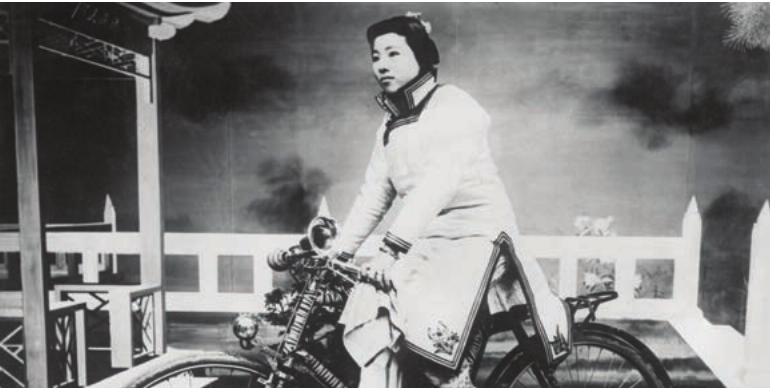
Mao appealed to women by stating they "held up half the sky". On 1 May 1950, the Marriage Law was enacted, legally freeing women from traditional oppression. The key provisions were:
- Free choice of marriage partners
- Polygamy and concubinage banned
- Equal rights and property ownership for both sexes
- Minimum marriage age of 18 for women
- Bride payments prohibited
- Free choice of employment for women
- Widows free to remarry
- Easier divorce procedures
- Prostitution banned
- Foot binding banned
- Infanticide (particularly of female babies) prohibited
Note
Educated urban women embraced these changes more quickly than peasant girls in villages, where family clans remained influential. Peasants had fought for land more than for gender equality, showing the different priorities between urban and rural populations.
The Korean War and its effects
After World War II ended, Korea was divided at the 38th Parallel between Soviet-backed North Korea and US-backed South Korea. On 25 June 1950, North Korea invaded the South. The United States, with UN approval and 15 other countries (including Australia), led a counter-attack.
As US-led forces approached the Yalu River (China's border), Mao feared a US invasion of China. He sent 1,200,000 PLA "volunteers" under General Peng Dehuai to push back the advance. Initially, Chinese numbers overwhelmed the UN forces, but superior US technology and equipment eventually halted them. The war was extremely costly - China suffered an estimated 900,000 casualties, including Mao's son, Mao Anying.
The war stalemated at the 38th Parallel. After Stalin's death and US threats to continue fighting, an armistice was signed in 1953.
Important
Effects of the Korean War had a dual impact on China:
Positive for the CCP:
- The war was portrayed as a victory - China had held off the United States and its allies
- This united Chinese people behind the new regime through patriotism
- After a century of humiliating defeats by foreign powers, China had proven itself
Negative effects:
- Cooperation between China and the United States vanished
- The US became Taiwan's protector and refused to recognise the PRC
- Fearing US-sponsored invasion from Taiwan, the Chinese government became more repressive in hunting counter-revolutionaries
This dual effect shows how external conflict can strengthen a regime domestically while isolating it internationally.
The San Fan and Wu Fan campaigns
The Korean War increased paranoia about US-sponsored subversion. This triggered internal purges.
San Fan (Three Antis) 1951
Mao launched a campaign against:
- Graft (corruption)
- Waste
- Bureaucracy
This campaign targeted anyone with:
- Former connections to Western institutions
- "Unsuitable" backgrounds
- Perceived resistance to change
Important
Those accused faced Mass Struggle and Self-Criticism sessions. Many received quick trials and execution based on the flimsiest evidence. Tens of thousands died. This campaign extended Mao's 1940s Rectification Campaign and paralleled McCarthyism in the United States - showing how fear and paranoia can lead to witch hunts in both communist and capitalist societies.
Key term: San Fan - the Three Antis (graft, waste, bureaucracy)
Wu Fan (Five Antis) 1952
In 1952, the campaign expanded to target:
- Bribery
- Tax evasion
- Theft of state property
- Cheating on government contracts
- Stealing economic information (industrial espionage)
This far-reaching campaign ruined many innocent lives in its search for scapegoats.
Key term: Wu Fan - the Five Antis (bribery, tax evasion, theft from the state, cheating on government contracts, industrial espionage)
The first five-year plan
Following Stalin's Soviet model, Mao introduced a five-year plan with set targets for economic and industrial growth. The plan emphasised heavy industry, particularly steel production, to:
- Drive industrialisation
- Advance the Chinese economy
- Increase China's power
- Help repay Russian loans
Note
The first five-year plan was generally successful. Steel production rose from 1.3 million tonnes in 1952 to 5.2 million in 1957, exceeding the target of 4.7 million tonnes. However, Mao was impatient for even greater growth - a characteristic that would lead to disaster in the Great Leap Forward.
One Hundred Flowers campaign
After the first five-year plan's success and the suppression of many intellectuals, Mao believed controls could be relaxed. He drew on the classic expression "One Hundred Flowers" to encourage open discussion. He wanted to avoid situations like the 1956 Hungarian revolt against Soviet control and to distance China from Khrushchev's denunciation of Stalin.
When criticism of the Party and even Mao himself became widespread, there was a swift crackdown. Those who had spoken up were persecuted in what became known as the Anti-Rightist Campaign.
Important
The Anti-Rightist Campaign had critical consequences. People learned that criticising Mao or the Party was dangerous. This fear of speaking up would prove disastrous during the Great Leap Forward, when no one dared tell the truth about failing harvests and widespread starvation. The suppression of honest feedback created an environment where catastrophic policies could not be challenged.
The Great Leap Forward
Despite the first five-year plan exceeding most targets, Mao was impatient. Rather than continuing to follow the Soviet model, he decided to use China's greatest asset - its massive population. The second five-year plan became known as the Great Leap Forward.
Unfortunately, Mao's previous crackdowns meant people were afraid to speak truth about the failures of this campaign. This led to a catastrophic famine.
Communes
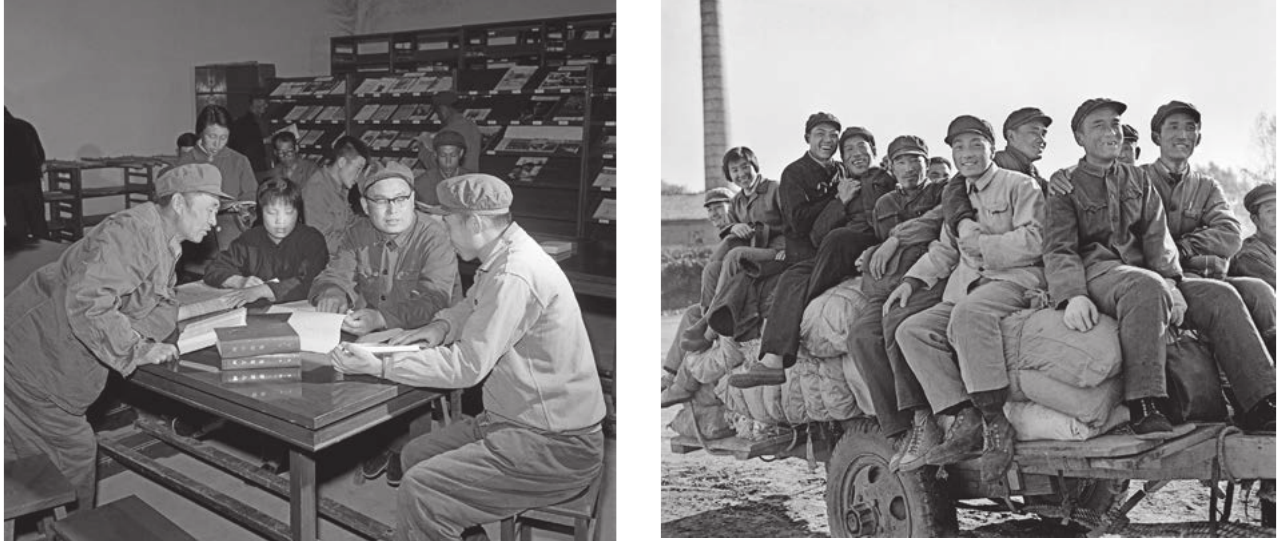
A key feature of the Great Leap Forward was moving peasants from cooperatives (often involving a whole village) to even larger communes. Communes could include as many as 5,000 families, organised as follows:
- 12 families = 1 "work team"
- 12 work teams = 1 "brigade"
- Multiple brigades = 1 commune
Party-appointed officials called cadres administered the communes.
In August 1958, Mao encountered the term "renmin gongshe" (people's communes) in documents and became delighted with it. A news agency reported his approval, and soon his enthusiasm became a national directive. By the end of 1958, over 26,000 communes were operating.
Key terms:
- Communes - amalgamation of collectives, often involving several villages
- Cadres - CCP-appointed officials
Taking inspiration from the Red Army's communal life, Mao encouraged:
- Communal kitchens to free workers for fieldwork
- Communal dormitories (segregated by sex) in some communes
The iron rice bowl problem
The first problem with communes was the tiefanwan or "iron rice bowl" (the rice bowl cannot be broken) - a guarantee of employment and wages. Everyone shared the commune's output regardless of individual work completed. This created a lack of incentive to work hard, since extra effort brought no personal benefit. While initial enthusiasm masked this problem, it eventually became a serious concern.
Key term: Tiefanwan (iron rice bowl) - guaranteed employment and wages; everyone shared the commune's output regardless of individual contribution
Problems with the Great Leap Forward
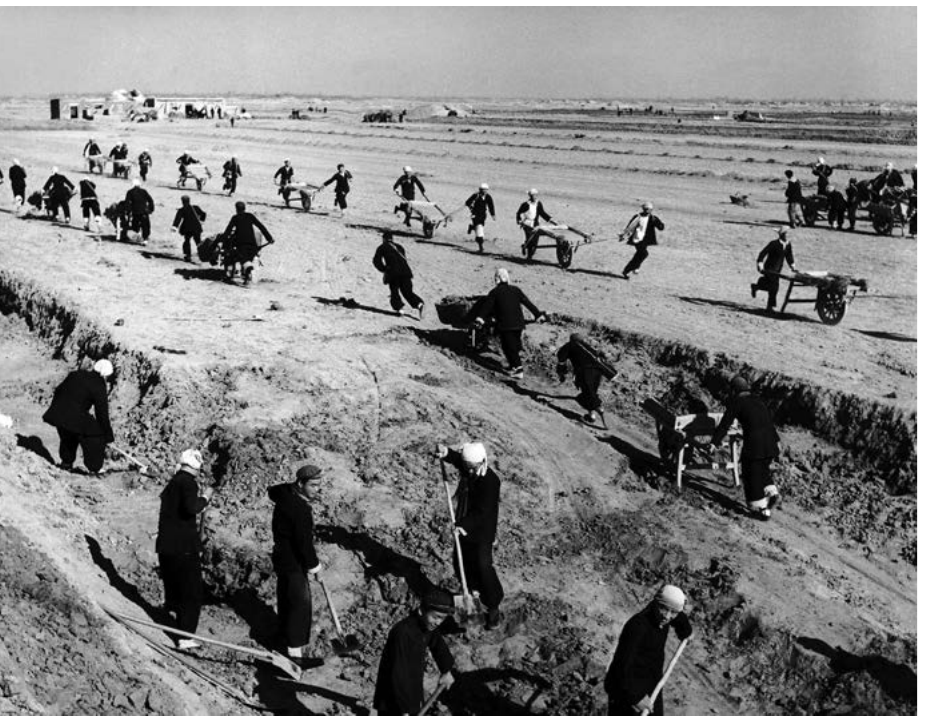
The Great Leap Forward drew farmers away from fields to work on large communal projects like dams and roads. These projects:
- Took able-bodied workers far from home
- Removed workers during crucial sowing and harvesting seasons
- Led to crops not being properly maintained or harvested
Important
Party cadres set agricultural policy, ignoring the wisdom peasants had built up over thousands of years. Examples of disastrous decisions:
- Dumping all fertiliser in pits rather than spreading it (which burnt crop roots)
- Planting crops closer together than traditional practice (which reduced yields)
- Creating propaganda photos with fake bumper harvests
With everyone afraid to speak up after the Anti-Rightist Campaign, these failures went unreported and disaster was inevitable.
Problems with steel production
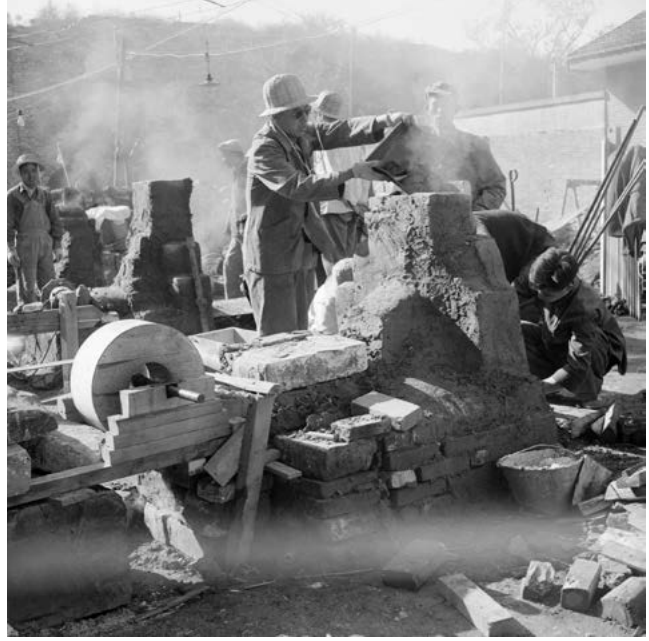
Both rural and urban populations were told to set up backyard steel furnaces. The idea was to:
- Decentralise steel-making
- Reduce reliance on expensive steel foundries
- Use China's huge population to match British steel output
- Create bombs to use against Taiwan
Important
The problems were severe:
- Backyard furnaces could not achieve high enough temperatures
- The metal fed into them was low quality
- The "steel" produced was decidedly inferior and largely useless
- Local Party cadres substituted commercial steel when dignitaries visited
- Agricultural tools needed for farming were melted down
- Vehicles, weapons and tractors made from this steel were unreliable and often broke down
This demonstrates how ideological enthusiasm without technical knowledge can waste resources and worsen rather than improve a nation's industrial capacity.
Problems with crops and famine
By 1959, harvests were insufficient because:
- Experimental agricultural methods had failed
- Farmers were absent from their fields working on projects
- Poor weather conditions
- Government requisitioning (taxes) was based on falsified figures
Note
Mao only learned the truth on his second visit to his hometown of Shaoshan, when local peasants finally told him the "bumper harvests" did not exist and people were starving. Despite this knowledge, the state continued taking an increasing percentage of harvests through taxes and compulsory purchases.
| Year | Percentage of harvest taken by state |
|---|---|
| 1957 | 17.4% |
| 1958 | 20.9% |
| 1959 | 28% |
| 1960 | 21.5% |
While 1960 was the worst harvest year, the government still took a damaging percentage and even continued exporting grain. Only in 1961 did the government finally import grain.
Tensions between Mao and the CCP
The Lushan Conference
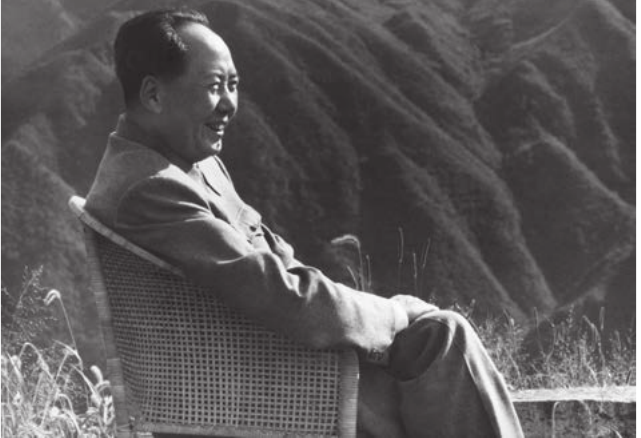
Lushan (the Lu Mountains) is a mountain resort in Jiangxi Province. Mao chose this location for the Plenum of the CCP Politburo - the showdown over the Great Leap Forward's failures. The CCP was now aware of the extent of the disaster and wanted to assign blame.
Mao tried to set a positive tone, but as the Plenum broke into regional discussion groups, complaints emerged. On the eighth day, Mao warned leaders to remember the gains made and stop criticising.
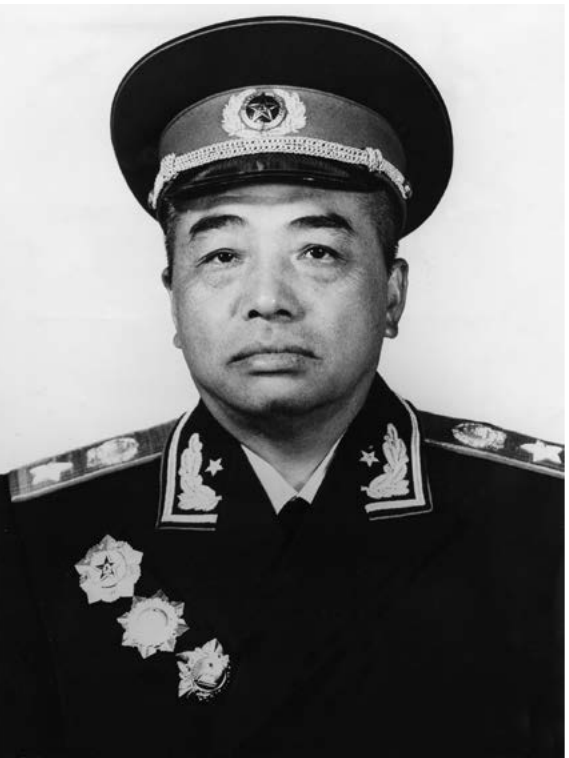
On 14 July 1959, Peng Dehuai delivered a handwritten note to Mao. It began with acknowledging positives of the Great Leap Forward but concluded with criticisms. Though he did not directly blame Mao, it was a brave act from this straight-talking soldier of peasant background.
Note
Mao argued the problems were 70% natural causes (floods and drought) and 30% human causes. Peng argued the reverse. When some members agreed with Peng, Mao threatened the Standing Committee, stating he would go to the peasants and establish a new revolutionary party if not supported. They chose to back Mao and abandoned Peng.
The consequences of the Great Leap Forward
State newspapers did not report the starvation and deaths resulting from the Great Leap Forward. Many citizens and overseas journalists remained unaware of the tragedies. The disasters were not officially recognised until after Mao's death.
Important
Estimating the death toll is difficult:
- Initial estimates: 30 million deaths
- Chinese demographers estimate: 38 million deaths
- Some historians estimate: as high as 45 million deaths
When discussing the Great Leap Forward in essays, always mention the massive death toll and the fact that it was covered up at the time. This demonstrates the authoritarian nature of Mao's regime and the consequences of suppressing criticism.
Lushan aftermath and power shift
Mao did not have everything his own way. The moderates in the Party forced him to resign his chairmanship of the country, though he retained chairmanship of the CCP. The new Chairman of the PRC was Liu Shaoqi, with Deng Xiaoping serving as his deputy. Mao had given up day-to-day power, and the Party became deaf to his programmes, but his reputation among the Chinese people remained intact.
Mao retained important allies:
- His wife, Jiang Qing, rushed to Lushan to defend him
- Lin Biao became the most vocal critic of Peng Dehuai
Note
This combination of allies would prove vital for the upcoming Cultural Revolution. From 1959 to 1966, Mao worked relentlessly to regain his dominance. This period of diminished power and his determination to return to absolute authority set the stage for the radical policies of the Cultural Revolution.
Sino-Soviet relations
Relations between China and the Soviet Union became increasingly strained despite initial cooperation. While Stalin had sent supplies to Yan'an and handed Manchuria to the CCP in 1945, and the Soviet Union sent experts to help develop China (for a price), tensions emerged over:
- Brief border clashes between the two nations
- Soviet support for India in border disputes with China
- Soviet criticism of China's shelling of Taiwan-held islands
- Khrushchev's denunciation of Stalin (with whom Mao identified)
- Khrushchev's criticisms of the Great Leap Forward
- The Soviet Union's policy of détente (improving relations) with the West
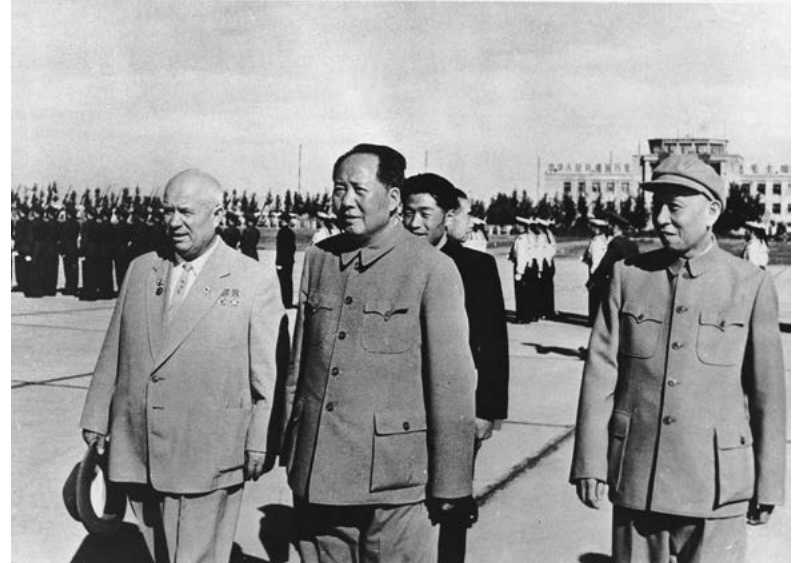
In August 1960, the Soviet Union withdrew its technical experts, forcing China to complete major industrial and infrastructure projects independently - which it managed to do, though with difficulty.
Important
The Sino-Soviet split is important because it left China increasingly isolated internationally. This isolation contributed to Mao's paranoia about "revisionism" and foreign influence, which fuelled the Cultural Revolution. Without Soviet support and with hostile relations with the United States, China became more radical and self-reliant in its policies.
Remember!
Summary
Key Points to Remember:
- After the 1949 revolution, Mao established a government with three parallel branches (Party, State, PLA), all controlled by the CCP
- Land reform through fanshen reversed the traditional order, with peasants seizing landlords' property; the Marriage Law of 1950 gave women legal equality
- The Korean War united Chinese people behind the regime but increased repression and led to the San Fan and Wu Fan purges
- The first five-year plan succeeded, but Mao's impatience led to the disastrous Great Leap Forward (1958-61)
- The Great Leap Forward's communes, backyard steel furnaces, and agricultural experiments failed catastrophically, causing a famine that killed an estimated 30-45 million people - though this was covered up at the time
- At the 1959 Lushan Conference, Peng Dehuai criticised the Great Leap Forward; Mao forced the Party to back him but had to resign as Chairman of the PRC (though keeping Party leadership)
- From 1959-1966, power shifted to Liu Shaoqi and Deng Xiaoping whilst Mao worked to regain control, setting the stage for the Cultural Revolution