The Cultural Revolution (HSC SSCE Modern History): Revision Notes
📚Revision Notes
The Cultural Revolution
Background: the aftermath of Lushan
Following the Lushan Conference, Mao did not have complete control. The moderates in the Chinese Communist Party (CCP) managed to have Mao resign his chairmanship of the country, although he retained the chairmanship of the CCP. The new Chairman was Liu Shaoqi, with Deng Xiaoping serving as his deputy. Mao had given up day-to-day power, and the Party became deaf to his programmes, but his reputation among the people of China remained intact.
Note
Despite losing his position as Chairman of the country, Mao retained significant influence through his chairmanship of the CCP and his reputation among the Chinese people. This period of reduced power would drive his determination to launch the Cultural Revolution.
However, Mao retained some important allies. His estranged wife, Jiang Qing, rushed to Lushan to defend him when criticisms were being levelled against him. Lin Biao also arrived late and became the most vocal critic of Peng Dehuai. This combination of allies proved vital for the upcoming Cultural Revolution. From 1959 to 1966, Mao worked relentlessly to regain his dominance.
Sino-Soviet relations
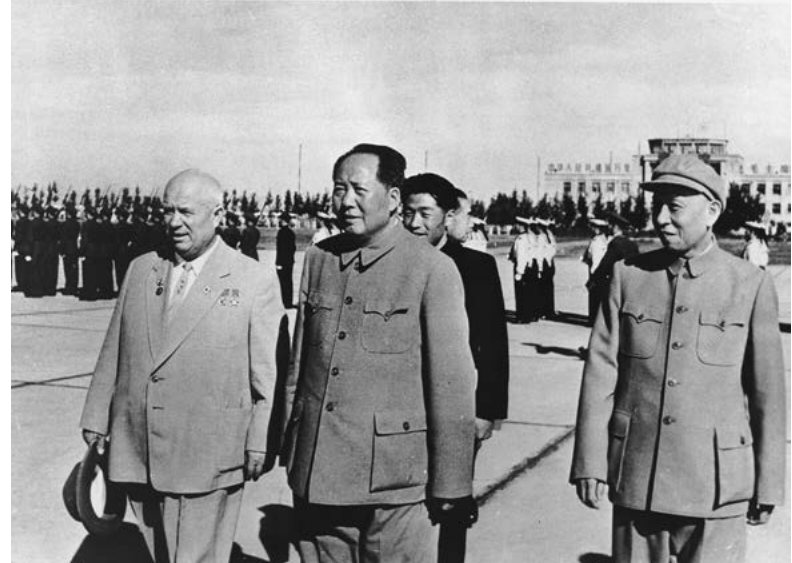
Relations between China and the Soviet Union became increasingly strained during this period due to several factors:
- Brief clashes over disputed borders between the two nations
- The Soviet Union supporting India in its border clashes with China
- Soviet criticism of China's shelling of two Taiwan-held islands
- Krushchev's denunciation of the late Stalin, with whom Mao identified
- Krushchev's criticisms of the Great Leap Forward
- The Soviet Union's softening approach to the West
In August 1960, the Soviet Union withdrew its 'experts', forcing China to complete major works independently.
Origins: Wu Han's play
The deputy mayor of Beijing, Wu Han, wrote a play called 'The Dismissal of Hai Rui'. It was based on the story of a Qing minister, Hai Rui, who was dismissed from office and arrested for being critical of the emperor, Jiaqing. While in jail, Hai Rui was served an excellent meal, which he assumed would be his last. The jailer informed him that the meal was due to the death of the emperor and that Hai Rui could expect to be released soon. Hai Rui rejected the meal and went into mourning for the emperor.
Mao went to see this play in the early 1960s and enjoyed it, particularly because of Hai Rui's continued loyalty to the emperor. Mao may have seen himself as an emperor, but he had no idea that the play really referred to his dismissal of Minister for Defence, Peng Dehuai.
Important
China has a long tradition of using allegory to make political criticisms and help playwrights escape punishment. Perhaps Mao's ego did not allow him to see the point. However, others did see the play as a criticism and informed Mao.
Launching the Cultural Revolution
Mao used a crony to launch an attack on Wu Han's play, even though it had long ceased its short season of performance. Yao Wenyuan (soon to be a member of the Gang of Four) was chosen to write the attack on Wu Han in the Shanghai literary magazine, Wen Hui Bao. It was republished in Beijing publications.
Mao then called on the Five-Man Group of the Cultural Revolution, formed in 1964, to debate the article. Presenting the article as an academic debate were Peng Zhen, Mayor of Beijing and mentor of Wu Han, and Lu Dingyi, head of propaganda. Leading the attack was Mao's notorious henchman Kang Sheng (Head of State Security) who labelled the playwright as 'anti-Party' and 'anti-socialist'.
Mao allowed Peng to publish an intra-Party circular, the February Outline Report, stressing the committee's view that discussion of the play was to be on an academic basis. Peng Zhen had walked into Mao's trap from which would emerge the Wuchanjieji Wenhua Dageming – the Great Proletarian Cultural Revolution (the Cultural Revolution or GPCR).
Gang of Four: Term used to describe four radical politicians who came to prominence during the Cultural Revolution: Zhang Chunqiao, Yao Wenyuan, Wang Hongwen and Mao's wife Jiang Qing.
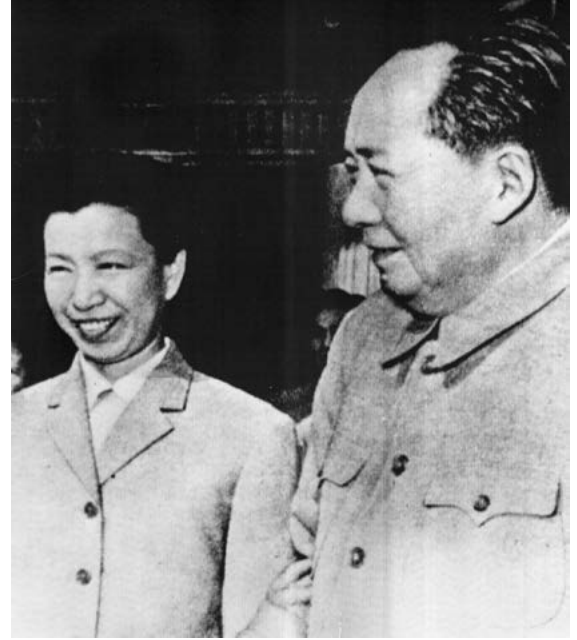
Mao asked the Politburo to abolish the Five-Man Group. In its stead, a new group – the Central Cultural Revolution Small Group – was formed with Chen Boda, Kang Sheng, Jiang Qing and other pro-Mao leftists. Jiang Qing was finally free of the restrictions which had kept her out of politics since her marriage to Mao in Yan'an. She revelled in her newly acquired status and her hypochondria of recent years vanished. Now she was free to seek revenge on those she felt had held her back or had treated her with contempt.
Mao's methods
Swimming the Yangzi River
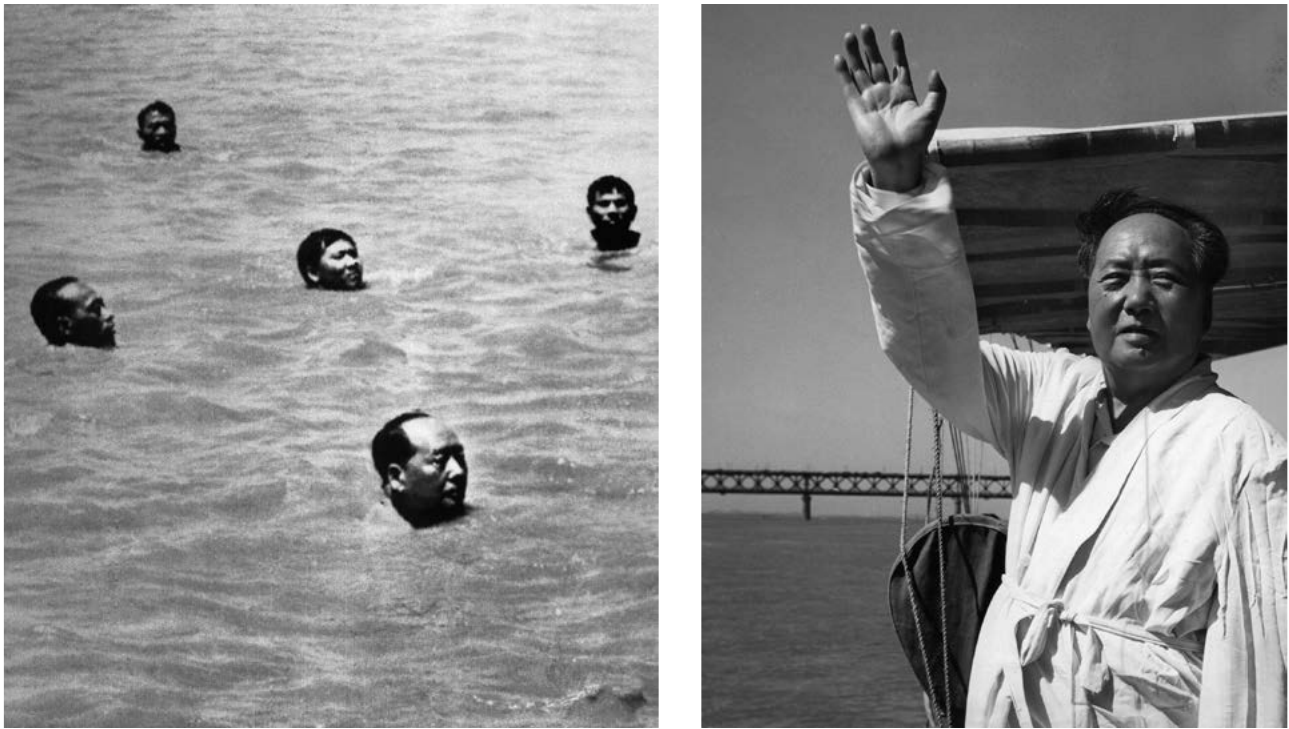
Mao loved to swim at every opportunity, but when he swam in the Yangzi River on 16 July 1966, he was making a political statement. Mao was announcing to China that he was still fit and determined enough to lead the country and to bring on the Cultural Revolution. Newspapers around the world featured Mao's large head and frame bobbing out of the water, acknowledging that they also knew the significance of the event. Chinese newspapers reported a swimming speed to beat all swimming records – which would be correct if one didn't allow for the fast current of the river.
Note
The swim in the Yangzi River was a carefully orchestrated piece of political theatre. At age 72, Mao used this public display of physical fitness to demonstrate his readiness to lead China into the Cultural Revolution, countering any perceptions that he was too old or weak to rule.
'Bombard the headquarters'
As he had done in Yan'an and with One Hundred Flowers, Mao turned on his Party. When his article 'Bombard the headquarters' appeared in August, he gave students the invitation to attack CCP cadres.
Bombard the headquarters: Mao's call to attack his own party and leaders in general.
Peng Zhen, who had tried to protect Wu Han, came under attack. Luo Ruiqing, who had been ousted by Lin Biao, was forced to make a self-criticism and later survived a fall from a building that may have been a suicide attempt. After that, he was unable to use his legs and was humiliatingly presented to rallies in a basket. Lu Dingyi, who had sided with Peng Zhen, was also forced to endure humiliation at rallies.
Important
The worst aspect of such vengeful tactics was that the families were often targeted too. This was a modern version of the imperial punishment to the third degree (punishment meted out to three generations).
Work teams and university chaos
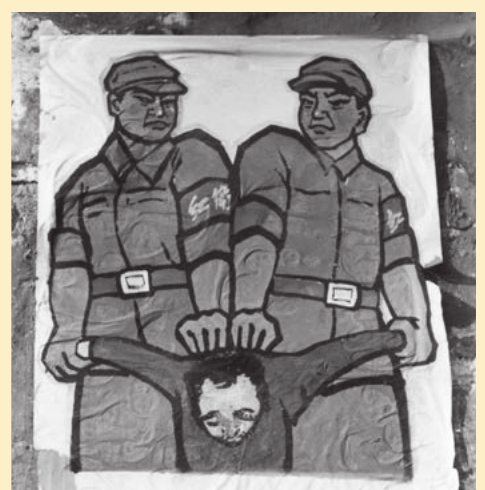
To try and rein in the growing chaos which was most obvious in the two key universities – Beijing University and Qinghua University – the moderates in the Party decided to use the tactic of sending in work teams to redirect or subdue the student agitations. Largely, the agitation had gone too far for these work teams to have much effect. By the time they arrived, the university students and radical teachers had removed or imprisoned the administration and the walls were littered with dazibao ('Big Character Posters').
Dazibao: 'Big Character Posters', designed to criticise a supposed enemy.
While such posters were supposedly free expression of student grievances and views, the hand of Mao was often behind their content. Leaders, such as Liu Shaoqi and Deng Xiaoping, must have seen that they would be next in the firing line. Ironically, many of the students rallying to 'defend' Mao were the children of cadres. Echoing Orwell's novel 1984, Mao was using his perceived enemies' own children against them.
The Red Guards
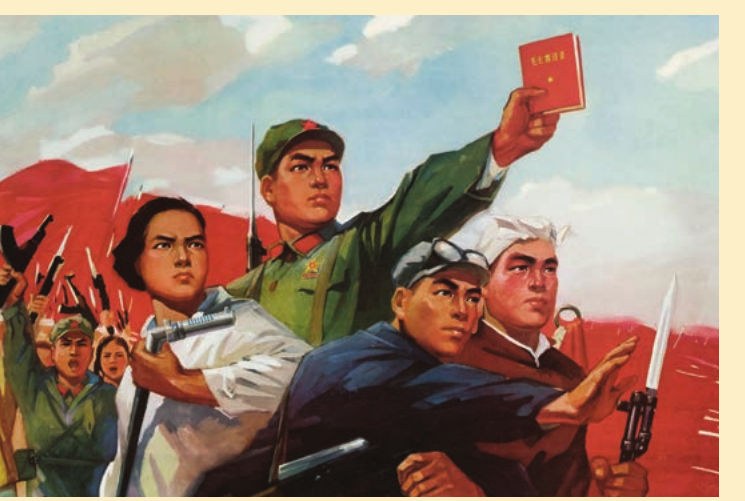
When Mao called on Chinese youth to defend him, the university students were first to respond. He justified their actions with the slogan 'To rebel is justified'. Then came the high school students. Later, workers were encouraged to join in.
Red Guards: Mao's 'Little Generals', whose devotion brought him back to power.
These coalescing groups picked up the name Hong Weibing ('Red Guards') and began wearing red armbands emblazoned with that name. To be a Red Guard, a person was required to be of suitable revolutionary background – the child of a Party official, peasant, worker or soldier.
The great rallies
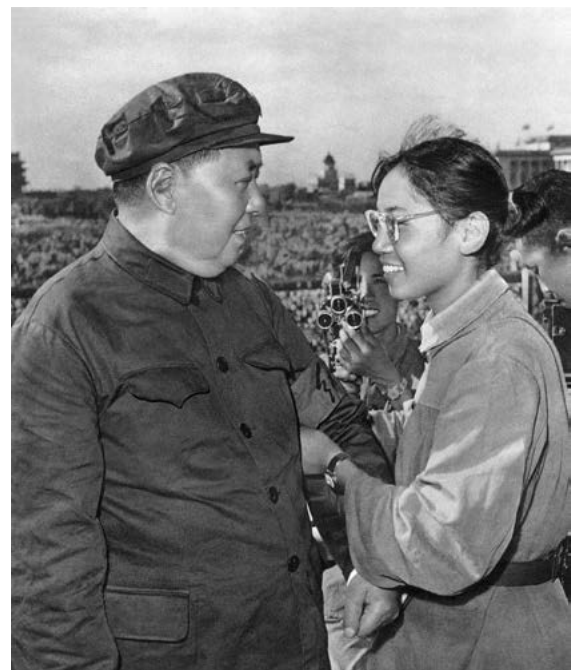
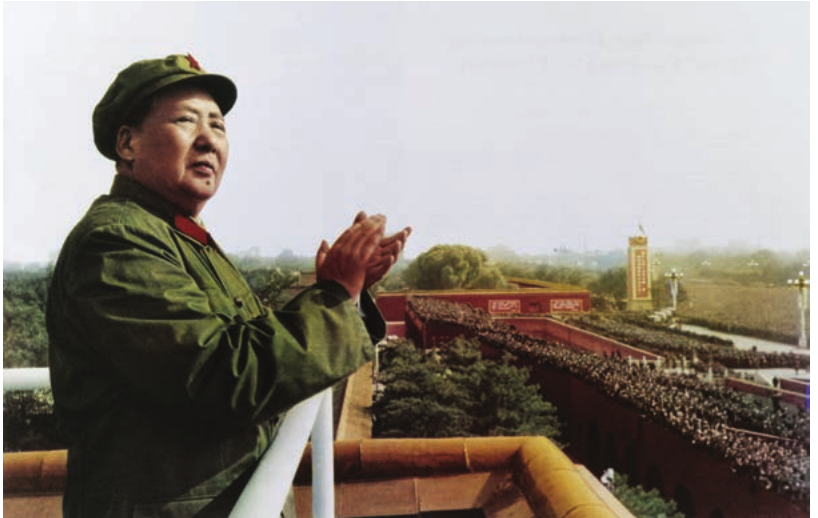
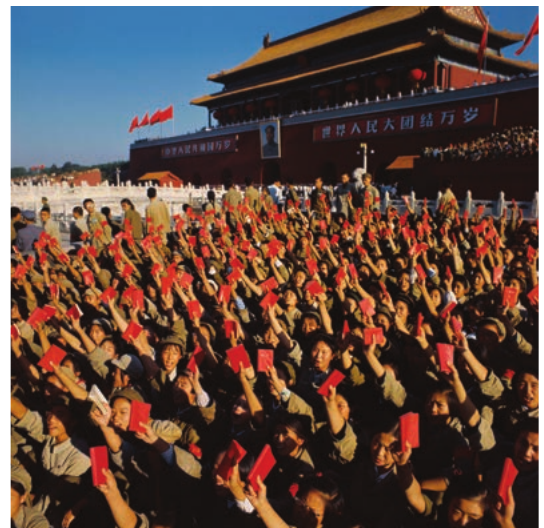
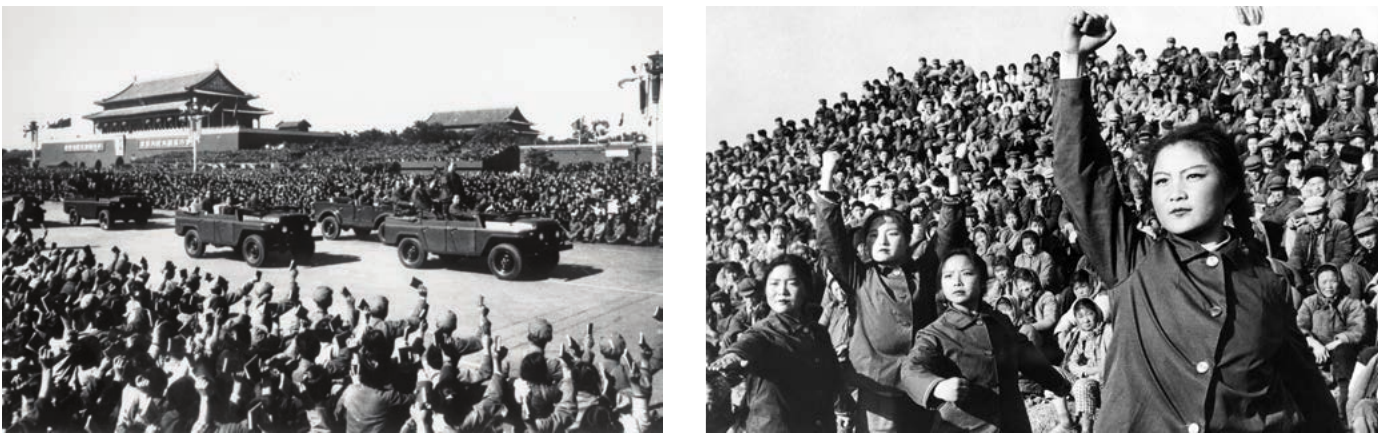
In August 1966, the first big rally of Red Guards was held in Mao's enlarged Tiananmen Square. There were about a million Red Guards from all over the country. They stood there for six hours, listening to speeches by Lin Biao and others. The highlight of the event was when some of the guards were personally presented to Mao. He received them in what was to become his typical outfit – his worn green military uniform. The Red Guards - men and women alike - saw this as a cue for them to dress in this nondescript and sexless manner.
Destruction of the Four Olds
In his address to the Red Guards, Lin Biao launched the attack on the Four Olds. These were: Old Ideas, Old Customs, Old Culture, Old Habits. With such a broad agenda, the Red Guards were empowered to attack almost any target they wished.
Four Olds: The concept of old ideas, old customs, old culture and old habits that Lin Biao first denounced at a Red Guard rally.
Note
The chaos and trauma of this time later inspired a whole genre of personal accounts by surviving victims, called 'scar literature' or 'literature of the wounded'. Jung Chang's book Wild Swans is the most famous of these accounts.
Link-ups
Such rallies became common for a while. They were called 'Link-ups'. Students armed with copies of Mao's Little Red Book would march to Beijing or travel there free on the trains. They would quote Mao, sing revolutionary songs or trade Mao badges for their collection. In Beijing, they were transported by the PLA to dormitories until it was time for them to assemble in Tiananmen Square. There, they endured long hours waiting for Mao's appearance, which was often so fleeting, or he was so far away, that many missed actually seeing the Great Helmsman.
Link-ups: Large-scale events where Red Guards travelled to Beijing to see Mao.
Great Helmsman: A nickname for Mao, as he steered the ship of state.
Attack on the Party elite
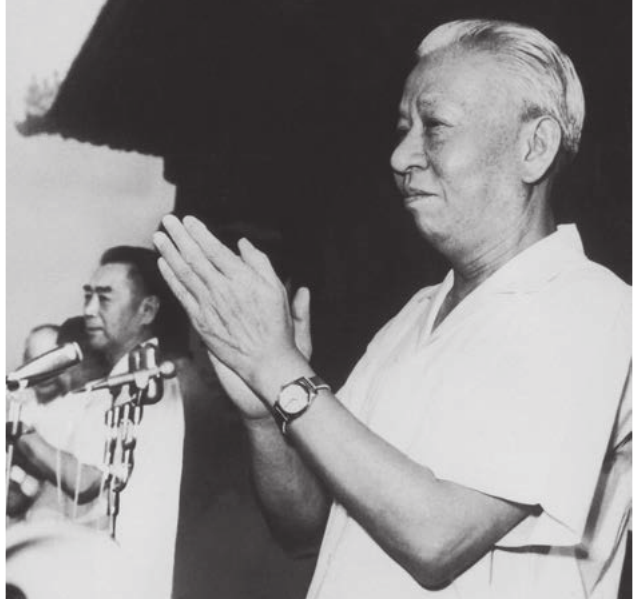
Mao had the men who had presided over China in his sights, but he did not rush to play his hand. He allowed Liu Shaoqi and Deng Xiaoping to try and use work teams to calm the students. They could not avoid appearing by Mao's side holding up his Little Red Book and wishing Mao a long life.
In 1967, the Red Guards turned on the Party elite at their headquarters in Zhongnanhai, located in the south-west corner of the Forbidden City. Among their targets were the famous generals Chen Yi, Liu Bocheng, and He Long. Spurred on by Jiang Qing, the Red Guards were keenest to punish Liu Shaoqi and Deng Xiaoping, whom Mao had publicly labelled as 'No. 1 and No. 2 Capitalist Roaders'.
No.1 and No. 2 Capitalist Roaders: Derogatory nicknames for Liu Shaoqi and Deng Xiaoping, respectively.
Initially, the Red Guards laid siege to the compound, but Zhou Enlai talked them out of entering the compound. At one stage, Liu and his wife, Wang Guangmei, were tricked into thinking their daughter, Ping, was seriously ill in the hospital. Wang Guangmei surrendered and was held by Red Guards at the entrance. Again, Zhou Enlai came to the rescue.
By July, the Zhongnanhai Compound was no longer a haven. Big Character Posters, attacking Liu Shaoqi in particular, now appeared inside the compound, obviously with Mao's permission. Mao and Lin Biao then conveniently left for a holiday in Hangzhou. Soon, the Red Guards were inside the compound. Zhou had used up his dwindling influence while the compound guards merely stood aside.
The fate of Liu Shaoqi and Deng Xiaoping
Liu and his wife, Wang Guangmei, were 'struggled', beaten and then isolated in their own home. Liu was deprived of his sleeping pills and medicine for his diabetes. The punishments continued. In October, Jiang Qing had Liu expelled from the Party. By then, he was barely able to move or speak. A year later, Lin Biao had him sent to Kaifeng City, where Liu died naked on a cold prison floor. Liu's eldest son was 'suicided' (killed) and his other children were exiled to remote areas.
Important
The brutal treatment of Liu Shaoqi and his family exemplified the extreme cruelty of the Cultural Revolution. Liu, who had served as Chairman of the People's Republic of China, died in appalling conditions, while his family members were either killed or exiled. This pattern of targeting entire families echoed the ancient imperial practice of 'punishment to the third degree'.
During a struggle session, Wang Guangmei was forced to wear a 'necklace' of ping-pong balls as a humiliation, mocking the pearl necklace she had worn on an official trip to Indonesia. Later, Wang Guangmei's name was on the top of a list prepared by Lin Biao for execution. Prior to signing it, Mao inexplicably removed her name.
Deng Xiaoping was to suffer similarly but was allowed to live. After three rounds of humiliation and beatings, Deng and his wife were sent to Nanchang, the capital of Jiangxi Province, where they were isolated in an old military compound and later made to work in a tractor repair shop. Their children were also sent to remote areas, except for their oldest son who survived a 'suicide' from a Beijing University building, only to become a paraplegic.
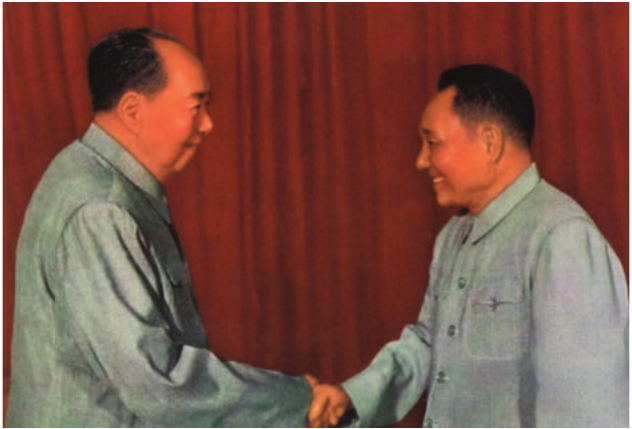
Mao, Jiang Qing, Lin Biao and Kang Sheng had, between them, gained revenge. Mao was restored to supreme command, and he continued to eliminate any opposing voices. As with the French Revolution and Stalin's Russia, the 'revolution had devoured its children'. Those comrades of the Jiangxi Soviet, the Long March, Yan'an and the civil war were insignificant compared to Mao's lust for power. The Red Guards had done their work well – and now it was time for Mao to dispense with them too.
Youth 'sent down' to the countryside
Now that Mao was in control, he did not want rampaging Red Guards and rebel Red Guards disturbing his plans to rebuild Chinese socialism. Already, in October 1967, the CCP had ordered classes to be resumed. However, many of these classes and students did little but study Mao Zedong Thought. The schools did not operate well as the best teachers had been killed, suicided or moved out. Discipline had been totally undermined. Finally, many Red Guards realised that once they were back in school, they would become unimportant again.
In July 1968, Mao organised 'Capital Mao Zedong Thought Work Propaganda Teams' (the same tactic that Liu was maligned for using) to enter Beijing campuses and encourage cooperation rather than conflict. At Qinghua University, in July, such a work team was attacked by Red Guards and five people were killed. Mao called the key Red Guard leaders to a meeting in the Great Hall of the People and told them bluntly that they were to stop their warfare, pointing out that he could send more workers or PLA than they could counter with students. The Red Guard movement was dealt a death blow. The PLA moved into the campuses and leading Red Guard gangs were dispersed elsewhere.
The sent down movement
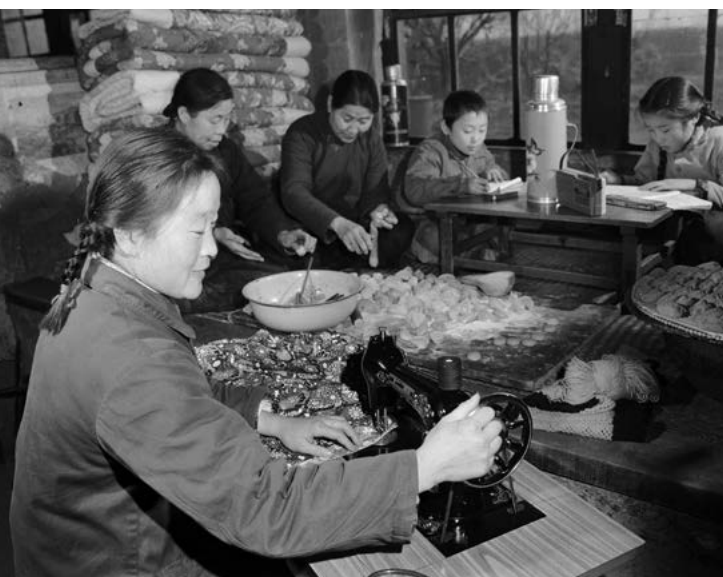
Under the pretext of having them learn from the peasants, these students were sent down to remote villages to learn the grassroots politics. While the Red Guards were prepared to have others suffer, they knew that at the end of each 'struggle session' they could go to their homes in the cities, often to comparative comfort. To forsake the conveniences of city life for a rustic lifestyle among uneducated and crude peasants was devastating, especially when there was no guarantee of ever returning. For the remainder of the Cultural Revolution, over 12 million urban youth were sent to the villages.
Sent down: Shangshan xiaxiang, young urban people were sent to villages to learn about grassroots politics; the term literally translates to 'up the hills and down to the villages'.
Note
The 'sent down' movement had a profound impact on an entire generation of Chinese youth. These urban students, many of whom had enthusiastically participated as Red Guards, found themselves exiled to rural areas with little hope of return. This experience shaped their worldview and would later influence China's development when many eventually returned to positions of influence.
Lin Biao and the cult of Mao
Lin Biao had been one of the Red Army's greatest generals in the civil war or 'War of Liberation', having won Manchuria for the CCP. Following his rise to Defence Minister after Peng Dehuai's dismissal, he realised that his rise was linked to Mao's restoration to power. He agreed with Mao that the PLA must be politically aware. He also removed the rank insignia on uniforms introduced by Peng. With the beginning of the Cultural Revolution, he started to remove defence officials loyal to Peng and replace them with his own cronies. This action later became a matter of concern to Mao.
Promoting Mao
It was Lin, in September 1966, who assembled and published (originally for the PLA) the book, Quotations of Chairman Mao – which is also known as Mao's Little Red Book. However, even before then, Lin was exhorting the PLA and the people to follow the wisdom of 'Mao Zedong Thought'.
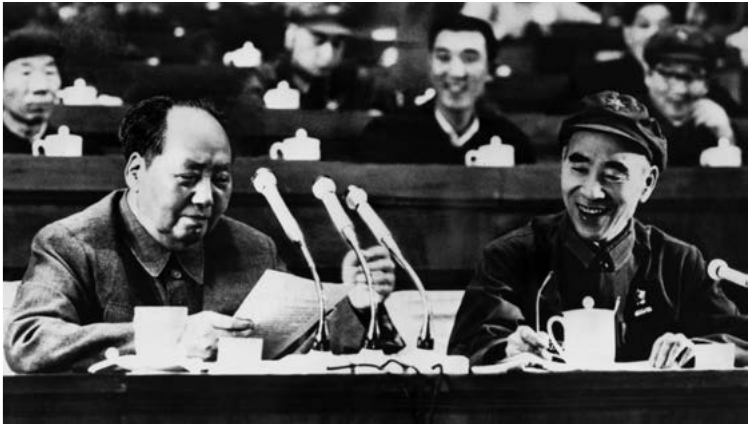
It was Lin who encouraged the crowds of Red Guards at Tiananmen Square rallies to switch from calling out 'Mao Zhuxi wan sui' ('Ten thousand years to Chairman Mao'), which was the greeting for the emperors, to 'Mao Zhuxi wan shou wu jiang' ('Ten thousand long lifetimes without limit to Chairman Mao') that is, eternal life. In this one change of greeting, Mao had surpassed the emperors.
Note
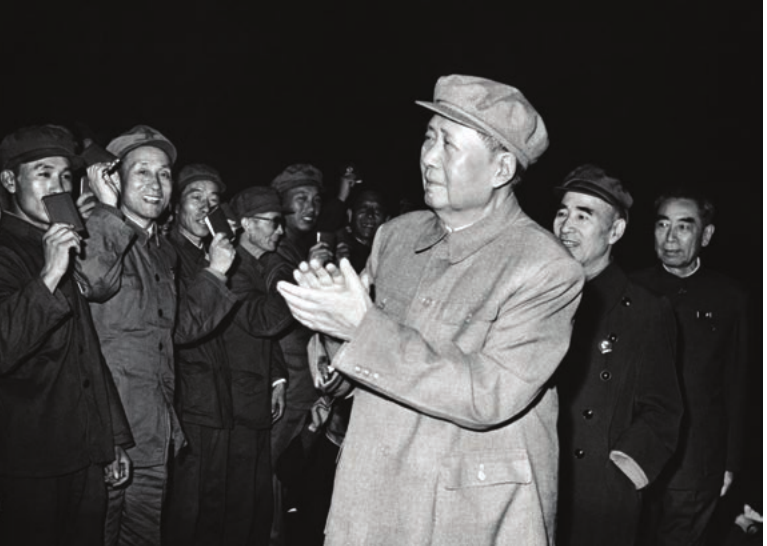
The cult of Mao's personality reached extraordinary heights during this period. Each morning in homes, schools and workplaces people bowed towards a portrait of Mao with the Little Red Book in hand and wished him long life. This was called 'Zao qingshi' or 'Requesting morning instructions'. In the evening, the ritual was repeated, but it was called 'Wan huibao' or 'Evening report'. Up to now, such obeisance to a portrait was only reserved for deceased ancestors. Mao had gone from political leader to being something much greater. Even inadvertently making a mark on a photo of Mao in a newspaper would bring on painful retribution.
The rise and fall of Lin Biao
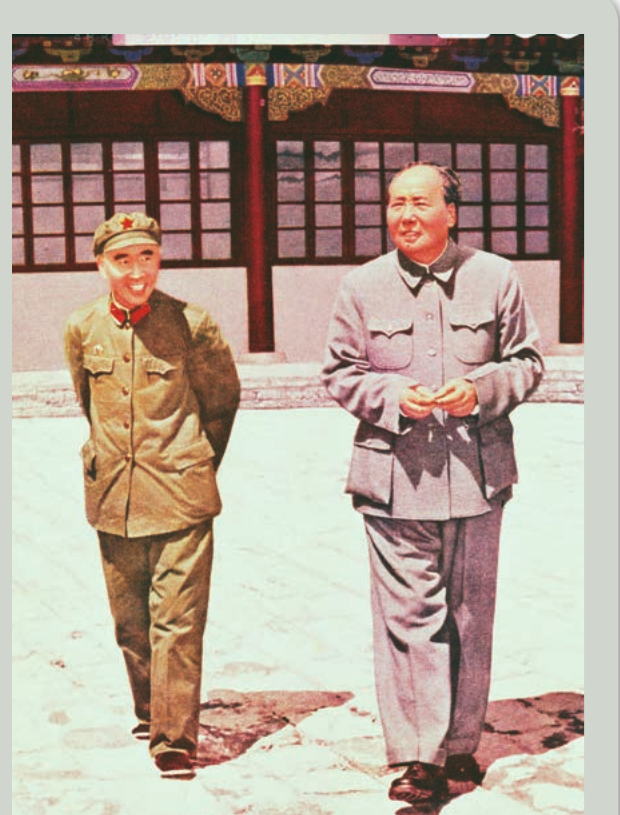
Lin Biao was not an obvious candidate to be Mao's successor. Unlike most top Party officials, he chose not to live in the Zhongnanhai compound, choosing a nearby mansion instead. When the Korean War broke out it was Lin, not Peng Dehuai, who Mao wanted to lead the 'volunteers' against the United States and its allies. Lin pleaded illness and flew to Moscow for treatment. (This plea of illness had been used by imperial officials to avoid carrying out orders from the emperors.)
Lin was also a morphine addict, a habit he probably picked up during the Long March. Mao was aware of this addiction. However, Mao found it difficult to turn down Lin's support at Lushan in 1959. As the new Defence Minister, Lin was there when Mao launched his comeback in 1966. In April 1969, Lin was announced as Mao's successor.
Project 571
Such success brought with it the seeds of failure. Mao was aware that the emperors of the past were very watchful of those next in line in case they wished to accelerate the succession. Lin's attempt to have Mao enshrined as a figurehead at the Lushan conference of April 1970 was a trap which Mao rejected.
By now Lin knew his days were numbered. He prepared a coup which he called 'Project 571' (in Chinese this is 'wu qi yi' – which sounds like 'armed uprising'). He referred to Mao as 'B-52' (after the American long-range bomber).
Project 571: Lin Biao's code for the plot to overthrow Mao.
B-52: Lin Biao's code for Mao, named after the American long-range bomber.
Important
According to Harrison Salisbury, Lin planned several assassination scenarios with his wife and his son, Lin Liguo, an air force official. The final choice was to attack Mao's train but, due to Mao's change of plans, they missed the opportunity. On 12 September 1971, after fleeing to the seaside resort of Beidaihe, they boarded a Trident plane and flew towards Russia, but the plane crashed in Mongolia. All on board died.
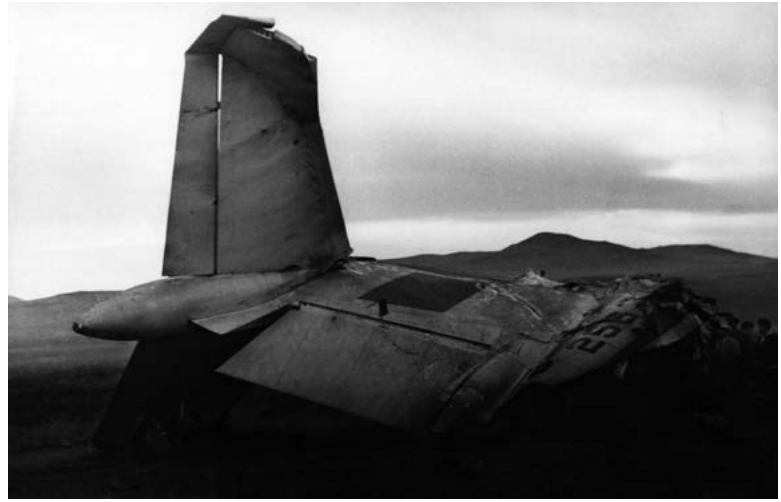
This veracity of this version of Lin's death has been challenged – but it is backed up by Dr Li, Mao's personal physician. It also has specific details, and there is no accepted alternative theory.
Consequences of the failed coup
The coup attempt orchestrated by his most public admirer came as a shock to Mao. Lin Biao – the man who had extolled the greatness of Mao and the importance of Mao Zedong Thought – had turned against him. Mao's credibility as China's salvation was shaken badly. By this time, Mao was suffering from Parkinson's disease. He took to his bed and developed pneumonia. The annual 1 October parade in Beijing was called off because Mao was unable to attend. However, the public were ignorant of his ill health.
Lin Biao's betrayal and death were kept quiet, and it was not until 1972 that it was announced to China and the world. Until then, Lin's books and portraits were slowly being removed without explanation.
Jiang Qing, who had common cause with Lin, was lessened by this connection. This left Zhou Enlai, who was succeeding in negotiations with the United States, as the man of the moment. While Jiang Qing admired the charm and intellect of Zhou, who had always treated her with courtesy, she knew that Zhou stood in the way of her extreme policies. The betrayal and death of Lin Biao, the man whom he had so richly rewarded, led Mao to reconsider those whom he had considered disloyal. Deng Xiaoping was revealed as someone Mao could rely on. The time was right to start 'rehabilitating' some of the survivors of Mao's campaigns.
Note
Not long after Lin Biao's abortive coup, Mao fell unconscious and stopped breathing. He was revived but he was not in vigorous health. He seldom appeared in public after this. When he shook hands with President Nixon in February 1972, the Chinese press commented on his good health while the American press thought he must have had a stroke. In fact, Mao was suffering from congestive heart problems and was bloated at the time. Despite a period of recovery, he deteriorated and became dependent on his personal attendant Zhang Yufeng (who became the unofficial means for communication with Mao). Even Jiang Qing would pander to Zhang Yufeng to obtain Mao's approval for any ventures.
To make it worse for Mao's doctors, he refused most tests and medical procedures (both for himself and for others). Mao even refused to allow Zhou Enlai to have treatment for his bladder cancer, which would likely to have been successful.
On 23 July 1975, Mao did undergo a successful operation on his left eye. To maximise the likelihood of success, the ophthalmologists practised on 40 old men beforehand.
The Gang of Four
The 'Criticise Lin Biao and Confucius' campaign
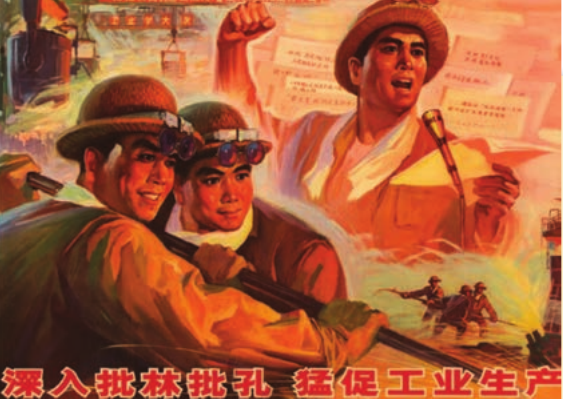
After Lin Biao's death, the Gang of Four initiated a series of 'Criticise Lin Biao and Confucius' posters. The hatred towards Lin is obvious – but why Confucius, who was not seen as a threat? The answer lies in the Chinese tradition of allegory. Confucius, the quiet and venerated sage, must have been seen as a reference to Zhou Enlai, whose quiet and diplomatic manner made the Gang of Four seem raucous and savage. The Gang of Four was not in a position to openly attack Zhou, so the references to Confucius were a roundabout means of attacking the Premier. However, Mao was also happy to keep the Premier on a knife's edge, just to remind Zhou who was boss.
Impact of the Cultural Revolution
Economy
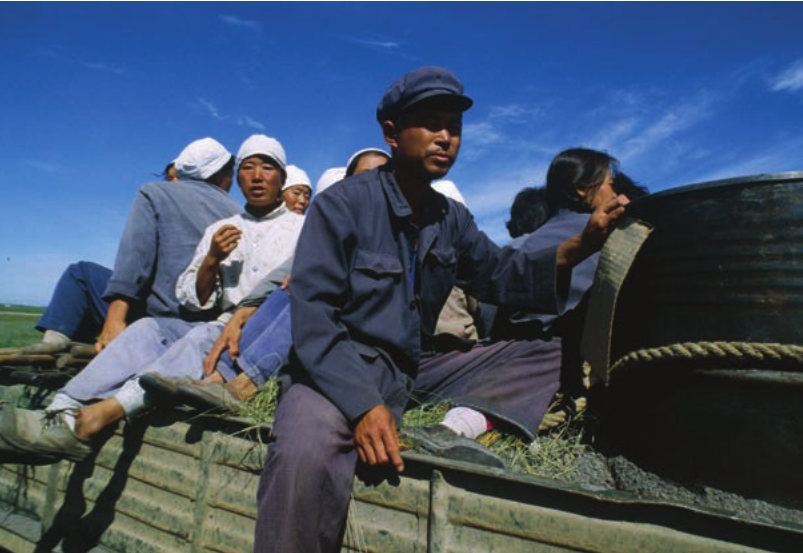
While communes were still the basis of rural development, there was no attempt to bring back the Great Leap Forward. Zhou Enlai had promoted stable growth based on normal factory methods and production. Former factory managers were 'rehabilitated' to revive the economy. A more stable political environment encouraged steady economic growth which was aided by schools returning to normal. Zhou Enlai set the goal of Four Modernisations – agriculture, industry, technology and science, and defence.
Culture
As one might expect, the Gang of Four (especially Jiang Qing) did its best to remould culture. Traditional Beijing Opera was divorced from the 'Four Olds' and were (re)scripted to serve Marxist/Maoist principles. Operas such as The Red Detachment of Women depicted working-class heroes and martyrs inspired by the writings of Mao. There were only eight approved operas. Films also served this purpose. Anchee Min wrote an autobiography, Red Azalea, about being selected to play Jiang Qing in an aborted film of the latter's career. Li Cunxin, in his autobiography, Mao's Last Dancer, writes about being whisked from a small rural school to train and then dance in propaganda ballet. The selection of poor and untrained peasant children was part of the new cultural shift. Culture had become the handmaiden of Party propaganda.
Education
Education was greatly disrupted by the Cultural Revolution. Children did not attend school, except to study Mao's writings, victimise teachers or use classrooms as Red Guard headquarters. While the children of cadres had easy access to good schools, the universities were now open to those from worker backgrounds more than those with academic qualifications. The slogan 'Better red than expert' meant that schools, hospitals and communes were no longer run by those with expertise. After the death of the Red Guard movement, schools slowly returned to their real purpose.
The PLA
Under Lin Biao, the PLA had become a political force. With the Little Red Book, the PLA was brought on to the political stage to 'rescue' Mao and organise the mass rallies in Beijing. The PLA was eventually engulfed in the conflicts between Red Guard factions. Then, Mao used them to suppress the Red Guards. Generals in the PLA were soon torn in their loyalty to either Lin or Mao, with the older generals supporting Mao and Lin's appointees supporting him. Some of the generals complicit in Lin's attempt to overthrow Mao were purged. This led to the restoration of many of the old guard who had survived Red Guard torment. The CCP had resumed control over the PLA.
Politics
Lin Biao was a huge contradiction in that the man who deified Mao had also tried to assassinate him. How could this be explained? Propaganda was used to turn this 'leftist' into a scheming 'rightist', through a fictional (and revisionist) retrospective of Lin Biao's career. However, the people of China were not all duped by this. Disillusionment with the Cultural Revolution and personality politics set in. Even Mao was prepared to tone down the cult of personality which he blamed Lin Biao for creating. The victor in all this was the Party itself, which had been targeted in the Cultural Revolution. It was now enshrined in a new constitution as the supreme authority. While it took three rehabilitations, Deng Xiaoping survived the Cultural Revolution and, when he took power in 1981, avoided having himself as the focus of a personality cult. Meanwhile, the Gang of Four became the scapegoats for all the ills of the Cultural Revolution. Mao's image, however, was largely left unscathed.
Foreign policy
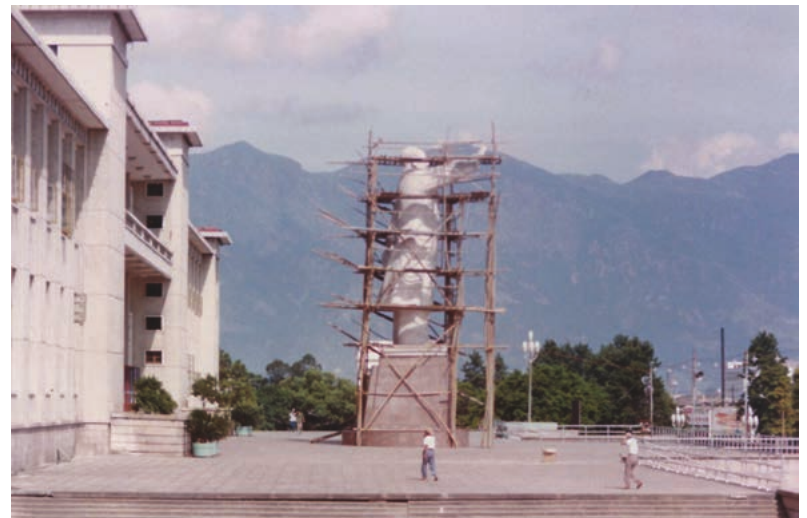
Following Zhou Enlai's goal, China was to continue opening up to the West and separate itself from the Communist bloc of nations (those largely under the control of the Soviet Union). It occasionally took the side of conservative governments. It had even reacted moderately to US President Nixon's bombings of North Vietnam. With its seat in the United Nations from 1971, China aligned itself more with the developing countries than with the socialist countries.
The people
The Chinese masses were not to receive an apology from those who fostered the Cultural Revolution. So many had been harmed by their government, their workmates, neighbours and sometimes even their family. They could not start to seek redress for their grievances – and so had to be content with blaming the Gang of Four, repairing their lives and hoping for a better future.
Summary
Key Points to Remember:
- The Cultural Revolution (1966-76) was launched by Mao to regain power after the failure of the Great Leap Forward.
- Wu Han's play 'The Dismissal of Hai Rui' was used as a pretext to attack Party moderates and launch the Cultural Revolution.
- The Red Guards were young people mobilised by Mao to attack the 'Four Olds' (old ideas, old customs, old culture, old habits) and Party officials.
- Liu Shaoqi and Deng Xiaoping were labelled 'Capitalist Roaders' and subjected to brutal persecution; Liu died in custody while Deng survived.
- Lin Biao promoted the cult of Mao through the Little Red Book and mass rallies, but later plotted against Mao and died in a plane crash in 1971.
- Over 12 million urban youth were 'sent down' to the countryside to learn from peasants.
- The Cultural Revolution caused massive disruption to education, culture and the economy, though the Party ultimately emerged stronger.
- The Gang of Four (including Jiang Qing) became scapegoats for the Cultural Revolution's excesses after Mao's death.